
Most housing donations in Lincoln stop at rent. These 3 groups think bigger.
Most people picture a house build when they think about housing donations in Lincoln. This piece widens the frame. Habitat handles new-home production, Union College Housing keeps a 56-unit low-income building viable, and The Arc of Lincoln helps people with intellectual and developmental disabilities obtain housing and the support to use it.
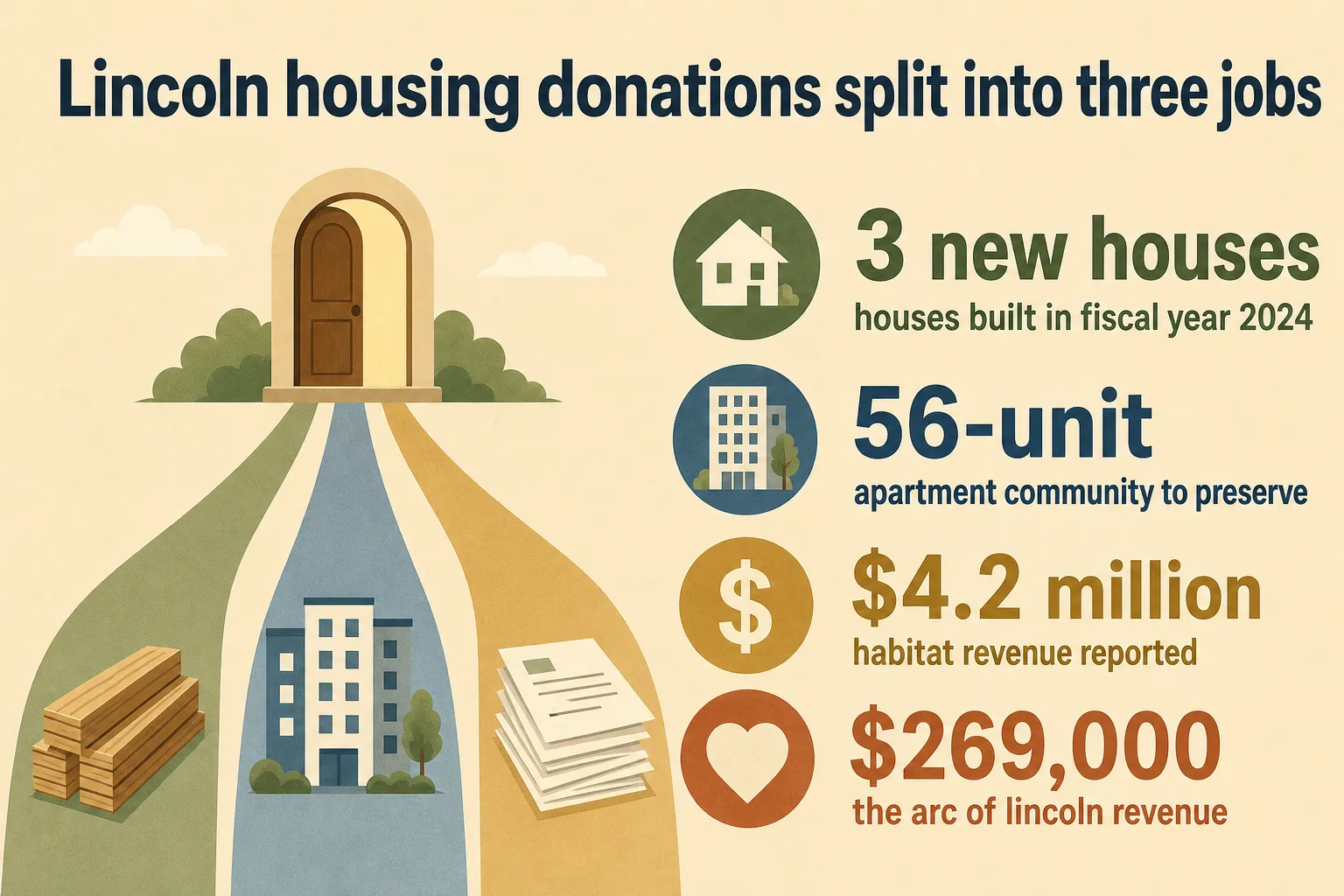
Housing is not one donation category. In Lincoln, it is three different jobs with three different failure points.
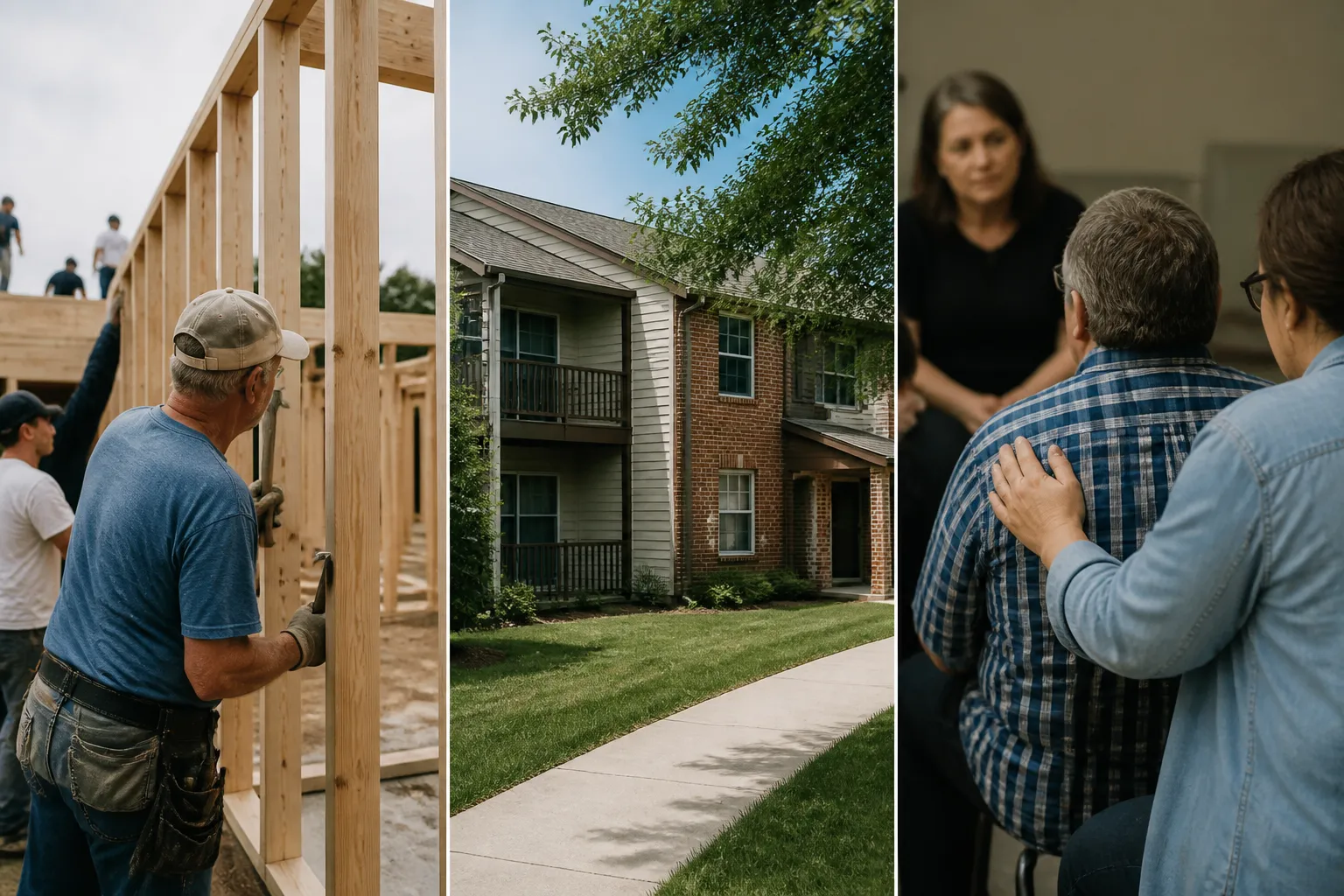
One organization says it served families through the construction of 3 new houses in fiscal year 2024. Another, according to Union Manor Apartments, operates a 56-unit apartment community for older and disabled residents. A third grew out of parents organizing in 1952 because, for people with intellectual and developmental disabilities, a lease was never going to solve the whole problem. Put those together and you get the vague virtue of “supporting housing.” Pull them apart and you get something much more useful: a donor decision.
The usual shorthand is rent help on one end and a house build on the other. But the middle is where a lot of real housing stability lives. For people trying to support affordable housing in Lincoln, that distinction matters.
Are you funding new-home production, keeping an existing low-income building in service, or backing the advocacy and coordination that make independent living actually workable after an address is secured?
Lincoln-Lancaster County Habitat for Humanity Lincolnlancaster County Habitat For builds. Union College Housing Inc preserves. The Arc Of Lincoln handles the part too many housing conversations skip: whether a person can use that housing with agency.
Latest IRS figures on the platform show how different these machines are: Habitat reported $4.2 million in revenue, Union College Housing reported $652,000, and The Arc of Lincoln reported $269,000. That spread shows what a local housing system looks like when one city needs a builder, a building operator, and a navigator at the same time.
Build affordable housing in Lincoln NE
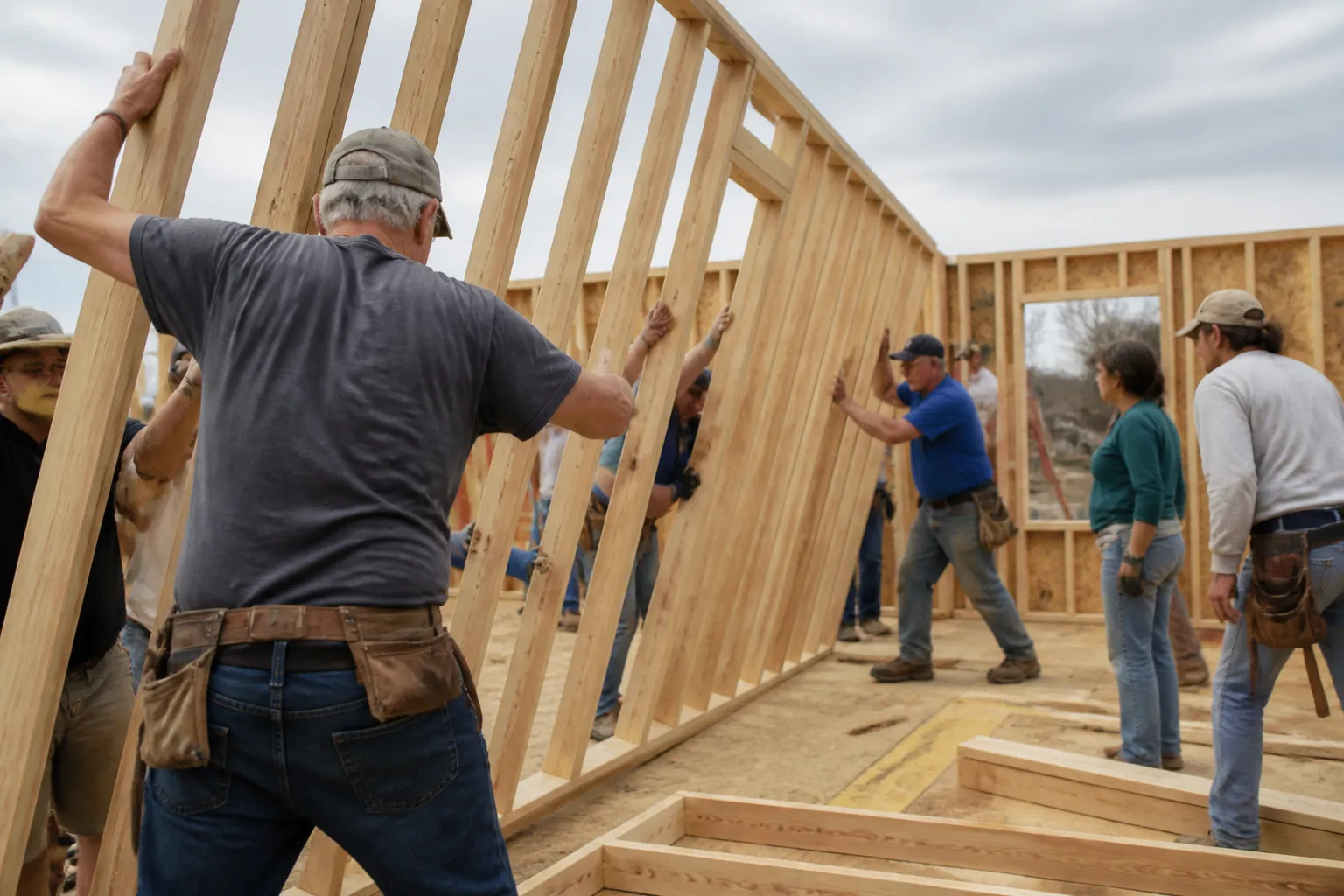
Under CEO & Executive Director Shay Homeyer, Habitat is doing the version of housing work donors recognize on sight: lots, lumber, volunteer crews, keys. The organization states its mission with refreshing bluntness.
"We build homes, communities and hope." — Lincoln-Lancaster County Habitat for Humanity
In fiscal year 2024, Habitat says it served families through the construction of 3 new houses. That figure captures the scale of the work. New units take time and money. They require land, construction the institutional stamina to get from plan to move-in without pretending the hard part is inspirational branding.
What makes Habitat more interesting than a simple build story is that it refuses to act as if a finished house is the whole answer. The organization also offers REACH-certified homebuyer education covering money management, the financial steps of buying a home and protecting the investment. It runs a Home Repairs Program for low- and moderate-income homeowners, including veterans and seniors, to address health and accessibility issues. And it operates a ReStore that turns donated furniture, appliances, building materials, and home accessories into funding for the mission. In other words: Habitat builds what is missing, then helps people keep what they have.
That wider machinery takes people. Platform data lists 34 staff and 300 volunteers, and Habitat’s footprint reaches beyond Lincoln into Lancaster County, Seward County, and Nebraska City. Events like Rock the Block, Women Build, and the Community Builders Breakfast make clear that the organization understands housing as neighborhood infrastructure, rather than a one-day key ceremony.
There is also a useful seriousness to the homeownership model itself. Families are not being handed a sentimental storyline; they are partnering through time and effort and taking on an affordable mortgage. Former executive director Nancy J. Muehling, who led the organization from 2000 to 2015, put the case plainly: "everyone deserves a safe and decent place to call home." Habitat says more than 100 homes were built under her leadership. The sentence still lands because it is so unsentimental. Safe, decent, local, and built to last.
If this is the housing job you want to fund, there is a concrete ask on the table right now: Habitat is seeking donations to cover cleanup and recovery costs after a recent ReStore fire. The recovery work protects a funding stream. The ReStore is part of the engine that helps keep the build-and-repair side of Lincoln’s housing system moving.
Keep the apartments you already have
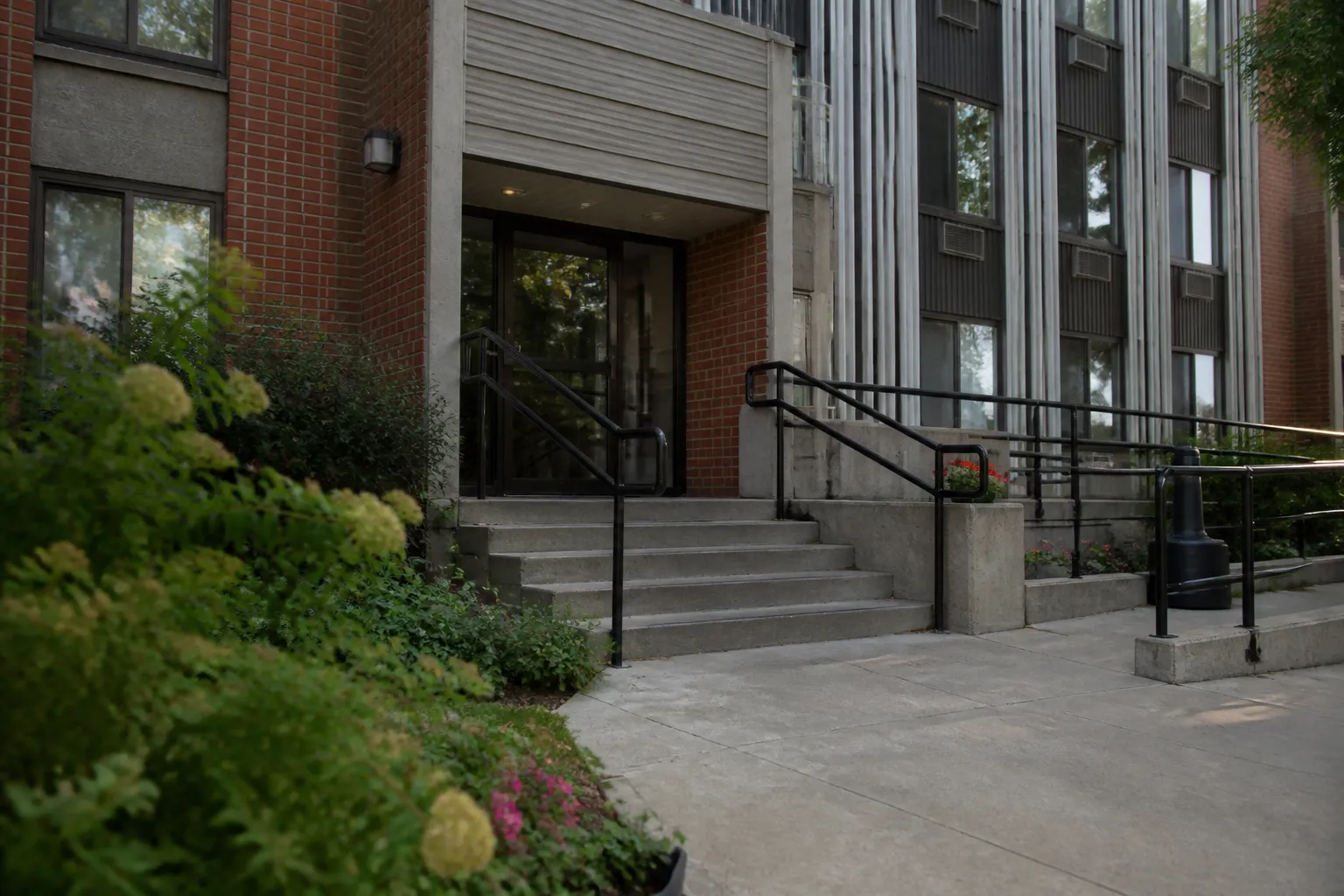
A 56-unit apartment building is quieter than a new house frame. It is also the kind of asset cities cannot afford to lose.
Union College Housing was formed in 1984 to operate Union Manor Apartments in Lincoln. According to Union Manor Apartments, the organization provides low-income housing for elderly and disabled individuals and families and runs a 56-unit apartment housing facility. It serves individuals 62 and older, disabled individuals, and very low- and extremely low-income elderly and disabled individuals and families through HUD’s Section 202 Direct Loan program and Section 8-assisted housing based on income. The organization also says it provides low-income housing to 56 residents.
Get the weekly digest
New stories, new nonprofits, every Tuesday morning.
This is the preservation job. The steady work of keeping a specific building affordable and usable year after year. When donors treat housing as if the only meaningful act is constructing something from scratch, they miss the arithmetic of what already exists. A functioning low-income apartment community is housing supply. Lose it, and you do not just lose units. You lose routine, accessibility, familiarity, and one of the few forms of housing designed around older adults and disabled residents living on their own terms.
Union College Housing describes Union Manor as smoke-free, with accessible design, furnished utilities, and shared spaces that make daily life easier. That sounds almost modest on paper until you remember how much independence is built out of modest things: a layout that works for a resident’s body, utilities that are already covered, a common space that reduces isolation instead of intensifying it. This is what preservation looks like when you stop romanticizing housing and start paying attention to how people actually live.
Even the intake process tells the truth about the work. Prospective residents can phone to schedule a tour, request an application packet by visit or mail, complete the HUD-mandated forms, and go through income and background verification. There is no charity theater here. Just a building, a process, and the long administrative discipline required to keep income-based housing in reach. The site lists Rhonda Derr as property manager and Darcy Pearcy as office manager, the human-scale edges of a system most donors imagine as brick and subsidy. According to the latest IRS figures on the platform, Union College Housing reported $652,000 in revenue and $1.3 million in assets. That reads like what it is: stewardship of a place.
Make independent living workable
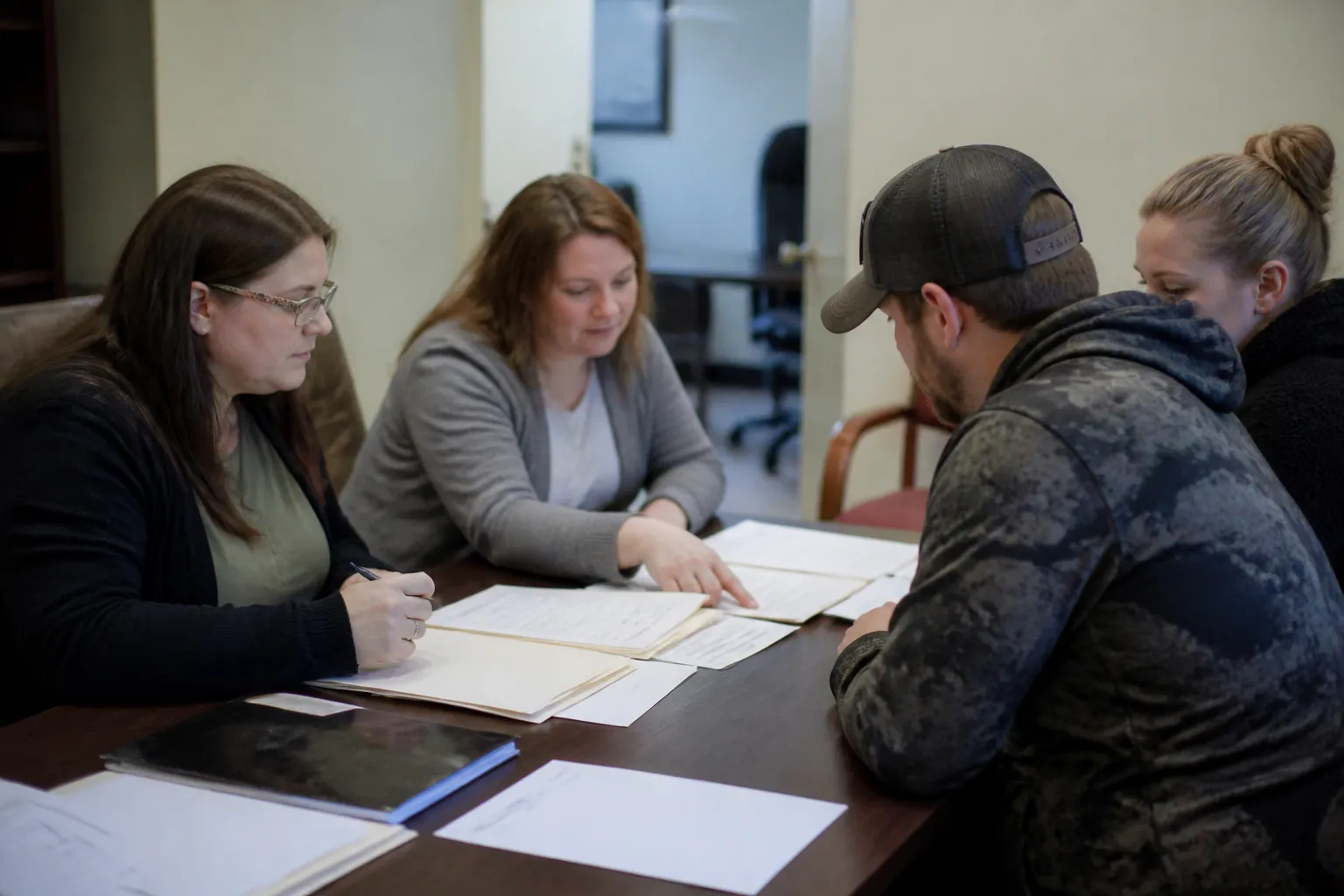
Then there is the part of housing work that almost never fits neatly into a donor pitch: what it takes for a person with intellectual or developmental disabilities to actually obtain housing, keep it, and live there with agency.
The Arc of Lincoln’s origin story gets this right from the start. According to the organization, parents began organizing in 1952 to protect the rights of people with intellectual and developmental disabilities. The group incorporated in 1967, but the family logic never left the room. Housing also meant translating daily needs between systems that do not naturally talk to one another.
Today, The Arc of Lincoln says it empowers people with intellectual and developmental disabilities and their families, provides housing opportunities to adults with intellectual and developmental disabilities, and helps individuals and families locate and obtain housing. Just as important, it pairs that work with individual and family support services, individualized advocacy, and coordinating services. Its advocacy work helps people and families navigate daily personal challenges and the educational and developmental disabilities systems. That mix is the point. For many people with disabilities, a housing option only works when someone can help connect it to the rest of life.
Platform data lists 3 staff and 50 volunteers. Those are small numbers, but they are exactly the kind you expect from a group working case by case, family by family, where one unresolved bureaucratic snag can unravel a housing plan. The group even runs Arc Expeditions, a vacation and educational program for people who experience developmental disabilities, and recruits volunteer caregivers to travel with participants. At first glance that may seem outside a housing conversation. Arc Expeditions reflects a broader philosophy: independent living includes having shelter and being included.
This is why The Arc belongs in the same housing conversation as a builder and a building operator. It is handling the usability layer of the system. A city can add units and preserve apartments and still fail people if nobody is helping them locate housing, coordinate services, protect their rights, and navigate the ordinary complications that can turn “available” into “unreachable.”
Name the housing job before you give
The mistake is not caring about housing. The mistake is pretending every housing donation does the same thing.
Habitat funding backs new houses and the practical work that helps families reach stable homeownership. Support for Union College Housing helps keep a 56-unit low-income apartment community in service for older and disabled residents.
Support for The Arc of Lincoln supports the part of housing that lives in phone calls, rights protection, service coordination, and the support people need to make independence real.
What would have to be true for this approach to work everywhere? Donors would have to stop flattening “housing” into a single virtue category. They would have to fund supply where supply is missing, preservation where existing units are at stake, and person-centered support where a unit alone is not enough. Lincoln already has organizations built for each of those jobs. That is the encouraging part.
A city needs all three. Build without preservation and you are always starting over. Preserve without support and some residents still cannot use the housing effectively. Support without supply and families are left coordinating their way around scarcity. The point is not to rank these jobs. The point is to stop confusing them.
Action step: before you donate, name the job you want your money to do — build, preserve, or make independent living workable. Then fund the organization built for that job; if your answer is build, Habitat’s current ReStore fire cleanup and recovery need is the clearest open ask on the table.
Frequently asked questions
- Which nonprofit in this piece actually builds new affordable homes in Lincoln?
- Lincoln-Lancaster County Habitat for Humanity says it served families through the construction of 3 new houses in fiscal year 2024. It also offers homebuyer education, home repairs, and a ReStore that supports the mission.
- Who can qualify for Union Manor Apartments in Lincoln?
- According to Union Manor Apartments, eligible residents include people 62 and older, disabled individuals, and very low- and extremely low-income elderly and disabled individuals and families. Prospective residents can call for a tour or request an application packet, then complete HUD forms and verification.
- Does The Arc of Lincoln help with housing or only advocacy?
- The Arc of Lincoln says it does both. It provides housing opportunities to adults with intellectual and developmental disabilities, helps people and families locate and obtain housing, and pairs that with advocacy, coordinating services, and family support.
- What is the most immediate funding need named in this article?
- Lincoln-Lancaster County Habitat for Humanity is seeking donations to cover cleanup and recovery costs after a recent ReStore fire. That matters because the ReStore helps support the organization’s broader housing work.
- How should I choose between these Lincoln housing nonprofits?
- Match your gift to the job you want done. Habitat is the choice for new-home production and repairs. Union College Housing keeps a 56-unit low-income apartment community in service. The Arc of Lincoln supports housing while helping people with intellectual and developmental disabilities protect their rights and coordinate services.
- lincolnhabitat.org ↗
- Shay Homeyer is the CEO & Executive Director of Lincoln-Lancaster County Habitat for Humanity.
- Lincoln-Lancaster County Habitat for Humanity says its mission is to build homes, communities, and hope, and it served families through the construction of 3 homes in fiscal year 2024.
- unionmanorapts.com ↗
- Union College Housing Inc provides low-income housing for elderly and disabled individuals and families and operates a 56-unit apartment housing facility in Lincoln, Nebraska.
- Union College Housing serves individuals 62 and older, disabled individuals, and very low- and extremely low-income elderly and disabled individuals and families through HUD Section 202 and Section 8-assisted housing.
- arclincoln.org ↗
- The Arc of Lincoln says it empowers people with intellectual and developmental disabilities and their families, provides housing opportunities, and traces its origins to parent organizing in 1952 before incorporation in 1967.