
Most Housing Appeals for Coeur d'Alene Veterans Stop at the Bed. Heart Haven Home Is Betting on Belonging Too.
Heart Haven Home’s tagline gives veterans housing room for belonging too. In Hayden, this small nonprofit is building shared homes that pair affordability with community and support, especially for seniors who can have the hardest time finding a stable place to land.
A bed solves the night, but it does not solve breakfast, or the dead hour after lunch, or the strange ache of living somewhere that keeps you dry but never lets you exhale. For veterans facing housing insecurity, especially older ones, that distinction matters more than most charitable language likes to admit. Plenty of appeals can get you to the word shelter. The next question is what happens after someone gets indoors.
Heart Haven Home Heart Haven Home Inc is interesting because it is honest about it.
Based in Hayden, Idaho, with a scope that includes Idaho and Washington State, the organization says its mission is “to improve the lives of veterans facing housing insecurity.” The mission goes further. Its own tagline offers “Safe, affordable shared housing for veterans, seniors, and people in recovery, with room for belonging too.” That last clause makes belonging part of the work, while the thing most veterans housing conversations still underrate is that an address and a life are not identical.
“Safe, affordable shared housing for veterans, seniors, and people in recovery, with room for belonging too.” — Heart Haven Home, organization
The line names the practical promise behind the shared-home model.
If you care about veterans housing in the Coeur d’Alene area, this is the sort of line you should stop at and read twice. Because shared housing, done with intention, gives people a place built around shared routines and neighbors who notice when someone is missing from the usual rhythm.
The model ties housing to daily life.
The bed is necessary. The belonging is the intervention for veterans housing in Coeur d’Alene, ID.
Anyone can understand why the first half of Heart Haven Home’s promise matters. A genuinely livable home gives someone room to think about anything else. Those are not marketing adjectives when someone is struggling to stay housed; they are baseline conditions for being able to think about anything else. According to Heart Haven Home, its shared housing program is built to provide exactly that kind of place for veterans facing housing insecurity, especially seniors, along with seniors and people in recovery who need safe and affordable housing.
But the more revealing part of the organization’s language is what it refuses to treat as sentimental. Community building has a place alongside resource connection and support as a named program. The model offers housing, people nearby, and practical connections that help life hold together after move-in day.
That emphasis recognizes that housing insecurity can look like a rent problem from a distance. Up close, it is often a life problem wearing a rent problem’s clothes. It is the challenge of finding something affordable, yes, but also the harder job of keeping steady, staying connected, and not having every setback happen in isolation. A shared house cannot solve every one of those things. No serious person would claim it can. But it can change the texture of daily life in ways a bare key handoff never will.
Shared housing, in bad nonprofit copy, can sound like a euphemism for settling. Heart Haven Home does not make that mistake. The organization frames shared housing as a place where residents can count on one another. For people who need steadiness as much as square footage, that shared life can be the entire point. Privacy matters, and so does the presence of other people.
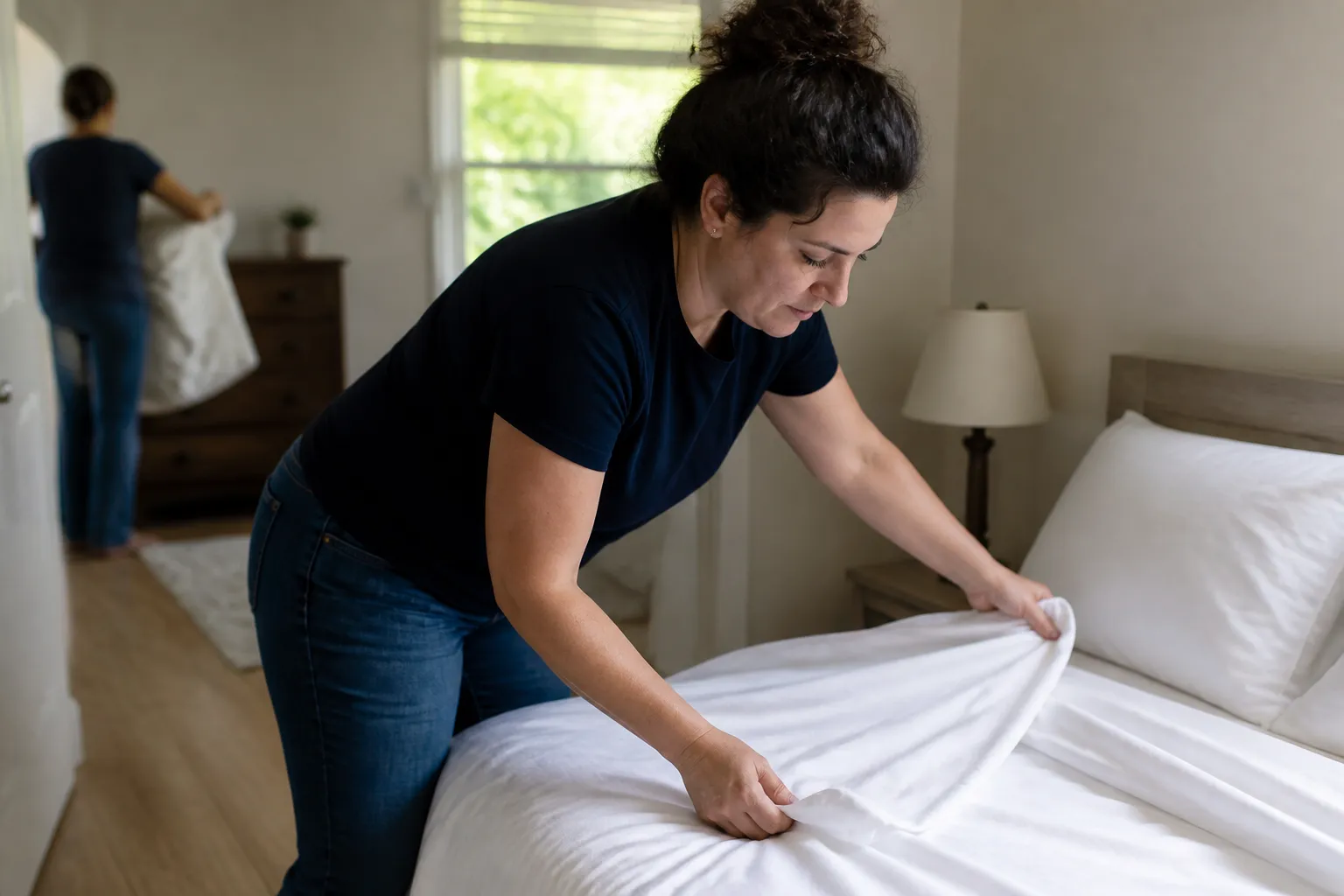
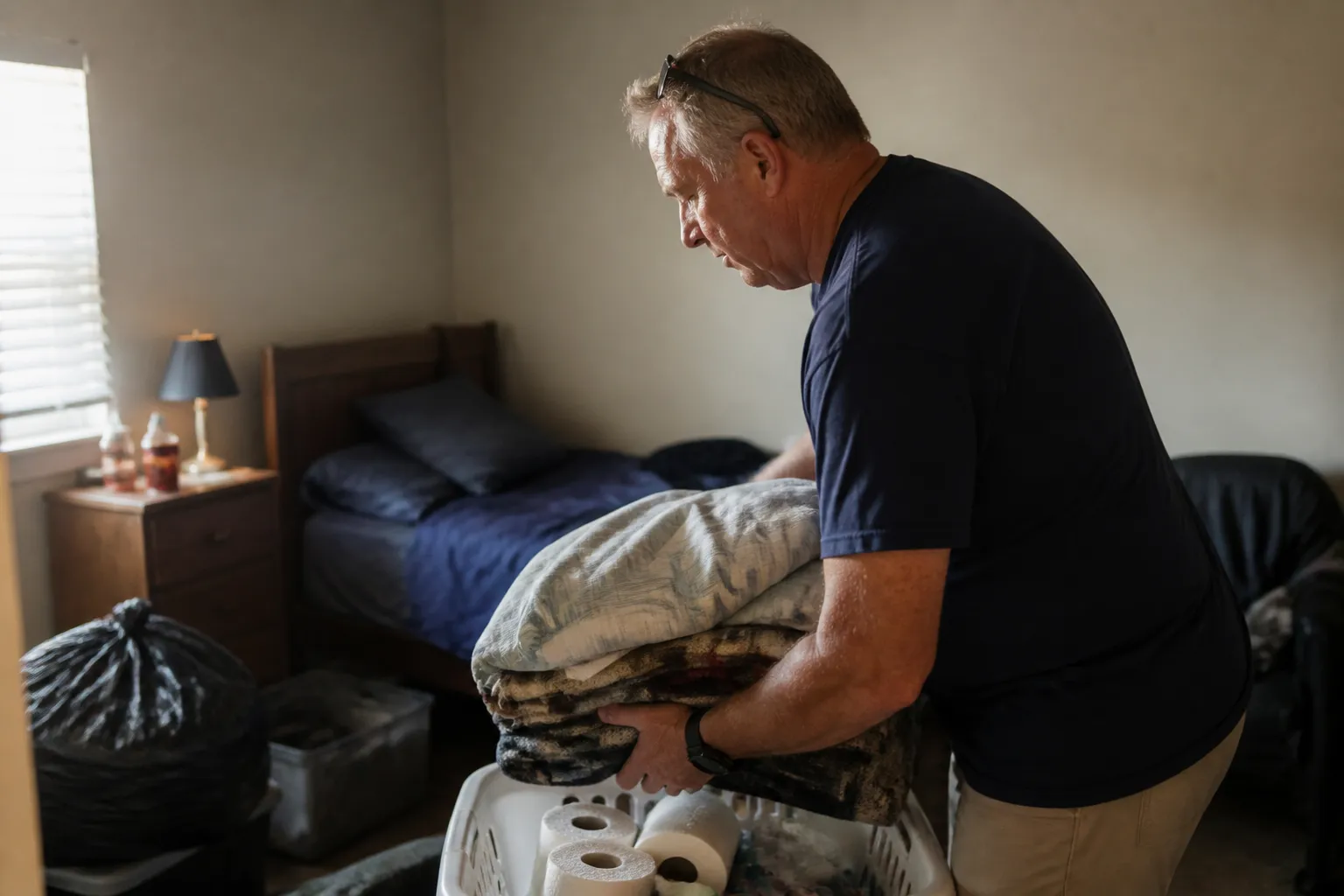
The donation list the donation list at Heart Haven Home is so revealing. The list is practical: household furniture, household goods, bedding, and tools. It is neither splashy nor glamorous, and that is exactly right. Those are the items of a place meant to be lived in. Fresh bedding says someone will sleep here. Furniture says someone will sit, eat, read, take a call, put down a cup. Tools say this is not a stage set for charity photos; it is a home that has to be maintained, adjusted, made functional, kept going. A nonprofit’s wish list often tells you what it really understands. The list points to the daily work of keeping a home running, which keeps the mission grounded.
Larry Gill and Marishka Pilch started with the problem they could not unsee
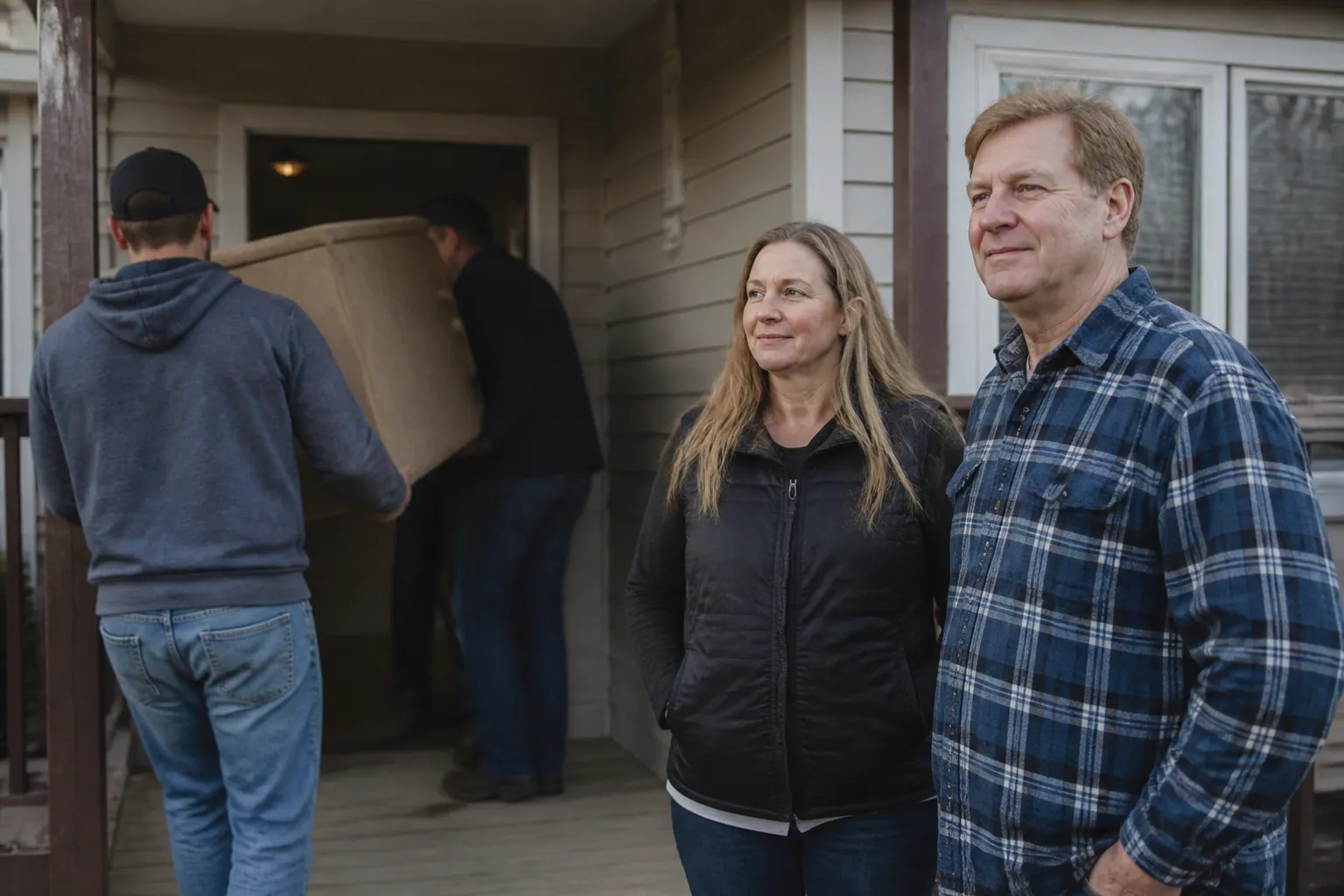
The origin story here is refreshingly unslick. According to Heart Haven Home, Larry Gill and Marishka Pilch began the organization after seeing a need that was hard to ignore. Veterans, especially in their senior years, were facing housing insecurity. This is a founder story built around paying attention to a specific housing need. It is a founder story built around paying attention.
Which, frankly, is usually how the worthwhile nonprofits begin.
There is also something admirably specific about starting with senior veterans. Older adults can disappear inside broad housing language, as though everyone in need faces the same obstacles in the same way. Heart Haven Home does not flatten that. On its website, the organization says it is “dedicated to offering a helping hand to those who have served our country, especially seniors for whom finding suitable housing is a challenge.” That last phrase gives the mission its teeth. Suitable housing is a place a person can actually live in, afford, and feel secure in.
The founders’ answer centered on the steadier, less cinematic needs that determine whether a person can stay upright over time, including a comfortable home, a community inside it, and help getting connected to the resources that make the arrangement sustainable. That suggests a bias toward the long middle of life rather than the single rescue moment.
Heart Haven Home’s own mission statement puts it plainly: “Our mission at Heart Haven Home is simple yet profound, to improve the lives of veterans facing housing insecurity.” It is a short sentence, but it does something useful. It keeps the focus on lives rather than units, and on improvement rather than mere intake.
Larry Gill’s public pitch carries the same tone. He writes, “Together, we can make a profound impact in the lives of those who’ve dedicated their lives to serving our nation.” It is the kind of founder quote that would mean very little if the organization were built around abstractions. Here, because the work is so concrete, it lands better. A profound impact can be profoundly unflashy, taking the form of a stable room, decent bedding, people nearby, and a place where tomorrow feels manageable.
That is often what help looks like when it is serious.
Get the weekly digest
New stories, new nonprofits, every Tuesday morning.
What Heart Haven Home is actually building
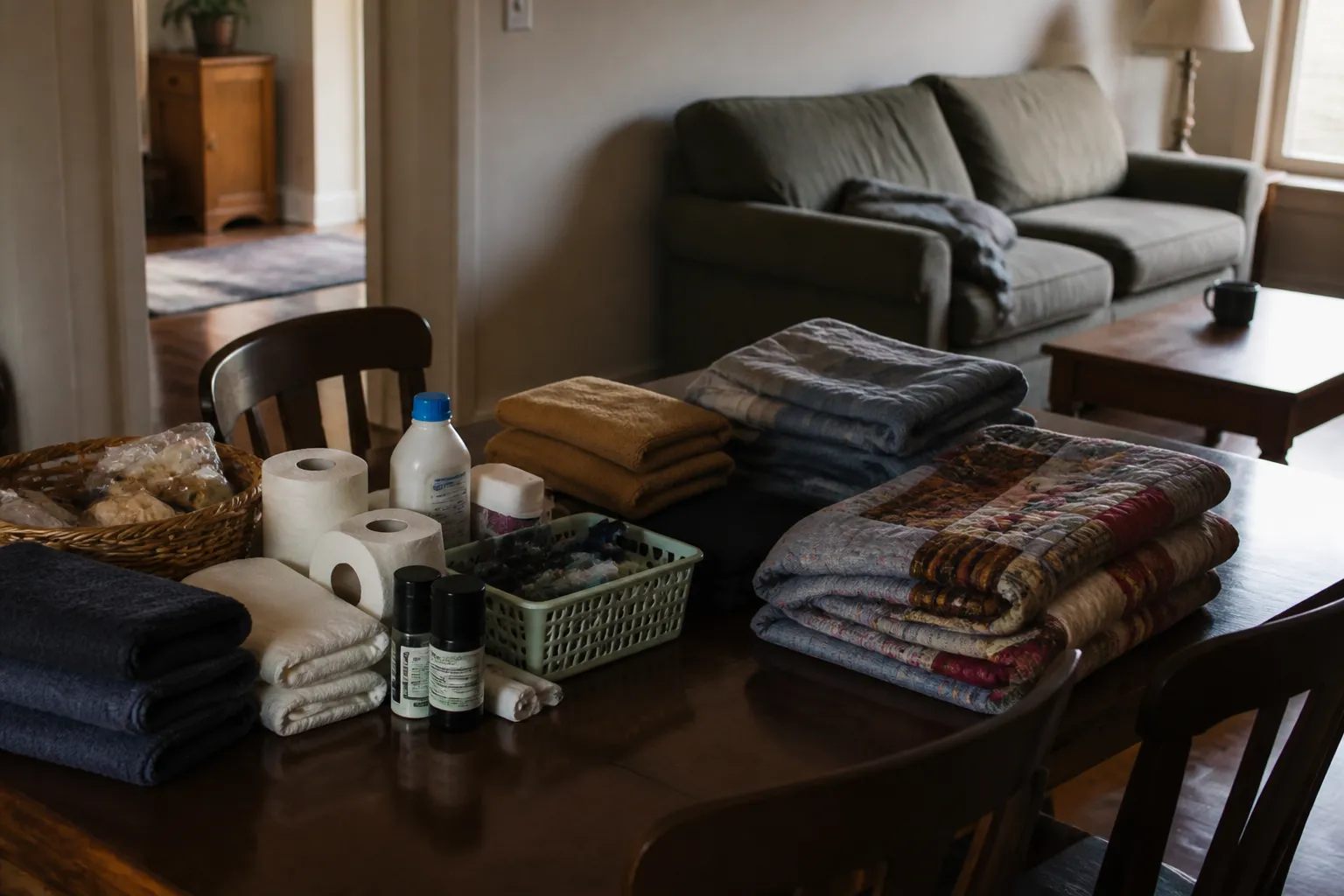
The organizations worth your money tend to be the ones whose program list sounds simpler than the work really is. Heart Haven Home, according to its website, centers three pieces, shared housing solutions, community building, and resource connection and support. Read that slowly and it becomes clear this is not one program with a few nice extras tacked on. Together, those programs form one connected model.
Community building answers the emotional and social question too many housing strategies leave hanging in midair by asking what keeps a place from becoming another lonely stopgap once someone is inside. Resource connection and support deal with the practical question: what other help does a resident need to actually thrive?
Shared housing solves the immediate physical question by giving someone a place to live with security and comfort at a price they can afford.
The model's logic becomes clearer in practice.
A lot of charitable storytelling likes the before-and-after shot: once unhoused, now housed; once unstable, now safe. The problem is that real life rarely obeys the clean edit. Stability takes shape over time through repetition: meals made in a functioning kitchen, a living room that feels usable instead of temporary, other people around, and a structure that makes it easier, not harder, to stay on track. Heart Haven Home’s model, at least as the organization describes it, is built around that unglamorous truth.
You can see it even in the breadth of who the housing is designed to include. The central mission is veterans facing housing insecurity, especially seniors. But Heart Haven Home’s own tagline also names seniors and people in recovery. I do not read that as mission drift. I read it as a clue about what kind of houses these are meant to be: places organized around a shared life with room for steadiness. The model is organized around stability, not branding.
That matters if you are deciding where to support veterans housing near Coeur d’Alene. The question is not only who can get a room tonight. The better question is what kind of environment your money is helping create. A nonprofit can fund a night. A home has to fund a rhythm.
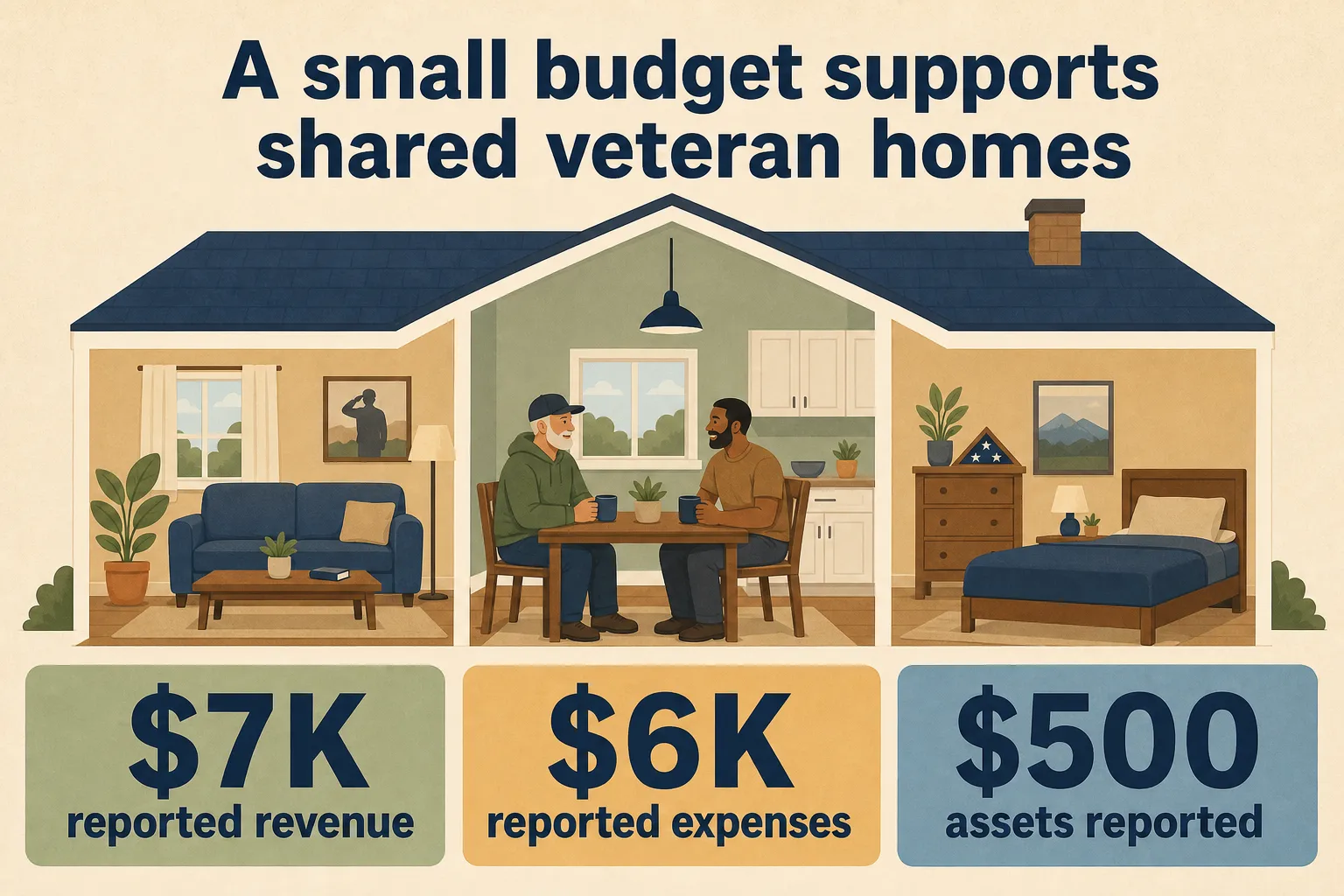
Heart Haven Home’s scale makes this even more striking. According to its IRS financials, the organization reported $7K in revenue, $6K in expenses, and $500 in assets. Those are modest numbers, and they tell you something important: this is a small effort with a direct line between donors and the work. It is a small effort trying to make actual homes possible. When a group at that scale asks for bedding and household goods, the request does not feel symbolic or indirect. Somebody is trying to get a room ready and keep a house running.
That intimacy is the form the ambition takes.
The most useful donation here might have a front door attached
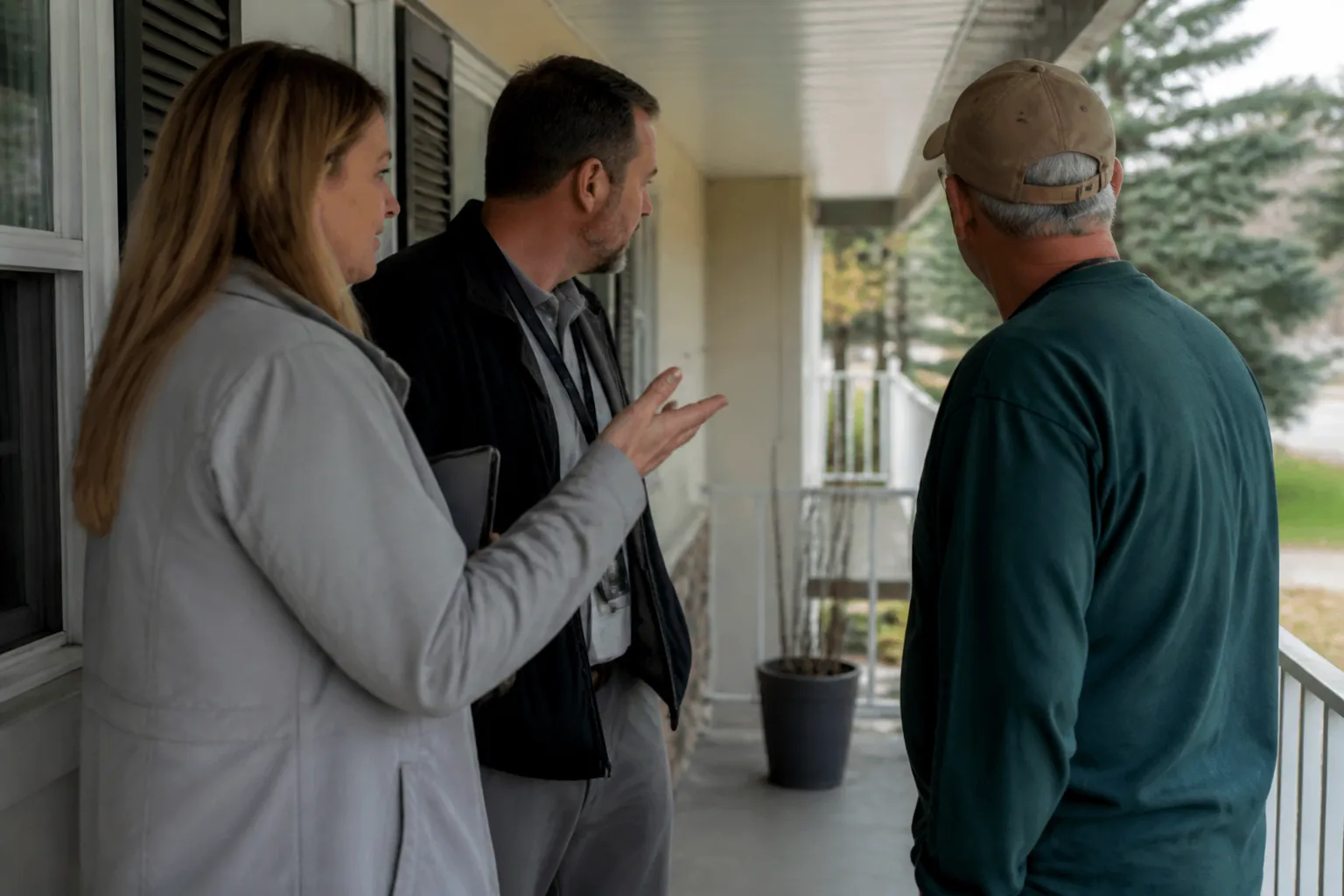
The current needs page is where Heart Haven Home gets even more compelling, because it refuses to be vague. Yes, the organization welcomes new or gently used household goods. Yes, it needs volunteers and sponsors. Those are familiar nonprofit asks, and they matter. But the most revealing need is bigger and bolder: homeowners in Idaho and Washington State who are willing to rent or sell properties to Heart Haven Home.
That is the real lever.
If the model is safe, affordable shared housing with community built into it, then properties are central to the model. They are the platform for everything else. Without a house and shared kitchen, daily life together and belonging have nowhere to take root. The ask lines up perfectly with the thesis of the organization, which is exactly what you want to see. Too many donation appeals drift into whatever is easiest to request. Heart Haven Home is asking for what actually expands the work.
That directness also means there are several sensible ways to help, depending on what you have. Opening a property conversation can be an especially potent way for an Idaho or Washington homeowner to help. Someone without real estate can help furnish the next room with bedding, household goods, or furniture. A volunteer can make the ordinary labor of setting up and sustaining a shared home lighter. A sponsor can underwrite the part that makes the whole arrangement sturdier. Different roles, same logic: make the home real enough that the belonging can happen inside it.
The Coeur d’Alene area needs organizations that understand the refrigerator, the toolbox, the front porch, the roommate conversation, the second month and the seventh. Heart Haven Home reads like one of those organizations.
For people on the other side of the search bar looking for a stable place to land, Heart Haven Home says those who need a warm, comfortable place to live are invited to contact the organization, which is accepting applications for its housing opportunities. That openness matters. A lot of nonprofits speak fluently to donors and awkwardly to the people they claim to serve. Heart Haven Home’s language, simple as it is, remembers both audiences, and there is a particular kind of dignity in that.
What impresses me most about Heart Haven Home is the scale the group has chosen for the truth of the problem. Veterans housing, especially for older adults, is not just about locating a bed and calling the job finished. It is about whether a person can walk through a door and feel less precarious after it closes. The house must be affordable and habitable in the deeper sense of the word. The real test is whether people are nearby and support exists, allowing ordinary life to resume.
That is what “room for belonging too” is really saying: smarter housing that makes room for belonging.
So if you do one useful thing after reading this, make the biggest practical move on Heart Haven Home’s list: if you own a property in Idaho or Washington and can rent or sell it for this work, contact the organization. A furnished room helps. A house makes the next community possible.
Frequently asked questions
- What does Heart Haven Home do for veterans facing housing insecurity?
- Heart Haven Home says it provides safe, comfortable, affordable shared housing for veterans facing housing insecurity, with community building and resource connection and support built into the model.
- Where does Heart Haven Home operate?
- Based in Hayden, the organization says its scope includes Idaho and Washington State.
- Who can get housing through Heart Haven Home?
- Its mission centers on veterans facing housing insecurity, especially seniors. The organization also says its shared housing serves seniors and people in recovery who need safe and affordable housing.
- What kind of donations does Heart Haven Home need?
- Heart Haven Home says donations fund household furniture. It also accepts household goods, with bedding and tools among the other donations. Its current needs also include volunteers and sponsors.
- How can homeowners help Heart Haven Home?
- One of the organization’s clearest current needs is homeowners in Idaho and Washington State who are willing to rent or sell properties to Heart Haven Home for its shared housing model.
- hearthavenhome.org ↗
- Heart Haven Home says its mission is “to improve the lives of veterans facing housing insecurity.”
- The organization is based in Hayden, Idaho, and its scope includes Idaho and Washington State.
- Its tagline frames the model as “Safe, affordable shared housing for veterans, seniors, and people in recovery, with room for belonging too.”
- Heart Haven Home’s programs include shared housing solutions, community building, and resource connection and support.
- The organization’s origin story says Larry Gill and Marishka Pilch saw a need that was hard to ignore: veterans, especially in their senior years, were facing housing insecurity.