
Most Foster Care Help in Texas Is a Drop-Off. These 2 Angels Chapters Stay for the Long Haul.
A school-supply drive can help for a weekend; a mentor or monthly volunteer can steady a year. Austin Angels and New Braunfels Angels stand out because Love Box and Dare to Dream turn foster care giving in Texas into sustained backup, not a one-day drop-off.
The hardest thing to donate in foster care is next month.
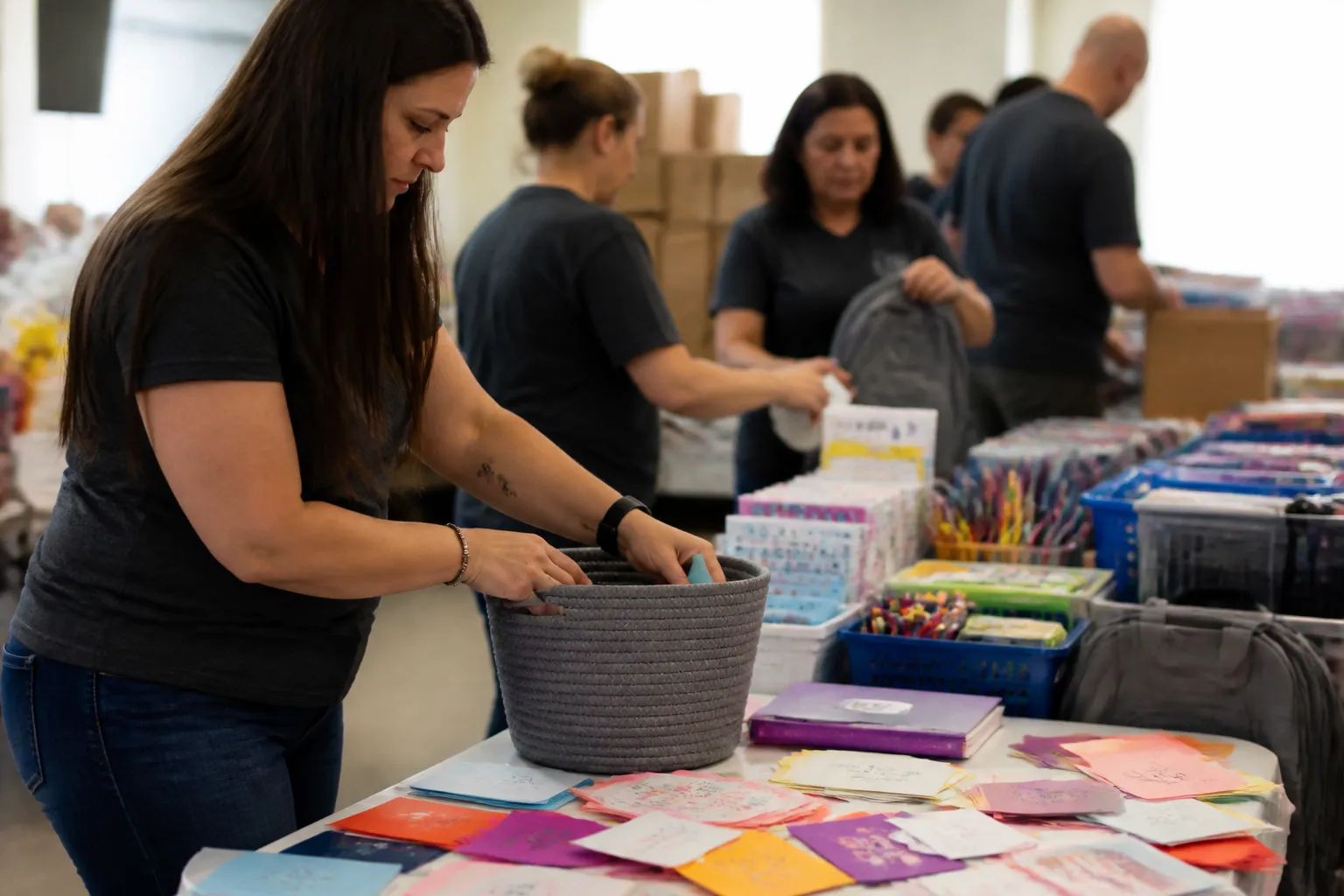
A holiday drive can clear a wish list, and a back-to-school event can rescue a chaotic August.
Most foster families need the kind of backup that remembers the names in the house, notices when a placement is wobbling, and shows up again after the photo-op has expired.
That is why Transformations By Austin Angels and Transformations By New Braunfels Angels are so much more compelling than the average drop-off charity story. Both chapters insist on support that arrives on schedule and keeps its promises. A Love Box match means monthly in-person connection for foster and kinship families. A Dare to Dream match means one-to-one mentorship for youth ages 11 to 22; at Austin, mentors meet at least twice a month for a year.
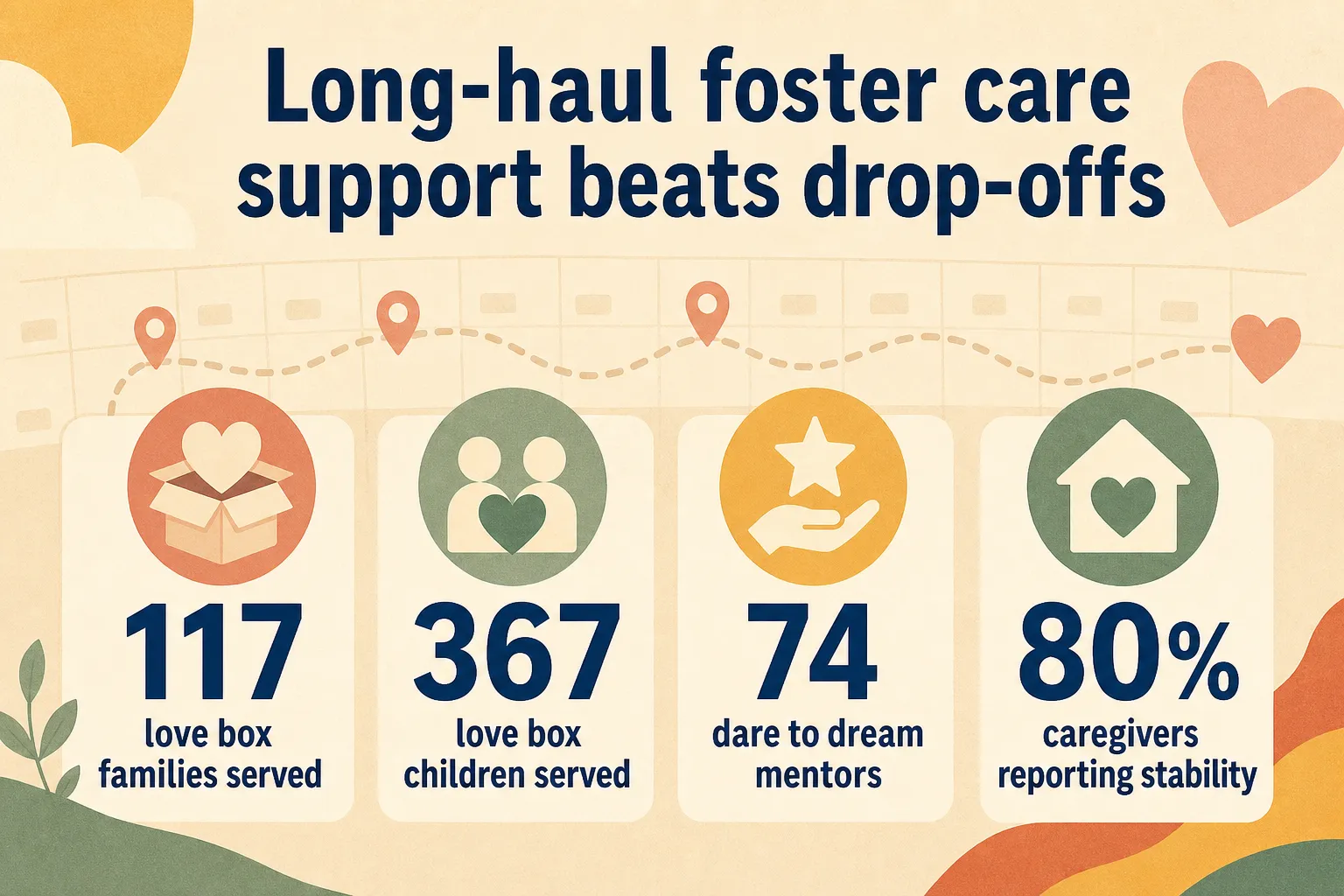
The numbers make the point cleanly. Austin Angels’ 2024 milestones report says Love Box served 117 families and 367 children, while Dare to Dream had 74 mentors. New Braunfels Angels’ 2024 impact report says it matched 25 Love Box groups with 100 kids, plus 27 youth and 27 adult mentors through Dare to Dream®. The gift is still there, including care packages, gift cards, school supplies, and startup costs like car seats and strollers, but it is attached to a person, and the person comes back. In foster care, that distinction is everything.
Austin built a machine for consistency
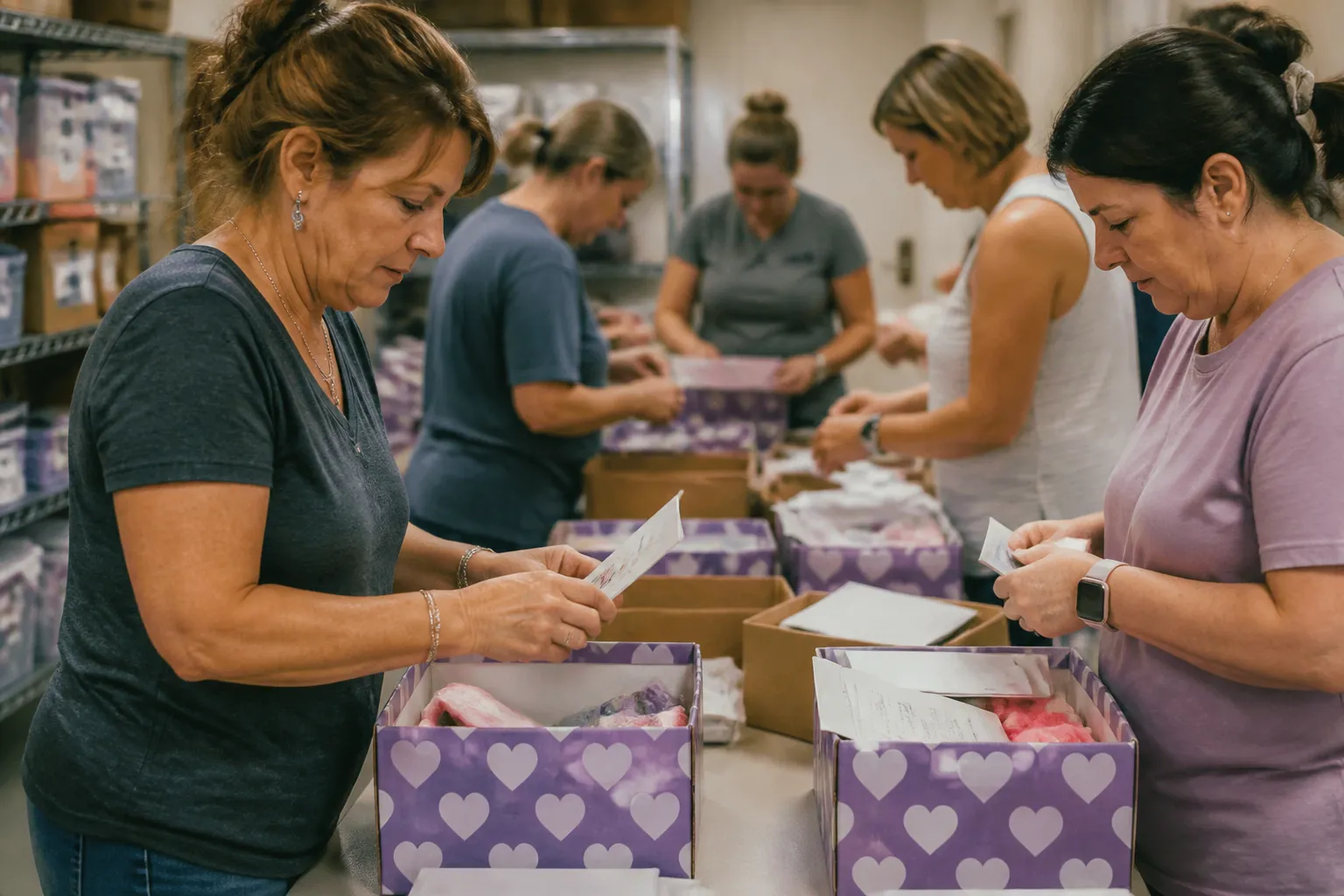
Austin Angels began in 2010 after founder and CEO Susan Ramirez heard something bracing at a foster care conference. Anyone can help shape a child’s life, whether or not they foster or adopt. I like that origin because it solves a real problem in this space. Too many people assume the only meaningful roles are the biggest ones. Ramirez built a middle lane for people who can keep showing up even if they cannot open their home.
You can see that design choice in the programs. Love Box is a monthly, relationship-based connection with a matched foster or kinship family. Volunteers or volunteer groups are matched with a local foster or kinship family based on location and fit, then commit to at least one in-person connection each month. Dare to Dream is one-to-one mentorship for youth and young adults in foster care ages 11 to 22, with mentors meeting at least twice a month for a year and helping young people work toward goals. The Foster Care Community Center in Buda gives that steady support a physical home.
Austin Angels says, “Consistent relationships are the solution.” That line is an operating manual for the work. The organization can absolutely do the high-visibility stuff—its 2024 report says 515 children were served during back to school, 382 children and 139 families were served during the holidays, and 460 children and youth were served through one-time events across the year, and immediate needs are still needs. But the smarter move is that Austin refuses to confuse event service with lasting support. The headline programs are the ones that stay on the calendar.
There is also real scale here. Austin’s profile lists 34 staff and 306 volunteers across Central Texas, and IRS financials show $3.4 million in revenue. That matters not because bigger is automatically better, but because it shows this relationship model works across a substantial Central Texas operation. Austin is doing the slower, harder work at size, while also publishing audited financial statements and a 2025 measured outcomes report focused on caregiver stability, family satisfaction, and volunteer child-welfare knowledge. For an evidence-minded donor, that is exactly the right kind of seriousness.
Connor and Abel are the argument
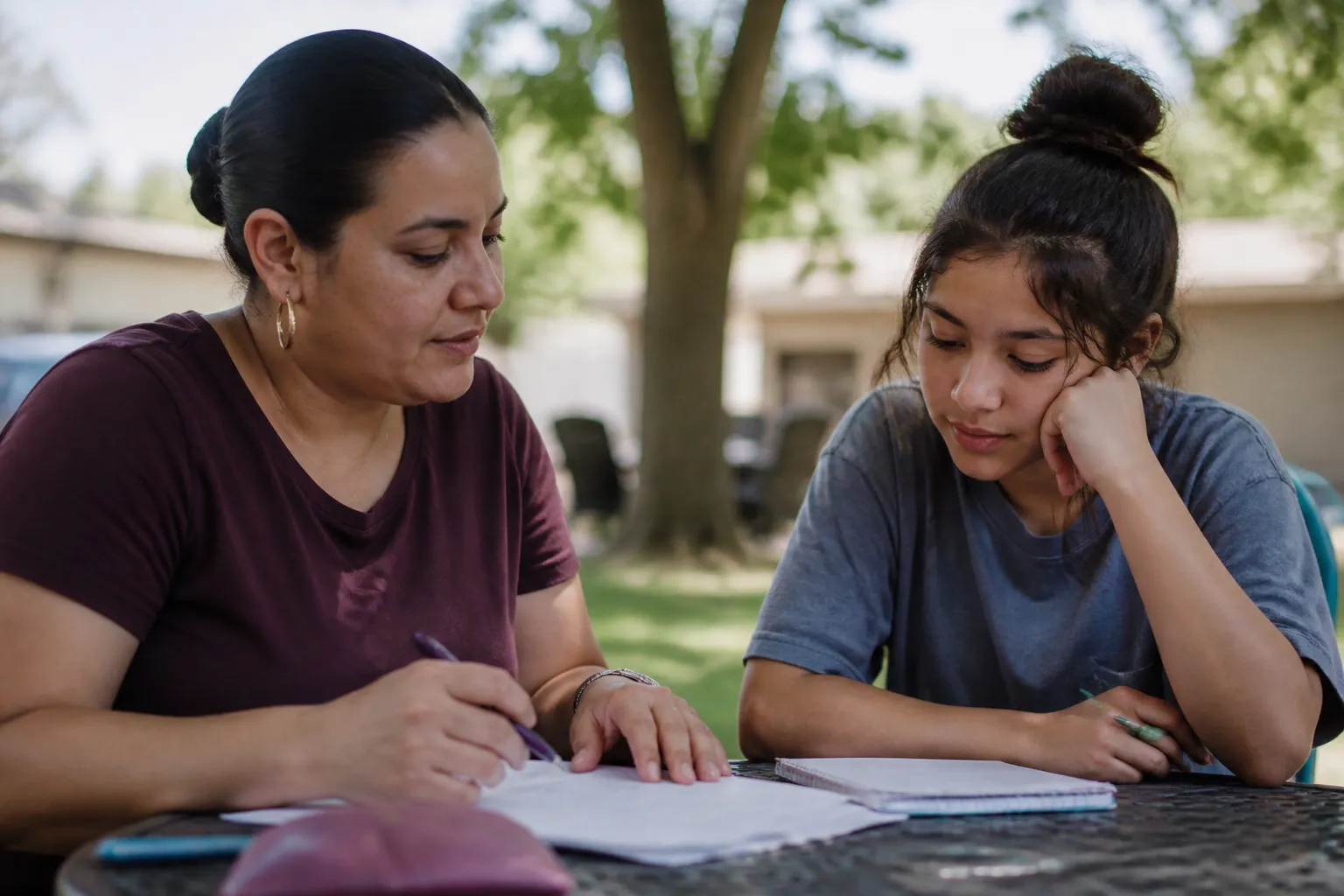
The cleanest case for these programs is Connor and Abel.
Both chapters share the story of a young mentor and his mentee whose bond grew through regular contact into a relationship meant to last a lifetime. That is the point. Foster care is full of transactional encounters, including intake, placement, paperwork, court dates, pickups, and drop-offs, the constant administrative weather of other people’s decisions. What children and teens need is one adult who keeps showing up.
“The foster care system wasn’t built for belonging, but we are.” — Austin Angels
That is a sharp line because it names the real deficit. Belonging grows through repetition: a mentor remembers what happened last month, and a family support volunteer knows whether the challenge right now is groceries, a birthday, school supplies, or simply an adult willing to listen without panic. Even the story titles tell on the model. “Breaking Cycles” only works if somebody stays long enough to interrupt the pattern.
Get the weekly digest
New stories, new nonprofits, every Tuesday morning.
Dare to Dream is especially smart here. Older youth in foster care are routinely asked to make adult-sized decisions with very uneven adult backup. New Braunfels Angels frames the program around personalized milestones in academics, career exploration, life skills, and independent living. Austin frames it as helping youth work toward their future goals. The need does not end once a child is placed somewhere. In many ways, it gets more complicated as young people try to imagine a future that feels stable enough to plan for.
Austin Angels puts it plainly: “Every child is one caring, consistent adult away from experiencing belonging, stability, and the confidence to dream about their future.” Austin Angels earns a line that direct.
New Braunfels proves the model travels
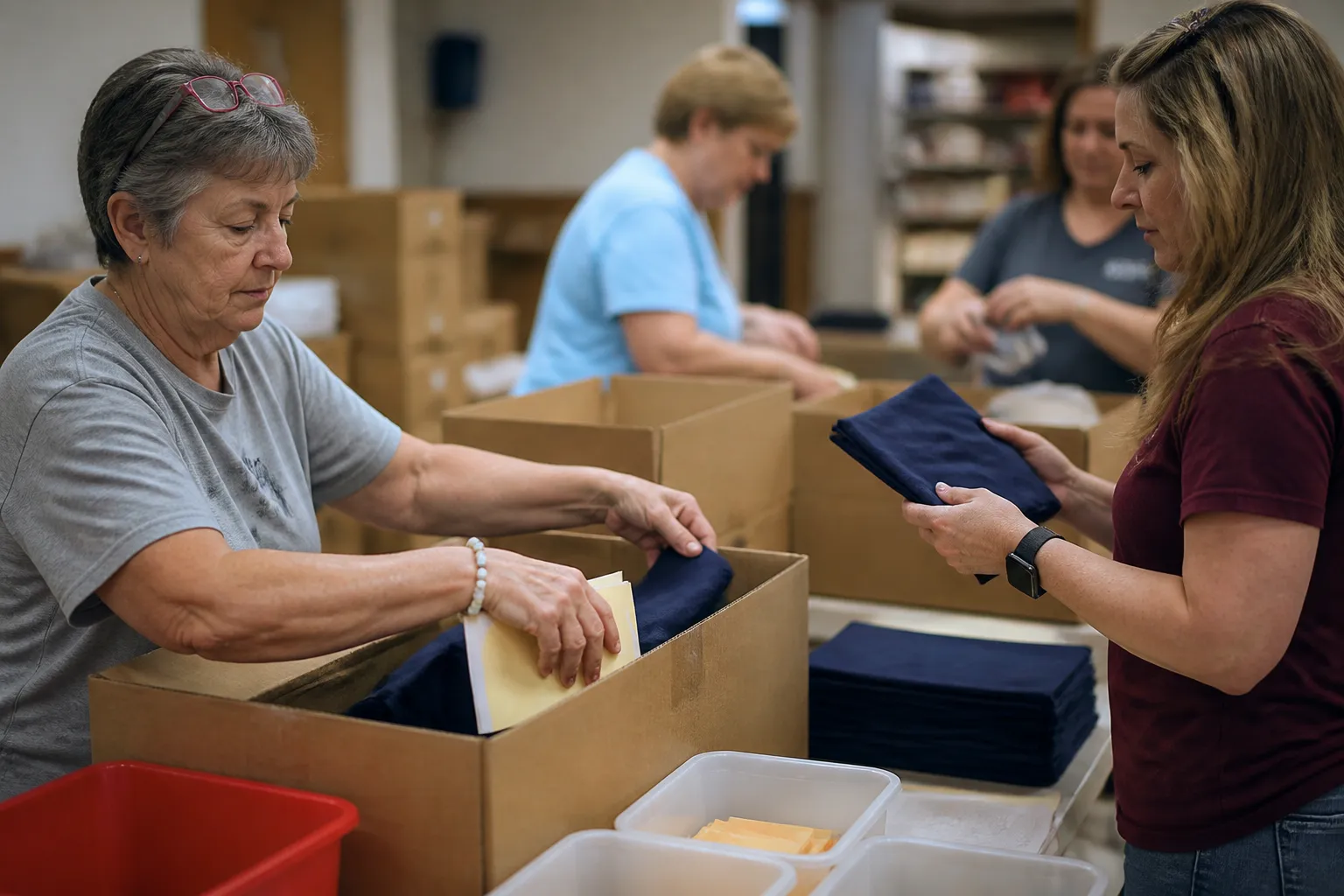
If Austin shows that long-haul support can work at scale, New Braunfels shows it does not require a giant operation to matter.
Founded in 2018 and based in New Braunfels, the chapter serves Comal, Guadalupe, and Bexar Counties in South Central Texas. Its profile lists three staff and 84 volunteers. That small team is enough to build a very real support system when the design is disciplined. New Braunfels Angels’ 2024 impact report says the chapter matched 25 Love Box groups with 100 kids. The same report says 27 youth were matched through Dare to Dream®, with 27 adult mentors trained and matched.
The outcome that stopped me is the caregiver number. According to New Braunfels Angels’ 2024 impact report, 80% of caregivers said the support they receive from the programs has directly helped them keep children stably in their home. That is exactly the kind of measure I want to see in foster-care support, one that shows whether the package-plus-relationship changed the stability equation inside the home.
I also take this chapter seriously because it is not pretending outputs are enough. New Braunfels publishes on placement stability, foster parent retention, and volunteer training in child-welfare knowledge, including TBRI® techniques. In other words, it is asking the right questions. Current needs sharpen the picture further. More than 100 children are still waiting to be matched with support, the chapter says. The chapter has figured out what helps. The issue is whether enough adults are willing to enter the calendar.
And again, the chapter does not reduce help to stuff. Yes, donations can fund personalized resources, foster home startup costs like car seats and strollers, and back-to-school shoes and snacks. Those are practical and necessary. But the organization’s own summary says the best thing it does is stay. That is the right boast.
How to help foster families in Texas with lasting support

If you want to support foster families in Texas, the lesson from these two chapters is pretty simple. Choose the work that still matters after the event tent comes down.
That can mean Love Box, where the commitment is at least one in-person connection each month with a matched family. It can mean Dare to Dream, where a young person ages 11 to 22 gets a mentor who meets with them regularly. It can also mean funding the unglamorous pieces that keep relationship-based programs moving. These include Austin’s grocery gift cards for children and families on the waitlist, program operations at the Foster Care Community Center, or New Braunfels’ grocery and gift cards for youth and families waiting to be matched.
My recommendation is straightforward. These organizations are persuasive because they put foster-care support on a dependable schedule. Austin has the larger Central Texas footprint and the deeper bench. New Braunfels offers the same model in a smaller South Central Texas chapter with more than 100 children still waiting for their people. Together, they make the same case from two different sizes of organization: what helps most is not a drop-off. It is a relationship with a next date on the calendar.
pick the role that requires you to return.
The best next move is to apply as a Love Box volunteer or Dare to Dream mentor with the chapter nearest you.
Frequently asked questions
- What do Love Box and Dare to Dream actually do for foster families and youth?
- Love Box matches volunteers or groups with foster and kinship families for monthly in-person support, personalized resources, and practical help. Dare to Dream matches mentors with youth and young adults in foster care ages 11 to 22; at Austin, mentors meet at least twice a month for a year.
- Where do Austin Angels and New Braunfels Angels operate?
- Austin Angels is based in Austin and serves Central Texas, with its Foster Care Community Center in Buda. New Braunfels Angels is based in New Braunfels and serves Comal, Guadalupe, and Bexar Counties in South Central Texas.
- Can foster or kinship caregivers ask these organizations for help directly?
- Yes. Austin says caregivers in foster or kinship families can request Love Box support, and youth ages 11 to 22 can be referred for Dare to Dream mentorship. New Braunfels says caregivers, CASA, or caseworkers can refer a family or young person through its request and referral forms.
- Do these programs just collect donations, or do volunteers build ongoing relationships?
- They are built around ongoing relationships. Love Box involves at least one in-person connection each month with a matched family, and Dare to Dream is one-to-one mentorship for foster youth and young adults.
- What is the biggest current need right now?
- Both chapters need people who can keep showing up. Austin lists grocery gift cards for children and families on the waitlist among its current needs, and New Braunfels says more than 100 children are still waiting to be matched while it also seeks Love Box volunteers, Dare to Dream mentors, and grocery or gift cards.
- austinangels.com ↗
- Transformations By Austin Angels’ mission is to walk alongside children, youth, and families in the foster care community by offering consistent support through intentional giving, relationship building, and mentorship.
- Austin Angels’ 2024 milestones report says Love Box served 117 families and 367 children, and Dare to Dream had 74 mentors.
- Austin Angels’ tagline centers on “Consistent relationships for children, youth, and families in foster care, from Love Box to Dare to Dream.”
- newbraunfelsangels.org ↗
- Transformations By New Braunfels Angels is based in New Braunfels and serves Comal, Guadalupe, and Bexar Counties in South Central Texas.
- New Braunfels Angels’ model includes Love Box® and Dare to Dream® programs for children, youth, and families in foster care, including youth ages 11 to 22.
- New Braunfels Angels’ first-party data says it matched 25 Love Box groups with 100 kids.
- austinangels.com ↗
- “Consistent relationships are the solution.” — the organization
- “The foster care system wasn’t built for belonging, but we are.” — the organization