
Just outside Houston, this mental health clubhouse made 97% of members say it matters
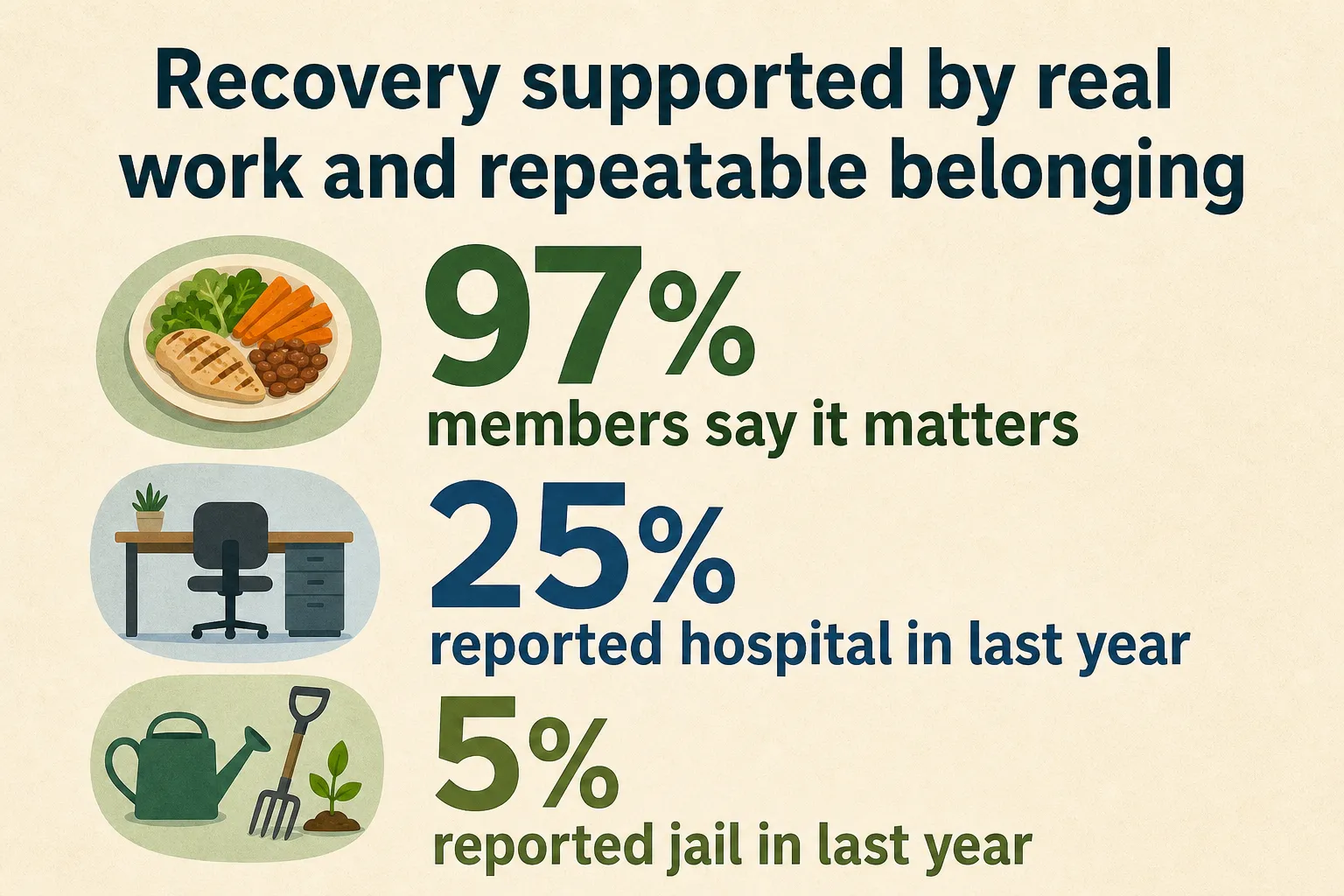
Hope Fort Bend Clubhouse is compelling for exactly the reason it does not look flashy. Recovery here is built through shared work, daily structure, and roles that matter. In Sugar Land, the organization reports that 97% of surveyed members said the clubhouse has been valuable — a result that makes a lot more sense once you see the mechanics.
The most interesting thing about Hope Fort Bend Clubhouse is that it refuses to romanticize mental health recovery. In Sugar Land, recovery might begin with breakfast prep, a clerical task, a computer station, a garden bed, or an outreach call. That sounds almost too ordinary until you realize how much of the mental-health conversation gets lost in abstraction. This place has a much better idea: do something real with other people today.
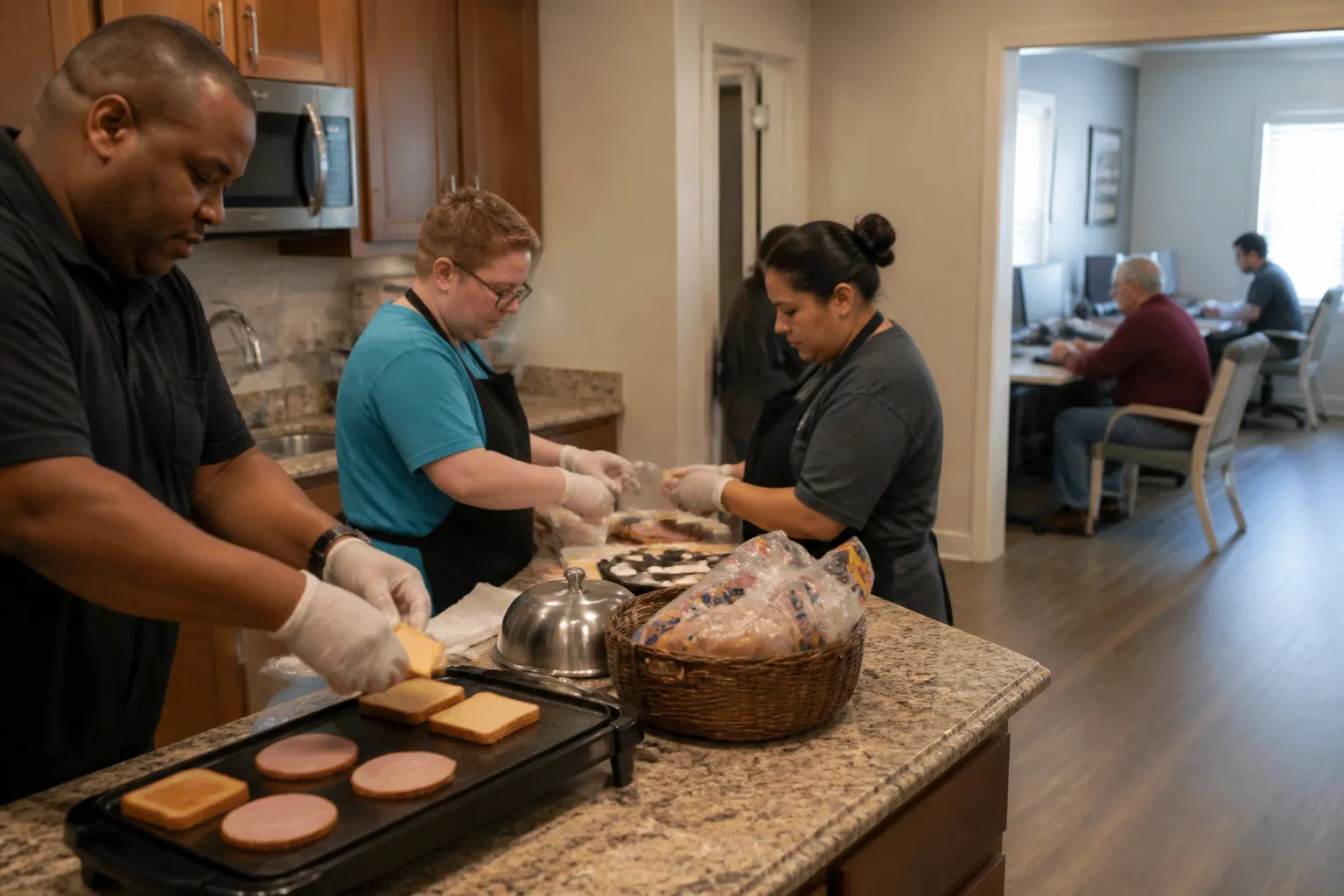
Hope Fort Bend Clubhouse was founded in 2017 and serves adults 18+ living with mental health challenges, including depression, anxiety, bipolar disorder and PTSD, as well as schizophrenia and other mental health conditions, in Sugar Land and nearby communities around Missouri City and Richmond. Its core program is the Work-Ordered Day Program, where members and staff work side by side in food services, clerical work, technology and wellness work, plus maintenance and transportation work, along with clubhouse operations. And according to the organization’s published impact data, 97% of surveyed members said being part of the clubhouse has been of value for them; the same share said being at the clubhouse has been a support.
That 97% matters. But what makes it interesting is the mechanism behind that percentage. The ordinary structure is the intervention. That distinction matters especially in a region where mental-health help can feel either clinical or out of reach. A clubhouse offers something rarer: a place people can return to, contribute to, and shape.
Hope Fort Bend is compelling because it treats recovery as a schedule people can build their day around.
Recovery at a Houston mental health clubhouse looks like a workday
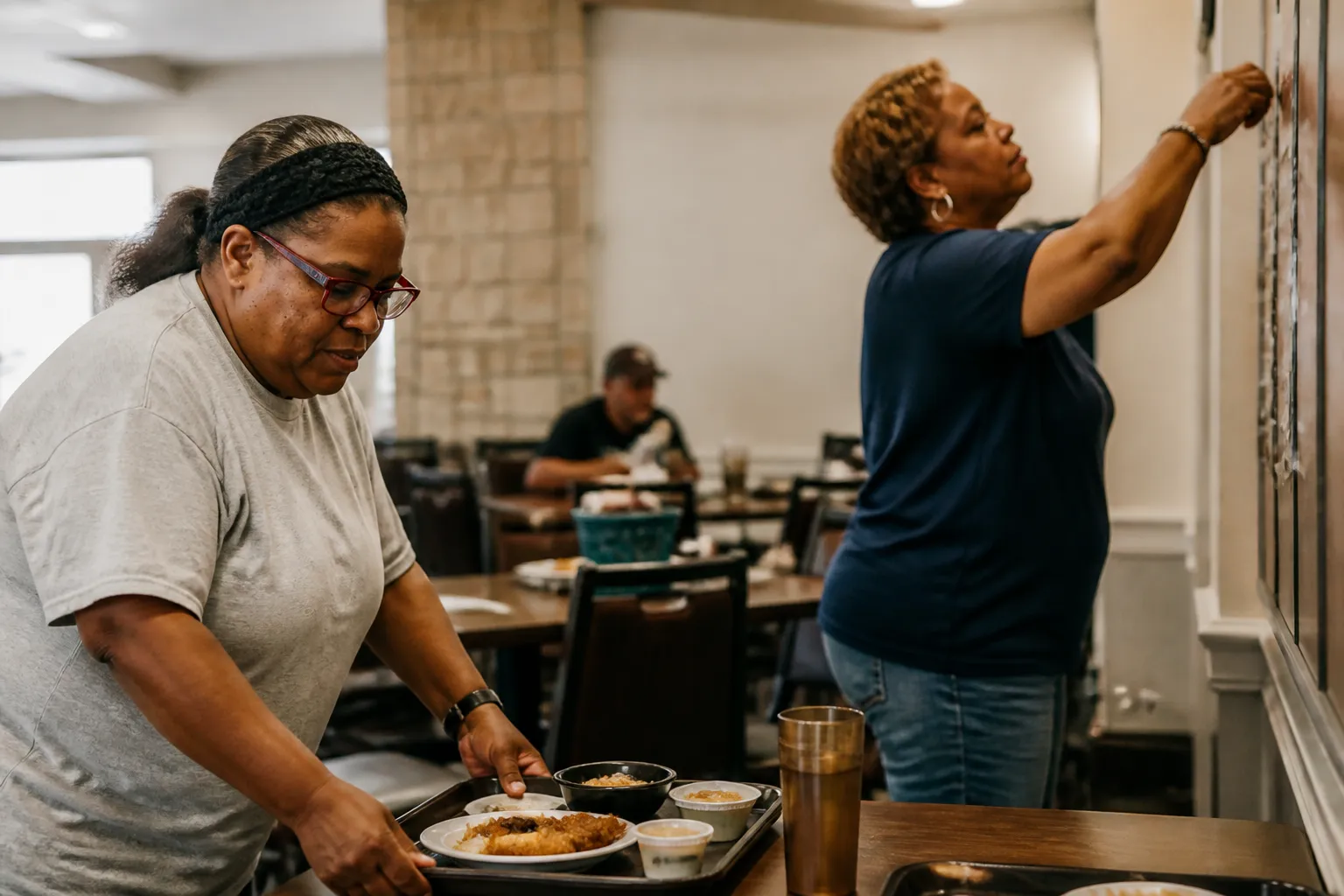
A lot of programs want to help people feel better. Fine. But feeling better is slippery; it can vanish by Tuesday afternoon. Hope Fort Bend Clubhouse builds something sturdier. The work-ordered day gives members a place to arrive, tasks that matter, and other people who are counting on the same day to hold together. Food services have to run. Clerical work has to get done. Technology and maintenance work have to get done, while transportation and wellness services have to run. The genius of the model is that recovery is tucked inside those responsibilities rather than staged off to the side.
The tasks are ordinary on purpose. Ordinary tasks give a day edges. They create reasons to show up before motivation performs its usual disappearing act.
That changes the emotional physics of the room. You are there to participate, with your work noticed and your contribution needed. There is a major difference between being told you belong and being needed to help prepare breakfast or lunch, handle office work, tend horticulture projects, or contribute to clubhouse operations. One is encouragement. The other is proof.
Hope Fort Bend’s accreditation by Clubhouse International is one of those quiet credibility markers donors should care about more than they usually do. It means this is a structured model with published standards behind it. It belongs to a model with published standards, and the structure shows. The day is organized around living and working together, giving members meaningful responsibilities throughout their time there. That is a far smarter use of charitable dollars than anything that confuses distraction with recovery.
And because members and staff work side by side, the model refuses the stale split between helper and helped. People are members of a place where their responsibilities and contributions are visible. That language reflects a different theory of recovery.
Kevin came for volunteering. That is the tell.
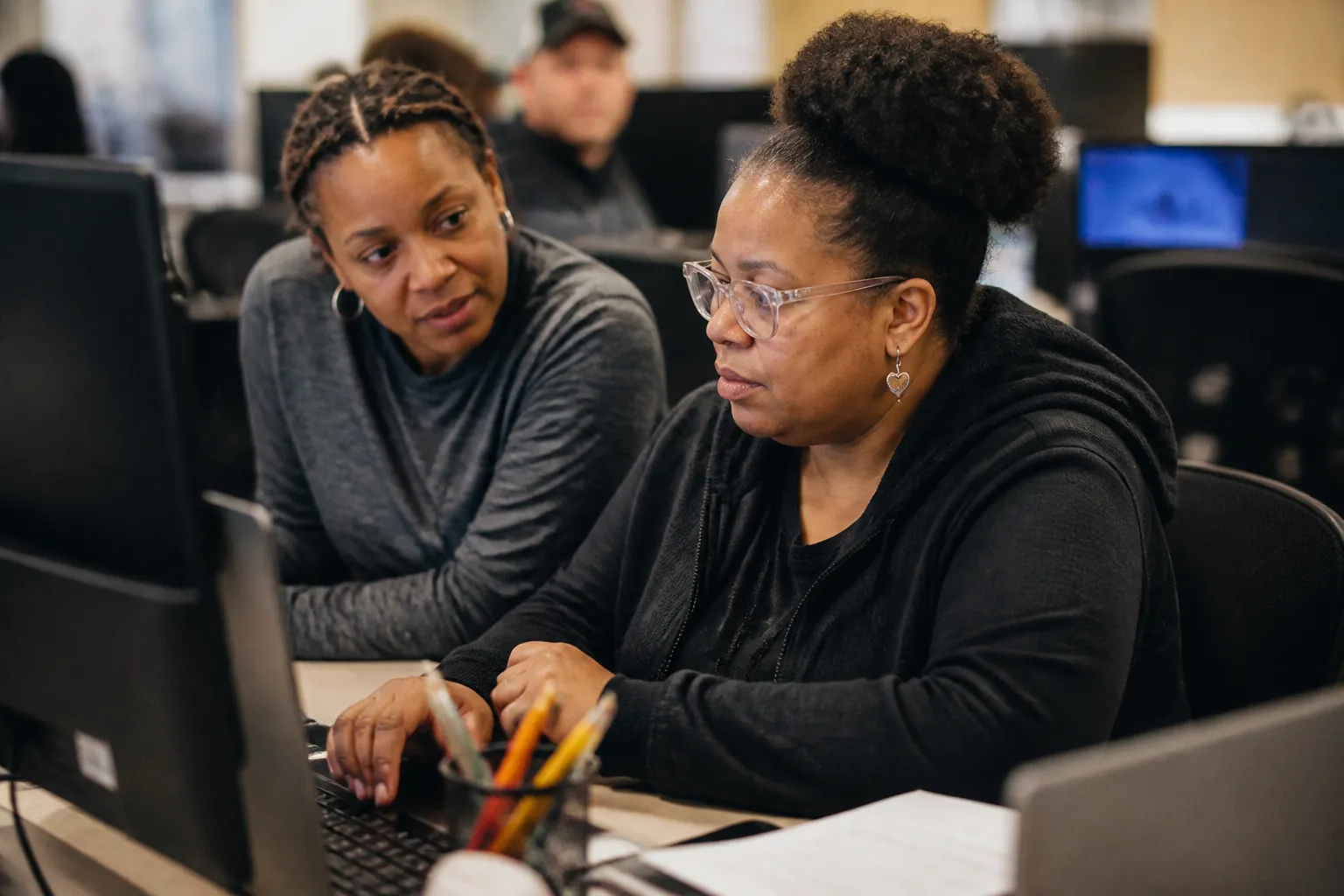
"My name is Kevin, I visited the Clubhouse seeking volunteering experience and improvement of my social skills." That line, from a member story the organization shares, gets to the heart of why the clubhouse model works. Kevin did not arrive asking for a vague burst of inspiration. He came for experience and social skills — in other words, for a way back into ordinary adult participation. The organization says that working on the computer improved his confidence. Of course it did. Confidence is often the residue of doing something concrete long enough to feel yourself getting better at it.
This is where Hope Fort Bend separates itself from programs that stop at warmth. Warmth matters; nobody thrives in a cold institution. But the clubhouse does not leave members there. Its employment services span transitional employment, supportive employment, and independent employment support, including job development, resume support, and employer partnerships. That ladder matters because recovery without a next step can become its own cul-de-sac. The clubhouse centers participation, then gives that participation somewhere to go.
The same practical intelligence runs through the education and skill-building side: GED support, financial literacy, computer training, tutoring, life skills, workforce readiness, culinary and horticulture training, along with office skills. Read that list slowly. It is the scaffolding of a more stable life. Too much mental-health rhetoric treats work as a stressor to be feared. Hope Fort Bend treats productive work as something many adults want access to again, with the right support around it. I think that is exactly right.
Get the weekly digest
New stories, new nonprofits, every Tuesday morning.
The door is open, and it stays open
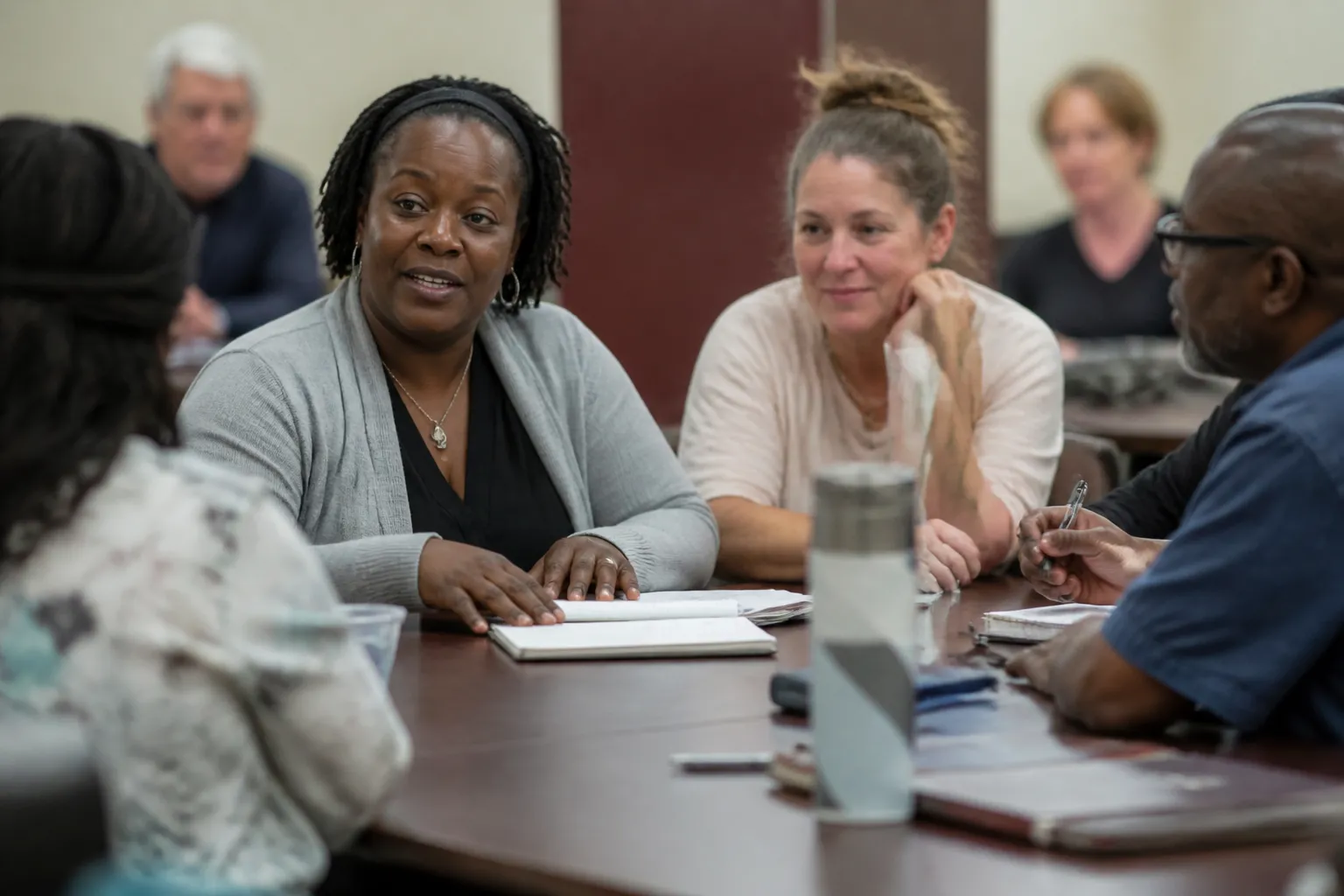
Mental health systems are notoriously good at making people earn their way into help. The process starts with a visit and a short plug-in, rather than a chain of intake steps and callbacks. Hope Fort Bend Clubhouse does something more humane. New members start by visiting the clubhouse and trying a short two-hour plug-in visit alongside members and staff. Membership is free. There are no contracts and no time limits. The absence of a time limit matters, too. It tells members the clubhouse remains available without a time limit.
For a field that so often confuses access with paperwork, that is a deliberate choice about how access should work.
Dua'a, another member, says it plainly: "The Clubhouse to me means a place where people can go to who have mental illness to get together and share their different experiences with each other."
The rest of her reflection matters too. The organization says Dua'a describes the clubhouse as a place where people share experiences and learn from one another. That connection is part of the real work. Hope Fort Bend’s programs include peer support and fitness activities, alongside recreation, with nutrition woven into breakfast and lunch preparation; gardening and horticulture; house and team meetings; social events; outreach calls and visits, with members also taking part in advocacy and volunteerism. In other words: the clubhouse is built to make connection repeatable, not accidental. For adults living with depression, anxiety, bipolar disorder, PTSD and schizophrenia, among other mental health conditions, that kind of repeatable, low-barrier belonging is infrastructure.
"The Clubhouse is a place that saved me while I was sick. It's a place to come and meet people and learn about life." — Derrick
That quote lands because it is unslick. No therapeutic jargon. No donor bait. Just the blunt truth that sometimes what steadies a life is not a dramatic breakthrough but a place to go, people to meet, and meaningful work to do.
Small operation, serious design
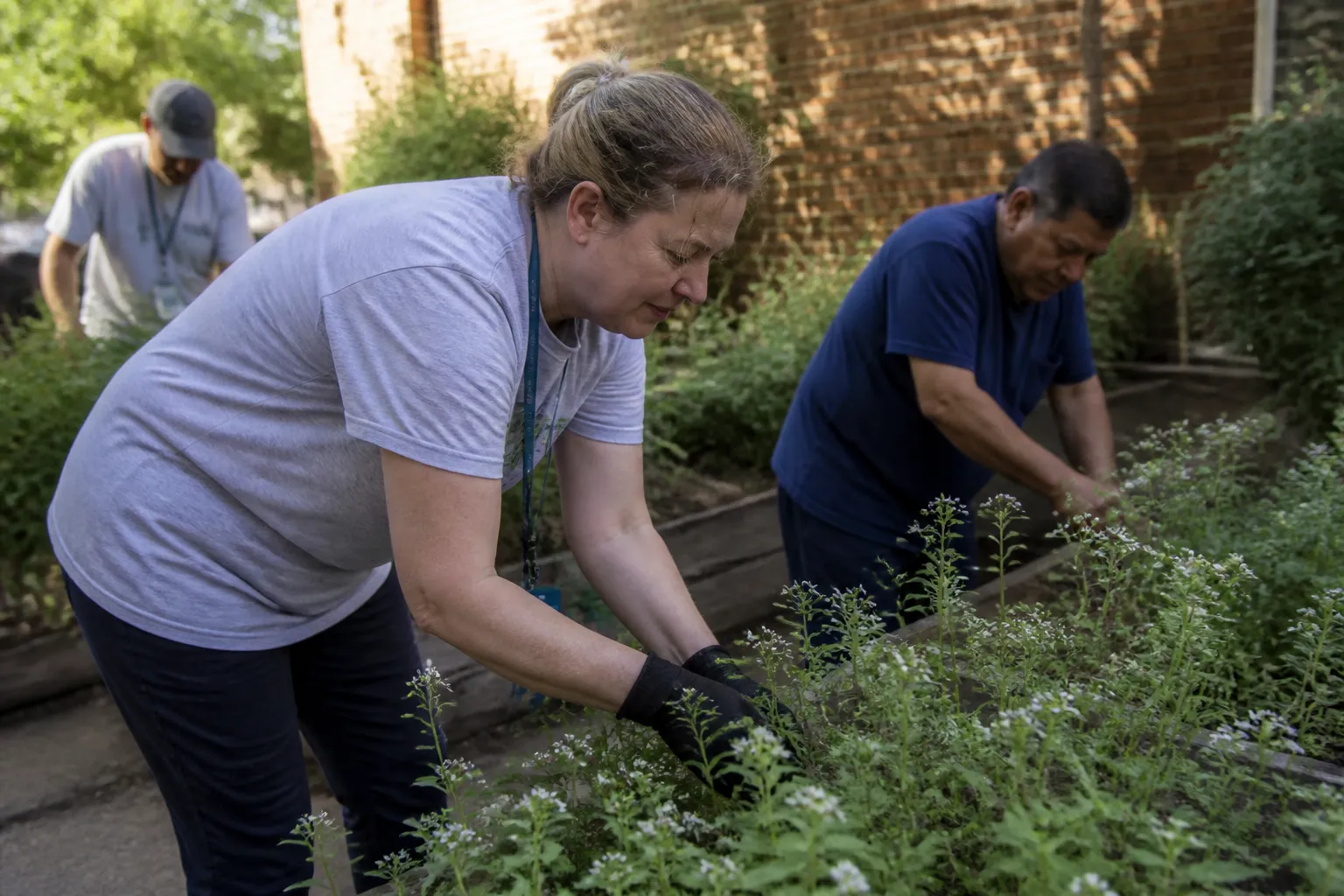
According to its IRS filing, Hope Fort Bend Clubhouse reported $320,000 in revenue, $327,000 in expenses, and $648,000 in assets. The organization lists 8 staff and 50 volunteers. I like seeing those numbers next to the program list because they tell you this is a local operation, founded in 2017, working to hold together the pieces that actually make recovery livable. Its mission language is unusually concrete: education, productive work, meaningful relationships, access to effective transportation, and safe housing.
There is a reason that matters for anyone deciding where to give. When an organization this small offers daily structure, employment pathways, education and wellness programs alongside community engagement under one roof, you are not paying for a brand halo. You are underwriting the unflashy machinery that makes people better connected and better equipped.
The organization’s published impact data adds another layer. Alongside the 97% figures on value and support, Hope Fort Bend reports that 25% of surveyed members said they had been in the hospital in the last year for mental health reasons, and 5% said they had been in jail in the last year. Read those numbers the right way. They do not make the work less impressive. They clarify the level of need the clubhouse is willing to meet without stripping people of dignity.
If you’re trying to support a mental health clubhouse near Houston, this is the sort of place worth getting specific about. Not because it has perfected a slogan, but because it has built a better Tuesday. Fund the ordinary parts on purpose: the work-ordered day, the employment and education support, the free first plug-in visit, and the staff time that lets members and staff keep showing up side by side.
Frequently asked questions
- What is a mental health clubhouse, and how does Hope Fort Bend Clubhouse work?
- Hope Fort Bend Clubhouse centers a Work-Ordered Day Program where members and staff work side by side in food services, clerical work, technology, wellness, maintenance and transportation alongside clubhouse operations. It pairs that daily structure with employment, education and wellness programs, alongside community engagement programs.
- Who can join Hope Fort Bend Clubhouse?
- The organization serves adults 18+ living with mental health challenges, including depression, anxiety, bipolar disorder, PTSD and schizophrenia, along with other mental health conditions. It says membership is free.
- Where is Hope Fort Bend Clubhouse located?
- Hope Fort Bend Clubhouse is based in Sugar Land, Texas; its service area includes nearby communities around Missouri City and Richmond.
- How do new members get started at Hope Fort Bend Clubhouse?
- The organization says new members begin by visiting the clubhouse and trying a short two-hour plug-in visit alongside members and staff. There are no contracts or time limits.
- Is Hope Fort Bend Clubhouse accredited?
- Yes. Hope Fort Bend Clubhouse is accredited by Clubhouse International.
- hopefortbendclubhouse.org ↗
- Hope Fort Bend Clubhouse was founded in 2017 and is based in Sugar Land, Texas.
- The clubhouse serves adults 18+ living with mental health challenges, including depression, anxiety, bipolar disorder, PTSD, schizophrenia, and other mental health conditions.
- Its Work-Ordered Day Program has members and staff working side by side in food services and clerical work.
- Its programs include transitional, supportive, and independent employment services, plus education and skill-building such as GED support, financial literacy, computer training, tutoring, and life skills.
- Hope Fort Bend Clubhouse’s service area includes communities around Missouri City and Richmond, Texas.