
Omaha Has a Smart Place to Donate the Bike in Your Garage
The right place to donate a bike in Omaha is the one that treats it like transportation infrastructure, not castoff gear. Community Bicycle Shop of Omaha turns used bikes into mobility, repair access, and actual ownership.
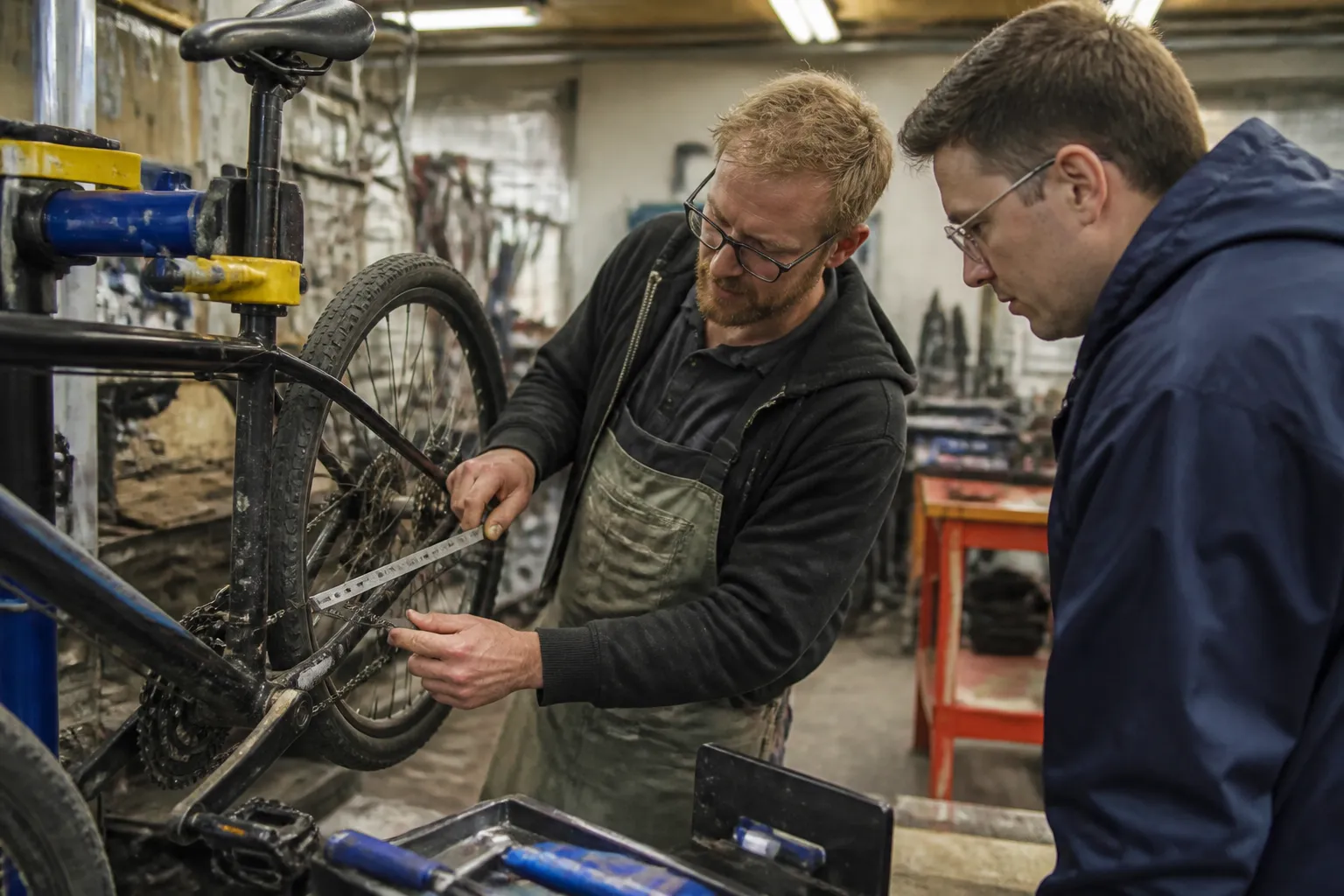
At one workbench in Omaha, Benjamin showed a visitor how to measure a bicycle chain that had spent ten years slowly stretching itself toward failure. Then he showed them how to replace it and finish the job with the right tool. If you're searching where to donate bikes in Omaha, start with that bench.
Because the smartest bike donation determines whether somebody else ends up with transportation they can actually keep on the road.
Community Bicycle Shop of Omaha is worth your attention for one reason above all: it treats a donated bike as the beginning of a system, not the end of a cleanup project. Since 2007, the organization has been built around a sharper idea than simple redistribution. A bicycle is only useful if the rider can get one, maintain one, and ride one safely without getting priced out at every step. This shop works on all three.
Where to donate bikes in Omaha if you want the bike to matter
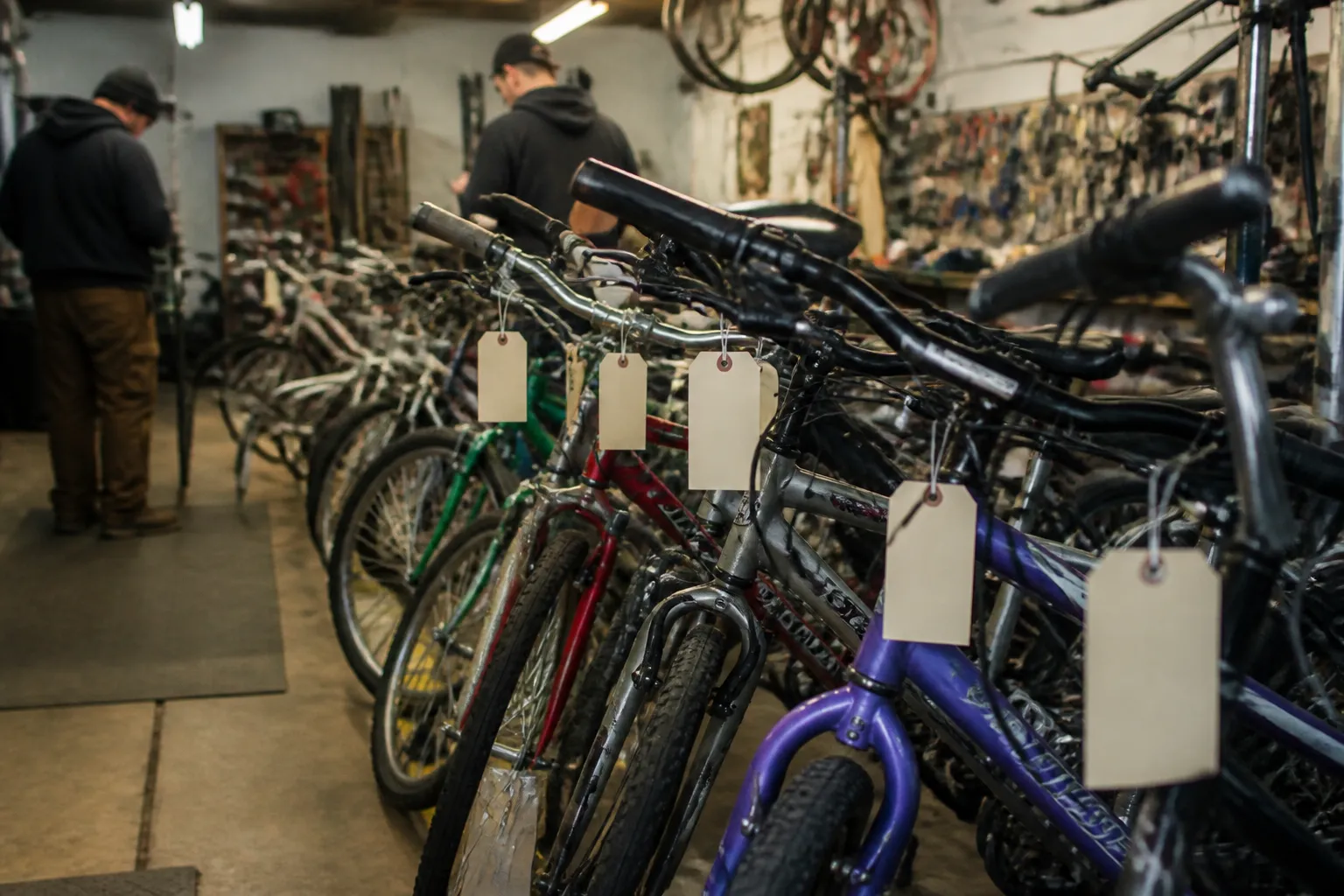
I am always more impressed by organizations that solve both problems. Handing someone a bike is the first problem. The second problem is the one that strands people: the flat tire, the worn chain, the missing lock, the repair bill that turns a free bike into an expensive headache. Community Bicycle Shop of Omaha understands that the failure point is maintenance.
Its mission is explicit: connect Omahans in need with bicycles to own, the space and tools to maintain their bikes, and the skills and knowledge to independently repair and safely ride them. It connects donated bikes to the shop's repair space and guidance.
The organization began in 2007 when volunteers and activists created an open shop where people could come in and work on their bike for free. That origin story matters because the DNA is still visible. This is a year-round, staff-run, volunteer-supported place where people show up, learn, ask questions, and leave a little more capable than they were when they walked in.
A rider who comes in for the DIY Repair Shop can use the space, five complete workbenches, and volunteer mechanic guidance at no cost. From there, Earn-A-Bike runs year-round adult classes and seasonal youth classes, with a refurbished bicycle and the gear needed to ride it safely, plus maintenance instruction at the end. Welcome Bikes provides a no-cost bike option for new U.S. residents in need, depending on inventory. Free Bike Fridays do something similarly direct for people 16 and older on Friday nights in June and July, depending on inventory.
Notice what Earn-A-Bike bundles together: a refurbished bicycle and the basic gear to ride it, plus instruction. That is a small but revealing choice. This shop has the good sense to build the whole starter kit.
The through-line is the point: ownership plus upkeep.
The wrench matters as much as the wheels
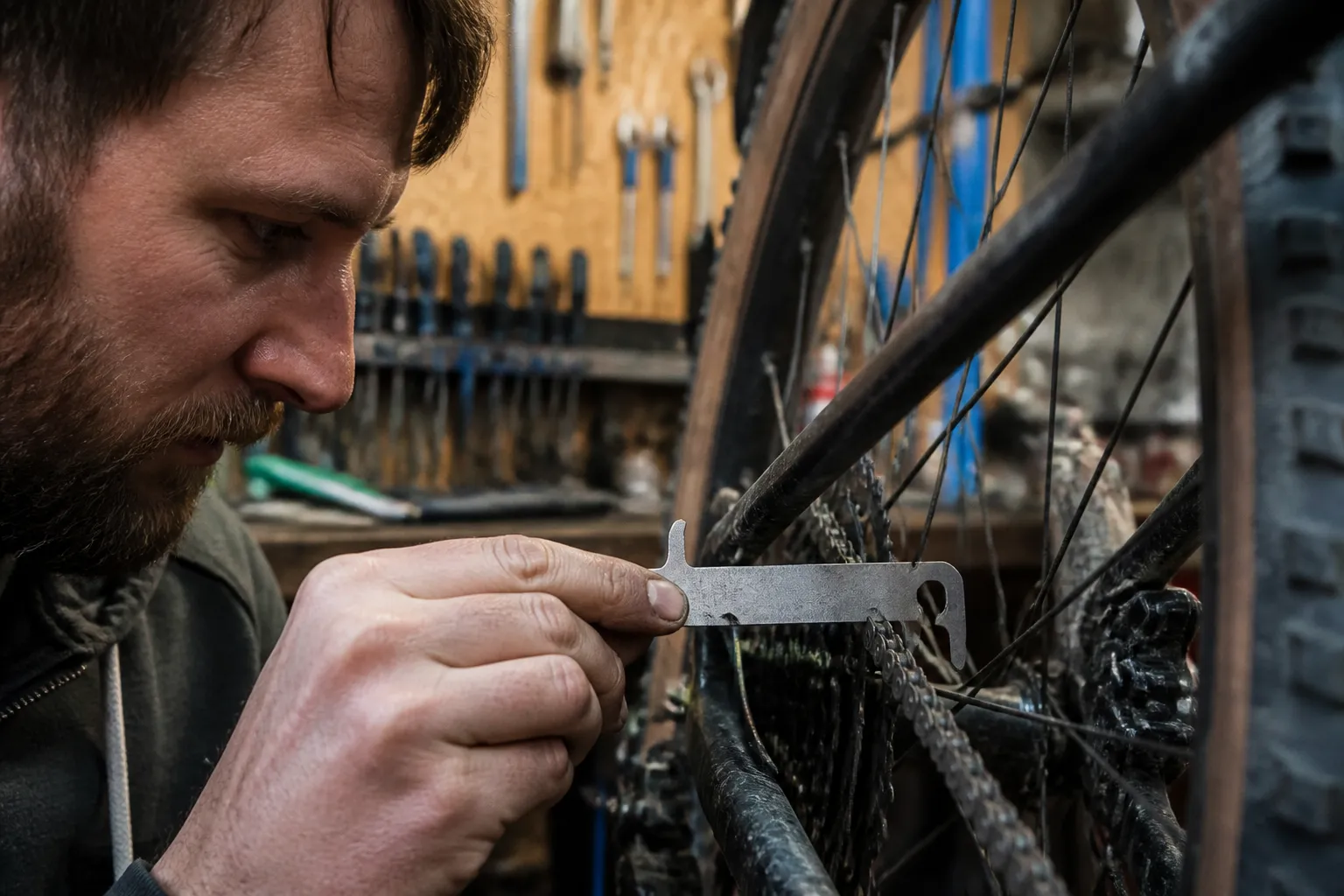
If you want one story that explains why donating here is smarter than dropping a bike at the nearest collection point, go back to that chain.
A visitor came in with a problem that could have been dismissed as routine. Instead, Benjamin walked them through measuring a stretched chain, replacing it, and finishing the repair with a special tool. Donors should care about that level of attention. A donated bike is valuable, yes. A donated bike paired with the confidence to fix the next problem is vastly more valuable.
This is the piece the broader donation conversation usually skips. Transportation is an ongoing system that depends on regular maintenance and the knowledge to handle it.
Community Bicycle Shop of Omaha builds that system in public, at the bench, with volunteers nearby and tools within reach.
The DIY model gives riders control over the thing that gets them across town by teaching them how to maintain it. For donor intent, that matters. Gifts here are used in a way that builds independence instead of ending at a handoff.
There is a reason the shop's best program list starts with repair access, not giveaways. Five workbenches may sound modest on paper. In practice, they signal something serious: the organization is investing in repeat use, not one-off transactions. The tools stay. The knowledge stays. Ideally, the rider stays rolling.
Get the weekly digest
New stories, new nonprofits, every Tuesday morning.
That is why a bike donation here has real leverage. Your old bike can become a refurbished bike for someone who needs transportation. It can also become teaching material for the next rider learning maintenance. In a good community shop, inventory and education are not separate tracks. They feed each other.
This is a living neighborhood shop, not a dead-end donation bin
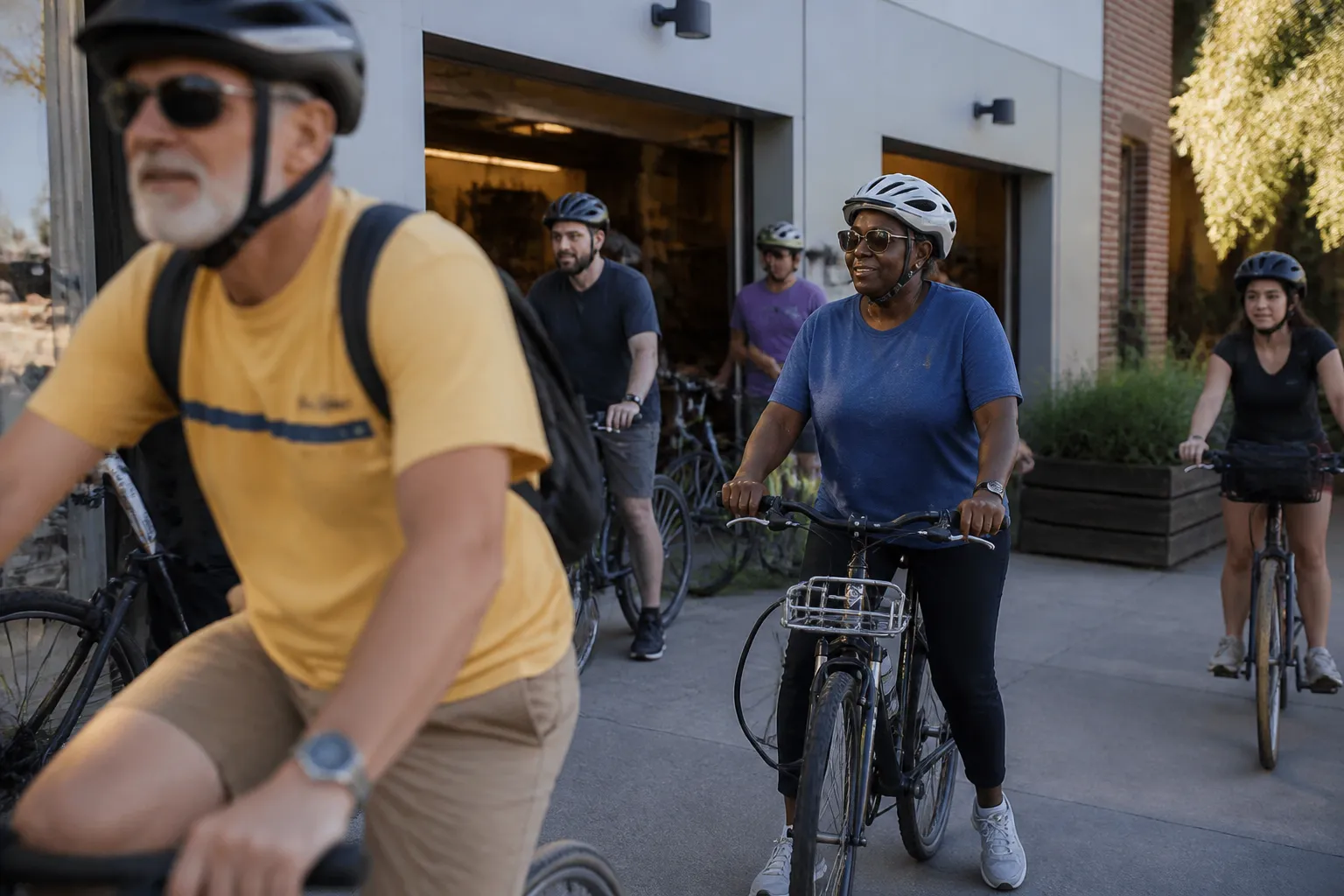
The other thing I like here is the rhythm. Active community spaces have a pulse, and this one does.
WTF Wrench Night happens every third Friday of the month, creating space for people who identify as Women, Trans, Femme, or Non-Binary to learn bike maintenance. Sunday Funday Ride goes out on the last Sunday of every month as an all-ages slow ride that meets at the shop and heads into town together. They show the shop is active, with regular ways for people to show up and learn. They tell you the shop is operating as a civic place, not merely processing donations behind a counter.
Recurring public events matter because they keep the shop legible to the city. People know when to show up. New riders can see other riders. Volunteers have a regular on-ramp. Donations do not disappear into a back room; they circulate through a place with habits.
The same is true of the program mix. Earn-A-Bike runs year-round for adults and seasonally for youth. Welcome Bikes makes room for new U.S. residents who need no-cost access to transportation. Free Bike Fridays turn summer evenings into a direct line between donated inventory and people 16 and older who need a way to get around when inventory allows.
For a small local nonprofit, the scale is also worth noticing. IRS figures list $79K in revenue, $77K in expenses, and $179K in assets. I would not call that flashy. I would call it evidence of a lean shop doing a lot with relatively little, which frankly makes the steady cadence of programs, shop hours, and public events more impressive.
This is where the data and the vibe line up. The numbers say modest local organization. The programming says deeply used public resource. That combination is exactly what many donors miss.
What to donate and what kind of help actually moves the needle
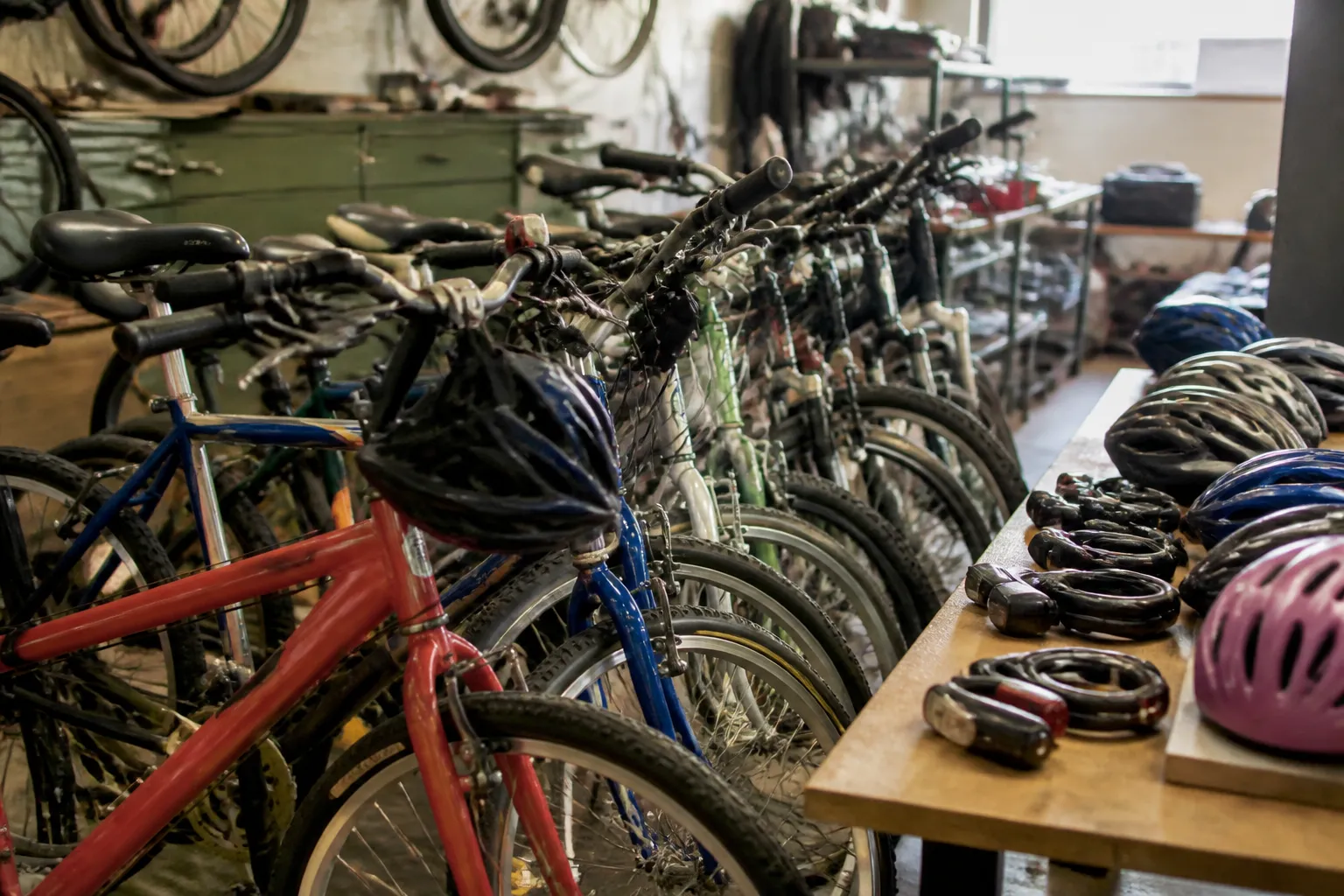
If you have been meaning to do something with the bike in your garage, the answer is refreshingly straightforward. Community Bicycle Shop of Omaha currently needs used bicycles, bike parts and accessories, financial gifts, and volunteer help at the shop. The smart move is to match what you have to what the shop actually uses.
| What you can give | What it supports at Community Bicycle Shop of Omaha |
|---|---|
| Used bicycles | Refurbished bicycles for Omahans in need and inventory for low- or no-cost bike access programs |
| Bike parts and accessories | Repairs, redistribution, and practical gear such as helmets, locks, and lights |
| Financial gifts | Tools, workbenches, equipment, bike safety and maintenance education, and redistribution supplies |
| Volunteer time | Mechanic guidance, skill-sharing, and help during open repair hours, programs, and events |
If you do not have a bike to give, your contribution can still help the shop keep bicycles moving. A bench, tool, helmet, lock, or light can help turn a bicycle into durable transportation.
A few donor notes, since this is where people overcomplicate things. First, a used bike here can become transportation, class material, repair practice, or redistributed equipment. Second, cash is not the boring option. At a shop built around repair benches and practical safety gear, financial gifts keep the whole operation useful. Third, if you know your way around a repair stand, volunteer help is unusually high-value because this organization teaches by doing.
And if you are reading this because you need help rather than because you want to donate, the paths are practical. The DIY Repair Shop is first-come during open hours. For Earn-A-Bike, people can contact the shop to get on the schedule.
There is a lot of charitable language that makes basic things sound mystical. This does not require mysticism. A bicycle can mean getting to work, getting to school, or simply moving through a city with more freedom and less expense. Community Bicycle Shop of Omaha gets that, and it has organized itself accordingly.
If you want your donation to do more than clear floor space, give the bike in your garage, or a few volunteer repair hours, to the shop that treats mobility as something people should be able to own and maintain.
Frequently asked questions
- Where can I donate a used bike in Omaha so it helps with transportation?
- Community Bicycle Shop of Omaha accepts used bicycles, bike parts and accessories, financial gifts, and volunteer help. Its programs refurbish bikes for Omahans in need and pair bike access with repair tools and instruction.
- What does Community Bicycle Shop of Omaha do besides collect bikes?
- It runs a first-come DIY Repair Shop with five complete workbenches and volunteer mechanic guidance, year-round adult and seasonal youth Earn-A-Bike classes, Welcome Bikes for new U.S. residents in need, and Free Bike Fridays in June and July depending on inventory.
- Who can get help from the DIY Repair Shop or Earn-A-Bike?
- The shop serves Omahans of all ages, especially people needing low- or no-cost bicycles, repair tools, or cycling education. The DIY Repair Shop is first-come during open hours, and people can contact the shop to get on the Earn-A-Bike schedule.
- Is there a bike program in Omaha for new U.S. residents?
- Welcome Bikes offers a no-cost bike option for new U.S. residents in need, available from the shop depending on inventory.
- Can I volunteer if I know bike repair?
- Community Bicycle Shop of Omaha needs volunteer mechanics who can assist with repairs, answer questions, teach skills, and help during open repair hours and other shop programs.
- communitybikeproject.org ↗
- Community Bike Project of Omaha’s mission is to connect Omahans in need with bicycles to own, space and tools to maintain them, and the skills and knowledge to repair and safely ride them independently.
- Founded in 2007 by volunteers and activists, the organization began as an open shop where people could work on their bicycles for free.
- Its DIY Repair Shop is a first-come, open-shop model that provides access to five workbenches, tools, and volunteer mechanic guidance without the usual price barrier.
- The Earn-A-Bike program offers year-round adult classes and seasonal youth classes, with participants receiving a bicycle, helmet, lock, and practical repair skills.
- Welcome Bikes provides a no-cost bicycle option for new U.S. residents in need.
- communitybikeproject.org ↗
- “Community Bike Project of Omaha directly connects Omahans in need with bicycles to own, the space and tools to maintain their bikes, and the skills and knowledge to independently repair and safely ride their bikes.” — Community Bike Project of Omaha