
3 Omaha Immigrant Charities Where $300 Can Clear a Barrier
One Omaha teen’s adjustment-of-status case hinged on a $300 immigration physical exam. That is the point of this guide. The smartest immigrant giving in Omaha backs the exact barrier an organization is built to remove.
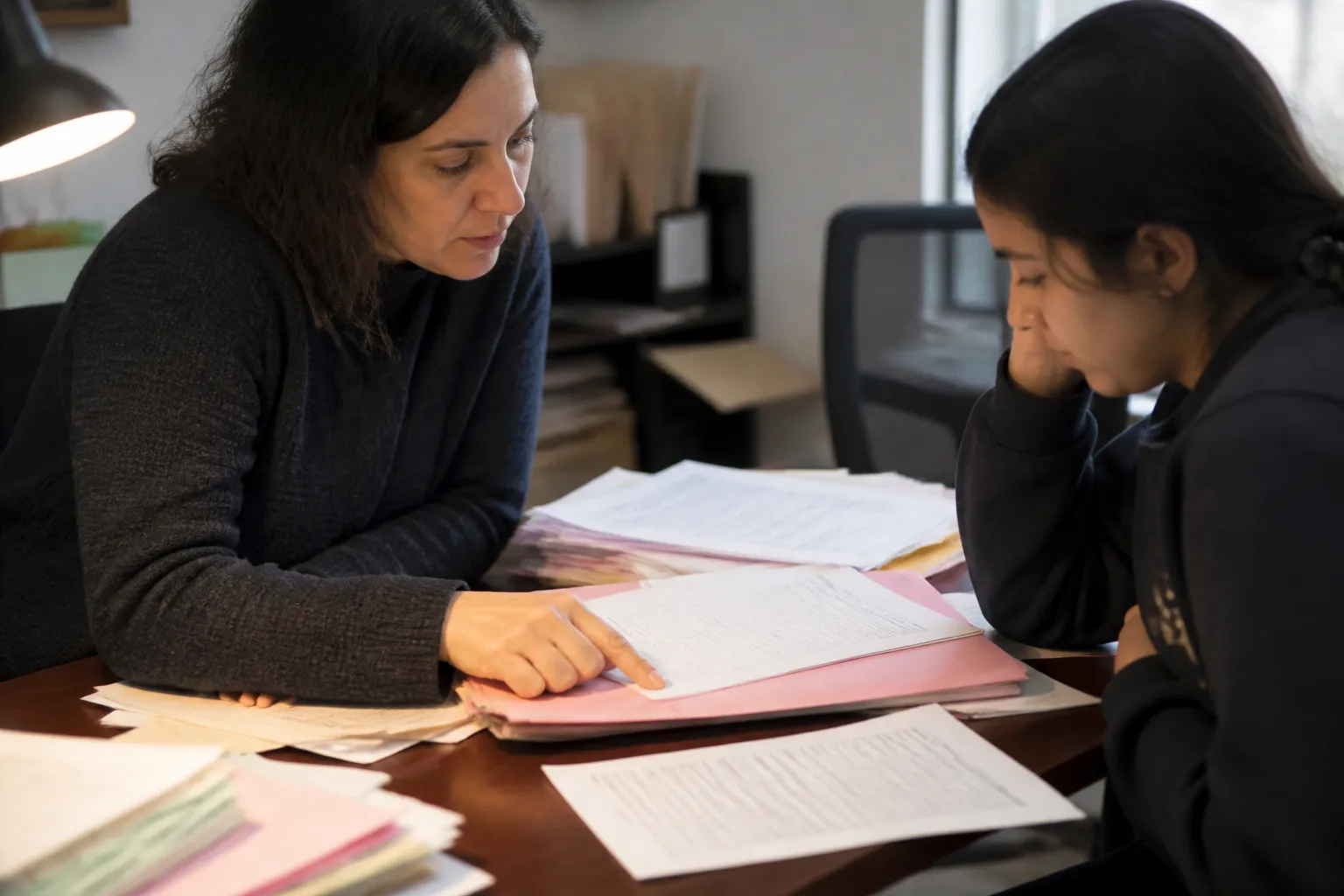
A social worker at Immigrant Legal Center wasn’t looking for a sweeping policy solution. She needed $300.
The bill was for an immigration physical exam, required for a minor client’s adjustment of status case. Omaha Area Sanctuary Network stepped in and covered it. That $300 paid for a required exam and made the adjustment of status case possible. And if you’re searching for the best refugee and immigrant charities in Omaha, that little $300 detail is the place to start.
Immigrant support gets flattened into one soft, vague category way too often, even though it takes different forms. The barrier may be a required medical exam. A court date may be one no one should face alone. In other cases, it is the slower, more exhausting pileup of tasks that can include immigration paperwork, a job search, school support, mental health, a bag of fresh food, and a stack of mail you cannot read yet. The smartest intervention may be an English lesson at your own kitchen table rather than another class across town.
These three Omaha nonprofits are worth your attention precisely because they are not interchangeable. Each organization has a distinct role. One covers emergency gaps, another supports steady integration, and the third focuses on language access and family navigation at home. Together, they make a genuinely useful donor trio that maps the real shape of welcome.
The best refugee and immigrant charities in Omaha each solve a different problem
| If the barrier is… | Pay attention to… | Why it stands out |
|---|---|---|
| A deadline-driven immigration cost or a court-day emergency | Omaha Area Sanctuary Network | It funds urgent needs fast and shows up for Immigration Court accompaniment. |
| The long, messy work of building a life in Omaha | Omaha Center For Refugee & Immigrant Services | It combines case management, legal help, employment services, youth support, and mental health resources. |
| English, translation, and everyday systems inside the home | Nebraska Afghan Community Center | It pairs volunteers with families for in-home ESL and helps with mail, benefits, medical appointments, and translation in Dari and Pashto. |
Omaha has organizations doing both, and they deserve donors who notice the difference.
The point is not to rank them like a best-of list, but to match your gift to the obstacle in front of someone right now or to the long middle stretch after arrival.
For the bill that cannot wait: Omaha Area Sanctuary Network
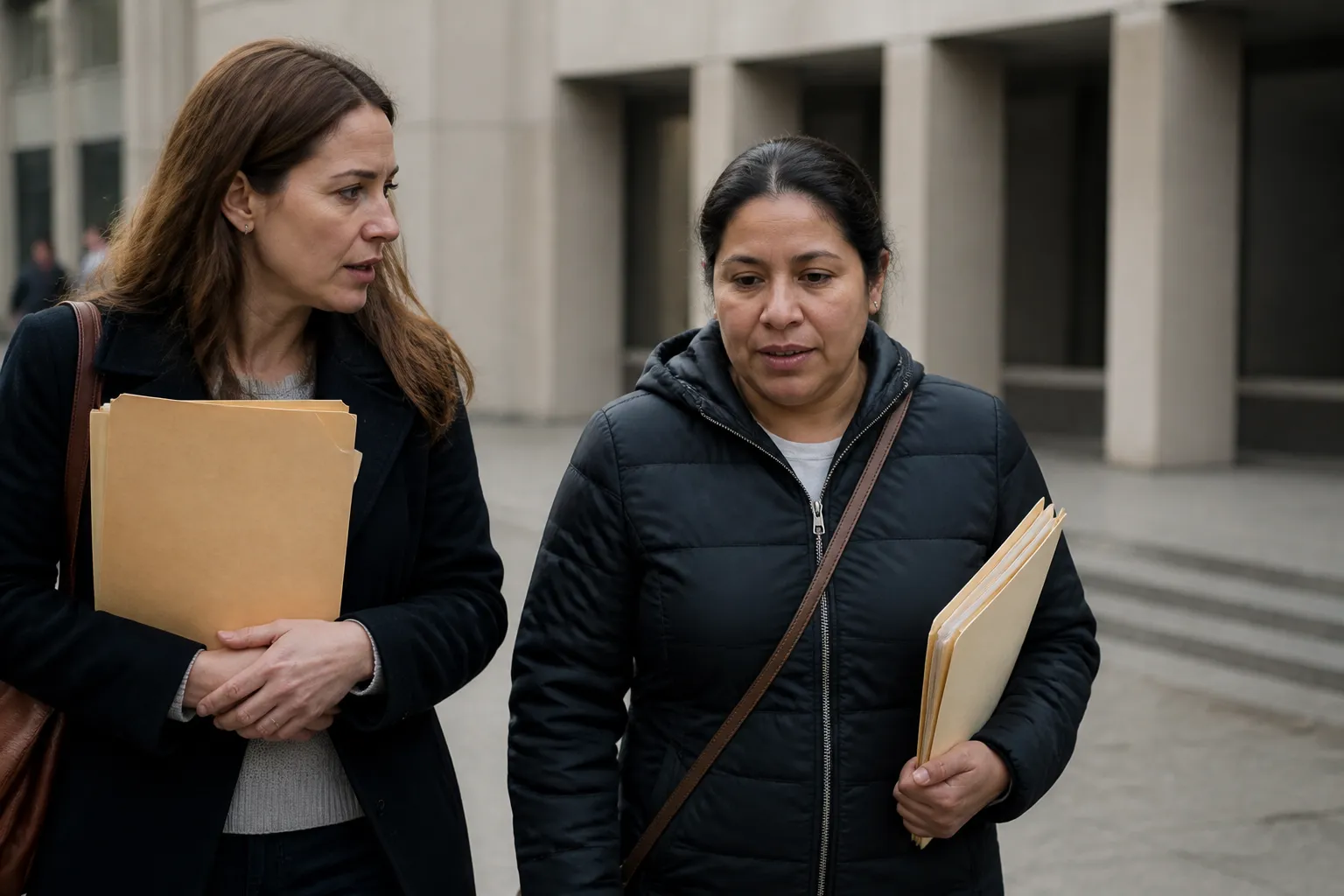
Omaha Area Sanctuary Network has a refreshingly unsentimental understanding of crisis. It knows that the thing holding a case up can cost $300. That amount can be massive to the person who has to pay it by a deadline.
That is why the $300 immigration physical story lands so hard. A minor client needed the exam to meet adjustment of status requirements, so a social worker asked for help and OASN funded it, making the required exam possible. This is the kind of giving donors routinely underestimate because the number looks small. Compared with a donor dinner tab, $300 may look small; to a child whose paperwork stops without it, absolutely not.
The barrier is concrete: a required exam and a $300 invoice.
OASN works in that precise lane, offering emergency funding for rapid action needs, immigration physical exam assistance, GED and English language class assistance, and mental health therapy assistance. It also provides Immigration Court accompaniment, which matters for a reason many people with stable paperwork never have to think about: showing up counts, and showing up alone is its own kind of burden.
The organization says its work is designed so “no one is left without the basic necessities,” and that gets at what is strong here. OASN has a focused role. It helps people when the clock is suddenly loud. For donors, that clarity matters when they care about urgent, concrete barriers, from the fee and class cost to the therapy bill and hearing day, because this is where their money has a clean line to the problem.
It is also a place for people who want to give time as presence alongside dollars. OASN invites community members to attend Immigration Court hearings as accompaniment. That presence is a practical act of solidarity attached to a specific moment when someone needs it.
For the long middle after arrival: Omaha Center For Refugee & Immigrant Services
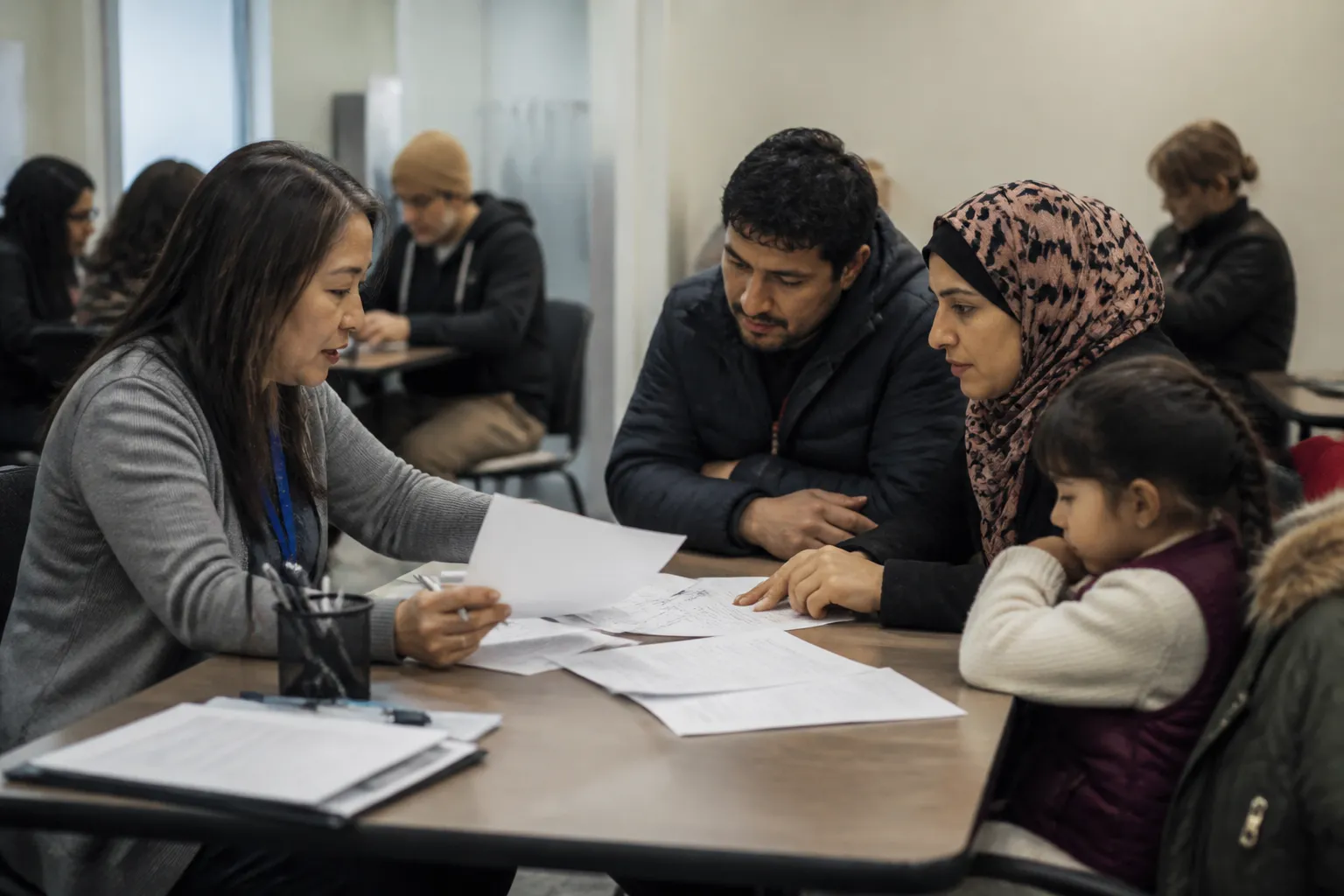
The seduction of charity writing is that it loves a single problem. The needs can include housing, jobs, legal help, and youth mentoring. Real life, unfortunately, is not that tidy. Omaha Center For Refugee & Immigrant Services, or OCRISI, is impressive because it acts like it knows this.
On its website, OCRISI says its mission is to “empower and support refugees and immigrants in their journey toward successful integration, self-sufficiency, and community engagement.” The key word there is journey. The work is a journey rather than a crisis response or one-off assistance. That means the work has to hold across multiple systems and multiple months.
Get the weekly digest
New stories, new nonprofits, every Tuesday morning.
So OCRISI does not stop at a single service lane. Case management includes needs assessments, individualized support plans, service coordination, and ongoing advocacy. Immigration and legal services cover immigration matters, asylum applications, and refugee status determination. Employment services include resume help, job search support, interview preparation, job placement, employer connections, vocational training, and skill development. Youth programs and mental health supports round out the work.
That is a lot, yes, and it is also exactly right. The organization’s own summary makes the point beautifully. At OCRISI, help can look like immigration paperwork, a job search, or a bag of fresh food, all in the same week. That sentence contains a whole theory of resettlement. People do not arrive in neat categories. Their needs do not take turns. An organization that can move among those needs without making families start over every time is doing sophisticated work, whether or not it uses the word sophisticated.
For donors, OCRISI is the pick if your instinct is to fund the infrastructure of belonging. Not the headline-grabbing emergency, but the steady hand that helps turn arrival into stability. Donations support case management and advocacy, immigration and legal services, employment services and vocational training, and youth programs and mentoring. That is the part after the welcome speech, when the real work starts.
For language access that actually reaches the house: Nebraska Afghan Community Center
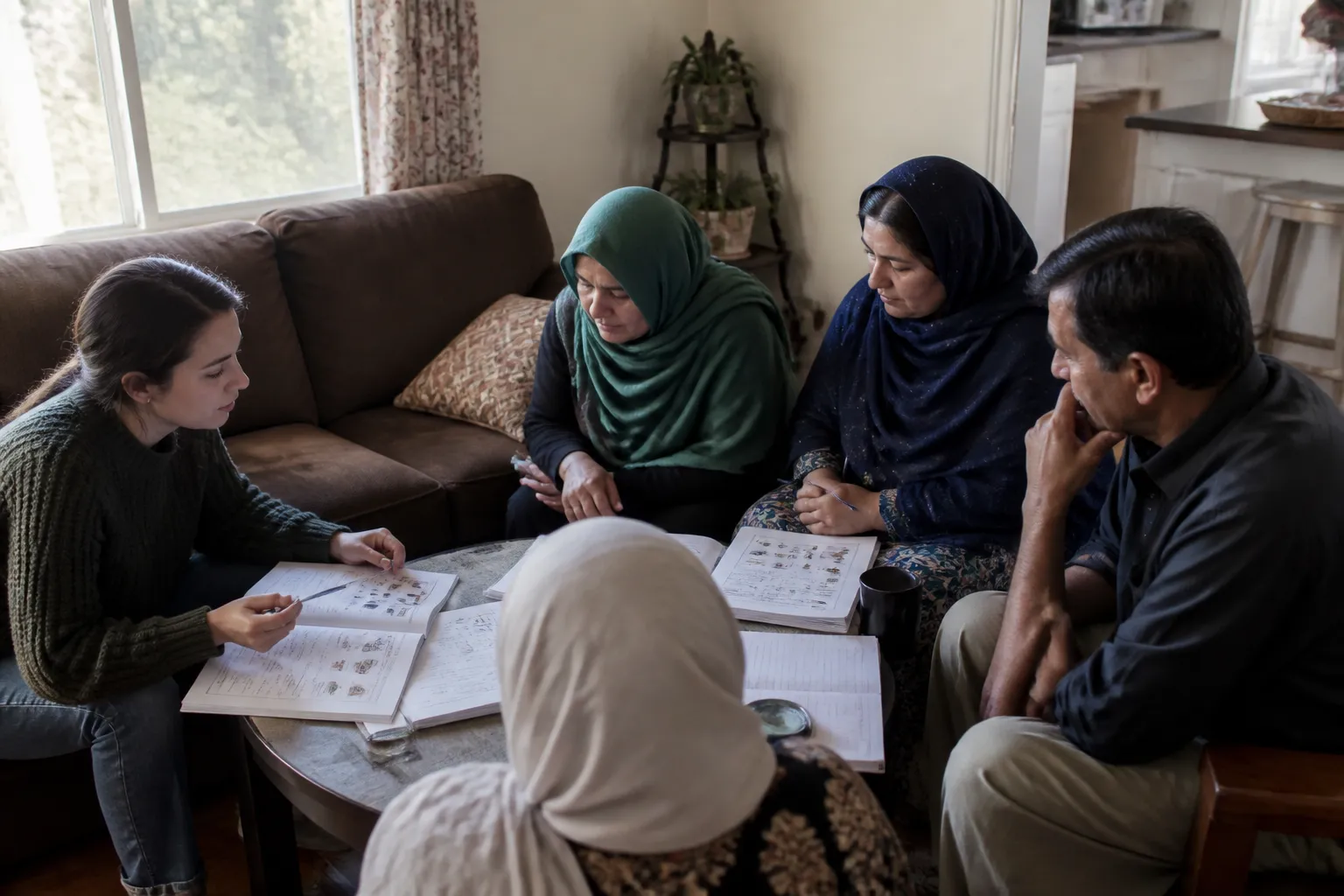
Here is the smartest thing Nebraska Afghan Community Center does: it does not assume the family needing English instruction is best served by being told to come somewhere else.
NACC’s English Language Training program is in-home ESL. Volunteer instructors are recruited, trained, and matched with Afghan families to teach English at home. I love this approach because it respects the realities that derail so many well-meaning programs: transportation, childcare, unfamiliarity, exhaustion, the low-grade chaos of starting over. If the lesson happens in the home, one whole layer of friction disappears before class even begins.
And NACC does not stop at language drills. The same organization helps families read mail in Dari and Pashto, translate and interpret documents, apply for public benefits, handle change-of-address forms, schedule medical appointments, and make sense of medical bills. It supports health and medical navigation, transportation and mobility, and community integration events. Families can visit during walk-in hours on Thursday and Friday from 10:00 am to 2:00 pm for help with translation, document interpretation, benefits applications, and mail reading.
The origin story explains the urgency. NACC was established on March 17, 2021. After the Afghan government’s fall in August 2021 and the arrival of many Afghan families in Omaha and Lincoln, community leaders built a grassroots support network and turned it into a more strategic, sustainable nonprofit. That DNA still shows. This is practical help with community muscle.
The numbers back it up without overwhelming the story. NACC reports teaching 100+ Afghan community members English through its in-home ESL program and assisting 500+ individuals with housing, employment applications, and benefit applications. It lists active community programming too, including Afghan-American Integration Day 2025 and a NACC Graduation Ceremony, and says its indoor cricket tournament in winter 2022 drew more than 200 participants over one month. That matters more than it may sound on paper. Integration includes forms and appointments, along with whether people find each other, celebrate, play, and feel less isolated in a new place.
NACC currently needs volunteer instructors for in-home ESL, Pashto, Dari, and Farsi interpreters and translators, and monetary contributions to build capacity. If you are the kind of donor who wants your help to feel both immediate and deeply local, this one is hard to ignore.
Where your $300 should go depends on which barrier bothers you most
A lot of donor advice gets weirdly mushy right when it should get specific. So here is the specific version.
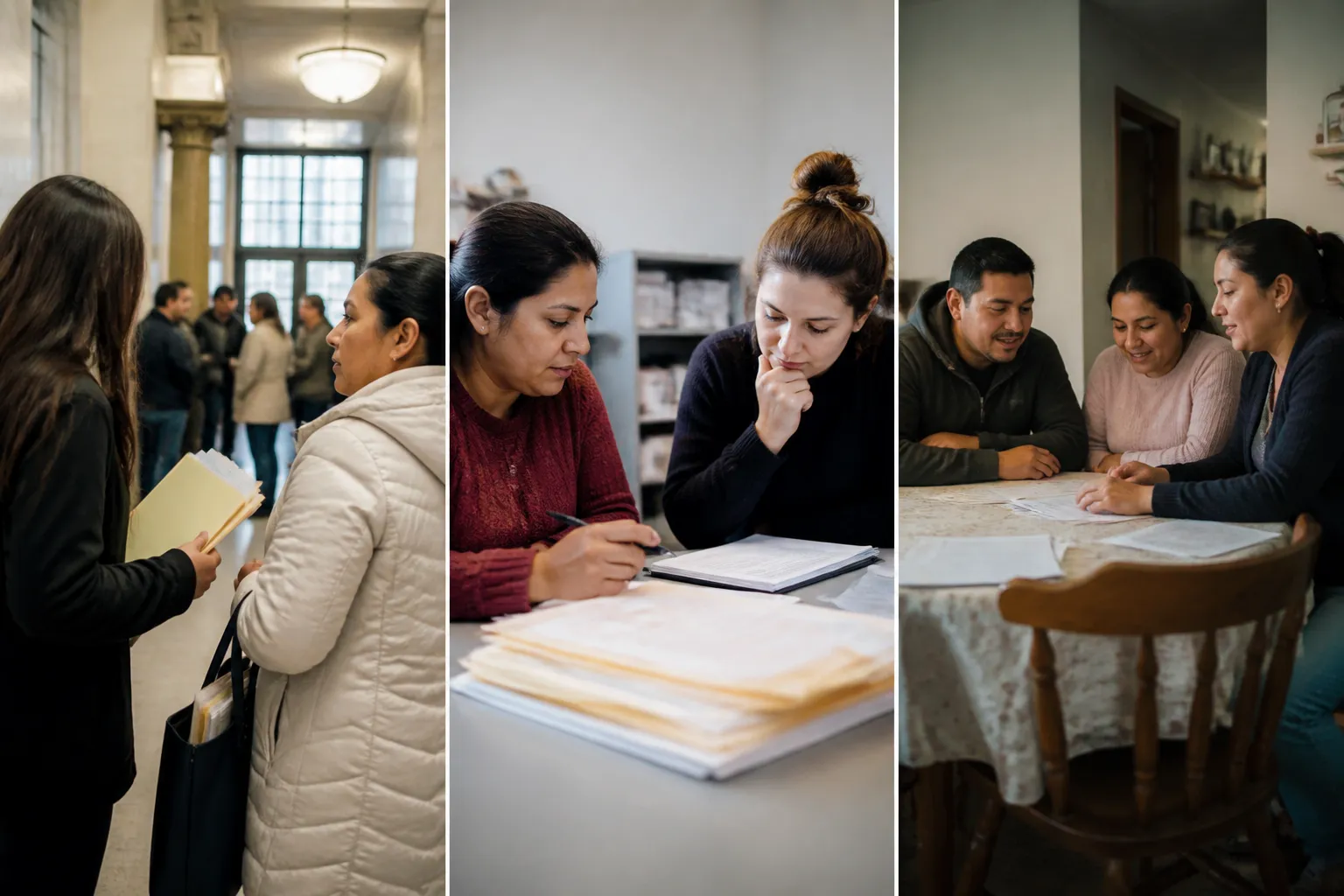
A child’s case may stall over one required cost, making Omaha Area Sanctuary Network worth a look. The long, administrative, emotionally taxing road from arrival to self-sufficiency points to OCRISI. Language access belongs where people live, so pay attention to NACC before transportation, translation, and confidence become extra hurdles.
These are three different answers to the same larger question: what does welcome require after the headlines move on? In Omaha, sometimes it requires a court companion. Sometimes it requires a case manager. Sometimes it requires a volunteer with an English workbook at a kitchen table.
Pick the barrier you want gone, then fund that fix, or, if NACC is your lane, sign up to teach in somebody’s home and make the next conversation a little easier.
Frequently asked questions
- What are the best refugee and immigrant charities in Omaha?
- Three strong Omaha options for donors are Omaha Area Sanctuary Network, Omaha Center For Refugee & Immigrant Services, and Nebraska Afghan Community Center. They do different jobs, including emergency immigration-related support, long-term integration and legal help, and in-home language and navigation support.
- Which Omaha nonprofit helps with emergency immigration costs like physical exams?
- Omaha Area Sanctuary Network provides emergency funding for urgent needs of vulnerable immigrants, including help paying for immigration physical exams required by immigration. It also supports GED and English classes, mental health therapy, and court accompaniment.
- Who offers immigration legal help and case management for refugees and immigrants in Omaha?
- OCRISI offers both case management and immigration and legal services for refugees and immigrants in Omaha. It also provides employment services, youth programs, and mental health support.
- Is there in-home ESL for immigrant families in Omaha?
- Yes. Nebraska Afghan Community Center offers in-home English Language Training by recruiting and matching volunteer instructors with Afghan families. The center also helps with translation, benefits navigation, and reading mail in Dari and Pashto.
- How can I volunteer with immigrant nonprofits in Omaha?
- Omaha Area Sanctuary Network invites community members to attend Immigration Court hearings as accompaniment. Nebraska Afghan Community Center needs volunteer in-home ESL instructors as well as Pashto, Dari, and Farsi interpreters and translators.
- omahaasn.org ↗
- Omaha Area Sanctuary Network provides emergency funding for urgent needs of vulnerable immigrants, including immigration physical examinations required for immigration cases.
- A documented OASN assistance story involved a $300 immigration physical exam requested by a social worker at the Immigrant Legal Center.
- OASN also supports Immigration Court accompaniment, enabling community members to attend hearings and show support for vulnerable immigrants.
- ocrisi.org ↗
- Omaha Center for Refugee & Immigrant Services provides case management, immigration and legal services, and employment services for refugees and immigrants in Omaha.
- neafghan.org ↗
- Nebraska Afghan Community Center recruits, trains, and matches volunteer instructors with Afghan families for in-home English-language training.
- Nebraska Afghan Community Center helps families navigate mail, documents, benefits, and translation needs in Dari and Pashto.
- neafghan.org ↗
- “The Nebraska Afghan Community Center works to build a unified, educated, and self-sufficient Afghan community in Nebraska.” — Nebraska Afghan Community Center