
When 1 hiker vanished, Las Vegas got Red Rock Search And Rescue
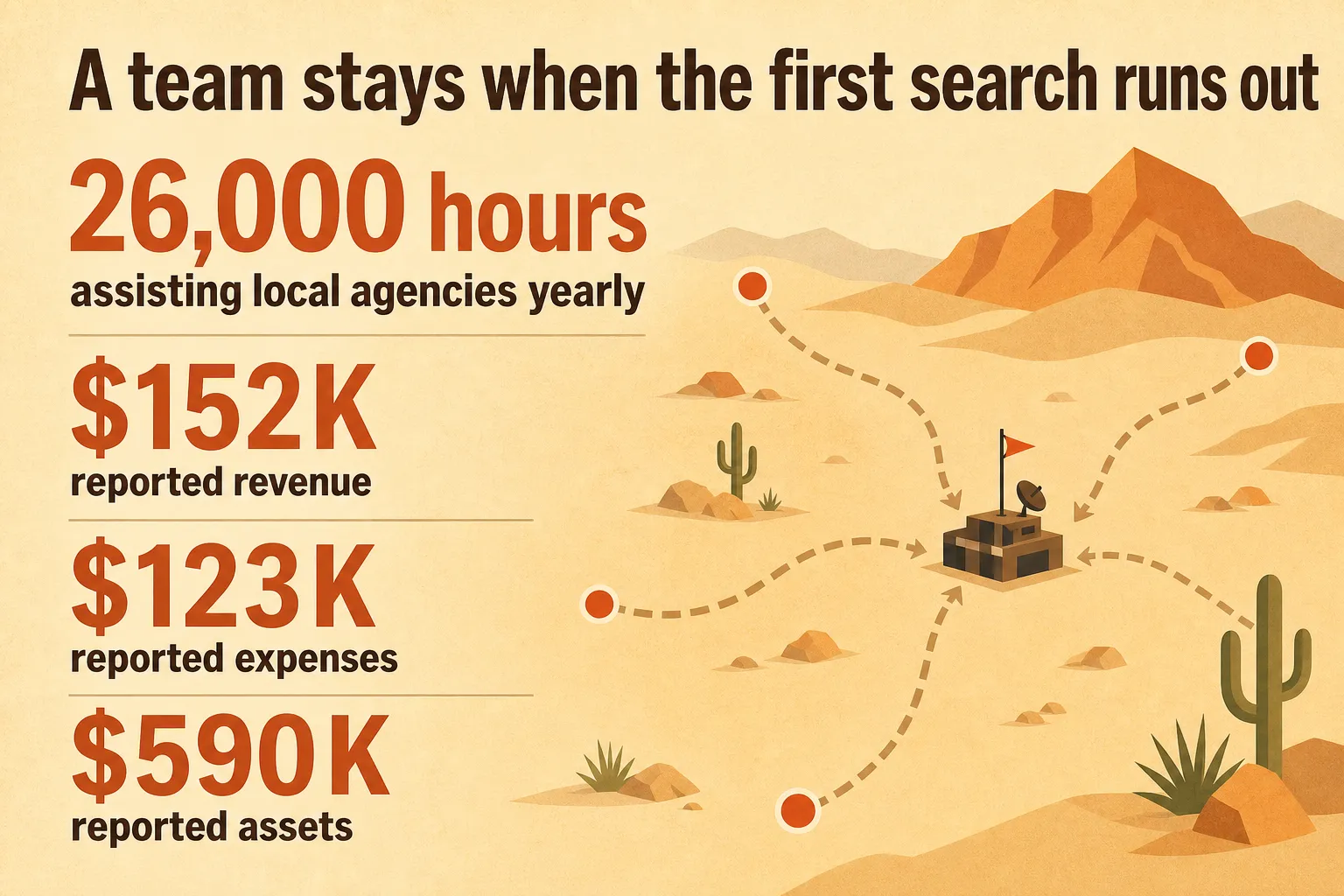
Red Rock Search And Rescue was born after one Calico Basin disappearance outlasted official capacity. That origin still explains the group’s power today. The trained Southern Nevada volunteer force reports about 26,000 hours a year assisting local agencies.
The most persuasive public-safety story in Las Vegas starts after the official search has already stretched too long.
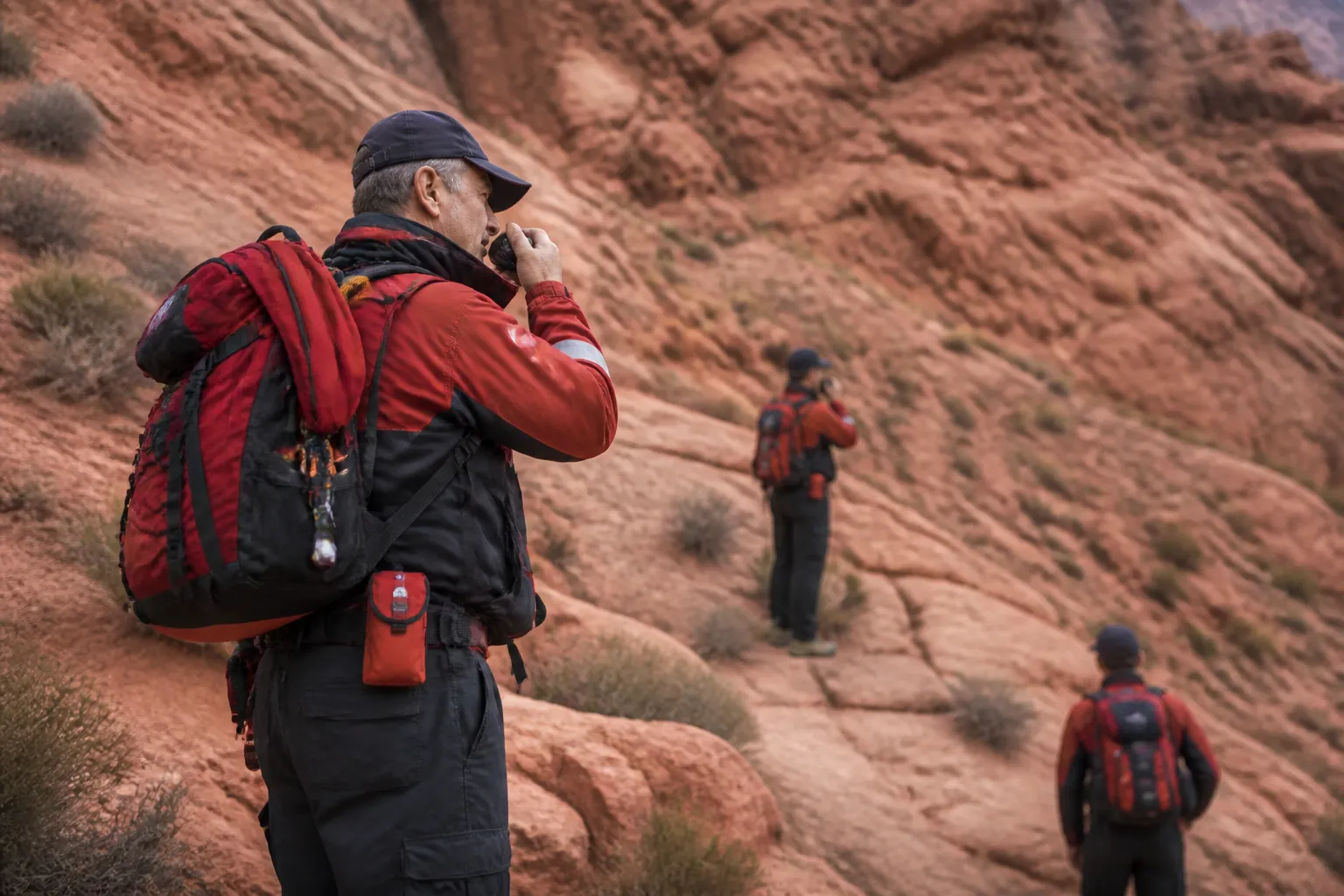
In January 2012, local hiker Ron Kirk disappeared in Calico Basin. According to Red Rock Search And Rescue’s origin story, the community search continued for weeks, and a donation from Kirk’s family helped experienced search-and-rescue volunteers form a team so the searching could continue after local resources had run out. That beginning is the blueprint for why this organization matters.
Red Rock Search And Rescue is a Las Vegas-based nonprofit founded in 2012, serving Southern Nevada, including Clark County and Las Vegas. But the interesting part is the role it plays.
This is civic infrastructure disguised as an outdoor rescue story: a trained volunteer force that shows up when a family is waiting, when local agencies need extra hands, and when the terrain shifts from neighborhood to wash to mountain trail in the same county.
How to support search and rescue in Las Vegas
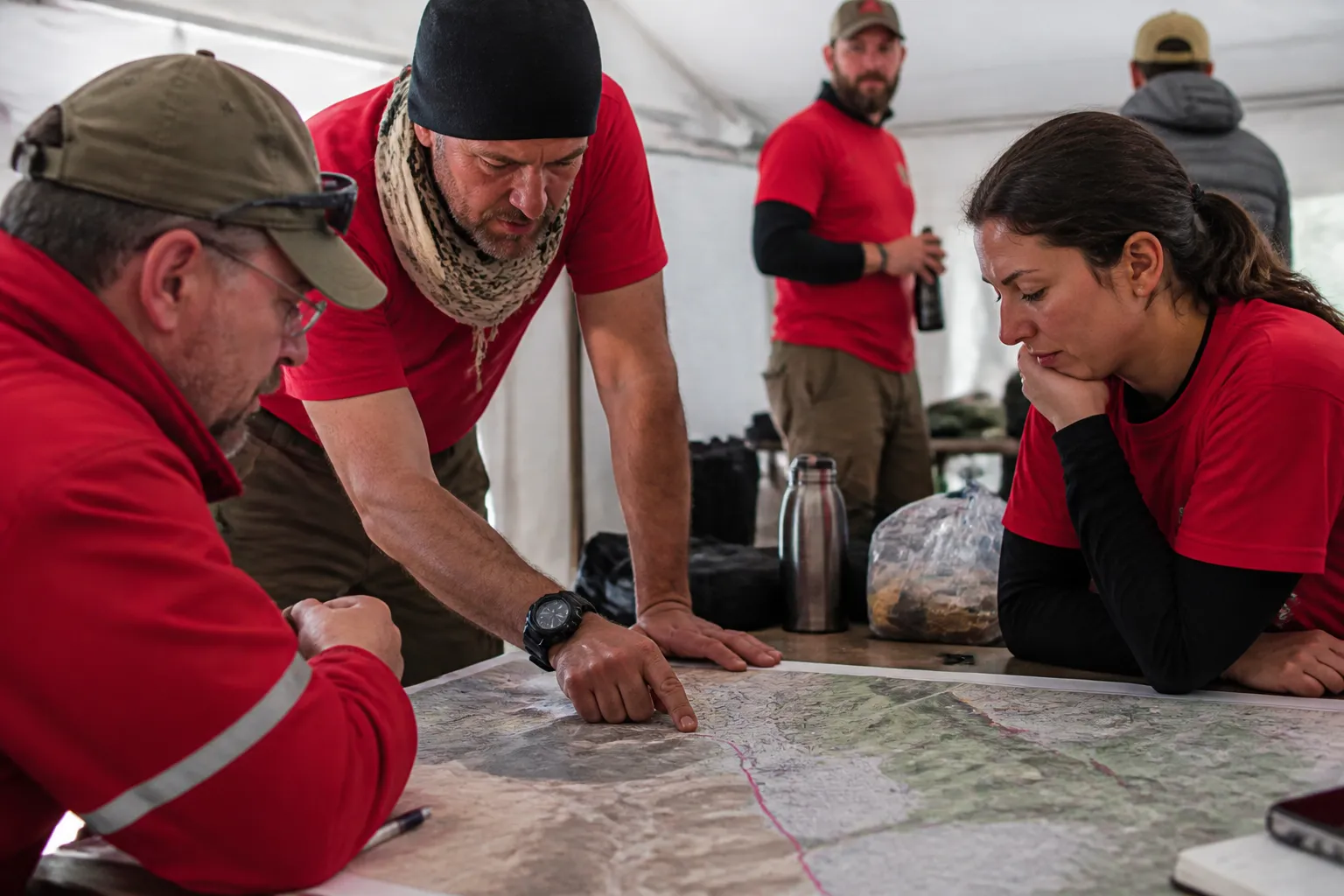
Most people hear “search and rescue” and picture one kind of emergency: a stranded hiker, a rope, maybe a dramatic ridgeline. Red Rock’s own mission is broader and smarter. The organization says it uses trained volunteers to provide search services, recovery work, and community education. That sequence matters. The job includes preparation for the hard cases that do not fit neatly inside a single 911 response.
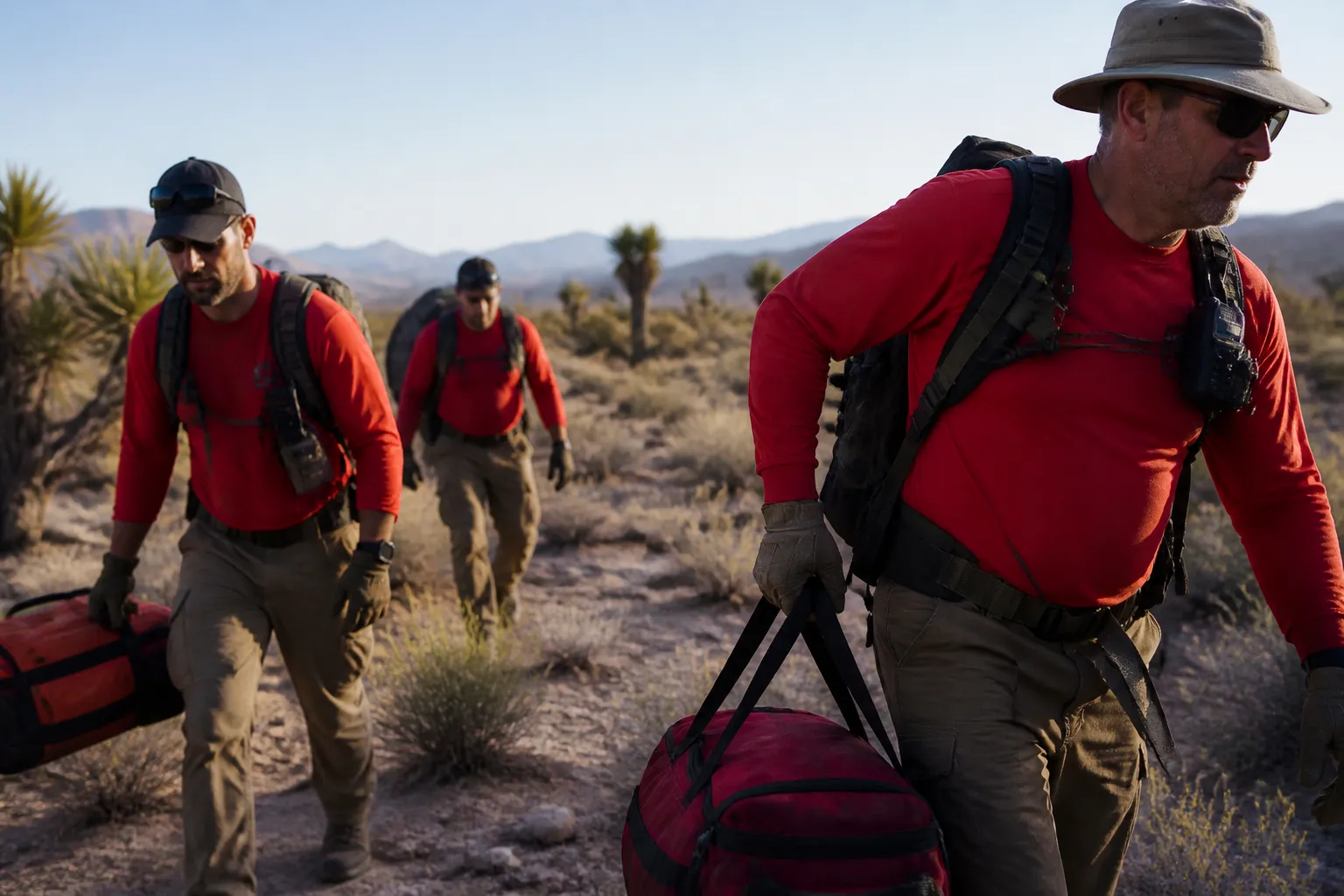
The group serves families of missing or lost loved ones, hikers, local agencies, and community members across urban areas and the surrounding desert wilderness. In Southern Nevada, that range is the point. The metro does not end cleanly; it frays into open land, trail systems, canyons, and heat that can turn a simple delay into a crisis. A useful search-and-rescue nonprofit here cannot be a weekend hobby with matching shirts. It has to understand the whole map.
Red Rock signals that seriousness in small but telling ways. Its website tells people to call 9-1-1 first for life-threatening emergencies, and it lists a 24/7 emergency hotline for cases like an elderly loved one wandering away from home or a family member or friend who is missing. That is an operational posture.
“So others may live” (Red Rock Search And Rescue)
The donor case is one number, and it is a big one
According to the team, Red Rock averages approximately 26,000 hours a year assisting local agencies. That is the figure that snaps this into focus.
A lot of charitable giving around public safety can feel oddly abstract. You know the cause matters, but it is hard to picture what your dollars actually set in motion. Here, the chain is refreshingly concrete. Those categories are the ingredients that let a volunteer team move from good intentions to actual capacity. For anyone trying to support search and rescue in Las Vegas, that specificity is the appeal.
Donations fund search operations, volunteer training, team equipment and gear, and medical supplies.
The scale makes the financial picture more impressive, not less. IRS data on the platform shows the organization reporting $152K in revenue, $123K in expenses, and $590K in assets. Put that next to the team’s reported 26,000 volunteer hours a year and you get the real thesis of the organization: Red Rock helps Southern Nevada stretch its safety system further.
That is why the donor case is bigger than helping hikers. Red Rock’s listed programs include recovery services, active and cold case searches, and evidence searches in active police investigations. In other words, this team operates in the part of public safety that is least glamorous and most essential. They go where uncertainty lingers.
What families are really getting is not just a search
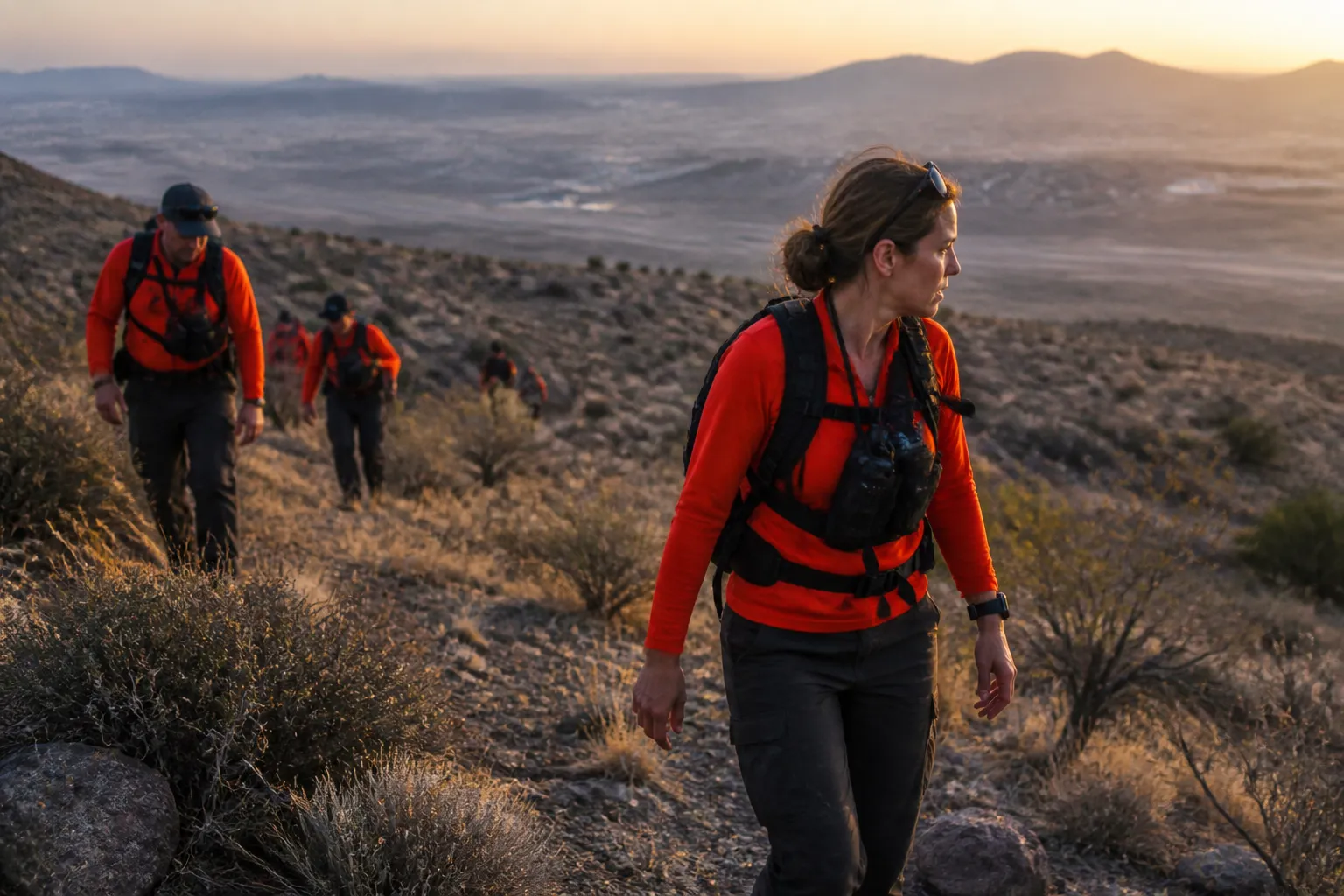
The organization’s most revealing story is about what waiting does to people.
Get the weekly digest
New stories, new nonprofits, every Tuesday morning.
Red Rock recounts a case in which a family reached out when their adult son went missing. The team responded immediately, organized a strategic search, and stayed involved while the family waited for news. One family member put the value of that response with brutal clarity: “At least I no longer feel alone because I could not find anyone to help.”
That line should stop any donor in their tracks. The best version of search and rescue ends institutional loneliness. A family knows who can search and coordinate when a desperate situation threatens to dissolve into chaos.
Red Rock’s own impact notes also include the kind of result many nonprofits would rather glide past because it is painful and unphotogenic: the team reports that on April 14, 2013, it found Keith Goldberg’s remains after a search that began in 2012. That matters because recovery is part of the moral job here. Families need answers. Investigations need evidence. Communities need someone willing to stay with the case after the easy attention is gone.
This is where a lot of people misunderstand rescue work. They imagine a single cinematic save and miss the quieter public service underneath: the planning, the grid work, the evidence search, the call back to a family, the willingness to show up again. Red Rock’s model covers the whole arc, beyond the highlight reel.
The smartest work happens before anybody disappears
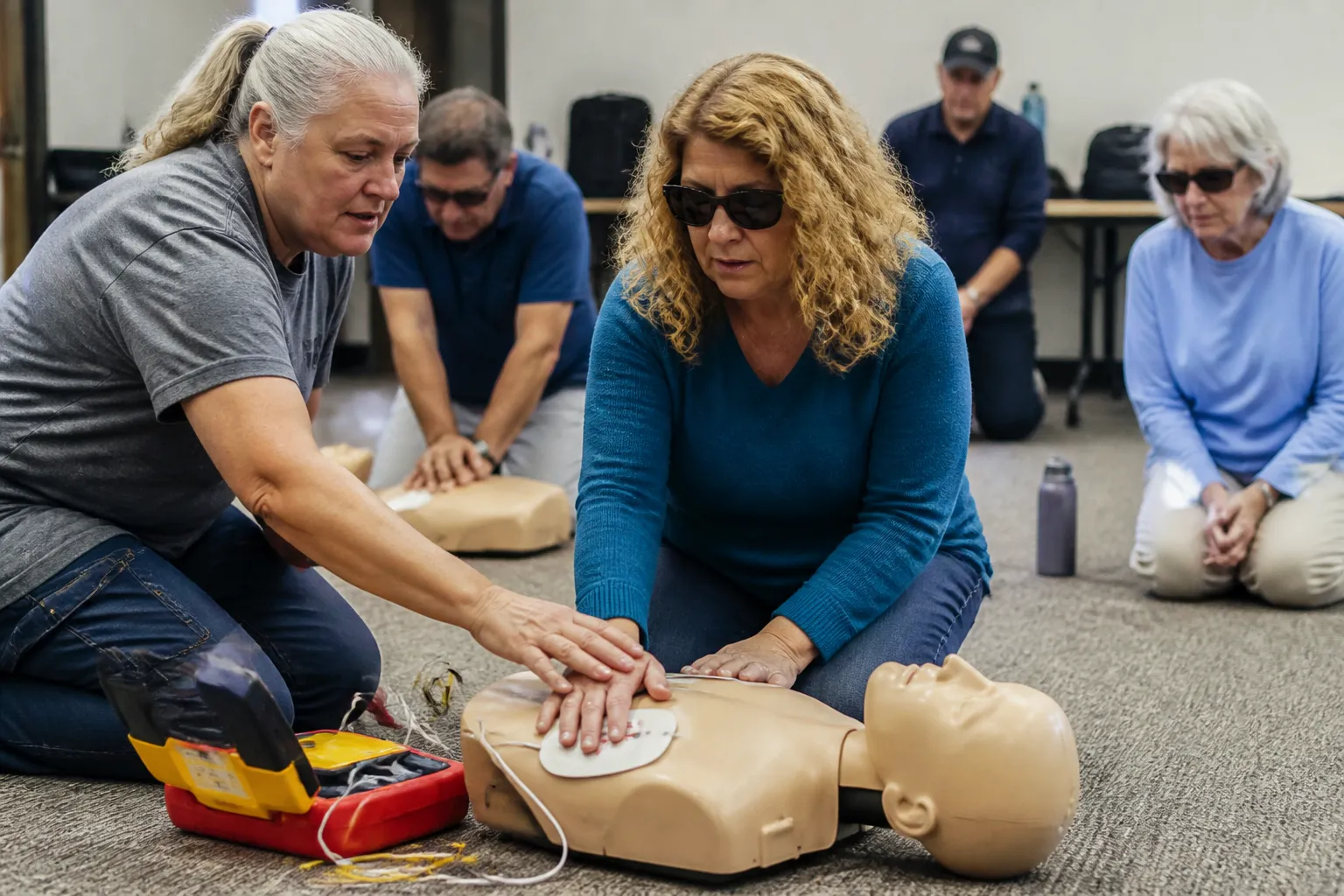
The instinct is to treat training and education as side dishes next to the real mission. That is backwards. The training is the mission.
Red Rock says it trains volunteers in all aspects of search and rescue, including NASAR-aligned instruction, CPR/AED/First Aid, Wilderness First Aid, ropes and knots, and related rescue skills. Its partners include the National Association for Search and Rescue, the Mountain Rescue Association, FEMA, local law enforcement agencies, and the National Federation of the Blind of Southern Nevada Chapter. That network shows competency built on repeatable standards and relationships.
The volunteer pathways are equally practical: the organization lists Field Team SarTech II, Command Post SarTech III, Resource Team Member, and 4x4 Team roles. It reads less like an open-ended plea for help than like a staffing plan.
The community outreach is where the organization gets especially interesting. Red Rock runs Hug-a-Tree, which teaches children basic survival principles. It also offers educational services on wilderness safety and preventative search-and-rescue techniques. And then there is the detail I love because it reveals whether an organization is actually paying attention to the community in front of it: adapted safety classes for blind residents. A member of the National Federation of the Blind of Southern Nevada said, “They have been offering blind people in our organization as well as in the community free and adapted cpr, first aid, splintering, and AED classes.”
That is the difference between a real civic institution and a rescue fantasy with a logo. Prevention is tailored to actual people and taught in forms they can use before the emergency arrives.
Why Las Vegas should think of this as infrastructure
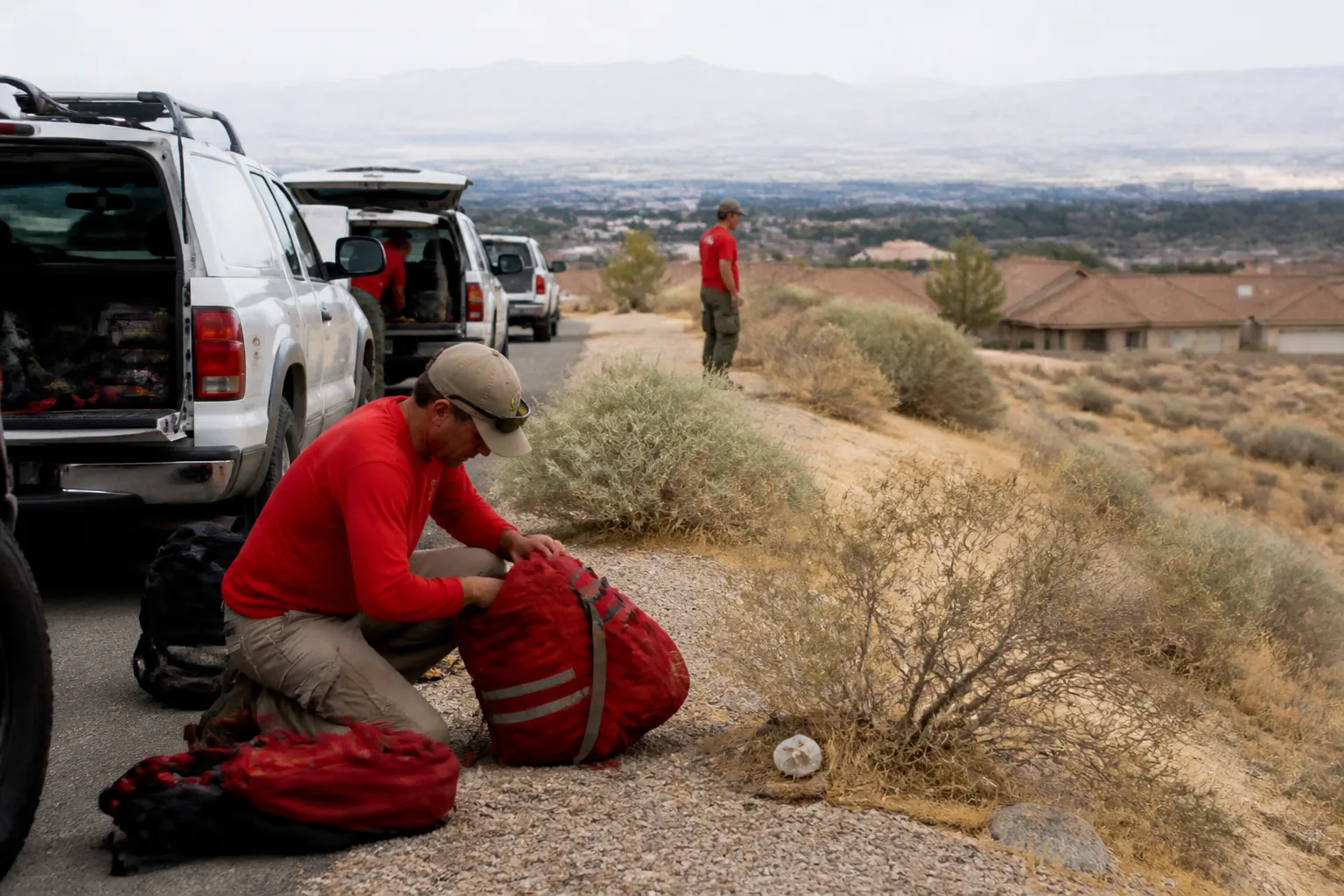
Red Rock’s history notes that Mayor Carolyn Goodman formally honored the organization on April 17, 2013. Nice recognition, yes. But the deeper point is what the city was recognizing: volunteer search and rescue is part of how a region like Southern Nevada keeps faith with its own geography.
Las Vegas brings urban life and wilderness into close quarters. People live near washes, drive toward trailheads after work, visit open land on ordinary weekends, and sometimes vanish from places that looked manageable until they weren’t. A nonprofit that can assist across city and the surrounding desert wilderness is not niche. It is part of the region’s operating system.
What would have to be true for this approach to work everywhere? You would need trained volunteers, trusted relationships with agencies, a serious commitment to prevention, and donors willing to fund the unglamorous line items that keep a team deployable. Red Rock already has the skeleton of that model in place.
So if you want to do something useful, be specific: fund search operations, volunteer training, team equipment and gear, or medical supplies. Or step up for one of the roles the organization actively lists, from Field Team SarTech II and Command Post SarTech III to Resource Team Member or 4x4 Team. The family in the next waiting room needs a team that is ready before the phone rings.
Frequently asked questions
- What does Red Rock Search And Rescue do in Southern Nevada?
- The organization says trained volunteers provide search, rescue, training, recovery, and educational services to the community. It assists local agencies and community members across Southern Nevada, covering searches from urban areas to wilderness terrain.
- Does Red Rock Search And Rescue only help hikers?
- No. The group serves families of missing or lost loved ones, hikers, local agencies, and community members, and it also lists recovery efforts, active and cold case searches, and evidence searches in active police investigations.
- How can I support or volunteer with Red Rock Search And Rescue?
- Donations fund search operations, volunteer training, team equipment and gear, and medical supplies. The organization also lists Field Team SarTech II, Command Post SarTech III, Resource Team Member, and 4x4 Team volunteer roles.
- Who should call if someone is missing in Southern Nevada?
- For a life-threatening emergency, call 9-1-1 first. The organization also lists a 24/7 emergency hotline at 702-758-4727 for situations such as an elderly loved one wandering away or a missing family member or friend.
- Where does Red Rock Search And Rescue operate?
- Based in Las Vegas, the nonprofit serves Southern Nevada, including Clark County and Las Vegas.
- redrocksar.org ↗
- Red Rock Search And Rescue is a Las Vegas-based nonprofit founded in 2012.
- Its mission is to utilize trained volunteers to provide search, rescue, training, recovery, and educational services to the community.
- The organization serves Southern Nevada, including Clark County and Las Vegas, and supports families of missing or lost loved ones, hikers, local agencies, and community members.
- Red Rock Search And Rescue began in January 2012 after local hiker Ron Kirk went missing in Calico Basin and a community search continued for weeks.
- In 2013, the organization was formally honored by Carolyn Goodman, Mayor of Las Vegas, on April 17, 2013.