
After 15,000 women, this Las Vegas ministry knows trafficking survivors need more than rescue
The flashy version of anti-trafficking work ends at rescue. Hookers For Jesus is worth your attention because it stays for the rebuild through survivor-led outreach and no-charge housing that includes counseling and spiritual care for women in Las Vegas.
[IMG: Nighttime street outreach on the Las Vegas Strip, with Hookers For Jesus volunteers offering resources near hotel entrances and corridor lights]
The anti-trafficking story America loves is the one that ends in a burst of sirens. The harder, truer version starts after that—when a woman needs a safe bed, a ride across town, a counseling appointment she can keep, and enough time to stop living in pure survival mode. That is the work Hookers For Jesus has built in Las Vegas, and it is why the organization’s own headline number lands: over the last 20 years, Hookers For Jesus reports serving more than 15,000 women.
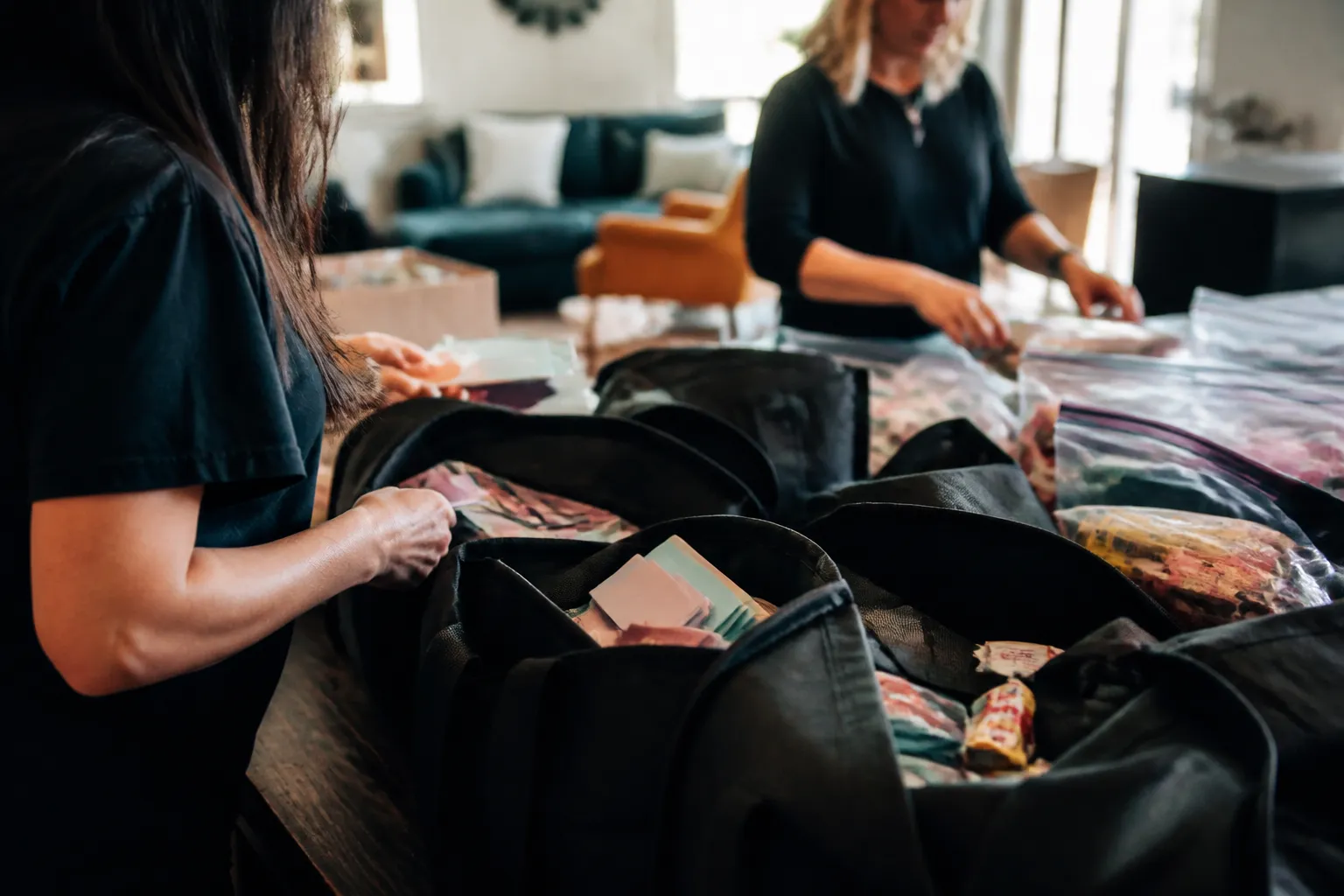
That figure is impressive, sure. But the more revealing thing is what sits underneath it. Not rescue theater. Not vague awareness. Two houses with no-charge transitional housing. Direct outreach to women in the sex industry, including at hotels on the Las Vegas Strip. A weekly support group and faith study inside the Clark County Detention Center. Transportation, meals, gift cards, and resources for women who are not living inside Destiny House but still need somebody to show up.
Las Vegas has a way of turning exploitation into background scenery. Adults in crisis can disappear inside an economy designed to keep the lights bright and the questions dim. An organization serious about this city has to be serious about repeated contact. Hookers For Jesus has built that repetition into the model.
Annie Lobert, the founder and CEO, does not prettify the origin story: "After surviving more than a decade of sex trafficking, I started Hookers for Jesus in 2005."
According to the organization, Lobert survived trafficking in Hawaii and Minneapolis before reaching Las Vegas, then founded Hookers For Jesus. That history explains the ministry better than a dozen mission statements ever could. Survivor leadership is the operating logic.
Supporting trafficking survivors in Las Vegas takes time
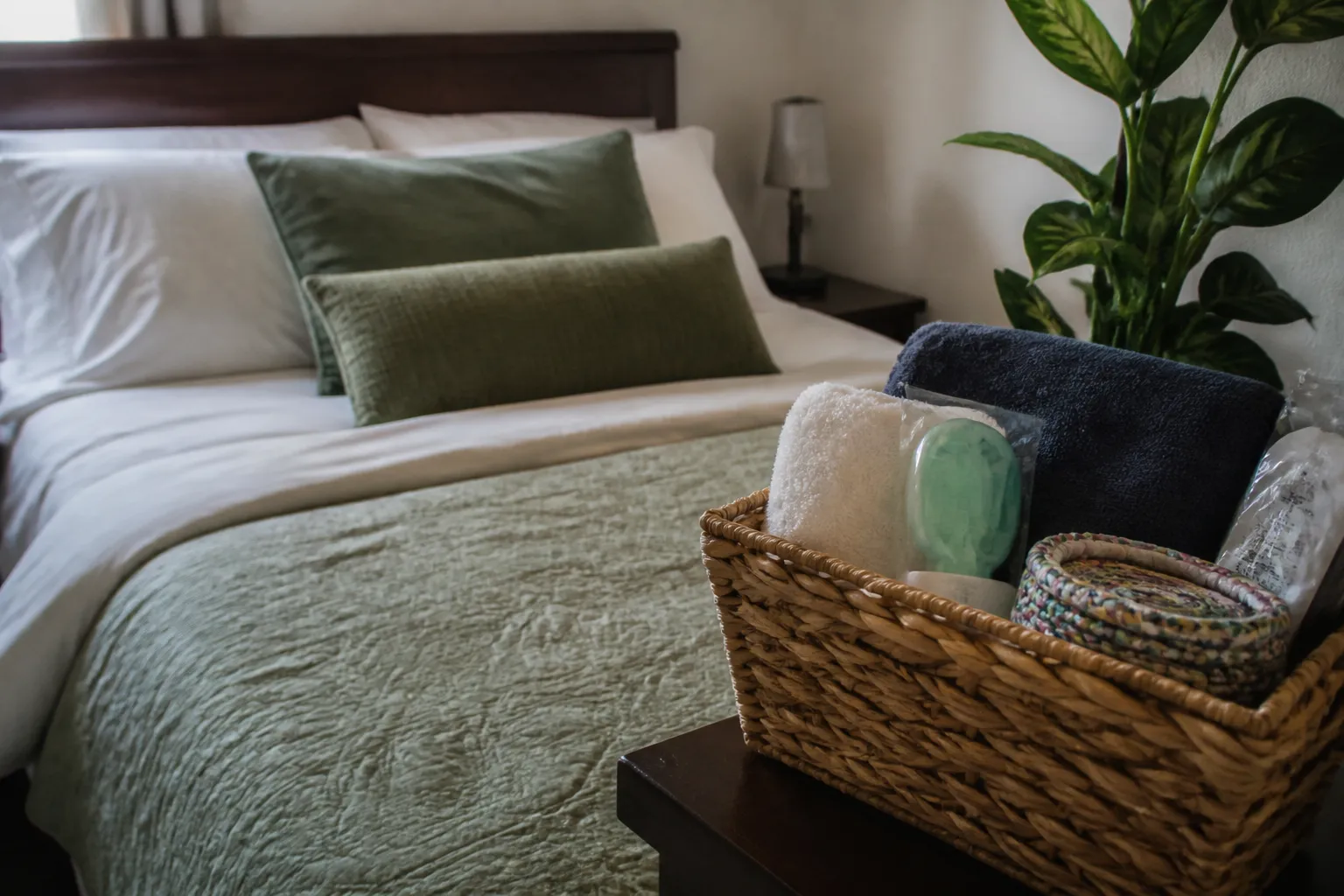
A lot of trafficking coverage treats the exit as the ending. Anyone who has spent five minutes around real recovery knows it is the beginning, and usually a messy one. Hookers For Jesus understood that early. According to the organization, a 2007 vision for homes for women became Destiny House, a safe place to live while healing from trafficking trauma. Today, its Destiny House / Dream House program offers two separate houses with 6- to 48-month no-charge transitional housing.
That timeline is the whole point.
Six to 48 months is what it looks like when an organization refuses to pretend that trauma can be wrapped up on a donor-friendly schedule. It is long enough for a woman to exhale. Long enough to stop improvising safety. Long enough for counseling and mentorship, alongside spiritual guidance, to mean something because they are attached to an actual address rather than a brochure.
The organization shares that longer arc through women like Tyricka, who says she was saved from prostitution, moved into Destiny House, and began learning and healing while receiving career training and life-skills support. Her line about the program does not sound like PR copy because it is too specific, too aching, too earned: "This program is giving me the love I never received growing up and the tools to be the incredible, hardworking, responsible person God always intended for me…"
Another story the group shares, from Amy, describes a life shaped by abuse and prostitution, with addiction and loss in the background, then points to Destiny House as the place where counseling and support finally gave her room to focus on healing and preparing for family and work life. That is the payoff of long-term housing: enough steadiness for a woman to move beyond immediate safety and notice her own future again.
That is what the best survivor-led organizations understand. People coming out of trafficking do not only need extraction from danger; they need a place where a future becomes imaginable again. Destiny House and Dream House are set up for exactly that slower, less glamorous work. The houses are no-charge, which matters more than people outside the situation sometimes realize.
A recovery plan that comes with a bill is not much of a plan.
Faith, but with work boots on
Get the weekly digest
New stories, new nonprofits, every Tuesday morning.
Plenty of organizations use faith as atmosphere. The impressive thing here is that Hookers For Jesus uses it like infrastructure.
"Love is our top core value at HFJ and the Destiny House." — Hookers For Jesus
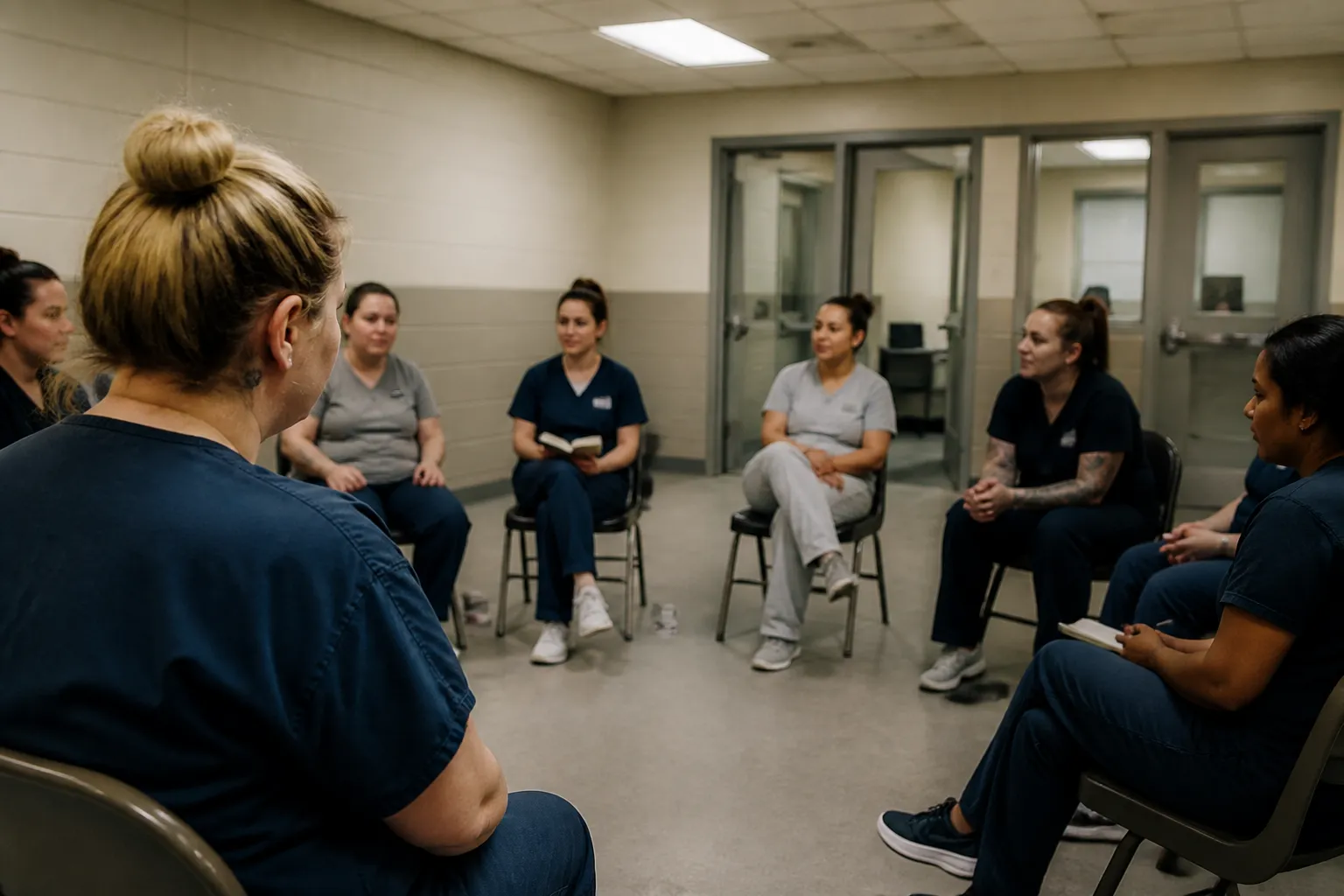
It would be easy for a line like that to float off into branding. Here, it keeps landing in concrete places. The organization pairs counseling and trauma-informed care with spiritual guidance. It runs a weekly support group and faith study at the Clark County Detention Center for trafficking victims, commercially exploited women, and other women interested in joining. It also runs Keeping Innocent Sisters Safe, its jail outreach for juvenile and adult sex trafficking victims and commercially exploited women, including prevention and education about sex trafficking.
There is something especially smart about showing up in detention settings. Too much public conversation about exploitation only seems comfortable with victims when they look uncomplicated. Hookers For Jesus goes where shame and the confusion of criminalization are already in the room and keeps offering support anyway. The ministry turns that commitment into a weekly support group and faith study inside the Clark County Detention Center.
And then there is the kind of help that never makes a dramatic documentary shot but changes a week in real life: transportation, meals, gift cards, and resources for women outside Destiny House. This is where the ministry identity feels most credible to me. A faith-based organization that only speaks in sweeping redemption language is easy to tune out. A faith-based organization that remembers the ride, the food, the small cash-equivalent lifeline, the weekly return trip—that is a group paying attention to how instability actually works.
The same goes for street outreach. Hookers For Jesus does not wait for women to find the perfect moment to ask for help. It goes out directly to women in the sex industry and to trafficking victims, including outreach at hotels on the Las Vegas Strip. In a city built on spectacle, there is something bracing about a ministry willing to do unflashy, face-to-face work in the middle of it.
The organization also works in partnership with the Las Vegas Metropolitan Nevada Trafficking Task Force and the Las Vegas Human Trafficking Task Force. That matters. It shows a ministry rooted in survivor care while still connected to the broader anti-trafficking response in the city.
The support worth funding is the boring, essential middle
Fund the stretch between crisis and stability. Fund the bed that stays available, the counselor who keeps the appointment, the shelter that can operate around the clock, the outreach that reaches women before they are ready to walk through a residential door.
If you want to support trafficking survivors in Las Vegas in a way that is actually useful, fund the middle of the story.
That is exactly where Hookers For Jesus says donations go: safe housing and 24/7 shelter operations; counseling and trauma-informed care, with mentorship and spiritual guidance; outreach to women trapped in trafficking and exploitation; transportation, meals, gift cards, and other resources. Its recent Save Destiny House appeal seeks $500,000 for shelter operations and housing, along with direct services, and the organization is also raising support to launch the Destiny Center.
Monthly support makes particular sense here because shelter operations are steady, daily expenses at the center of the work. And the organization’s current emphasis on recurring monthly donations tells you something useful: this is a ministry asking supporters to finance the consistency this work requires.
There is a reason the group reports serving more than 15,000 women over 20 years. It has built sustained contact through street and jail outreach, weekly support, transitional housing, and support for women inside the houses and outside them. That is a much better answer to what survivors need than another dramatic retelling of how they were harmed.
One practical note: if the person reading this needs help rather than a giving plan, Hookers For Jesus directs women to its Need Help page to connect and apply for Destiny House. For immediate help, it advises calling 911, the Human Trafficking Hotline at 1-888-373-7888, or the Suicide Hotline at 988.
If you do want to help, make a recurring monthly donation for Destiny House shelter operations. That is the least glamorous part of this work, which is exactly why it is the part most worth paying for.
Frequently asked questions
- What does Hookers For Jesus do in Las Vegas?
- Hookers For Jesus does direct outreach to women in the sex industry and trafficking victims, offers no-charge transitional housing through Destiny House / Dream House, runs a weekly support group and faith study at the Clark County Detention Center, and provides support like transportation, meals, gift cards, and resources.
- Does Hookers For Jesus offer housing for trafficking survivors?
- Its Destiny House / Dream House program offers two separate houses with 6- to 48-month no-charge transitional housing for sex trafficking victims and commercially exploited women.
- Is Hookers For Jesus faith-based?
- Yes. The organization describes itself as a ministry, and its care model includes spiritual guidance alongside counseling, trauma-informed care and mentorship, along with a weekly support group and faith study at the Clark County Detention Center.
- How can I support trafficking survivors through Hookers For Jesus?
- The organization says donations support safe housing and 24/7 shelter operations, counseling, trauma-informed care and outreach, plus direct resources like transportation and meals. It is also seeking recurring monthly donations and raising $500,000 for Destiny House.
- How can someone get help from Hookers For Jesus right now?
- Hookers For Jesus directs women to its Need Help page to connect and apply for Destiny House. For immediate help, it advises calling 911, the Human Trafficking Hotline at 1-888-373-7888, or 988.
- hookersforjesus.net ↗
- Annie Lobert founded Hookers For Jesus in 2005 after surviving more than a decade of sex trafficking.
- Hookers For Jesus provides direct outreach to women involved in the sex industry and to sex-trafficking victims.
- Destiny House and Dream House provide six- to 48-month, no-charge transitional housing for women affected by trafficking and commercial sexual exploitation.
- The organization’s stated approach includes emotional and spiritual restoration as well as transitional assistance.
- Hookers For Jesus lists a weekly support group and faith study at the Clark County Detention Center for trafficking victims and others affected by commercial sexual exploitation.
- hookersforjesus.net ↗
- “After surviving more than a decade of sex trafficking, I started Hookers for Jesus in 2005.” — Annie Lobert
- “Love is our top core value at HFJ and the Destiny House.” — Hookers For Jesus
- “You may know us as Hookers for Jesus and that will always be at the core of what we do.” — Hookers For Jesus