
334 Voter Forms Came Back From Travis County Jail. Austin Justice Coalition Wants More.
Inside Travis County Jail, 334 completed voter registration forms came back to Austin Justice Coalition in 2024. That one number shows this Black-led Austin group building civic infrastructure.
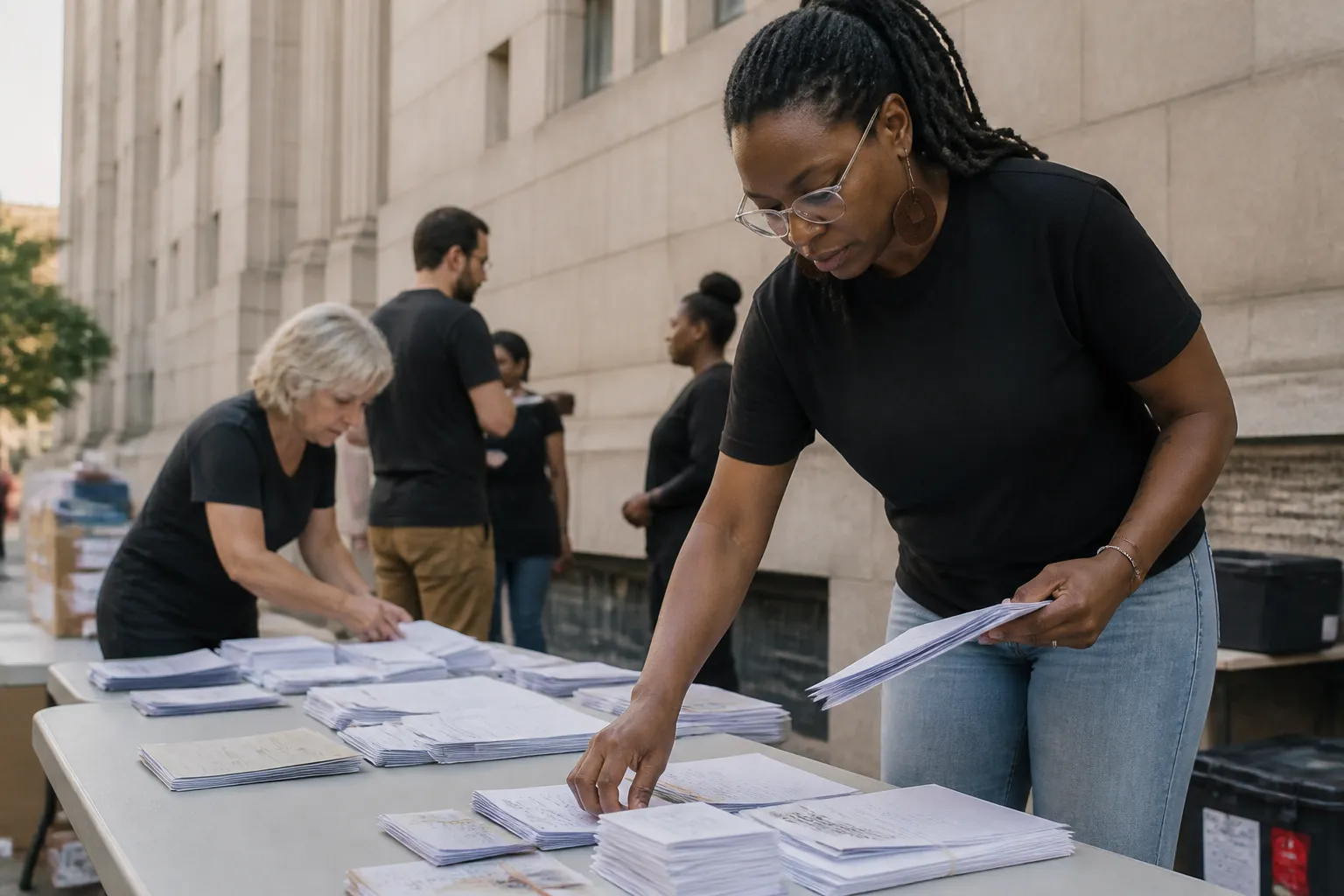
Three hundred thirty-four is a stack of completed voter registration forms. It represents paperwork and waiting: somebody on the inside filling out a form and somebody on the outside deciding that form matters enough to move through the process. According to Austin Justice Coalition, that is exactly what happened in 2024: Project Orange delivered 384 voter registration forms into Travis County Jail and received 334 completed forms back.
That is the kind of local civic work I wish got half the attention of splashier democracy talk. Austin Justice Coalition is a Black-led Austin organization founded in 2015 by Chas Moore, and what makes it worth your attention is its refusal to keep politics abstract. If you care about voting rights in Austin, this is what serious work looks like: forms moved through a jail, legal help routed to people who need it, leaders trained, budgets fought over, community stitched together on purpose.
Behind jail walls, supporting voter rights in Austin TX turns into logistics
Project Orange is Austin Justice Coalition’s voting-rights initiative for eligible incarcerated people in Travis County Jail. That word — eligible — matters. So does the setting. A lot of civic organizations love the performance of democracy: the march photo, the voter guide, the panel about participation. This is more concrete. This is practical guidance and the boring, essential follow-through that determines whether a right gets used or quietly disappears.
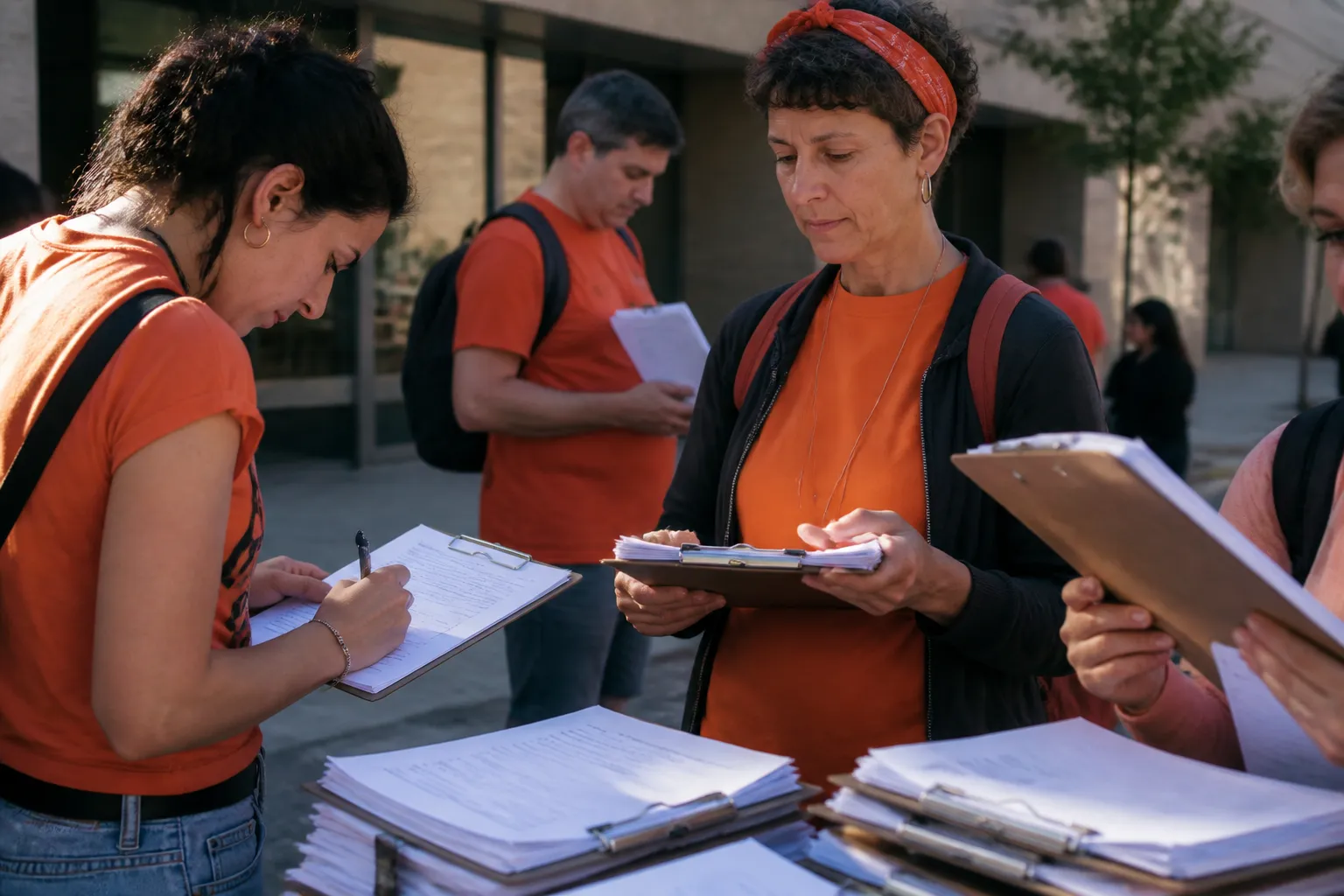
According to the coalition, 384 voter registration forms were delivered through Project Orange in 2024, and 334 completed forms came back.
The result is completed forms, rather than interest or awareness alone.
That line can read like boilerplate until you put it next to a jail wall and a stack of finished paperwork. Then it sharpens. Behind bars, democracy lives or dies by whether someone took the time to explain a process, answer questions, and make sure a form actually made its way back out.
And that is why Austin Justice Coalition stands out in a crowded civic landscape. It puts voter access into practice through the maddeningly specific work that makes voter access real for people a city would rather leave off the mental map.
Chas Moore built this for a city that prefers easier stories
Austin has a polished progressive self-image; Austin Justice Coalition was built for the harder version of the city. According to the organization’s origin story, Chas Moore founded the group in 2015 during a period when Austin had the highest per-capita rate of police shootings in Texas. This is the backdrop for an organization built to confront power directly.

The coalition describes itself as Black-led and explicit about fighting racist systems through a Black abolitionist lens. You can feel that lens in the way the work is structured. When the Austin Police Department later requested $13 million to hire more officers, the group launched Better Before More — an answer that pushed the city to think about safety as something larger than headcount and patrol cars.
Moore’s own framing, as quoted on the organization’s site, is blunt: “I wholeheartedly believe that until we address the policies and practices that are intact within our local police departments, we can’t fully expect to…” Even as a fragment, it tells you what kind of organization this is. Austin Justice Coalition confronts the machinery underneath a problem rather than soothe it.
That same instinct shows up in the coalition’s current public work. On its site, Austin Justice Coalition lists Community Investment Budget 2025–2026 as a recent advocacy effort centered on community-based safety and related city investments. It also publishes explainers on police oversight and demographic data on Black Texans. In other words: the coalition brings mutual aid, protest, policy, and public education into the same room.
The smartest thing here is the refusal to be single-issue
Someone who needs help voting may also need legal support. Public-safety debates reach into housing and health, and determine who gets heard. Durable political bases grow when people build skills and relationships in the same places, alongside a registration deadline circled on the calendar.
Get the weekly digest
New stories, new nonprofits, every Tuesday morning.
The real strength of Austin Justice Coalition is that it does not pretend people live in neat policy silos.

That is why the coalition’s other programs matter so much. According to the organization, its Justice Access Support Initiative, or JASI, connected four community members to attorneys who provided discounted legal services in 2024. That is the kind of targeted number that reveals a program designed for real cases, not volume theater: justice-oriented attorneys, discounted access, and a pathway into legal help that many people would otherwise never reach.
Then there is Radical Advocates Academy, a paid training program for aspiring advocates. Austin Justice Coalition reports that it trained 20 emerging community leaders through two online cohorts in 2024, building skills in organizing, public speaking, and managing policy campaigns. That matters because cities do not change just because one charismatic person shows up at a microphone. They change when more people know how to run the meeting, frame the issue, read the budget, and keep going after the headlines move on.
The community-facing programs tell the same story from another angle. Bro Brunch, centered on connection and mental health for Black men in Austin and nearby areas, with conversations about identity and relationships, engaged more than 200 Black men and boys across two gatherings in 2024, according to the coalition. Black Art Matters brings together Black artists and Black-owned food businesses in an annual art show and fundraiser. Black Food Month celebrates Black-owned restaurants and food businesses across Austin.
Some donors see programs like that and file them under nice extras. That is a mistake. Culture helps a coalition get durable by giving people a place to meet before they mobilize and stay connected after the policy memo is over.
“We understand that change comes in many forms, and we are strong proponents of coalition building,” Austin Justice Coalition says. Exactly. The through line is infrastructure for Black civic power in Austin.
And the scale makes the focus even more impressive. According to the platform-verified profile and IRS financials provided here, Austin Justice Coalition operates with two staff, 32 volunteers, $525,000 in revenue, $600,000 in expenses, and $316,000 in assets. That is a working coalition making sharp choices about where local pressure can count.
If you want to help, fund the part that moves
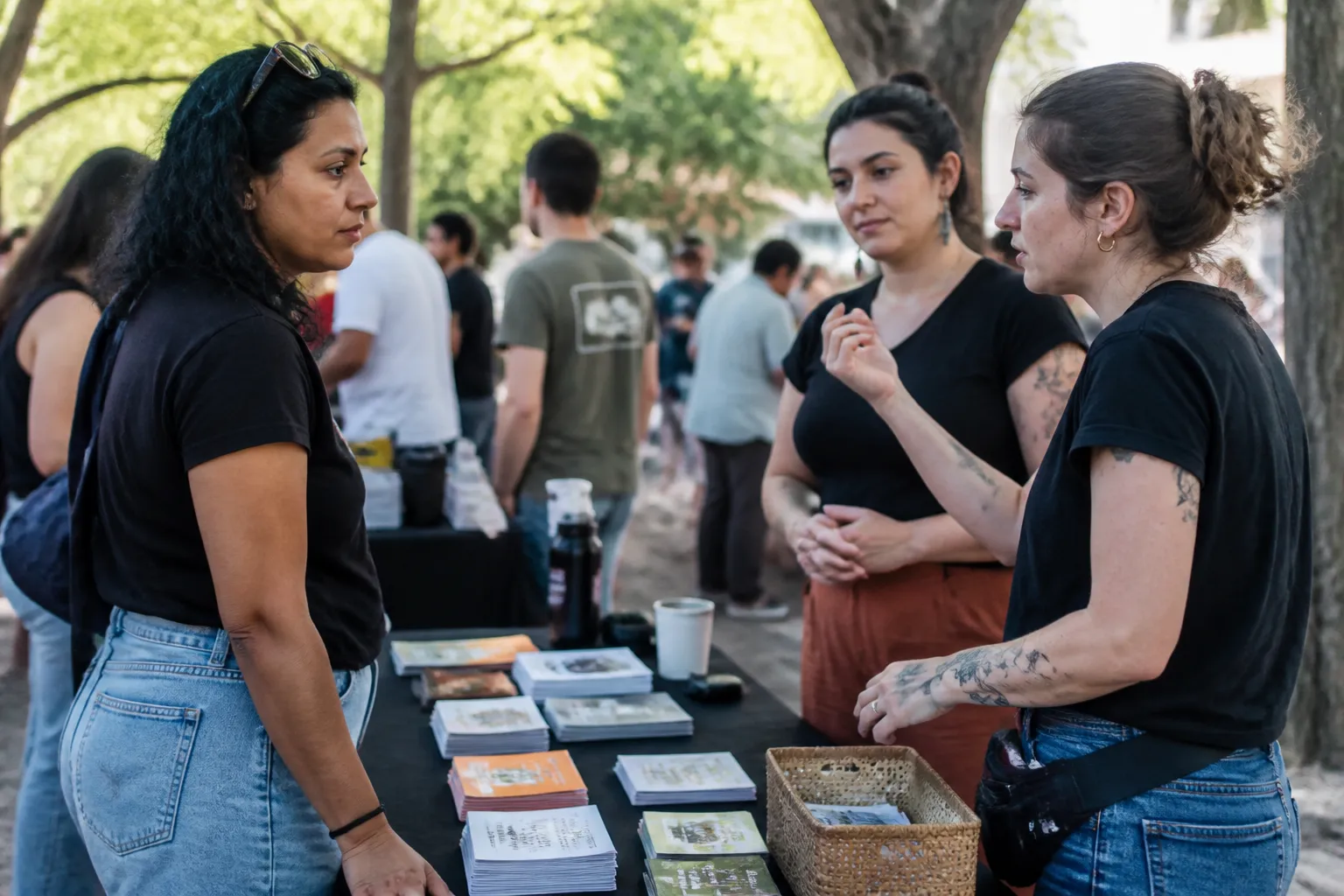
If your interest is supporting voter rights in Austin, do not stop at the vague idea of democracy. Back the machinery. Austin Justice Coalition says donations support mutual aid and crisis relief, legal services through JASI, voting access through Project Orange, and leadership training through Radical Advocates Academy. The organization also offers ways to help through community outreach and advocacy, event support and logistics, and skills-based volunteering in social media or graphic design.
The best case for this organization is that it understands how power actually gets built in a city: one completed form, one legal connection, one trained advocate, one budget fight, one room full of people who know each other well enough to do something together.
Start there. Donate to Project Orange or sign up to help with Austin Justice Coalition’s community outreach, so the next pile of voter registration forms moving through Travis County Jail does not stall for lack of support.
Frequently asked questions
- What is Project Orange in Austin?
- Project Orange is Austin Justice Coalition’s voting-rights initiative for eligible incarcerated people in Travis County Jail. According to the organization, it provides education, resources, and voter registration support.
- Can people in Travis County Jail vote?
- Austin Justice Coalition’s Project Orange is specifically designed to help eligible incarcerated people in Travis County Jail exercise their right to vote. The source material here does not lay out the full eligibility rules beyond that.
- Does Austin Justice Coalition provide legal support?
- Yes. Through its Justice Access Support Initiative, or JASI, the organization connects people with justice-oriented attorneys and offers legal guidance, representation, and rights education.
- Who founded Austin Justice Coalition?
- Austin Justice Coalition was founded in 2015 by Chas Moore and is based in Austin, Texas.
- How can I help Austin Justice Coalition?
- According to the organization, you can donate to support Project Orange, JASI, mutual aid, and Radical Advocates Academy. You can also help through community outreach, event support, or skills-based volunteering in social media or graphic design.
- austinjustice.org ↗
- Austin Justice Coalition was founded in 2015 by Chas Moore and describes itself as a Black-led organization that organizes, educates, and builds leadership to challenge racist systems through a Black abolitionist lens.
- Project Orange is Austin Justice Coalition’s voting-rights initiative for eligible incarcerated individuals.
- Austin Justice Coalition’s Justice Access Support Initiative connects marginalized residents with justice-oriented attorneys and discounted legal representation.
- The organization launched its paid Radical Advocates Academy leadership-training program in October 2022.
- Austin Justice Coalition operates in Austin, reaches Travis County, and engages in statewide policy advocacy in Texas.
- austinjustice.org ↗
- “We understand that change comes in many forms, and we are strong proponents of coalition building.” — Austin Justice Coalition