
El Paso Animal Donations Can Fund a Foster Home or a Community-Cat Return
El Paso animal giving has two very different jobs to fund. Pawsitive Rescuers moves vulnerable pets through foster care and medical support, while El Paso TNR traps, fixes, vaccinates, and returns community cats where they live.
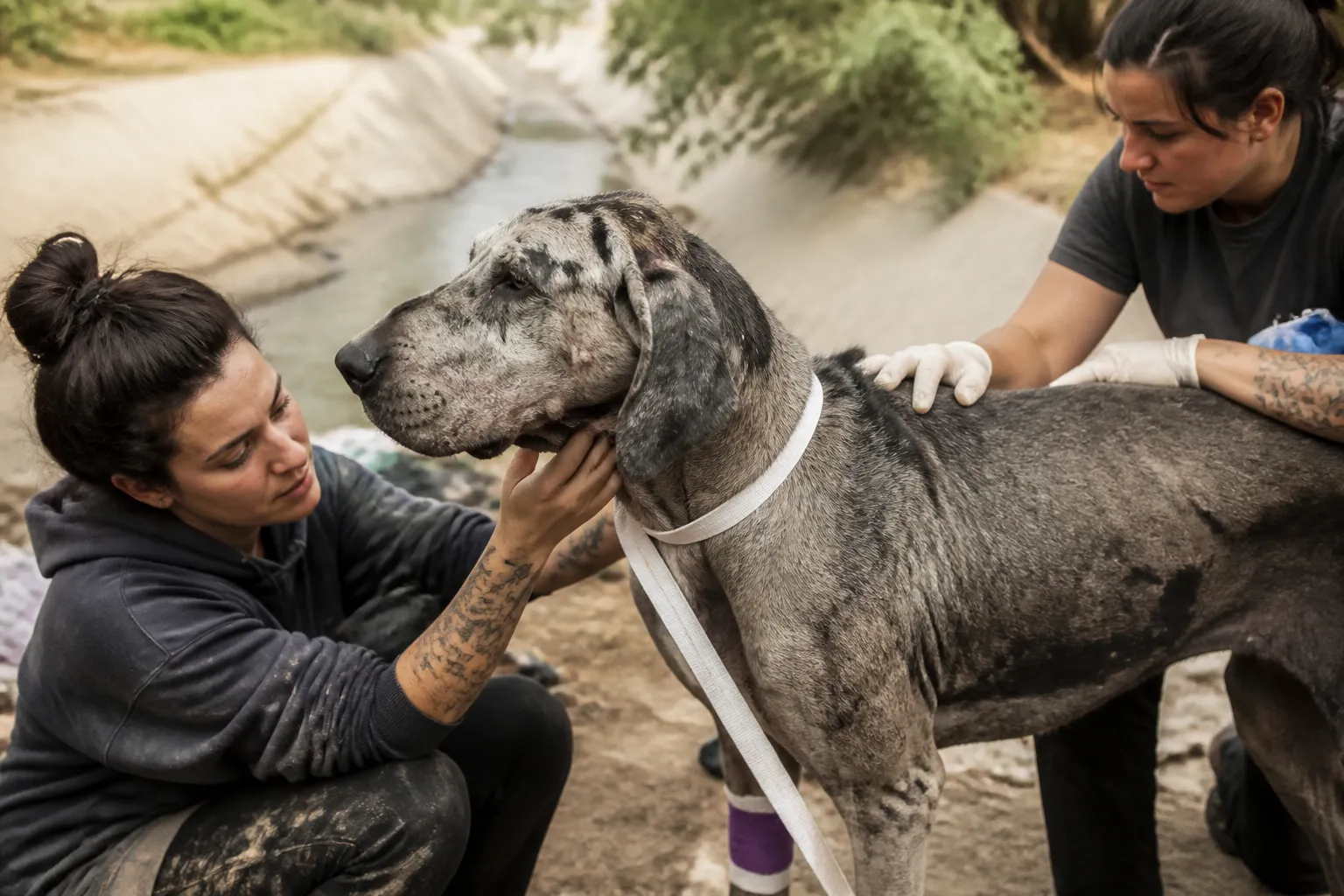
Ruby was living in an arroyo at the University of Texas at El Paso campus when Pawsitive Rescuers of El Paso began the slow work of bringing her in. The Great Dane did not stroll up for a leash and a photo op. According to the rescue’s account, its team spent months feeding her, tracking her movements, and eventually working with a veterinarian to dart her safely.
That is the useful starting image for animal giving in El Paso: care has a shape. Sometimes it looks like a giant dog finally leaving an arroyo. Sometimes it looks like a community cat going back outdoors with a clipped ear after surgery.
Those outcomes belong to two distinct operations, and donors should choose between them on purpose.
Pawsitive Rescuers of El Paso is built for the animal who needs a route through human care. El Paso TNR Inc is built for the outdoor cat whose life remains rooted in a particular block, alley, or yard. One funds a soft landing. The other funds a break in the breeding cycle.
A rescue pipeline begins with securing the animal
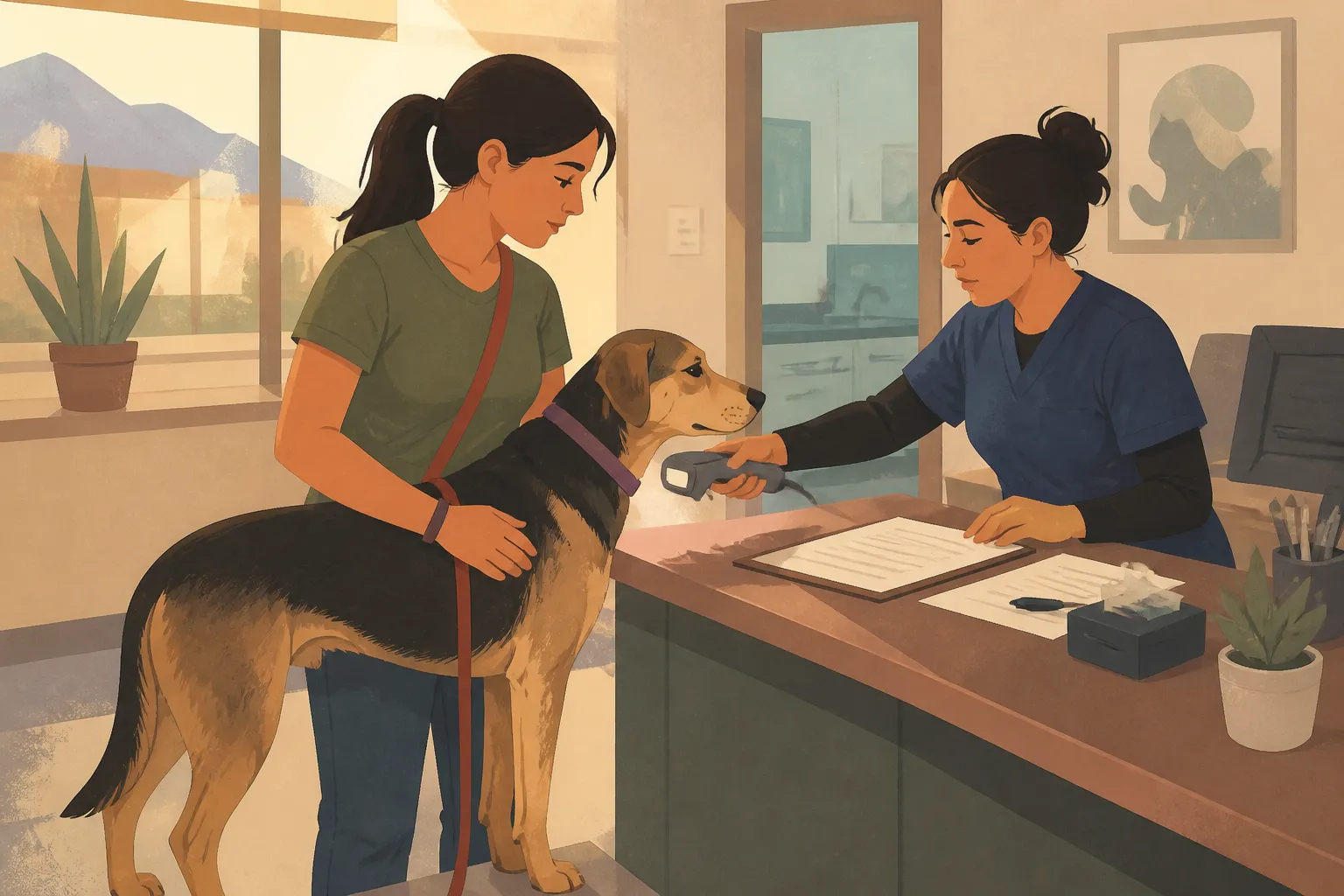
Pawsitive Rescuers, founded by Karen Washington in 2019, serves abandoned, stray, neglected, injured, and abused domesticated animals in El Paso and surrounding counties. Washington had already been rescuing animals in the area for more than 20 years, according to the organization. Her early work included securing loose animals, scanning them for microchips with Animal Services of El Paso and local veterinarians, and reuniting pets with their families.
That microchip step matters. A found dog can be somebody’s lost dog, and the organization’s work includes finding owner information when a chip is present. When reunion is not the answer, the route continues through veterinary care, rehabilitation when needed, a foster home, and adoption placement.
Ruby’s story shows why this model demands patience. So does Lobos, a German Shepherd found living in a Westside El Paso quarry. Pawsitive Rescuers trapped him, called him Jobe, helped him build trust, and sent him for socialization and obedience training, according to its story. The rescue is working with animals as individuals, complete with fear, medical needs, and the occasional deeply inconvenient quarry address.
Community cats need a different kind of care
El Paso TNR began as a volunteer-run nonprofit in 2019 with a much more location-specific mission. Its process is direct: trap an outdoor cat, sterilize and vaccinate the cat, provide cat-room care around surgery, then return the animal to the exact location where it was captured.
Get the weekly digest
New stories, new nonprofits, every Tuesday morning.
That final return can surprise people who equate rescue with indoor adoption. El Paso TNR’s educational materials explain that outdoor cats are not all alike and that some are not candidates for indoor homes. Its site also notes that kittens under four months may still be socialized, while older kittens can begin behaving differently. This is practical animal welfare, tuned to the cat in front of you rather than an imaginary one who happily moves into a living room.
“We’re not a city service, we're neighbors who care.” — El Paso TNR Inc.
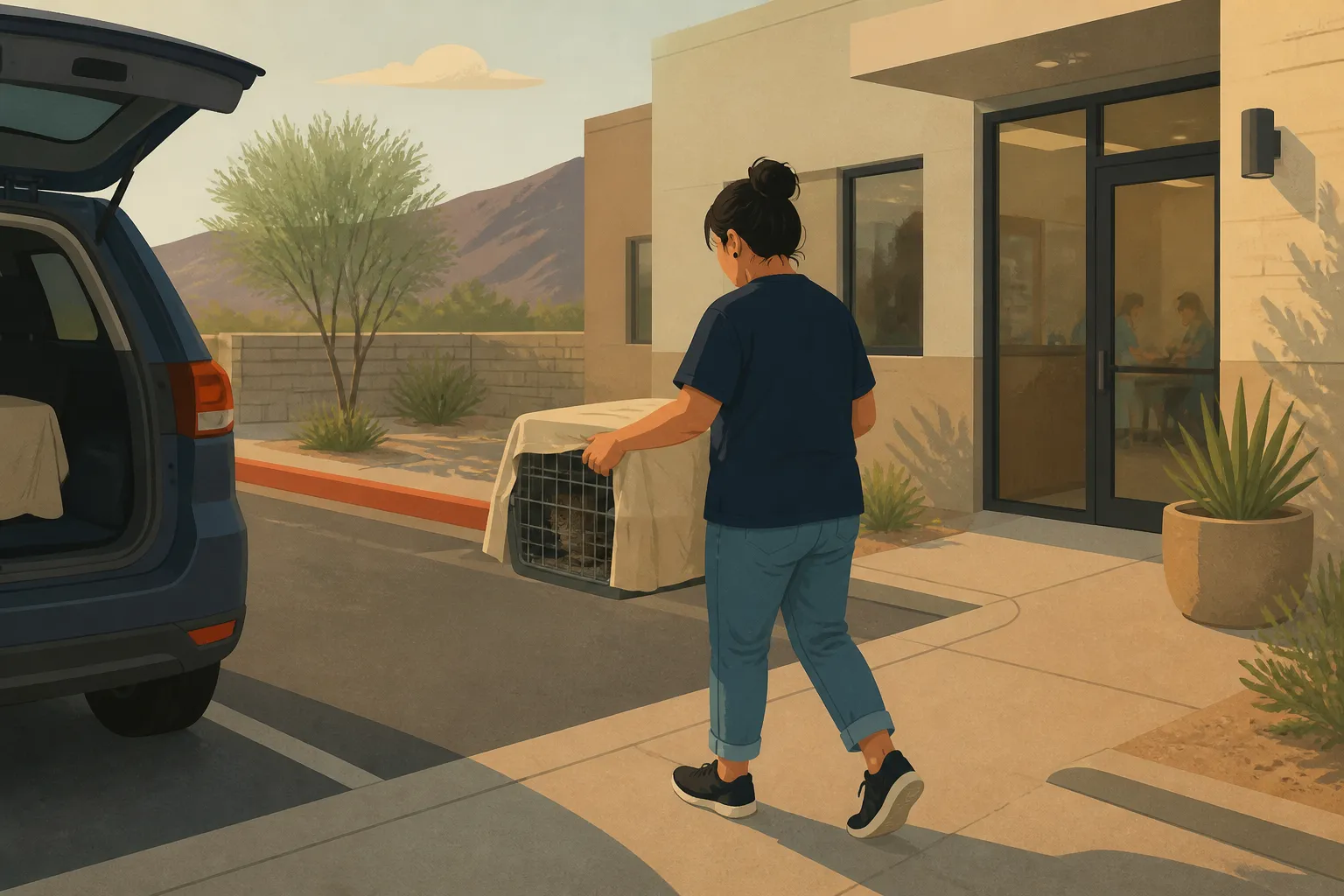
The evidence here is the chain of actions itself. A cat is trapped, transported, fixed, vaccinated, monitored around surgery, and returned. El Paso TNR also teaches residents what a clipped ear means: the cat has been fixed and vaccinated. That small visible marker turns a neighborhood cat into a piece of public information.
How to Donate to Animal Rescue in El Paso
Pawsitive Rescuers lists more foster homes, towels, potty pads, dog food, and old kennels among its current needs. A gift there supports day-to-day operations, food, veterinary care, and emergency treatment for animals who enter its foster-and-placement pipeline.
El Paso TNR directs donations toward trap-neuter-return services, transportation to and from veterinary clinics, and cat-room care before and after surgery. A gift there keeps the practical middle of TNR moving, the portion between a trapped cat and a safe return to familiar territory.
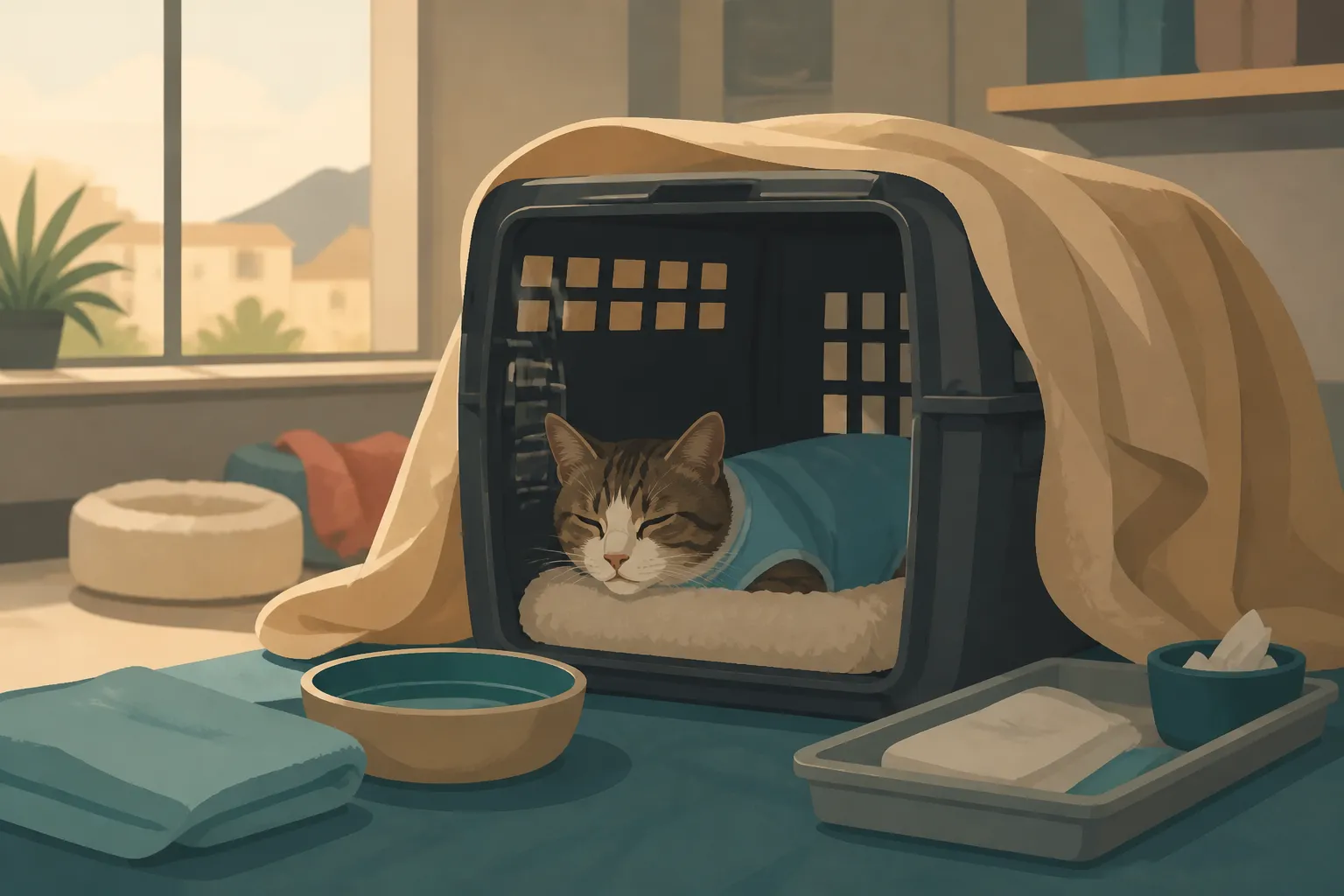
Give to Pawsitive Rescuers when you want to fund the human-care runway for an animal like Ruby: medical help, food, foster space, and a future home. Give to El Paso TNR when you want your donation to move through traps, clinic transport, sterilization, vaccination, recovery, and return. Ruby’s long exit from that arroyo makes the first choice vivid. A clipped ear on a neighborhood cat makes the second one visible every day.
Frequently asked questions
- Where should I donate to animal rescue in El Paso, TX?
- Choose Pawsitive Rescuers of El Paso for foster care, veterinary support, food, emergency care, and adoption placement for vulnerable domesticated animals. Choose El Paso TNR for trap-neuter-return services, clinic transport, and surgery recovery for community cats.
- What does El Paso TNR do with cats after trapping them?
- El Paso TNR states that it traps, sterilizes, vaccinates, and returns outdoor cats to the exact place where they were captured. It also provides education about community cats, kitten season, and clipped ears.
- Does Pawsitive Rescuers of El Paso help found dogs get home?
- Yes. The organization scans found animals for microchips and helps identify owner information. It also provides foster care, medical support, and adoption placement when an animal needs continuing care.
- What does Pawsitive Rescuers of El Paso need most?
- Its listed current needs include more foster homes, towels, potty pads, dog food, and old kennels. Donations also fund veterinary care, food, day-to-day operations, and emergency treatment.
- pawsitiverescuers.org ↗
- Ruby, a Great Dane, was found living in an arroyo at the University of Texas at El Paso campus before Pawsitive Rescuers of El Paso intervened.
- Pawsitive Rescuers of El Paso rescues abandoned, stray, neglected, injured, and abused animals and provides foster care, medical support, adoption placement, and help reuniting found pets with their families.
- Pawsitive Rescuers of El Paso was founded by Karen Washington, who has reportedly rescued animals in the El Paso area for more than 20 years.
- elpasotnr.org ↗
- El Paso TNR’s stated mission is to educate, advocate, and provide trap-neuter-return services for community cats in El Paso.
- El Paso TNR’s TNR program traps, sterilizes, vaccinates, and returns outdoor cats to the exact location where they were found.
- elpasotnr.org ↗
- “We’re not a city service, we're neighbors who care.” — El Paso TNR Inc.
- “Paco-approved.” — El Paso TNR Inc.