
Birds, Trees, and Zoo Diets All Need Donors in Dallas
A good conservation donation should buy something more precise than a pleasant feeling. In Dallas, the smartest bets right now are 60 new acres for songbirds, story-rich historic trees, or the behind-the-scenes science of feeding zoo animals well.
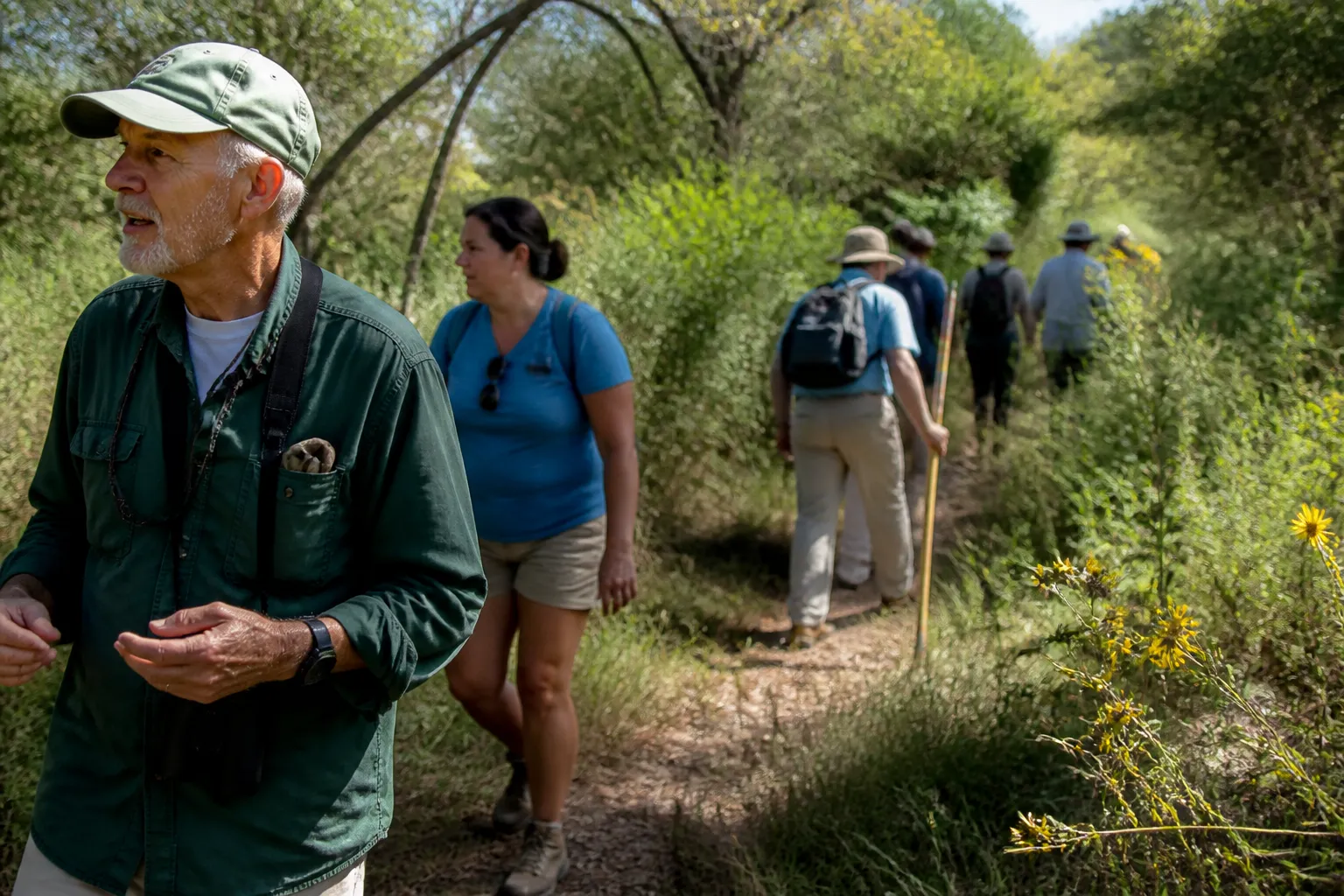
A conservation gift gets mushy fast when the appeal never says what the money will protect. Everybody says they care about nature; far fewer can tell you what, exactly, their dollars are supposed to protect. If you came here looking for where to donate for wildlife conservation in Dallas, good; that question is better than the vague version. Right now, the sharpest local answers are not interchangeable. One group buys and stewards habitat you can actually walk through. One treats old trees as living historical records worth documenting before they disappear. And one backs the unglamorous science that decides what zoo and wildlife animals should eat.
In 2025, Dallas County Audubon Society bought a 60-acre tract west of Cedar Ridge Preserve for the Songbird Sanctuary, planned to open in 2026. That is the kind of detail I want from a conservation appeal. The appeal names 60 acres west of the preserve and a sanctuary with a name. That same concreteness runs through this whole list: Dallas Historic Tree Coalition asks for formal tree nominations for significant trees; Zoo and Wildlife Nutrition Foundation funds residencies, travel grants, and research for nutritionists. The three groups make very different, concrete bets.
| If your donation should protect… | Give here | Why this works |
|---|---|---|
| Habitat you can stand inside | Dallas County Audubon Society | It manages the 633-acre Cedar Ridge Preserve and added 60 acres for the Songbird Sanctuary in 2025. |
| Trees with biography | Dallas Historic Tree Coalition | It researches, documents, recognizes, and advocates for significant trees, including historic and heritage trees, along with Indian marker trees. |
| Better-fed animals in managed care | Zoo and Wildlife Nutrition Foundation | It funds residency training, student travel, and research for zoo and wildlife nutritionists. |
Where to donate for wildlife conservation in Dallas, if what you mean is habitat
At Cedar Ridge Preserve, conservation has dirt under its nails. Dallas County Audubon Society manages a 633-acre natural sanctuary with hiking trails, native prairies, woodlands, butterfly gardens, and bird habitat. It hosts about 500,000 visitors annually. That matters, because the best habitat work in a city is a place large numbers of people can encounter and keep caring about.
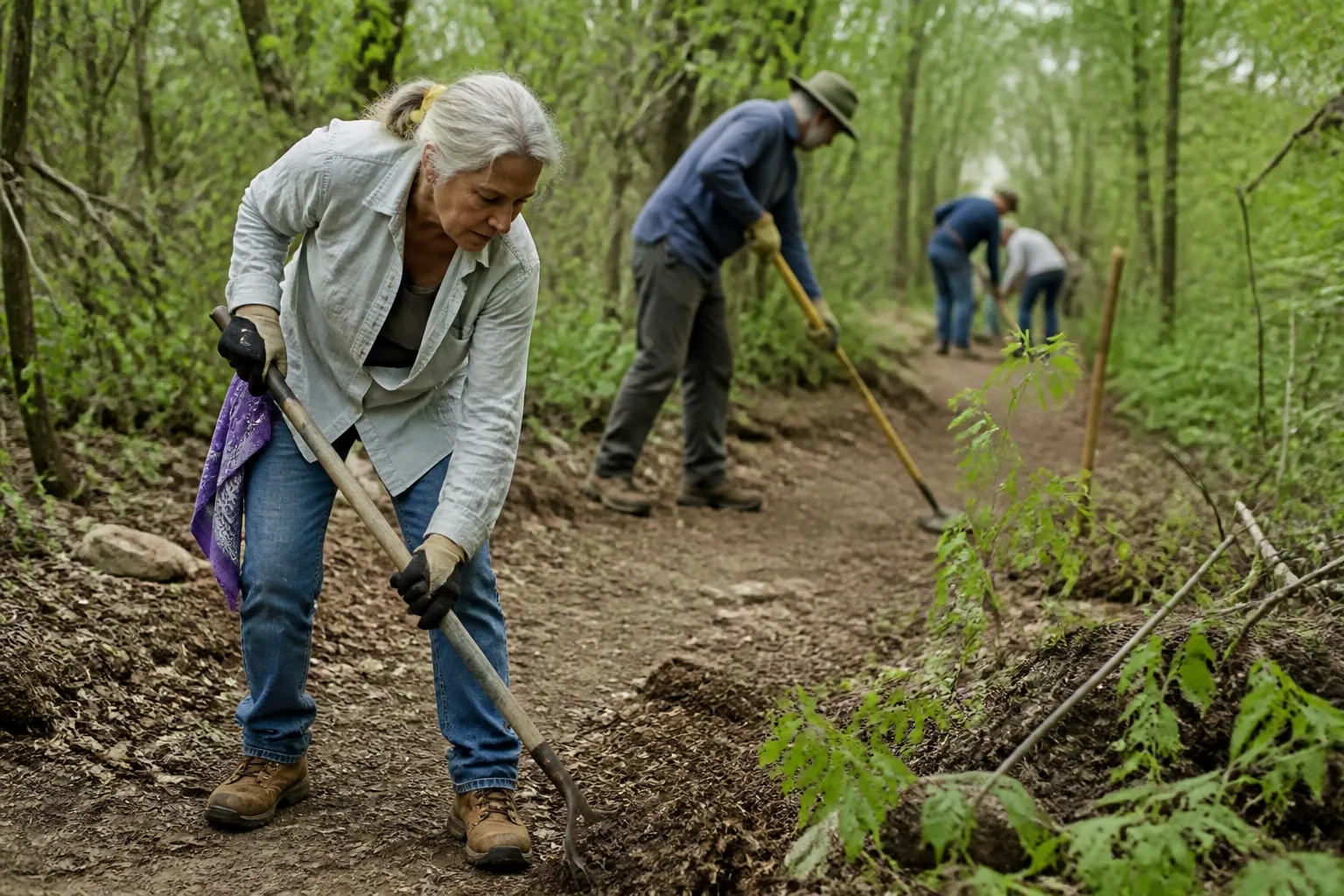
Founded in 1973 as a local chapter of the National Audubon Society, the group took over management and education responsibilities for Cedar Ridge Preserve in 2003 from the Dallas Nature Center. Today it runs with 3 staff and 150 volunteers, which is exactly the sort of ratio I like to see when the mission is boots-on-the-ground stewardship rather than office-presentation heroics. Donations support trail maintenance, restoration of native ecosystems, stewardship of the land itself, and educational programs for children and adults.
The 2025 land purchase is the headline for a reason. A 60-acre tract west of the preserve is the planned Songbird Sanctuary, set to open in 2026. If you are the kind of donor who wants your gift to map cleanly onto a place, this is the most tangible option in the bunch.
And Audubon does not stop at owning or managing acreage and calling it a day. The society runs birding field trips, educational programs, nature walks, prairie restoration, post-oak forest restoration, pollinator garden workshops, milkweed workshops, and a serious slate of citizen-science work, including Christmas Bird Counts, Great Backyard Bird Count participation, Climate Watch, breeding bird surveys.
That combination turns casual admiration into repeated contact, then into data, then into stewardship.
"Our mission is to support and promote the conservation of birds and other wildlife, the protection of habitat and biodiversity, and the provision of education and opportunities for our entire community to observe and appreciate nature." from Dallas County Audubon Society, an organization
If your version of conservation needs to feel like a trail under your shoes and a workday on your calendar, start here.
The tree choice: conservation for people who think landscape can remember
Some donations protect wildlife directly. Some protect the places where a region keeps its memory. Dallas Historic Tree Coalition is for the second kind of donor, and I mean that as high praise. This group began in 1995 as the Dallas Historic Tree Coalition, then grew into the Texas Historic Tree Coalition in 2014. The scope expanded, while the original insight remains gloriously local because certain trees are living records of local history.
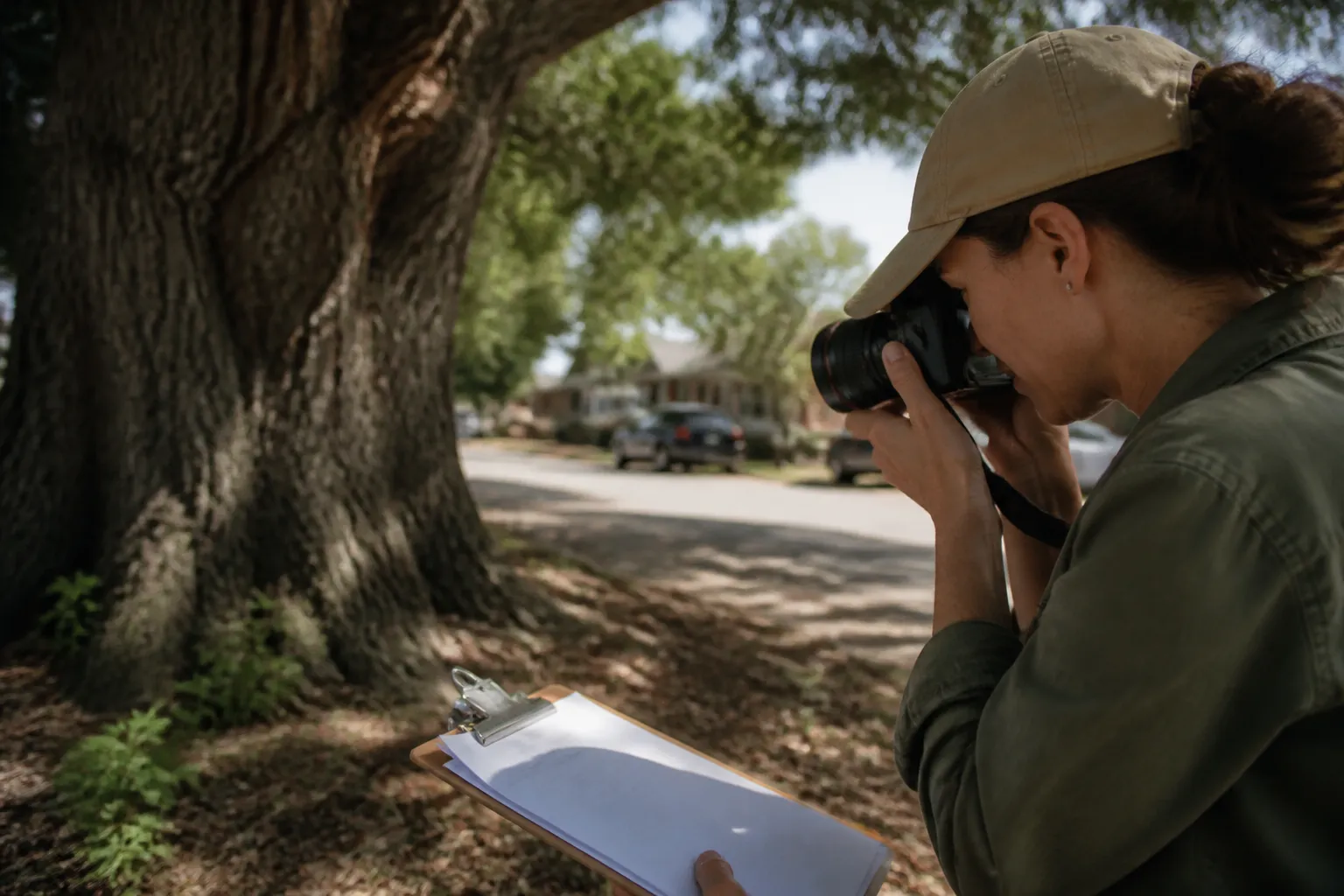
What makes this organization interesting is that it refuses to let "historic tree" become a sentimental label slapped on any handsome old trunk. It accepts formal nominations for historic and heritage trees, plus separate nominations for potential Indian marker trees. That means photos. Location details. Property owner permission when needed. Supporting evidence from credible sources. The result is a paper trail for a living thing.
Steve Houser, a founding member and chairperson of the Indian Marker Tree Committee, is a clue to the coalition's personality. The coalition treats tree appreciation as research-heavy stewardship. The coalition researches, documents, and protects significant trees, then gives the public practical tools like The Texas Tree Advocacy Workbook for organizing tree advocacy in crisis situations. That is the difference between admiring trees and showing up for them.
"Dedicated to finding, researching, recognizing, preserving, and celebrating significant trees in Texas." from Dallas Historic Tree Coalition, an organization
Get the weekly digest
New stories, new nonprofits, every Tuesday morning.
I especially like that this is still an all-volunteer nonprofit. That detail changes the emotional texture of the gift. You are not underwriting a vague green brand; you are helping volunteers do site inspections, documentation, recognition, public education, and advocacy around large native trees in urban environments. For donors who care about the history of a place and the fact that it sometimes survives as bark and canopy instead of brick, this is the sleeper pick.
The coalition’s public education emphasizes the benefits of large native trees in urban environments, which is exactly why this belongs in a conservation conversation as much as a history one.
The backstage bet: animal nutrition is conservation, too
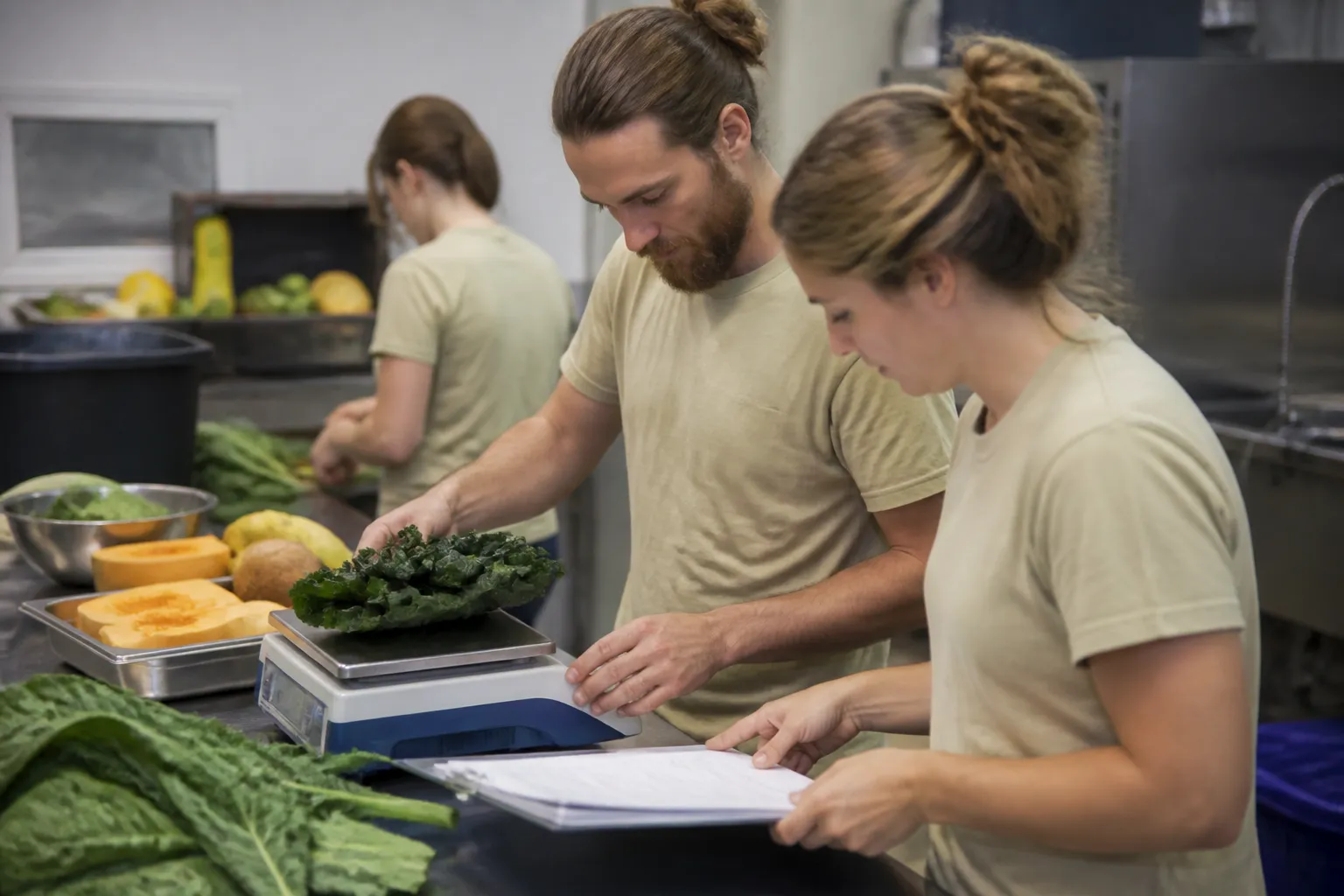
Most people think they know what an animal charity looks like. They picture rescue photos, enrichment toys, maybe a sponsor-an-animal page. Zoo and Wildlife Nutrition Foundation funds the people and research behind what animals in managed care actually eat.
"We do not publish "standard" diets." from Zoo and Wildlife Nutrition Foundation, an organization
That sentence is catnip if you have any respect for science. Good nutrition is not generic. The foundation puts it even more plainly elsewhere: "The most appropriate diet for your animal is one that accounts for its nutritional, husbandry, behavioral, and clinical needs as well as individual preferences." Exactly. Not one laminated feeding chart to rule them all. A practice that depends on careful diet decisions.
Established in 2012 in support of the Association of Zoos and Aquariums Nutrition Advisory Group, the foundation serves AZA member institutions, zoo and wildlife nutritionists, students and trainees at qualified host institutions. Its flagship is the Sue Crissey Animal Nutrition Residency Fund, or SCARF, a residency program established in 2006 to honor Sue Crissey and support the next generation of zoo nutritionists through training at qualified host institutions. This is the human center of the story because somebody has to train the people who will spend years getting diets right.
The numbers are modest in scale and excellent in precision. From 2012 to 2022, the foundation provided over $56,000 to support training qualified zoo nutritionists through SCARF, $9,000 to help 21 students travel and participate in nutrition conferences around the country, and $10,477 to support 6 research projects. It also backs nutrition education and diet guidance more broadly, in concert with the AZA Nutrition Advisory Group. The 2025 NAG/ZWNF Conference on Zoo and Wildlife Nutrition, scheduled for October 19 to 22 in Oklahoma City, is more evidence that this is an active field-building organization.
Financially, this is a compact specialist: $53K in revenue and $139K in assets on its latest IRS snapshot. I find that appealing here. A donation does not disappear into a giant machine; it goes toward resident training, student travel grants and research programs that reach zoo and wildlife institutions worldwide from a Fort Worth base.
If you are the donor who likes the part of conservation most people never see, including the spreadsheet, the protocol, and the trained specialist behind the habitat exhibit — this is your move.
Pick the noun, not the vibe
Dallas gives you three unusually crisp ways to give to nature work, and that is rarer than it should be. Most "conservation" pitches ask you to fund a feeling. These ask you to fund something with edges.
| If you want to fund… | Best fit | Your dollars support |
|---|---|---|
| More protected habitat people can use and defend | Dallas County Audubon Society | Cedar Ridge Preserve stewardship, trail maintenance, native ecosystem restoration, and education, plus momentum behind the Songbird Sanctuary |
| Living landmarks with documented history | Dallas Historic Tree Coalition | Historic and heritage tree research, nominations, recognition, preservation, and public tree stewardship resources |
| Better animal care through expertise | Zoo and Wildlife Nutrition Foundation | SCARF resident training, student travel grants, research projects, and nutrition education |
My advice is simple: do not donate to "nature" as a mood. For the most visible Dallas-grounded result, fund Cedar Ridge Preserve stewardship or the Songbird Sanctuary. If you want to protect living archives, support the tree coalition's research and advocacy work. If your heart lives backstage, send money to SCARF or a zoo nutrition research grant.
Decide whether your gift is for habitat, heritage trees, or nutrition science, then back the organization built for that job.
Tonight, pick one of those nouns and give to that line item. That is how a conservation gift stops being abstract and starts having a shape.
Frequently asked questions
- What is the most tangible wildlife conservation donation in Dallas?
- Dallas County Audubon Society is the clearest habitat-first option. It manages the 633-acre Cedar Ridge Preserve and purchased a 60-acre tract in 2025 for the Songbird Sanctuary, with donations supporting stewardship through trail work, habitat projects, and programs for children and adults.
- Can I donate to protect historic trees in the Dallas area?
- Dallas Historic Tree Coalition began in Dallas in 1995 and now works across Texas to research, document, and protect significant trees, including historic and heritage trees, as well as potential Indian marker trees.
- How do I nominate a historic or heritage tree in Texas?
- Use the coalition’s Historic and Heritage Tree Nomination Form. The group asks for photos and, when needed, property owner permission; potential Indian marker trees use a separate nomination form with location details and supporting evidence from credible sources.
- What does the Zoo and Wildlife Nutrition Foundation actually fund?
- It funds the Sue Crissey Animal Nutrition Residency Fund, student travel grants to nutrition conferences, research grants, and broader nutrition education and diet guidance in support of zoo and wildlife feeding programs.
- Does Dallas County Audubon offer ways to help beyond donating money?
- The society offers habitat restoration and trail maintenance workdays at Cedar Ridge Preserve and ways to join bird monitoring efforts such as the Christmas Bird Count and Great Backyard Bird Count.
- audubondallas.org ↗
- Dallas County Audubon Society purchased a 60-acre tract west of Cedar Ridge Preserve in 2025 for the Songbird Sanctuary, creating a concrete habitat-preservation hook for the story.
- Dallas County Audubon Society manages and maintains the 633-acre Cedar Ridge Preserve, which the organization’s first-party profile says draws about 500,000 visitors annually.
- txhtc.org ↗
- The organization now known as the Texas Historic Tree Coalition began in 1995 as the Dallas Historic Tree Coalition and expanded its name and scope in 2014.
- nagonline.net ↗
- Zoo and Wildlife Nutrition Foundation supports the next generation of zoo nutritionists through the Sue Crissey Animal Nutrition Residency Fund, education and travel grants, and research grants.
- Zoo and Wildlife Nutrition Foundation announced the 2025 NAG/ZWNF Conference on Zoo and Wildlife Nutrition, scheduled for October 19–22, 2025, in Oklahoma City.
- txhtc.org ↗
- “Dedicated to finding, researching, recognizing, preserving, and celebrating significant trees in Texas.” — Texas Historic Tree Coalition