
One McKinney Tower Could Change Dallas Emergency Prep
Disaster prep gets practical at the McKinney IHOP at 7:30 a.m., where McKinney Amateur Radio Club works on Dallas-area readiness and repeaters support emergency communications.
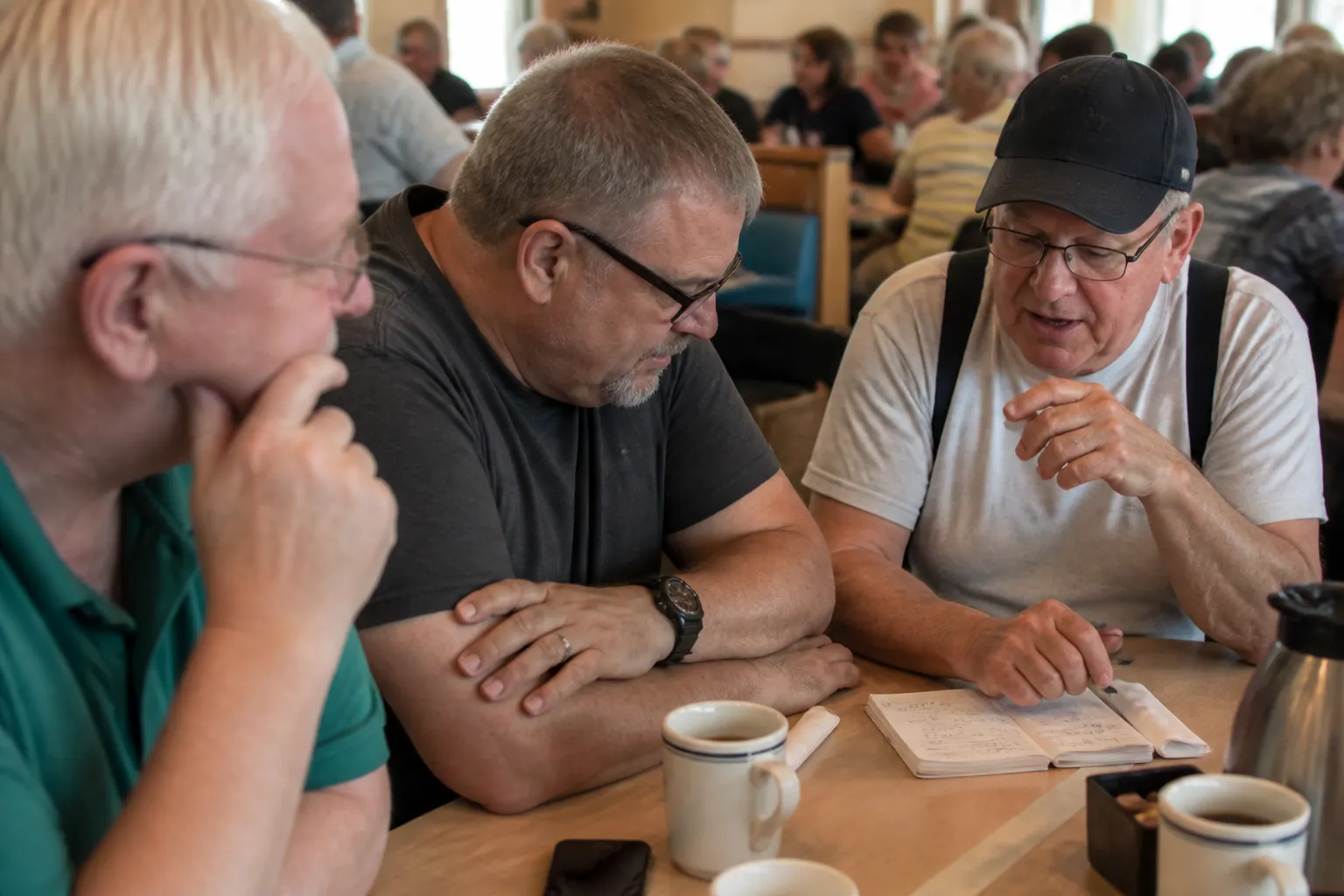
By 7:30 on a Saturday morning, the coffee is already moving at IHOP in McKinney, and so are the questions. Which antenna? Which net? Who needs a license exam slot this month? It is a better picture of preparedness than most official brochures ever manage. If you came here searching how to help disaster preparedness in Dallas, start with this booth, this hour, this habit.
Emergency prep gets abstract fast, with most people thinking of weather apps, bottled water, and whatever county PDF they swear they downloaded last spring. McKinney Amateur Radio Club Inc. makes the whole thing blessedly concrete. The club is based in McKinney and works across Collin County and North Texas, offering license training and testing, public service communications, technical training and hands-on workshops, weekly nets, and the less glamorous backbone work of operating FM repeaters, APRS digipeaters, and backup repeaters.
The tagline fits a club that is an ARRL-affiliated Special Service Club, with people training on purpose, equipment maintained on purpose, and a local culture that expects to be useful on purpose. This is a North Texas civic habit, practiced in the open and ready when McKinney needs it.
This story stays stubbornly local on purpose. Dallas-area readiness does not drop from the sky fully formed; it gets stitched together out of McKinney routines, Collin County volunteers, and the people who already know one another before communications support is needed. That is why the headline’s tower matters. A tower project makes the point beautifully because towers are the opposite of abstraction. You can point to one and understand instantly that resilience lives in the hardware and the local group equipped to support community events and emergency services when needed.
how to help disaster preparedness in Dallas? Fund the Part That Stays Put
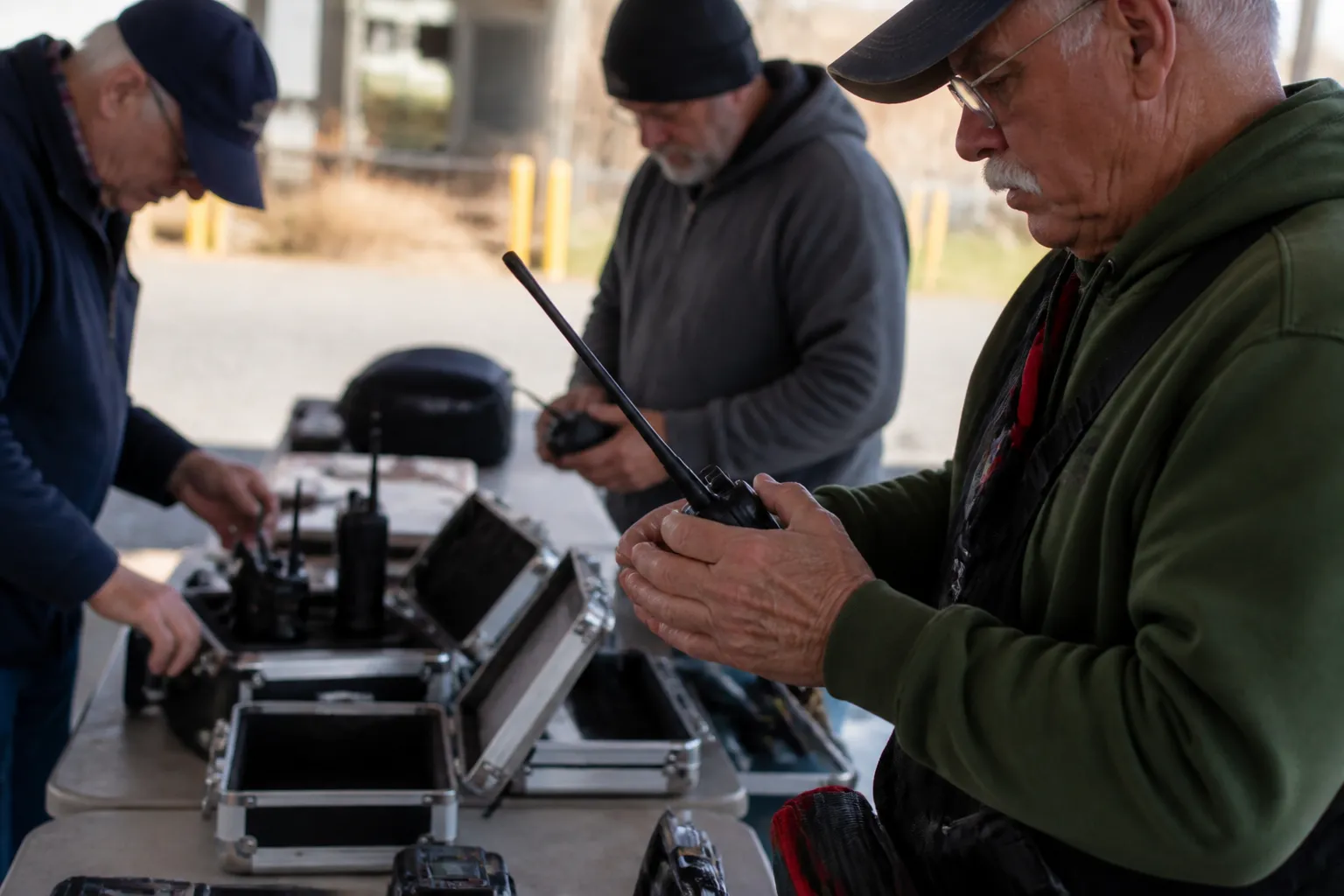
Most disaster talk jumps straight to the dramatic moment, while the smart local version works backwards. Before anybody relays information under pressure, somebody has to keep the system healthy in ordinary weeks. That means repeaters that work, backups that exist, operators who know the procedure, and a group that practices often enough to stay sharp.
McKinney Amateur Radio Club already owns and operates FM repeaters, APRS digipeaters, and backup repeaters that support local amateur radio communication, the least glamorous sentence in this story and easily the most important. This is the physical layer of readiness. A project with tower in the name matters for exactly that reason.
Communication is only as sturdy as the infrastructure holding it up.
I do not need a flashy rendering or a donor wall to care about tower work. When a club says it needs infrastructure maintenance and expansion, believe it. A tower project earns its keep through continuity. In emergency communications, continuity is the whole game.
The club is admirably plain about where support goes. Donations fund maintaining and expanding support efforts and educational efforts. They also fund the upkeep and expansion of repeater infrastructure, which is where I would want the money anyway. The best preparedness work is often the stuff that never photographs well, including the insured asset, the tuned antenna, the backup system, and the boring fix that keeps a message moving when boring suddenly becomes the most beautiful word in town.
What makes this more than a hobby is the public-service lane. The club provides volunteer communications support for community events and emergency services when needed in North Texas. A town gets more resilient even outside headline moments when it has people who know how to pass clean information, follow procedure, and work together under ordinary civic pressure first.
There is also a strong local web around this work. The club partners with CERT, the Amateur Radio Emergency Service North Texas Section, the National Weather Service, the Heard Museum and ARRL, along with the Dallas Regional Science and Engineering Fair. That is a very McKinney-to-North-Texas mix, with civic volunteers, weather watchers, technical mentors, museum folks, and science students. Exactly the kind of orbit you want in place before a community needs a signal.
The Best Preparedness Drill in McKinney Might Be Breakfast
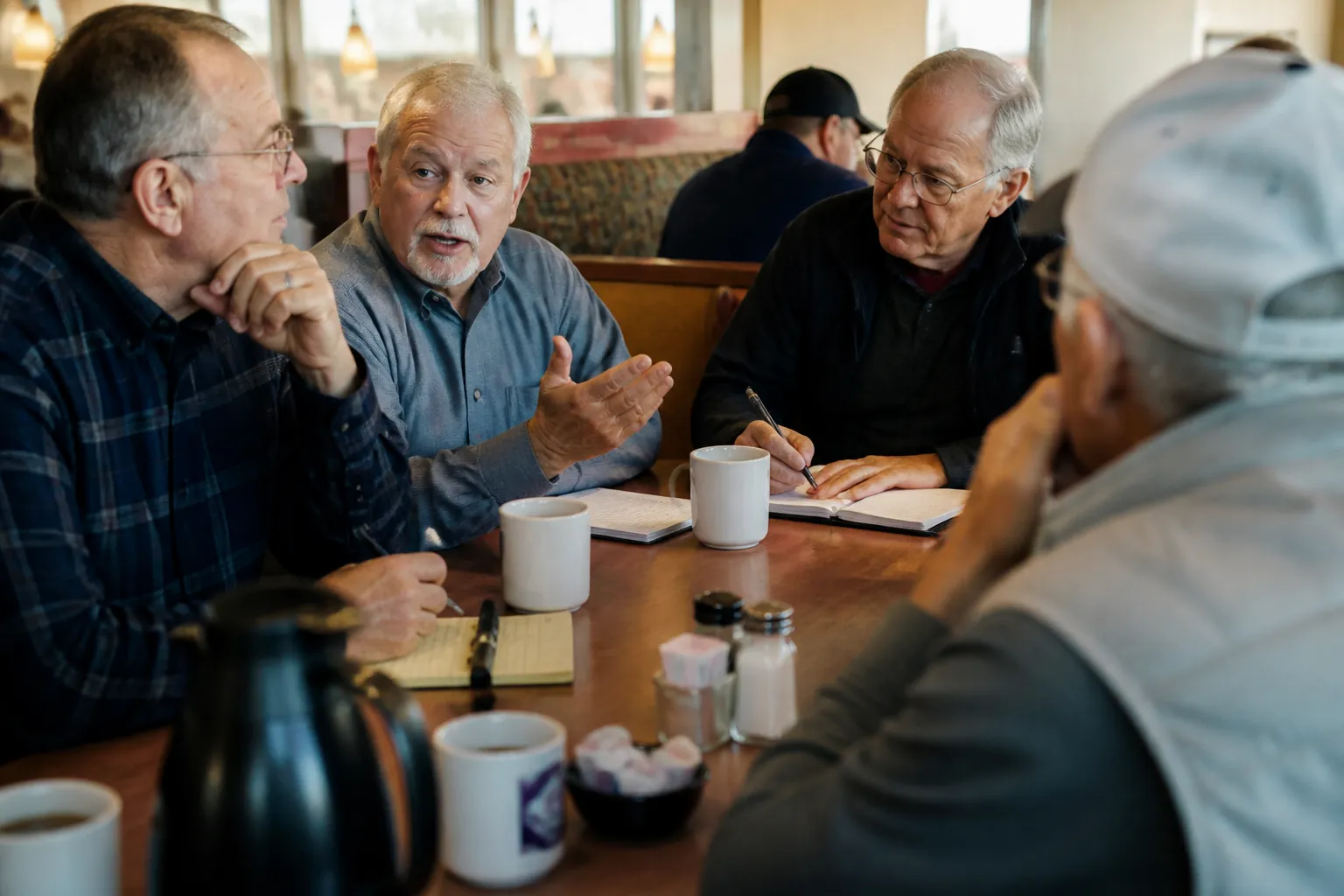
My favorite verified detail about this club is still the simplest one. Every Saturday at 7:30 a.m., regular faces and newcomers can meet for an open breakfast discussion at IHOP in McKinney, with questions and answers for people still learning the vocabulary. In a world that loves to confuse awareness with readiness, that weekly breakfast is a minor masterpiece.
Because readiness that only exists at an annual event is theater. Readiness that can get itself to IHOP before most of the town has finished sleeping is culture.
And the breakfast is a working part of the club’s preparedness routine. People interested in amateur radio — beginners, licensed operators, students, youth — have a standing place to start. Clubs that matter understand that trust is a technical asset. When you have heard someone’s voice on the Sunday net, sat across from them at breakfast, and watched them troubleshoot a radio, you are not meeting for the first time when something important needs doing.
Get the weekly digest
New stories, new nonprofits, every Tuesday morning.
From there, the club offers license training sessions and mentoring, followed by FCC amateur radio license exams for all three license classes. The general business meeting lands on the second Tuesday at 7:00 p.m. at Spring Creek Barbecue. Weekly nets include a Sunday general information net and a Monday simplex net, alongside ARES activity. The addresses matter less than the repetition. McKinney has built itself a calendar of competence.
I have a soft spot for organizations that can tell you exactly where to find them and when: an actual seat at an actual table in McKinney, rather than a someday webinar or a vague interest form.
That calendar keeps the club from drifting into theory. Members practice procedures, test equipment, and build communication skills on scheduled nets. Workshops go hands-on with antenna building, antenna tuning, electronics, soldering, digital modes, and software-defined radio. The club also publishes on emergency communication preparedness, antenna building and tuning, and global radio wave propagation. This is what I mean by concrete: actual people in actual rooms and on actual airwaves, learning how things work rather than making lofty promises.
Since January 1, 2025, Robert Keister has led the club, with Tim Valis and Lance Chapman helping keep the work moving. I like naming the names because local preparedness should feel accountable to a place. Between the Saturday IHOP breakfast and the monthly meeting at Spring Creek Barbecue, this group lives where McKinney lives, in recurring rooms, familiar parking lots, and routines that make a town more capable than it looked on paper.
This Club Understands That Preparedness Is Also a Pipeline
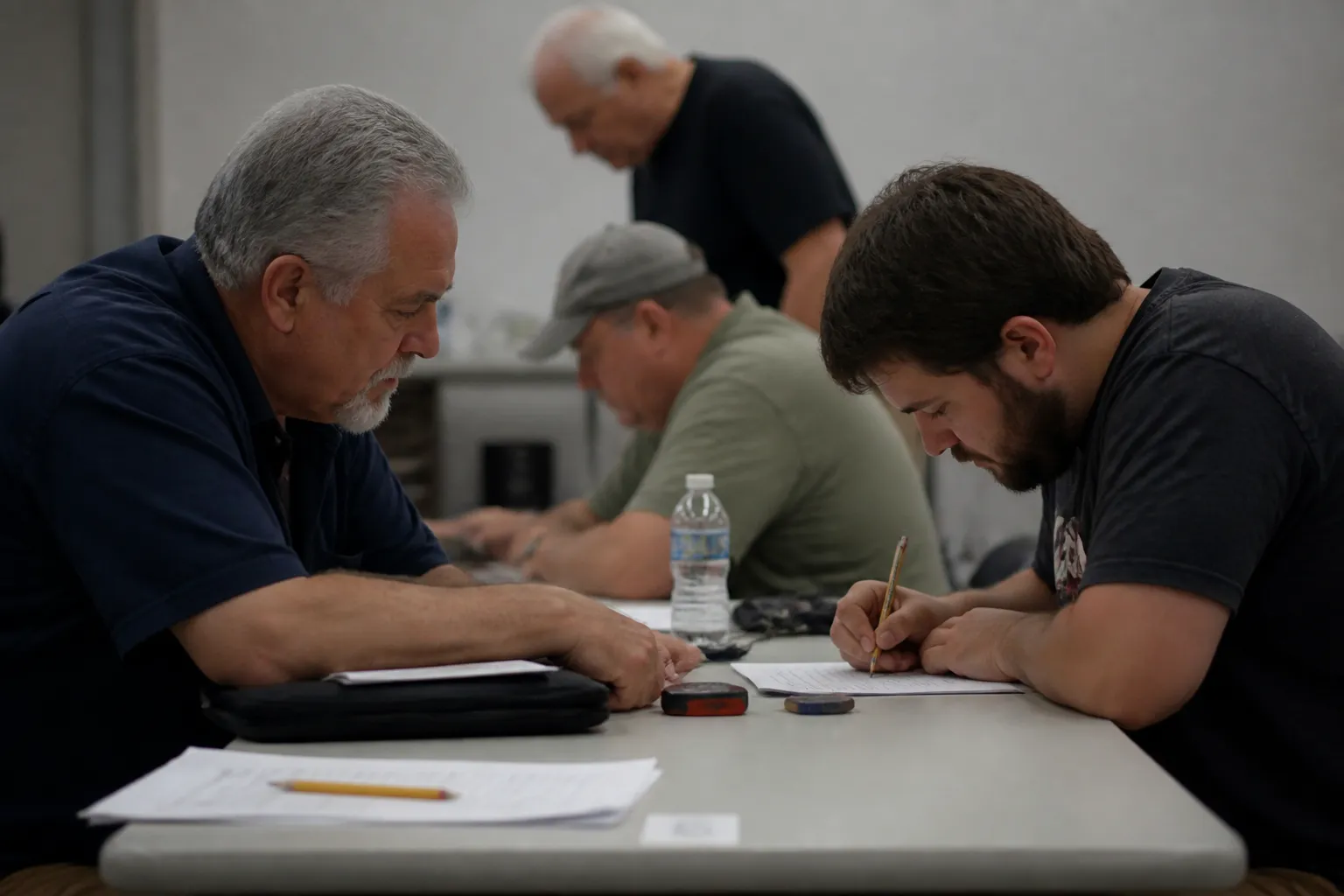
The sharpest thing McKinney Amateur Radio Club does is treat learning as infrastructure too, a practical way to build resilience beyond the same handful of experienced operators. A region does not get resilient by relying on the same handful of experienced operators forever. It gets resilient by making sure the next curious kid, next science-fair student, next neighbor with a technical bent has a clear path from interest to skill.
Here, that path is visible. A newcomer can show up at breakfast, move into training, sit for an FCC exam, practice on nets, and keep growing through workshops and operating events. If you are curious, the entry points are unusually civilized, including Saturday breakfast, monthly meetings, training activities, or reserving a spot for a license exam. That openness keeps a technical club from turning into a closed loop.
The club’s Youth Fund gifts a radio to members under 18 who pass their FCC license. That is a terrific detail, concrete and useful. There is also support for a scholarship for a Dallas Regional Science and Engineering Fair student, which tells you the club is paying attention not just to today’s operators but to tomorrow’s problem-solvers.
The culture around operating matters too. The club reports 80+ Field Day points, and it actively invites people to help with Field Day operations, support public service communications at community events, or even serve as a fox operator. I love that one of the ways to be useful here is literally called a fox operator. It tells you something about amateur radio at its best. Serious skills are taught through hands-on, neighborly, occasionally delightfully odd local tradition.
There are open supporting roles too, including Public Information, QSL Manager, and Activities. That matters because good preparedness groups are built from operators at the microphone and the people who organize the work and sustain it week after week.
This is where the club’s mission stops sounding like polished website language and starts feeling true. The club turns its mission of learning and public service into regular practice, building technical and communication skills while connecting operators locally and globally. In plenty of organizations, those phrases float. In McKinney, they land on soldering irons, license exams, youth radios, Sunday nets, and the plain old discipline of showing up again next week.
Dallas-area preparedness is always going to sound huge until you shrink it to something you can actually support. In McKinney, it shrinks nicely: a repeater maintained, a backup system improved, a Saturday breakfast kept on the calendar, a young operator handed a first radio, a local club ready to help when the community needs a signal.
The signal has to live somewhere.
If you want to do one genuinely useful thing, support McKinney Amateur Radio Club’s repeater infrastructure maintenance and expansion.
Frequently asked questions
- How can I help disaster preparedness in Dallas without joining emergency services?
- McKinney Amateur Radio Club in McKinney supports local communications readiness by funding repeater infrastructure maintenance and expansion across Collin County and North Texas, while supporting training and public-service communications.
- Do I need a ham radio license to get involved with McKinney Amateur Radio Club?
- The club serves beginners, licensed operators, students, and youth through breakfast discussions, mentoring, training sessions, and FCC exams.
- Where does McKinney Amateur Radio Club meet?
- The club holds an open breakfast discussion every Saturday at 7:30 a.m. at IHOP in McKinney. Its general business meeting is on the second Tuesday at 7:00 p.m. at Spring Creek Barbecue.
- What do donations to McKinney Amateur Radio Club support?
- Donations support educational efforts and the maintenance and expansion of repeater infrastructure, including insurance and improvements. They also help sustain initiatives like the Youth Fund and science fair scholarship support.
- What kind of training does the club offer?
- Programs include license training and testing, weekly nets for operating practice, and hands-on workshops on antennas, soldering, digital modes, software-defined radio, and related radio skills.
- mckinneyarc.org ↗
- McKinney Amateur Radio Club is based in McKinney, Texas, and serves members and prospective operators in McKinney, Collin County, and North Texas.
- The club provides license training, mentoring, and FCC amateur-radio license testing for beginners and other prospective operators.
- The club provides volunteer communications support for community events and emergency communications activities.
- The club offers hands-on technical programming, including antenna building, antenna tuning, electronics, lectures, and presentations.
- McKinney Amateur Radio Club is identified in the supplied first-party record as an ARRL-affiliated Special Service Club.