
Most Dallas Housing Donations Stop at Rent. These 3 Don't.
If you’re looking where to donate for housing assistance in Dallas, skip the predictable rent-relief roundup. These three nonprofits work beyond rent relief, tackling unsafe homes and the conditions that help families reach ownership.
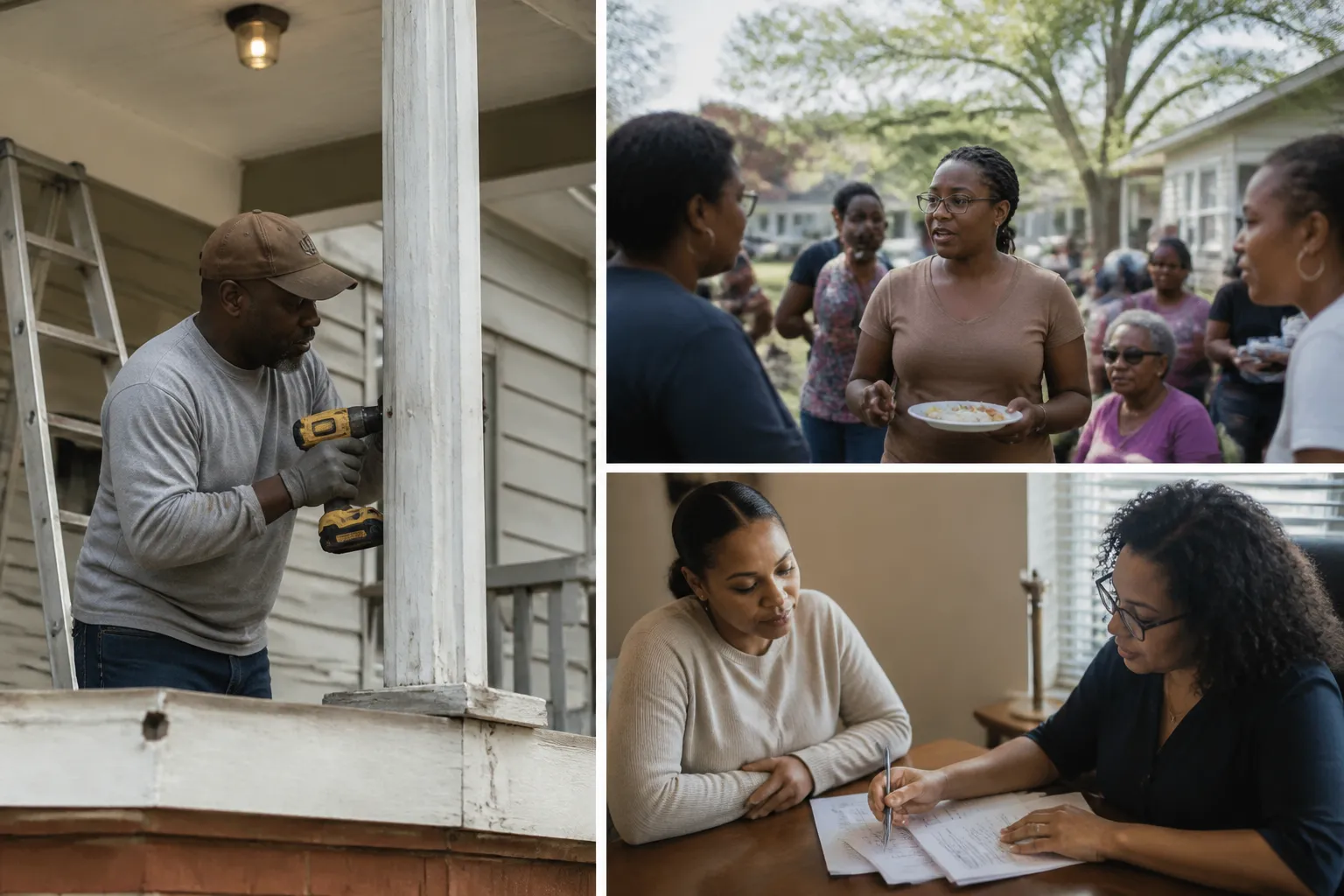
A middle-school career day is not where most people expect a housing strategy to begin. But Jason Brown, the president and CEO of Dallas City Homes, still traces his work back to one speaker who showed up and widened the frame. “I’m in this position now because of someone that came to my career day back in middle school who was just talking about their involvement in commercial real…” For Brown, that moment turned property into possibility.
For donors, it is a useful reminder that housing stability is never just about a monthly bill.
If you found this piece by searching where to donate for housing assistance in Dallas, the sharper answer is to look beyond rent. Rent relief matters, but it expires. The better Dallas bets are the groups working on what happens before the crisis and after the check clears: fixing the home that has become unsafe, holding a neighborhood together so affordability survives, and helping families get all the way to ownership.
That is why these three nonprofits fit together so well. Dallas City Homes thinks at the scale of the block. Rebuilding Together Greater Dallas works on the house itself. South Dallas Fair Park Innercity Development Corporation, better known as ICDC, works on the path from renter or would-be buyer to owner. Each organization brings a different angle, creating a smarter way to keep people housed.
Each one covers a different break in the housing chain. Dallas City Homes keeps the block steady, Rebuilding Together Greater Dallas keeps the house usable, and ICDC helps families move from counseling to ownership. For donors, the question is less which need is loudest than which layer of stability they want to reinforce.
Where to donate for housing assistance in Dallas: start with the block
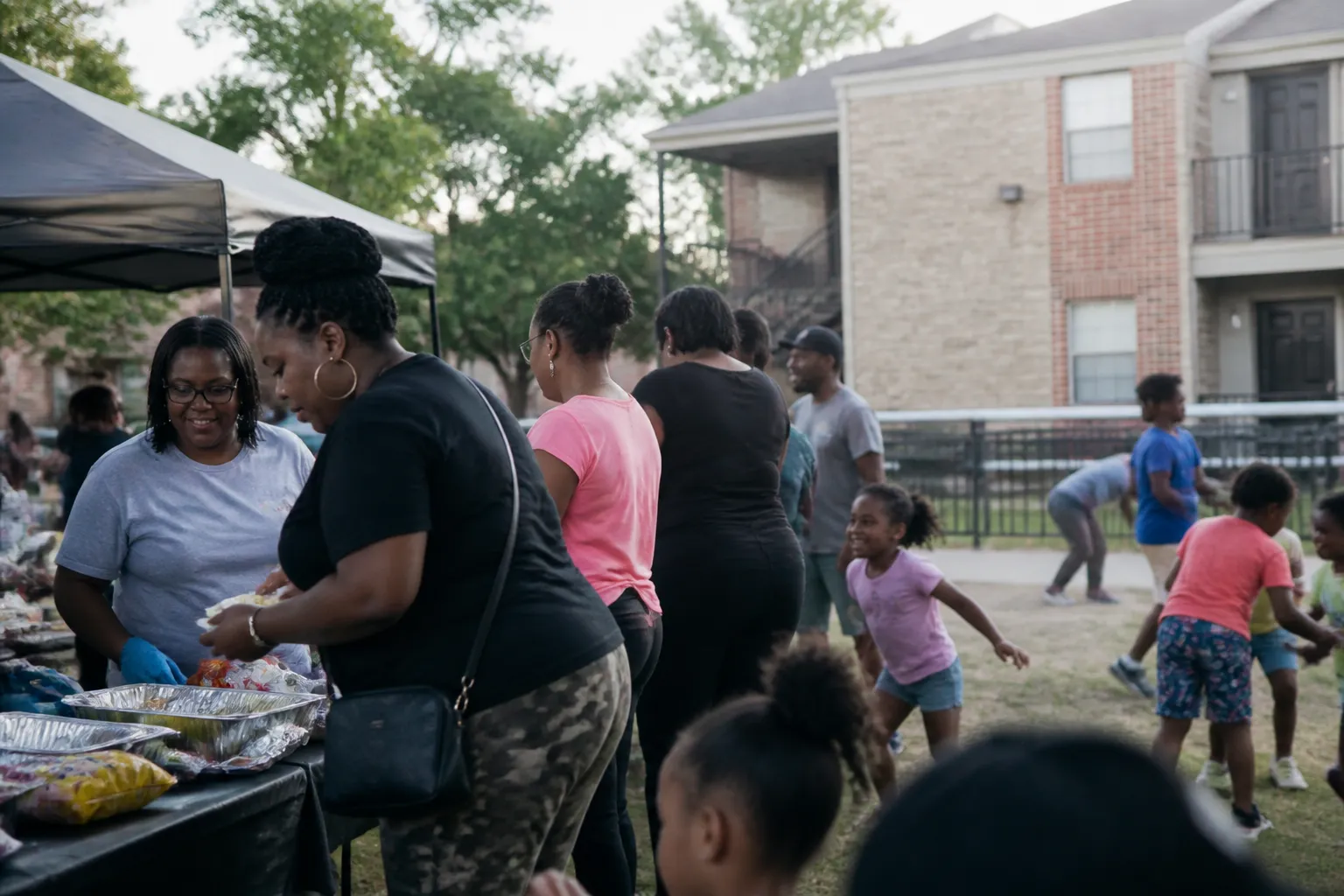
Dallas City Homes does something a lot of housing conversations skip because it is harder to photograph than a ribbon cutting. It stays for the after. Once the units open, Dallas City Homes stays. It remains after leases are signed and public attention moves on.
That line is better than most mission statements because it actually tells you what is different here. Since 1989, Dallas City Homes has developed and preserved affordable housing in Dallas, managed affordable rental communities, and participated in single-family home development and sales. But the thing that makes the model feel sturdy rather than performative is the resident-services side, with on-site academic support, skills curriculum, arts and crafts, enrichment activities, summer camp, resident meals, and practical support that turns an address into a place people can live in with some breathing room.
This is block-level thinking, and the question is what keeps a block from sliding backward once those doors exist.
The scale helps explain why it matters. Dallas City Homes reports 333-plus homes built for families, 664-plus mixed-income apartments, more than 2,400 apartments developed or preserved for affordability, and 1,660-plus lives transformed through housing. Those are serious numbers, but the more revealing detail is where the work happens. Dallas, especially Southern Dallas and West Dallas, has neighborhoods that know exactly what disinvestment feels like and do not need another glossy outsider theory dropped on top of them.
Brown’s own story fits that local, pipeline-minded approach. As a South Dallas native, Brown brings a career-day memory that is not a sentimental anecdote stapled onto a bio; it tells you why this organization pays attention to what surrounds housing. The same instinct shows up in the Connected Communities Initiative, which coordinates community engagement, resident services, and neighborhood capacity building around housing developments. The organization understands that a stable building without stable community life is only half a win.
Look at Armonía Apartments in La Bajada, highlighted after a six-year effort to complete the community. Six years is the kind of timeline real neighborhood work often requires when you are trying to keep affordability rooted in an actual place rather than parachuting in a temporary fix.
Dallas City Homes is not allergic to neighborhood leadership, either. Its story about honoring Mrs. Eva Jones, president of the Queen City Neighborhood Association, lands because it recognizes something the best community developers already know. Residents are central to the work. And if your version of generosity looks more like showing up than wiring money, Dallas City Homes also has lanes for people who want to support financial literacy workshops, community cleanups, and neighborhood events.
Then fund the house itself
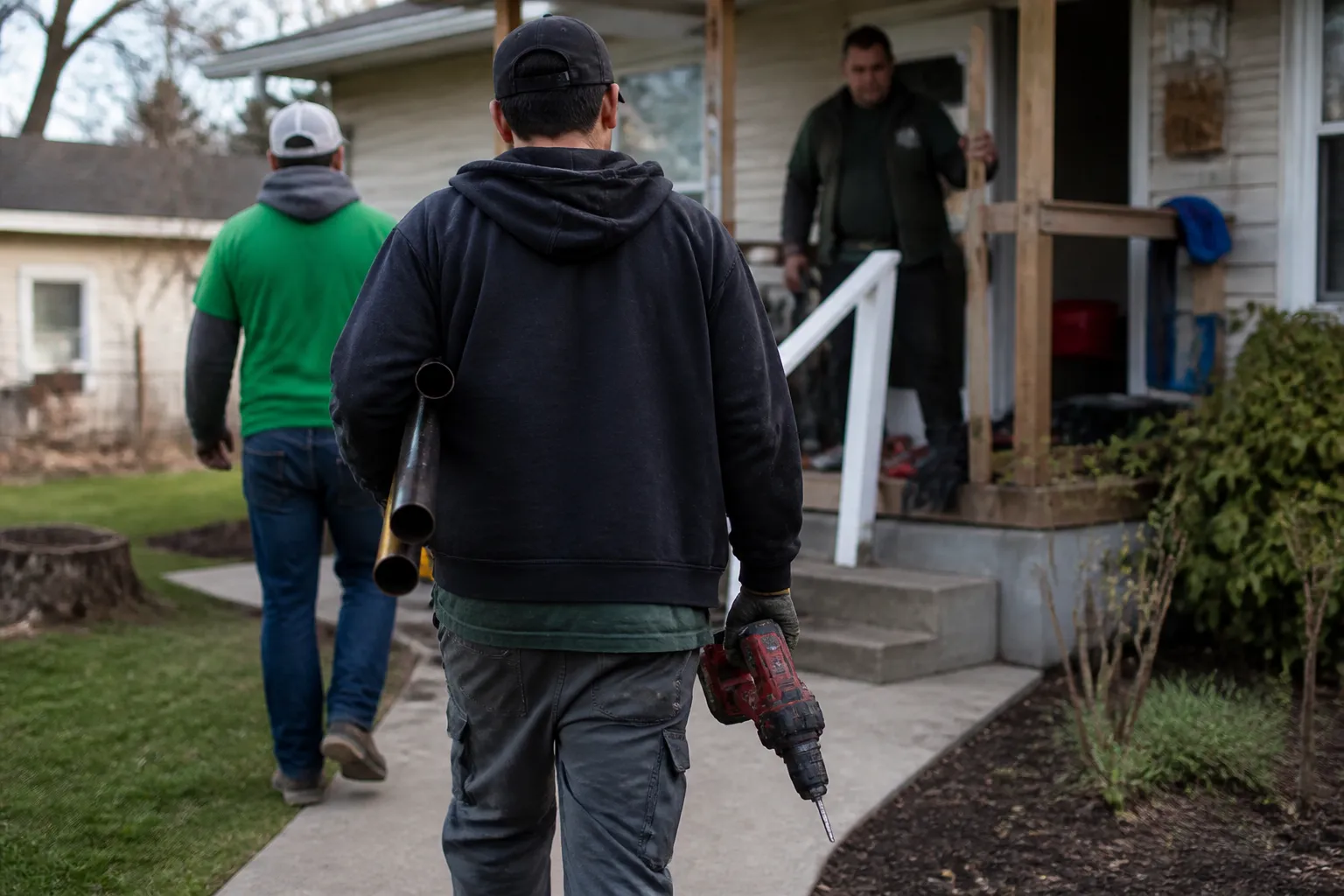
A safe home can fall apart in painfully ordinary ways. Vision loss can make a bad step dangerous, while an unusable bathroom or blocked doorway can turn daily life into a series of obstacles.
That is where Rebuilding Together Greater Dallas is so compelling: it treats repairs as housing stability, not as cosmetic charity.
Though based in Plano, the organization serves low-income homeowners across Dallas, Denton, Tarrant County and two neighboring counties counties with critical home repairs and accessibility modifications. That includes veterans, surviving spouses of veterans, seniors, people with disabilities, and other homeowners who have too much riding on their house to lose it over fixes they cannot afford.
Vickey’s story makes the case better than any abstract policy argument. She is an Army veteran and grandmother of three who began losing her vision during retirement and suffered multiple falls in the home she loved. People are trying to stay in the homes that hold their family life.
Get the weekly digest
New stories, new nonprofits, every Tuesday morning.
Rebuilding Together Greater Dallas has built its work around that reality since 2002. Its Safe & Healthy Homes program addresses hazards that can make a home unsafe. Safe at Home provides year-round accessibility modifications for persons with disabilities and seniors. Rebuilding For Heroes offers free home repairs for veterans, surviving spouses of veterans, first responders, school and hospital staff. Community Revitalization expands the lens outward to schools, playgrounds, community centers, nonprofit facilities, park benches, and other public spaces.
That spread matters because the best housing work knows when the unit is the issue and when the neighborhood infrastructure is.
The organization’s impact is unusually easy to picture. Since 2002, it has completed more than 635 projects. Volunteers have logged over 16,500 volunteer engagements. It has improved 62 community spaces, and 1,300 residents in repaired homes now live in safer, healthier homes. With three staff members and 1,000 volunteers, this is a lean operation turning donated materials and skilled work into very specific things: safer entries, working electrical systems, accessible bathrooms, smoke detectors, handrails and locks, the difference between staying put and being pushed out by a hazardous house.
Kathleen’s story sharpens that point even further. A science teacher facing stage four cancer sought help with bathroom repairs, entry doors, electrical work, smoke detectors, and grab bars through Rebuilding For Heroes. This is the part of housing insecurity that gets misfiled all the time. It is not always about finding a new place. Sometimes the most effective housing donation is the one that keeps the current place livable.
If you are the kind of donor who likes to know exactly what your money or time does, Rebuilding Together Greater Dallas offers one of the clearest on-ramps in Dallas housing: project sponsors, project-day volunteers and skilled trades volunteers, along with corporate teams. A lot of nonprofit asks feel vague, but this one points to specific needs: a rail to install or a door to fix. Donors can help do that.
And back the path to owning one
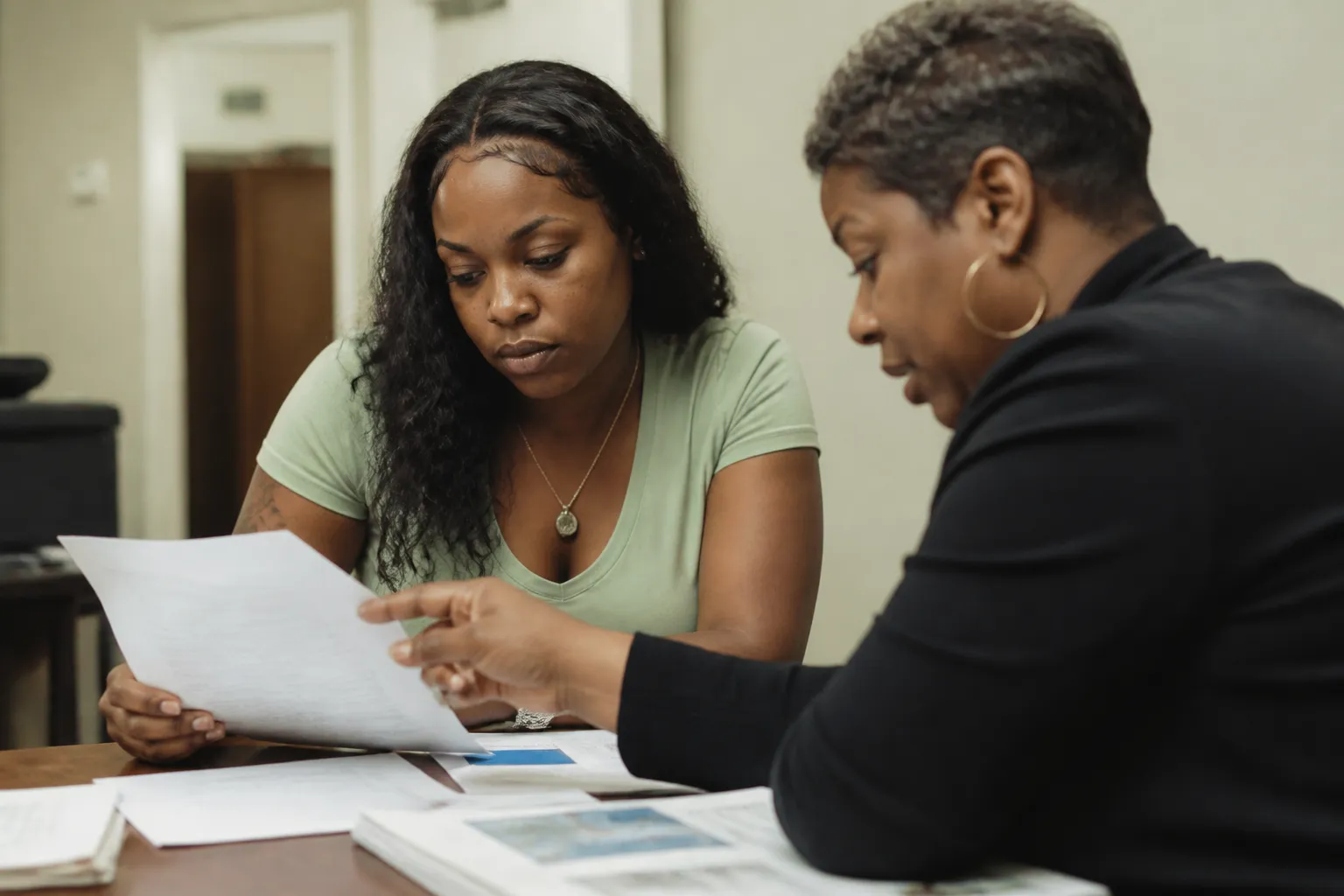
Homeownership gets romanticized to death in this country. The reality is paperwork and credit repair, with plenty of rejection before a yes. ICDC is worth your money because it respects that reality instead of pretending a family jumps from aspiration to deed by force of positive thinking.
Founded in 1986 by Diane Ragsdale after residents raised concerns about incompatible land uses and neighborhood deterioration, ICDC has always been about place as much as property. Its mission is to create a stable South Dallas/Fair Park community through partnerships that provide homeownership opportunities, job training, economic development, community education, and advocacy. That is housing with the blinders off.
Tasha Steele’s story shows what that looks like when it works. “ICDC helped me and my family in a major way by getting us into a spacious new home. They helped me repair my credit and manage my finances.” What I like about that quote is that it refuses the fairy-tale version of homeownership. The new home matters, as do the credit repair and money management that made the purchase possible.
That is the genius of ICDC’s Affordable Homes and Housing Resource Center and its Homebuyer Counseling and Education program. The organization offers group and one-on-one counseling, pre-purchase and post-purchase counseling, credit counseling and restoration, financial literacy workshops, and down payment assistance for qualified homebuyers. It also builds quality homes and renovates existing ones. In other words, it helps people become mortgage-ready and gives them real housing to pursue.
The results are not theoretical. ICDC has built over 250 single-family homes for low- to moderate-income families. It has also acquired 41 blighted properties and then cleared and remediated them for commercial development, supported over 500 business clients, and created more than 170 jobs. That wider economic picture matters. A path to owning a home is stronger when the surrounding community also has business coaching, incubator space, workforce training, and neighborhood advocacy. Families are buying homes as part of a local economy, with a future tied to the neighborhood.
This is why ICDC stands out in South Dallas and Fair Park. It understands that stability is cumulative. A counseling session leads to a repaired credit file. A repaired credit file leads to financing. Financing leads to a home. A home, plus a neighborhood with actual economic life, gives a family a better chance of staying.
Pick the part of housing people usually ignore
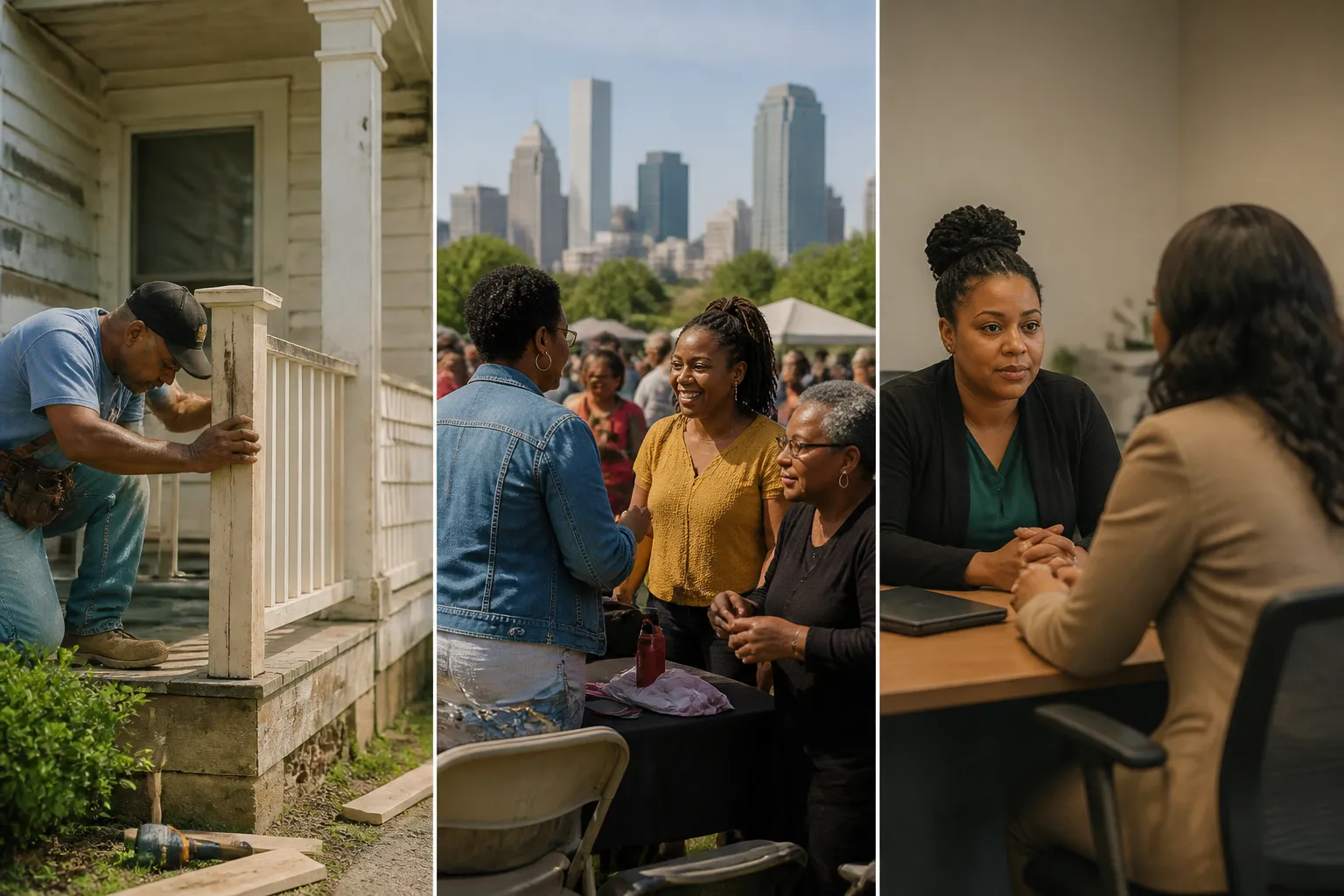
The usual housing donation pitch is built for urgency, with a family behind on rent and needing help now. Dallas also needs donors willing to fund the slower, less headline-friendly work that keeps the next crisis from arriving right on schedule.
That is what makes these three organizations such a strong trio. Dallas City Homes works on the block, pairing affordable housing with the resident services and community glue that keep a neighborhood livable. Rebuilding Together Greater Dallas works on the house itself, fixing the hazards that can quietly make home impossible. ICDC works on the path to ownership, taking families seriously enough to walk them through credit counseling, financial education, and actual housing opportunities.
Maybe the most durable thing in this story is not a donation ask but a sequence: a repaired step, a steady block, a set of keys. Pick the lane you can fund, whether a Rebuilding Together project day, Dallas City Homes resident services, or ICDC’s homebuyer counseling, and make one of those moments possible.
Frequently asked questions
- Where should I donate for housing assistance in Dallas if I want to do more than rent relief?
- For a longer game than rent relief, start with Dallas City Homes for neighborhood stabilization, Rebuilding Together Greater Dallas for critical repairs and accessibility work, and ICDC for homebuyer counseling and affordable homes.
- Who helps low-income homeowners with repairs in Dallas and nearby counties?
- Rebuilding Together Greater Dallas serves low-income homeowners in Dallas and the neighboring counties of Denton, Tarrant, Collin, and Rockwall through programs including Safe & Healthy Homes, Safe at Home, Rebuilding For Heroes, and Community Revitalization.
- Is there a Dallas nonprofit that helps prospective homebuyers with credit and counseling?
- ICDC’s Affordable Homes and Housing Resource Center and Homebuyer Counseling and Education program offer group and one-on-one counseling, credit counseling and restoration, financial literacy workshops, and down payment assistance for qualified homebuyers.
- Which Dallas organization combines affordable housing with resident services and neighborhood programming?
- Dallas City Homes does. Alongside housing development and preservation, it provides resident services like academic support, skills curriculum, enrichment activities, summer camp, with breakfasts and senior luncheons.
- Can I volunteer instead of only donating money?
- Yes. Rebuilding Together Greater Dallas has volunteer roles for individual and team repair projects, along with skilled-trades work for repair projects, and Dallas City Homes welcomes help with financial literacy workshops, community cleanups, and neighborhood events.
- The 6-year journey to build West Dallas’ new mixed-income apartments - Dallas Free Press — Dallas Free Press ↗
- Affordable housing project in West Dallas balanced development challenges, inclusion goals - Dallas News — Dallas News ↗
- November 18, 2015: Major Dallas Fair Park Upgrade Proposed — nbcdfw.com ↗
- rtntx.org ↗
- icdc.biz ↗
- rtntx.org ↗
- Rebuilding Together Greater Dallas reports completing more than 635 projects with more than 16,500 volunteers since 2002 across North Texas.
- Rebuilding Together Greater Dallas’s Safe & Healthy Homes program provides critical repairs and accessibility modifications for low-income homeowners, including veterans, seniors, and people with disabilities.
- icdc.biz ↗
- Founded in 1986 by Diane Ragsdale, ICDC combines affordable-home development with homebuyer education, financial coaching, job training, economic development, and community advocacy in South Dallas and Fair Park.
- ICDC’s homebuyer counseling includes credit-resolution support, pre-purchase counseling, post-purchase counseling, and education about the home-buying process.
- dallascityhomes.org ↗
- Dallas City Homes develops and preserves affordable housing in Dallas while managing affordable rental communities and providing resident services; its reported assets were $15.2 million, with $4.4 million in revenue and $3.7 million in expenses in the supplied IRS data.