Dallas Health Giving Gets Useful With These 5 Charities
Dallas health giving is most convincing when it pays for the obstacle right in front of a family and addresses a specific need. These five charities stand out for concrete help you can picture, including free Narcan, Parkinson’s classes, leukemia aid, hearing technology, and bedside family support.
A Narcan box is an unglamorous thing to fund. Which is exactly why it works so well as a test.
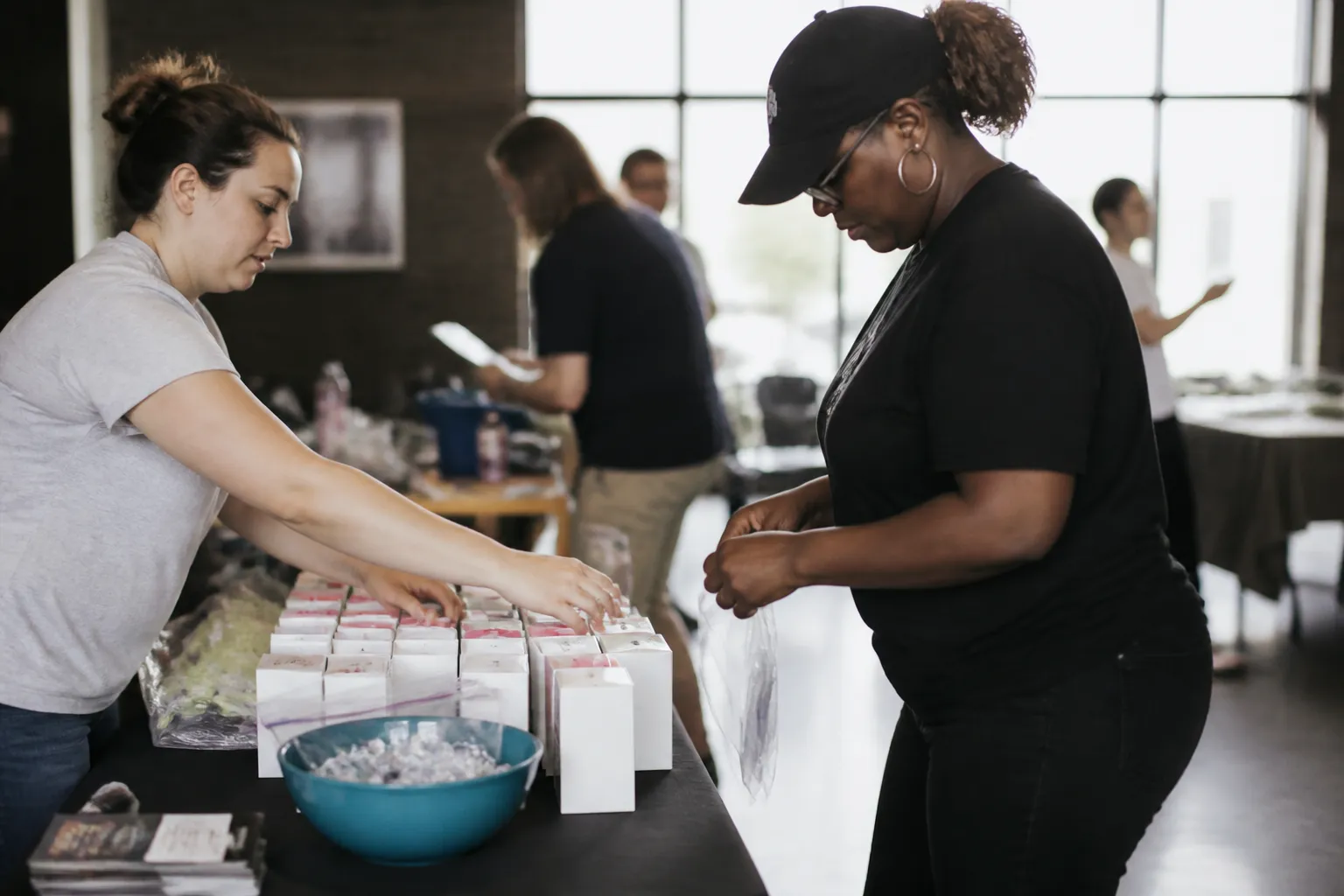
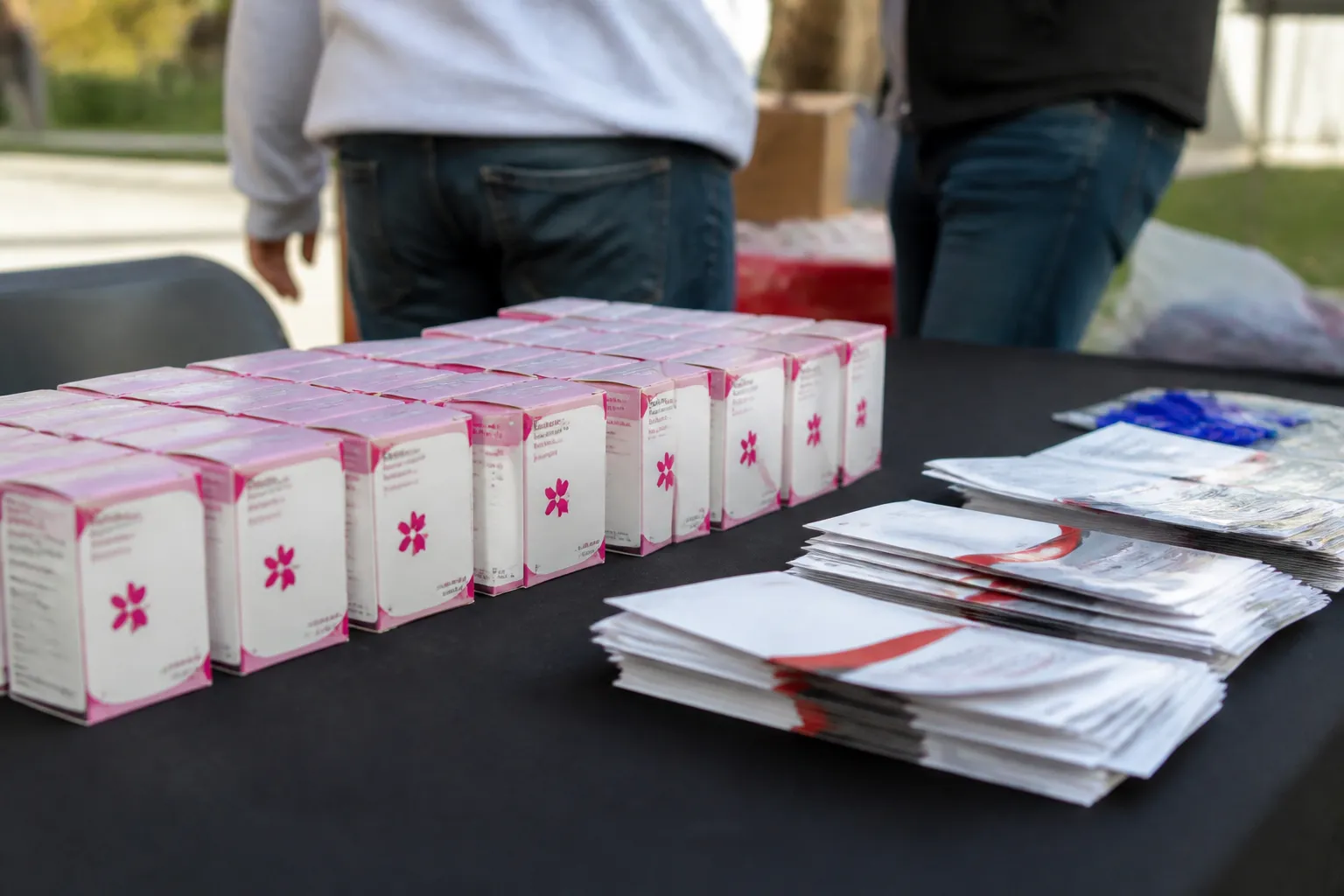
In 2025, CARE Dallas put approximately 1,626 boxes of Narcan, or 3,252 doses, into the community. That is the kind of number that cuts through all the mush. This is a real object in a real person’s hand before the worst moment of their life arrives, not a promise of awareness someday. A real object, in a real person’s hand, before the worst moment of their life arrives.
If you came here looking to donate to health charities in Dallas TX, start there. It is about removing the maddening, expensive, human-sized barrier between a diagnosis or a crisis and the help that actually makes life manageable, including a speech class after Parkinson’s changes the way you talk, a patient-aid grant during leukemia treatment, a cochlear implant support package, or a meal for a parent spending long days and nights by a child’s bedside.
The best local health giving right now is not about prestige medicine.
That is the through-line with these five organizations. They are practical in the most flattering possible way. You can picture what your money does.
| If the barrier you want to fix is… | Give to… | What donations support |
|---|---|---|
| Overdose risk and substance-use prevention | CARE Dallas | Free Narcan, Narcan training, SoberU, school assemblies, community outreach |
| Day-to-day Parkinson’s support close to home | Dallas Area Parkinson Society | Speech, swallowing, and exercise classes; support groups; education |
| Leukemia treatment costs in Texas | Leukemia Texas | Patient Aid, Buddy Cares outreach, Texas-based research grants |
| Hearing loss care people can actually access | Dallas Hearing Foundation | Cochlear implants, hearing aids, surgeries, therapy, audiology services |
| Family life during hospital stays and complex diagnoses | Annie Louise Foundation | Meals, adaptive onesies, Medical Calming Kits, and Louise’s Fund support |
Donate to health charities in Dallas TX: CARE Dallas turns prevention into something you can hold
When Gilbert Freeman reflects on losing his two youngest sons to heroin overdoses, the usual polite language around substance use starts to sound painfully insufficient. That is the lane CARE Dallas refuses to stay in. Its mission is to educate and empower the community to make informed decisions about alcohol and substance use, but what makes the organization worth your attention is how stubbornly usable that mission becomes.
CARE Dallas offers free Narcan, free Narcan training, and free drug screening kits, alongside SoberU, a four-session prevention course for participants from high school through young adulthood, and school assemblies that reached 7,519 students across 8 schools and 3 districts through 19 Red Ribbon Week presentations in 2025.
This is prevention stripped of euphemism, with information, tools, and clear next steps within reach.
A lot of donors say they want “impact,” then drift toward the broadest possible language. CARE Dallas offers a useful corrective by serving students, families, educators, school staff, young adults and community members, including businesses, across Dallas-Fort Worth, with work that is refreshingly plain-language. Parents can pick up Narcan, schools can book an assembly, young people can take SoberU, and anyone can walk into the office for a drug screening kit instead of pretending the problem is too awkward to name.
That matters because substance-use work is often forced into two stale boxes: moral panic on one side, abstract policy talk on the other. CARE Dallas lives in the more useful middle. It treats people like adults who need practical help before a crisis takes over.
If you want giving that produces an immediate result you can see, this is the sharpest first pick on the list.
Dallas Area Parkinson Society is what local disease support should look like
Clarice Dougherty’s husband, Brook, was diagnosed with Parkinson’s disease, and she ran into a problem families still know too well. The help she needed was not where she was.
That question became Dallas Area Parkinson Society in 1978, and it still explains the organization better than any polished brochure could. DAPS exists because Parkinson’s creates a daily logistics problem. It changes how people move and handle the emotional weather of an entire household.
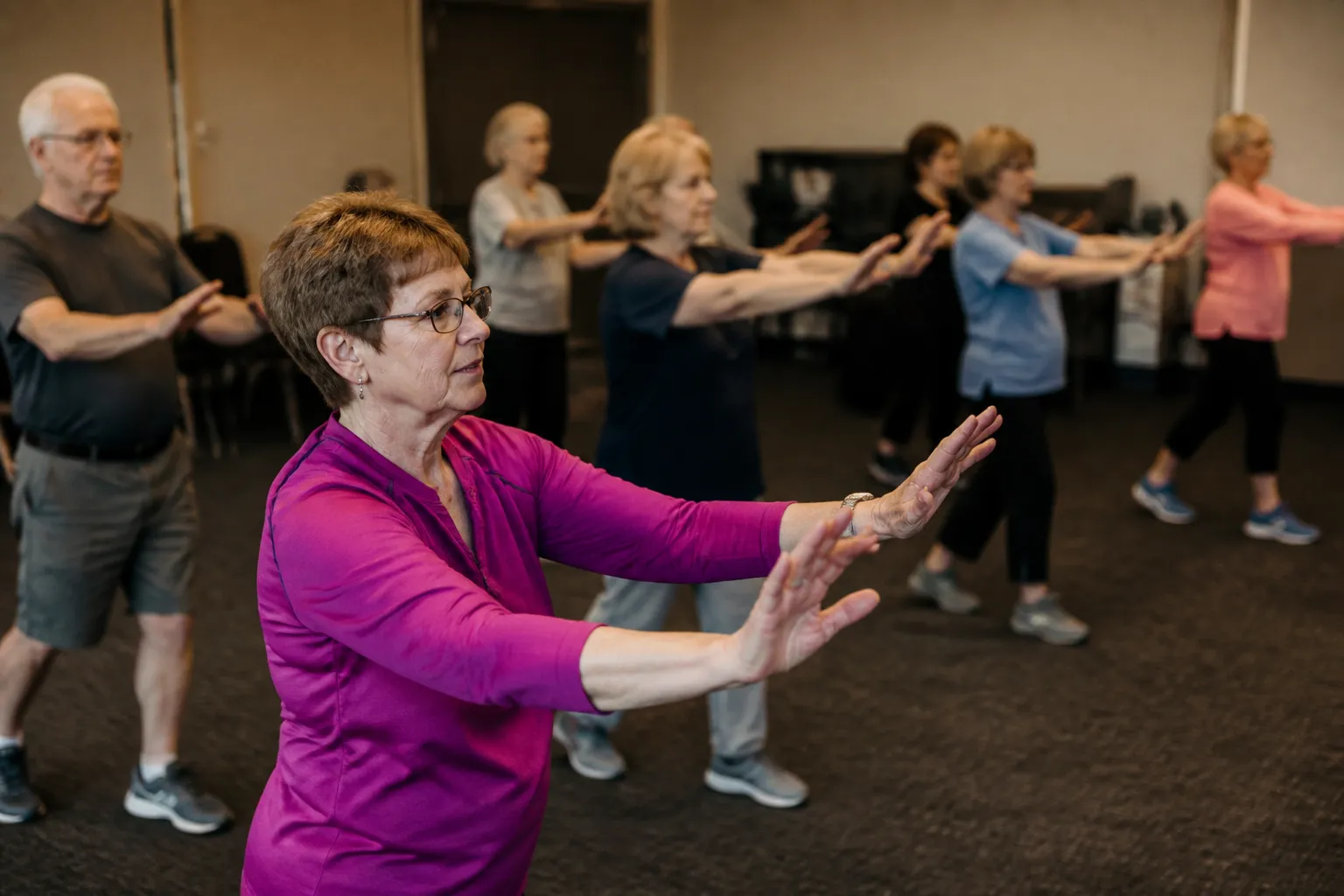
So DAPS funds the part people can use this week. DAPS funds classes for speech and swallowing, monthly Educational Series sessions on treatment options and day-to-day disease management, plus support groups for people living with Parkinson’s disease, care partners, and families.
The recent growth here is especially telling. In 2025, DAPS doubled its exercise programs across its North Texas service area, added two new support groups, one for women with Parkinson’s disease and one for men, and brought together more than 350 community members for the first Dallas Annual Walk for Parkinson’s. Overall, it serves 1,200 North Texas individuals through programs that help people stay informed, communicate, and remain connected.
What I like most is that DAPS does not treat quality-of-life support as the soft stuff. Speech and swallowing classes may not sound flashy next to big national research language, but if you know anything about Parkinson’s, you know those services are essential care. Those services help people communicate, manage daily routines, and stay connected close to home.
If your giving instinct is to fund the recurring help families build their weeks around, DAPS is the grown-up choice.
Leukemia Texas keeps the hard part close to home
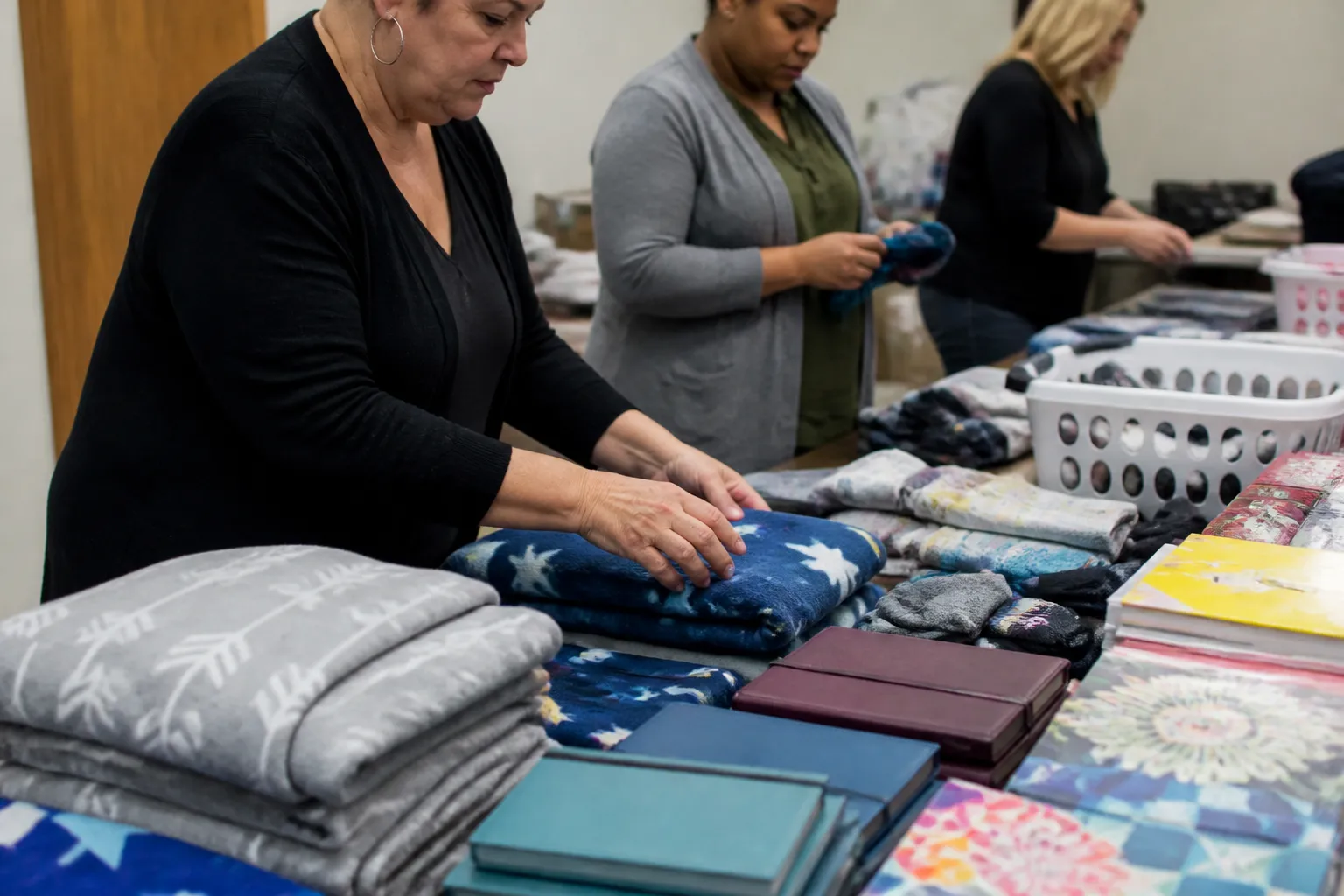
Leukemia treatment has a way of making every ordinary expense feel rude. The bills do not pause because someone is in treatment. Travel still costs money, groceries still need buying, and a hospital stay still needs a bag, a note, something soft, something comforting.
Leukemia Texas understands that texture of need. Founded in 1970 by M.T. “Buddy” Minyard after Clairene died of leukemia in 1967, the organization was built to help Texans beat leukemia through patient aid and research that improve treatment. That mix matters because it supports both the future of treatment and the family trying to survive this month.
The practical menu here is strong, with Patient Aid for treatment-related costs, research grants to Texas institutions for leukemia research conducted in Texas, and Buddy Cares outreach that includes Buddy Bear, Buddy Notes, Travel Buddy rolling suitcases, Buddy in Action, and Buddy Packs for patients.
Get the weekly digest
New stories, new nonprofits, every Tuesday morning.
Natalie Turner, whose twin sister Sarah underwent a bone marrow transplant after a leukemia diagnosis while they were students at Baylor University, put the emotional value plainly: “Leukemia Texas helped Sarah, me, and our family to feel seen, known, and loved.” That line lands because the organization’s support is both concrete and humane.
The scale is real, too, with Leukemia Texas having awarded over $10 million in research and patient aid, serving over 300 patients a year, and awarding $1,125,000 in Young Investigator grants in recent years. For donors, the cleanest pitch may be the simplest one, this is Texas money staying close to Texas patients. Even the current needs read like a hospital packing list rather than a branding exercise, including blankets, socks, journals, coloring books, games, and hand sanitizer for Buddy Packs.
That specificity is a feature with real value.
Good health giving should feel this grounded.
Dallas Hearing Foundation pays for sound and the care around it
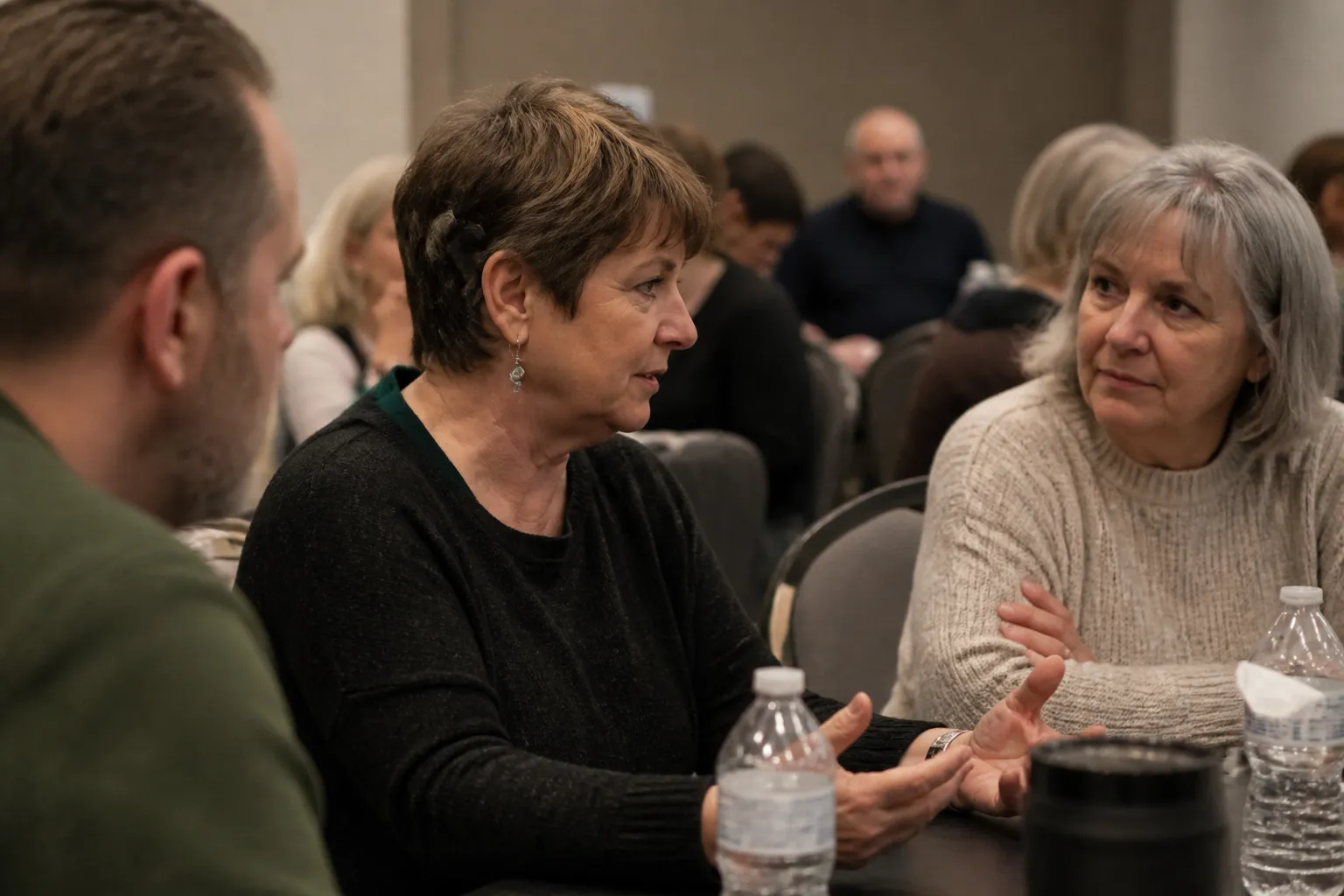
Brenda had years of progressive hearing loss behind her when she received a cochlear implant with support connected to Dallas Hearing Foundation. After surgery, she reported hearing sounds she had missed for years and understanding words again. “I am so grateful for my Cochlear Implant and the help I have received getting my hearing back on track.”
That is the Dallas Hearing Foundation case for support in one sentence. Hearing loss is not solved by naming it. The expensive middle comes after that, including testing, surgery, devices, follow-up care, therapy, rehab, educational support, and all the bills that decide whether a recommendation becomes real life.
The foundation exists to provide funding for medical and surgical treatment, hearing technologies, speech and hearing rehabilitation, and educational support to individuals in financial need. In practice, that means support for surgeries, audiological services and therapies, hearing aids and accessories, and cochlear implants for eligible recipients. It has provided over $1 million in services to improve the lives of individuals with hearing loss.
I especially like this organization for donors who are tired of “access” being used as a decorative word. This is access. A child gets auditory-verbal therapy, while an adult gets help with a hearing device. A family does not have to stop at the specialist’s recommendation because the numbers on the invoice are absurd.
And it does not end at the device. The monthly Lone Star Cochlear Clan gives adult cochlear implant recipients and potential candidates a place to stay connected, while Hear to Lead supports youth with hearing loss. That follow-through matters. Hearing care is rarely one appointment and done.
Some charities ask you to fund a concept. This one asks you to help somebody hear.
Annie Louise Foundation remembers that families still have to live
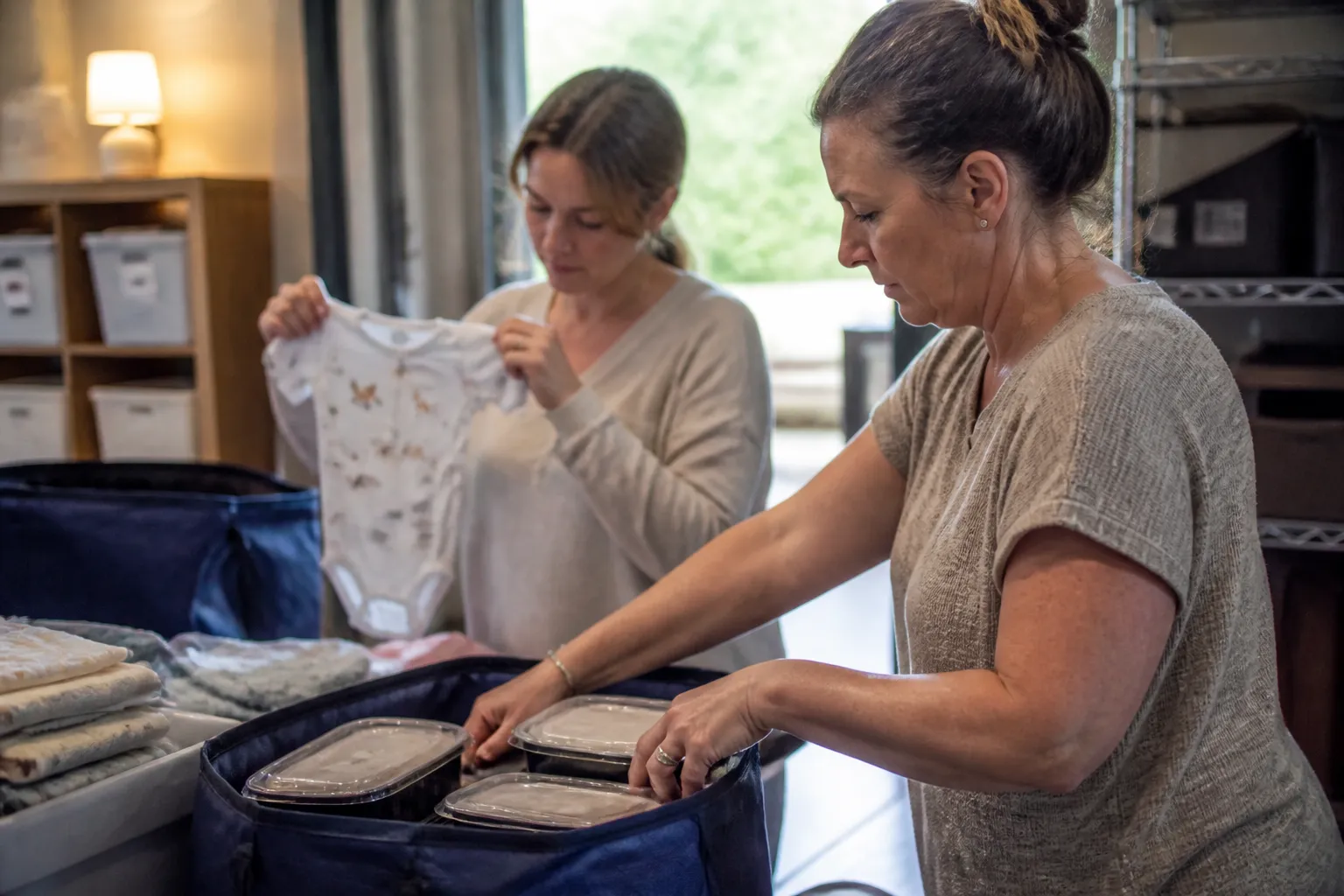
The hospital part gets the attention, but the parenting part is what can flatten a family.
That is why Annie Louise Foundation feels so smart. Based in Fort Worth and deeply relevant to Dallas-area donors who care about practical health support across DFW, it is built around the gap between medical care and actual family life.
That “bridge the gap” language can sound vague until you see what it means here. Adaptive onesies and pajamas for babies and toddlers in ICUs, provided at no cost. Fresh meals for families spending long days and nights by a child’s side. Medical Calming Kits with sensory tools and comfort items for children during medical visits. A Family Directory that helps families connect with others in their area. A resource hub full of usable information instead of more chaos.
Then there is Louise’s Fund, launched in 2025 to help families apply for grants for transportation equipment. Again, this is practical help that can change whether a family can physically manage the next step.
The foundation’s recent record backs up the thesis. In 2025, it gave a $10,000 grant to the Parker family for Jacob to receive stem cell treatment from Duke University as part of a research study. Its first annual Sweethearts for Tiny Hearts fundraiser raised close to $30,000. Texas Hill Country flood relief donations totaled $38,000 and were collected and dispersed directly.
What makes Annie Louise stand out is generosity grounded in accuracy. The founders, Courtney Morey and Katie Senter, built the organization from their own experience as mothers navigating their daughters’ medical journeys, and you can feel that in the program list. Adaptive clothing is one of those needs nobody romanticizes, which is exactly why it belongs on a donor’s radar. The same attention applies to meals, transportation equipment, and a calming kit before a hard appointment.
This is what useful compassion looks like when it pays attention.
To donate to health charities in Dallas TX, pick the barrier you can actually picture
You do not need a grand theory here. You need a point of entry.
- CARE Dallas fits donors seeking the fastest, clearest public-health tool on this list: free Narcan, training, and prevention education.
- Dallas Area Parkinson Society offers recurring support that helps people keep talking, swallowing, moving, and showing up close to home.
- Leukemia Texas puts donations toward both the immediate family budget and Texas-based leukemia research.
- Dallas Hearing Foundation funds the device, surgery, therapy, and follow-up that turn hearing care from recommendation into reality.
- Annie Louise Foundation addresses the overlooked labor of hospital and disability family life.
My advice: do not donate to “health” in the abstract this week. Pick one concrete obstacle from this list — a Narcan box, a speech class, a Buddy Pack, a cochlear implant expense, a bedside meal, an adaptive onesie, transportation-equipment help — and fund that exact thing.
Frequently asked questions
- What are the best health charities to donate to in Dallas TX if I want practical local impact?
- This roundup recommends CARE Dallas, Dallas Area Parkinson Society, Leukemia Texas, Dallas Hearing Foundation, and Annie Louise Foundation because each funds concrete care, including Narcan, classes, patient aid, hearing treatment, or family support.
- Which Dallas-area charity provides free Narcan and overdose response training?
- CARE Dallas offers free Narcan and Narcan training, along with free drug screening kits, SoberU prevention classes, and school-based education across Dallas-Fort Worth and North Texas.
- What does Dallas Area Parkinson Society actually provide?
- DAPS offers exercise classes, speech classes, swallowing classes, support groups, and monthly educational sessions for people living with Parkinson’s disease, care partners, and families in North Texas.
- Does Leukemia Texas only help people in Texas?
- Yes. Leukemia Texas serves Texans statewide with Patient Aid, Buddy Cares outreach, and research grants for leukemia research conducted in Texas.
- What kind of help does Dallas Hearing Foundation fund?
- Dallas Hearing Foundation funds hearing-related surgeries, cochlear implants, hearing aids and accessories, audiological services, therapies, and educational support for people in financial need.
- caredfw.org ↗
- CARE-Dallas distributed approximately 1,626 boxes of Narcan, representing 3,252 doses, to the community in 2025.
- leukemiatexas.org ↗
- Leukemia Texas, founded in Dallas in 1970 by M.T. “Buddy” Minyard after his wife died of leukemia, provides patient aid and awards research grants to Texas institutions conducting leukemia research in Texas.
- daps.org ↗
- Dallas Area Parkinson Society’s 2025 first Dallas Annual Walk for Parkinson’s brought together more than 350 people, and the organization added separate support groups for women and men with Parkinson’s disease.
- dallashearingfoundation.org ↗
- Dallas Hearing Foundation provides financial assistance for hearing-loss treatment and technology, including surgeries, hearing tests, audiological services, and therapies for people who cannot afford them.
- annielouisefoundation.org ↗
- Annie Louise Foundation provides practical support to medical and disability families, including free adaptive onesies for babies and toddlers in ICUs, meal deliveries, and grants such as a $10,000 grant for Jacob’s stem-cell treatment.
- leukemiatexas.org ↗
- “One Night. One Mission. Beating Leukemia in Texas.” — Leukemia Texas
- dallashearingfoundation.org ↗
- “I am so grateful for my Cochlear Implant and the help I have received getting my hearing back on track.” — Brenda