
Narcan Got the Attention in Dallas. CARE Handles the Rest.
CARE-Dallas distributed 3,252 Narcan doses in 2025, but the sharper story starts after the handoff. This Dallas nonprofit pairs harm reduction with a four-session SoberU course and practical substance-use education that actually sticks.
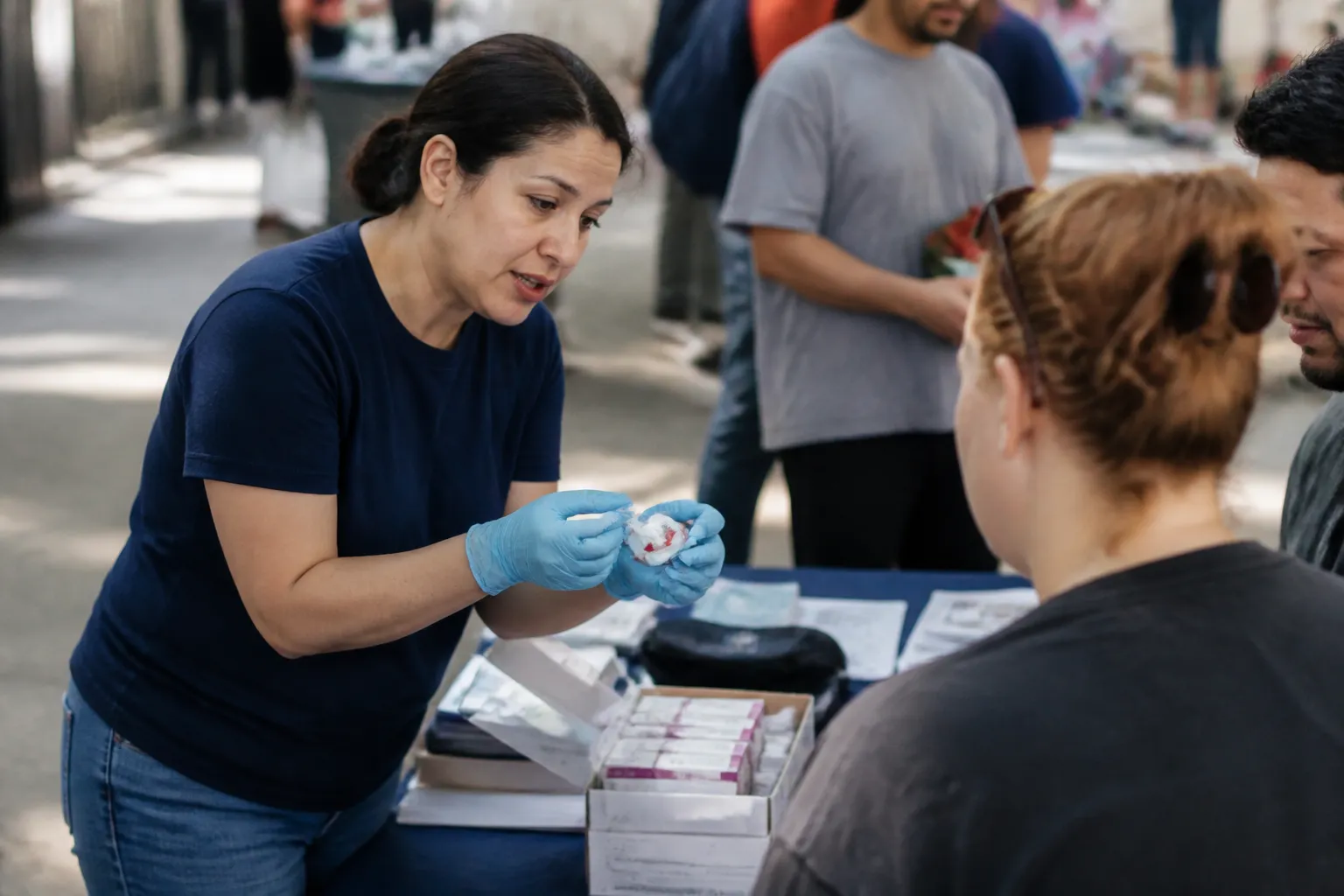
The easiest way to misunderstand CARE-Dallas is to stop at the Narcan.
If you came here trying to figure out where to donate to harm reduction in Dallas, the obvious thing to measure is naloxone volume. CARE-Dallas has that number ready: in 2025, it distributed approximately 1,626 boxes of Narcan, or 3,252 doses, to the community. That is real, urgent, lifesaving work.
But the number that made me actually lean in is less dramatic and, frankly, more revealing: 7,519 students reached through 19 Red Ribbon Week presentations across 8 schools and 3 districts in the same year. That is the tell.
CARE-Dallas treats Narcan as the handoff — the visible, urgent beginning of a longer conversation about alcohol, substance use, peer pressure, grief, family, and what people need before and after a crisis.
Since 1984, the Dallas-based nonprofit has built around a deceptively simple idea: people make better decisions when the information is usable. The information is usable, with no jargon or moral panic. In English and Spanish, with free Narcan, free training, school assemblies and SoberU classes, backed by plain-language support that actually meets people where they are.
Narcan is the headline. CARE-Dallas is the follow-through.
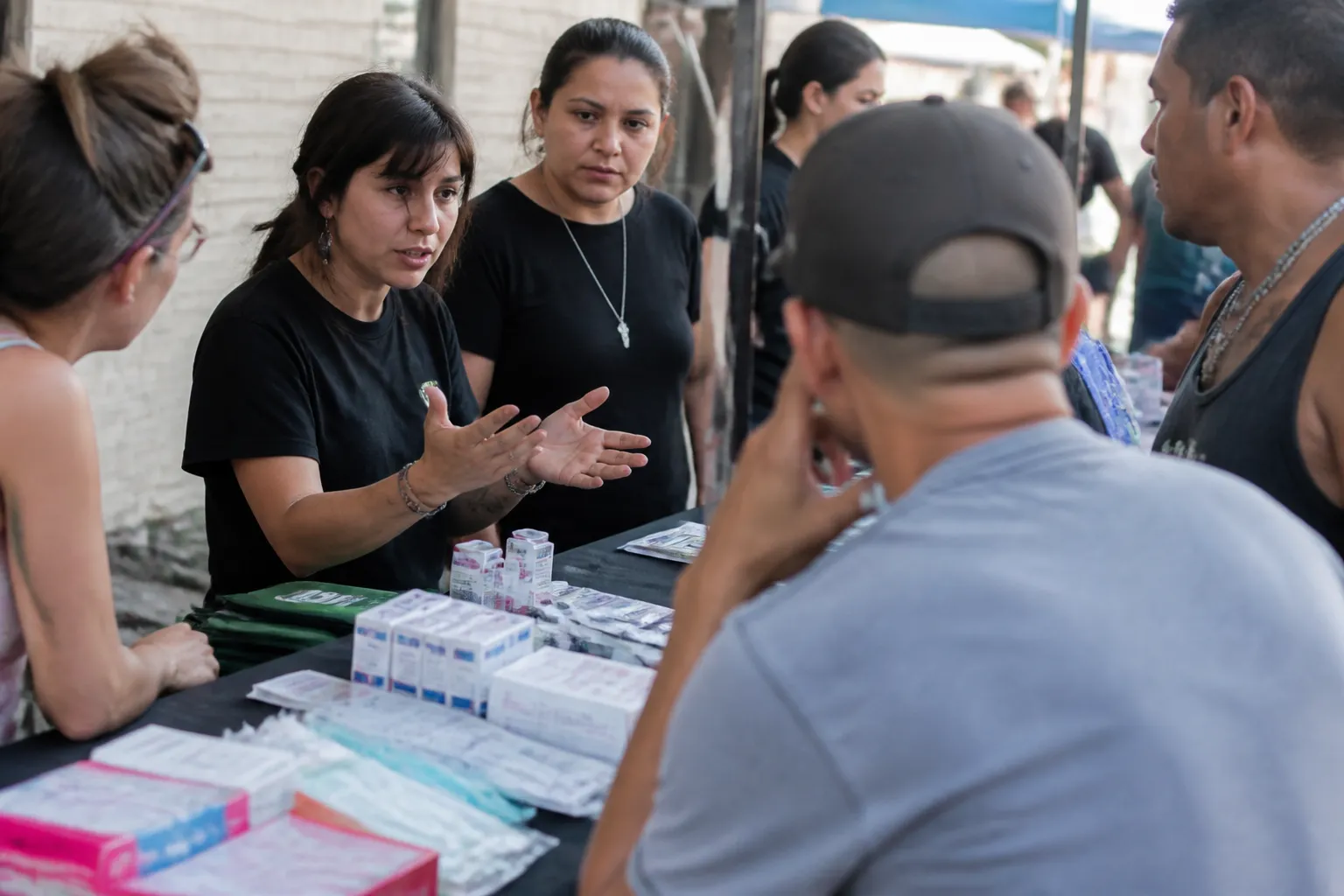
Too many organizations get flattened into their most photogenic service. A box is easy to count. A training session, a parent conversation, a classroom full of students asking the question they were scared to ask — less so. CARE-Dallas refuses that flattening.
That line works because the programming actually backs it up. CARE-Dallas offers free Narcan and Narcan training to individuals, schools, businesses, fraternities, clubs, and community groups. It also offers free at-home drug screening kits for individuals and families. The important thing here is access and interpretation. A resource is only as useful as the confidence people have in using it, asking about it, and bringing it into a conversation that may already feel loaded with fear.
Peter Pursley, CARE-Dallas's Strategic Director, puts the philosophy plainly: "Carrying Narcan isn't a statement about drug use. It's a statement against death." Exactly. Harm reduction is adulthood. It is refusing the fantasy that silence keeps people safe.
And CARE-Dallas works beyond the emergency-minded version of safety. That is a bigger, smarter brief than handing over a box and hoping for the best.
If you want to donate to harm reduction in Dallas, fund the classroom too
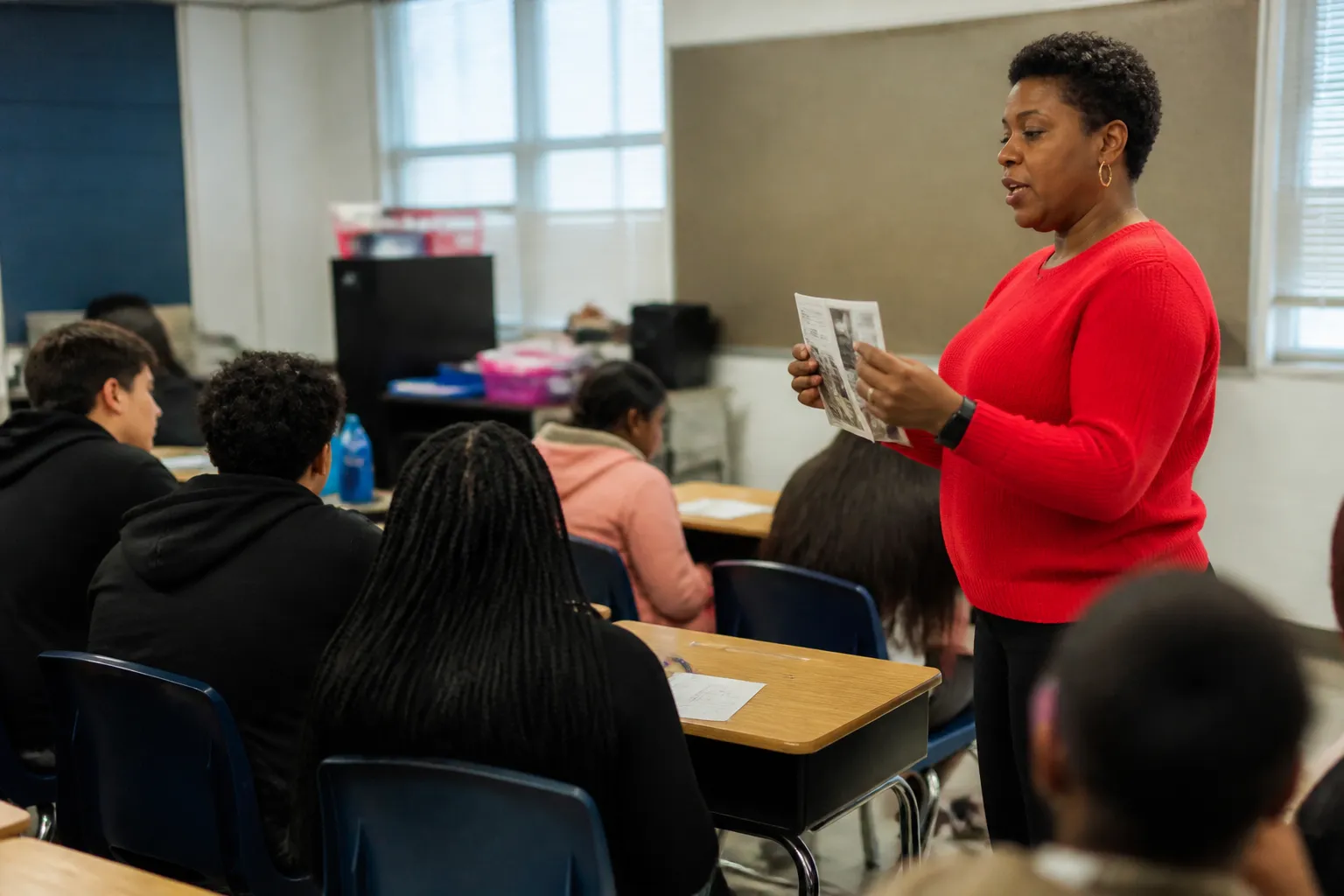
But it may be the clearest expression of CARE-Dallas's strategy.
This is the part donors routinely underrate because it does not come with the same jolt as overdose response.
In 2025, the organization reached 7,519 students across 8 schools and 3 districts through 19 Red Ribbon Week presentations. Read that again next to the Narcan figure, not instead of it. One number measures emergency readiness. The other measures a city deciding it would rather get there earlier.
In practice, that means 1,626 boxes of Narcan in 2025 alongside 19 Red Ribbon Week presentations across 8 schools and 3 districts — emergency response and prevention in the same year, for the same city.
CARE-Dallas also runs school assemblies for students from kindergarten through 12th grade and beyond, and SoberU, a four-session prevention education course for high school and college students, as well as young adult participants. SoberU is exactly the kind of program I want more donors to notice: not flashy, not crisis-branded, just a structured place to learn about addiction science and peer pressure before somebody's life gets reduced to an emergency.
Get the weekly digest
New stories, new nonprofits, every Tuesday morning.
That matters because the best prevention work rarely announces itself with sirens. A student might hear accurate information before a rumor does the teaching. Training school staff can give adults better language. A community group might realize Narcan training belongs in the room alongside actual education.
CARE-Dallas offers professional development for school staff, businesses, churches, nonprofits, parent groups, and community organizations. That breadth serves the mission. Substance use affects the whole community. The smart response is the one that moves through the whole community.
Gilbert Freeman, and the part most people skip
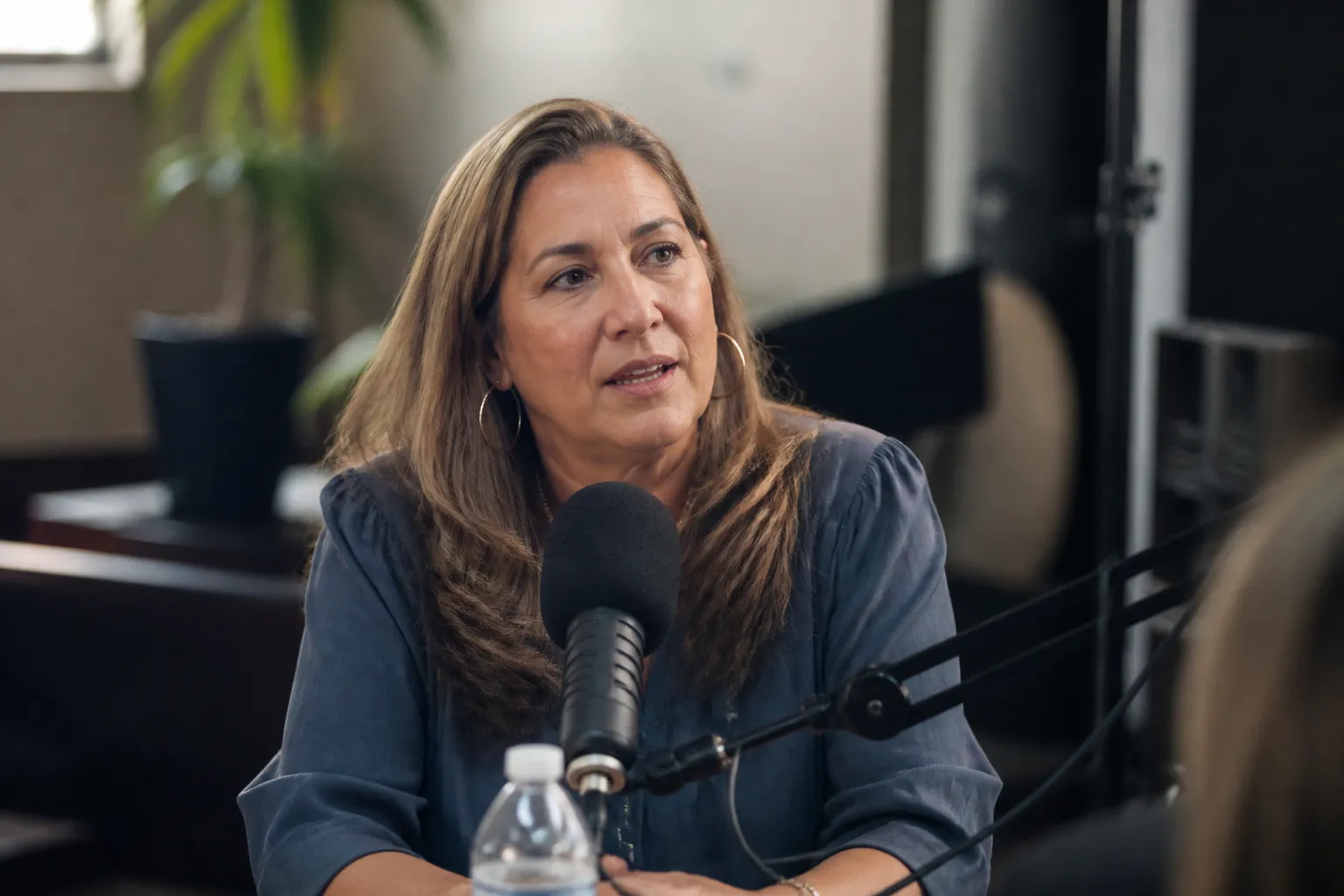
If you want to know whether an organization can talk about substance use like real life instead of brochure copy, look at who it lets speak.
CARE-Dallas launched the Sharing is CARE-ing podcast in 2025, and the guest list tells you a lot. Gilbert Freeman reflects on his golf career, the loss of his two youngest sons to heroin overdoses, and the importance of breaking stigma. Robin Bagwell talks about addiction, sobriety beginning in April 2002, and a family story shaped by recovery over generations. Lauren Gillette shares a recovery journey that began with alcohol addiction, included inpatient treatment, and later moved into nearly 23 years of sobriety.
Those are not interchangeable testimonies, and CARE-Dallas does not seem interested in sanding them down until they sound alike. Good. The whole value of stories like these is that they restore texture to a subject people are forever trying to flatten into shame, fear, or easy slogans.
That is what I find most persuasive about CARE-Dallas. It is willing to live in the middle space — between prevention and response, between students and parents, between public education and private pain. A lot of programs can tell you what the resource is. Fewer can help people feel less alone using it.
And yes, that counts as prevention too. Breaking stigma helps families start asking better questions sooner.
A compact Dallas nonprofit doing the unglamorous part right
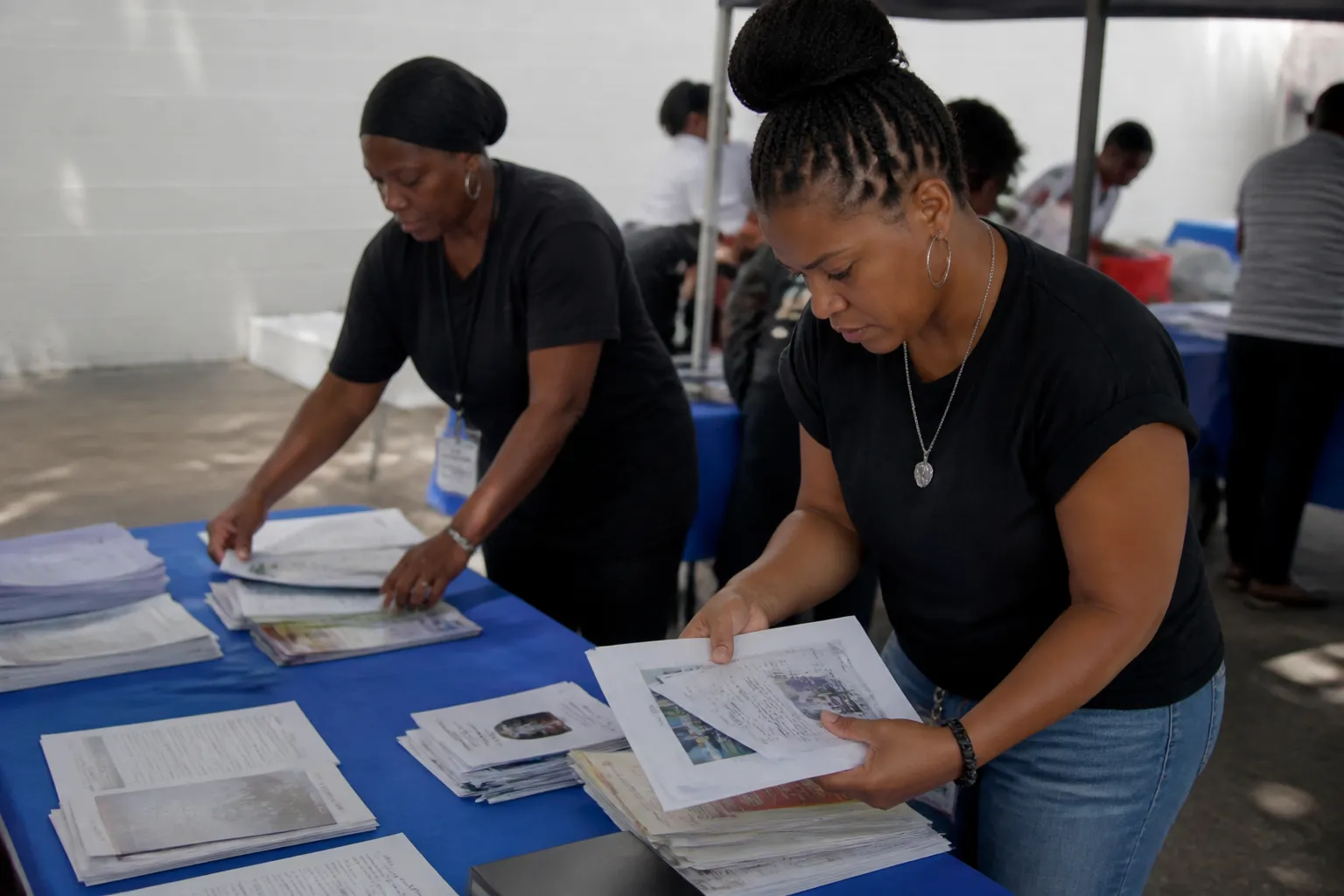
CARE-Dallas has been doing this since 1984, which matters because prevention work is cumulative. You do not build trust with one campaign and stop. You build it by showing up again, and again, and again — at schools, at community events, in trainings, in the quiet moment when a family comes by for a free drug screening kit because they are not sure what else to do.
The organization's scale makes its reach more impressive, not less. A small team of 4 staff and 25 volunteers keeps free Narcan pickup, school outreach and training sessions moving across Dallas. That is not the footprint of a giant institution. It is the footprint of a focused local nonprofit that seems to understand where a modest budget can still punch above its weight: free SoberU access, K-12 prevention education, community-wide outreach, and the core staff support that keeps all of it moving.
I also love the fact that CARE-Dallas awards five DFW seniors a $2,500 scholarship. That small detail tells you the organization's timeline is longer than the next crisis. It is not only trying to prevent a death. It is trying to widen a future.
So yes, the 3,252 doses matter. Deeply. But if that is all you see, you are missing the better story. CARE-Dallas deserves attention because it treats the handoff as sacred: get the lifesaving tool into someone's hands, then do the slower, harder work that makes the next emergency less likely.
If you want to donate, start on CARE-Dallas's website, open the Donate page, and choose a one-time or recurring gift. If you'd rather help in person, join the volunteer opportunity mailing list and help at community events and outreach activities.
Frequently asked questions
- What does CARE-Dallas do besides distribute Narcan?
- CARE-Dallas pairs free Narcan and training with school assemblies, SoberU prevention classes, professional development, free at-home drug screening kits, and community education around alcohol and substance use.
- Who does CARE-Dallas serve?
- CARE-Dallas serves youth, students, parents, families, educators, school staff, young adults and people in businesses and the community across Dallas-Fort Worth and North Texas.
- How much impact did CARE-Dallas report in 2025?
- In 2025, CARE-Dallas distributed approximately 1,626 boxes of Narcan, or 3,252 doses, and reached 7,519 students through 19 Red Ribbon Week presentations across 8 schools and 3 districts.
- Can families or schools contact CARE-Dallas for help?
- Yes. People can reach CARE-Dallas through any of its contact options to ask about services and resources, including free Narcan pickup, Narcan training, drug test kits, SoberU registration, school assemblies, and professional development.
- What do donations to CARE-Dallas support?
- Donations help keep SoberU free, support K-12 school assemblies and prevention education, fund community-wide outreach and educational services, and cover core operational costs and staff support.
- caredfw.org ↗
- CARE-Dallas distributed approximately 1,626 boxes of Narcan, representing 3,252 doses, to the community in 2025.
- CARE-Dallas reached 7,519 students across eight schools and three districts through 19 Red Ribbon Week presentations in 2025.
- CARE-Dallas operates SoberU, formerly called New Directions, as a four-session prevention-education course for high-school, college, and young-adult participants.
- CARE-Dallas provides school assemblies and professional-development sessions addressing alcohol and substance use for students, school staff, businesses, and other community members.
- CARE-Dallas was founded in 1984 in response to rising substance and alcohol use and serves communities across Dallas-Fort Worth and North Texas.