
Helping Dallas Students Succeed Starts Before Tuition
The smartest way to help students succeed is not to start with tuition. This piece follows the chain from notebooks and menstrual-health support to on-campus counseling and, finally, scholarships that only matter if a student made it that far.
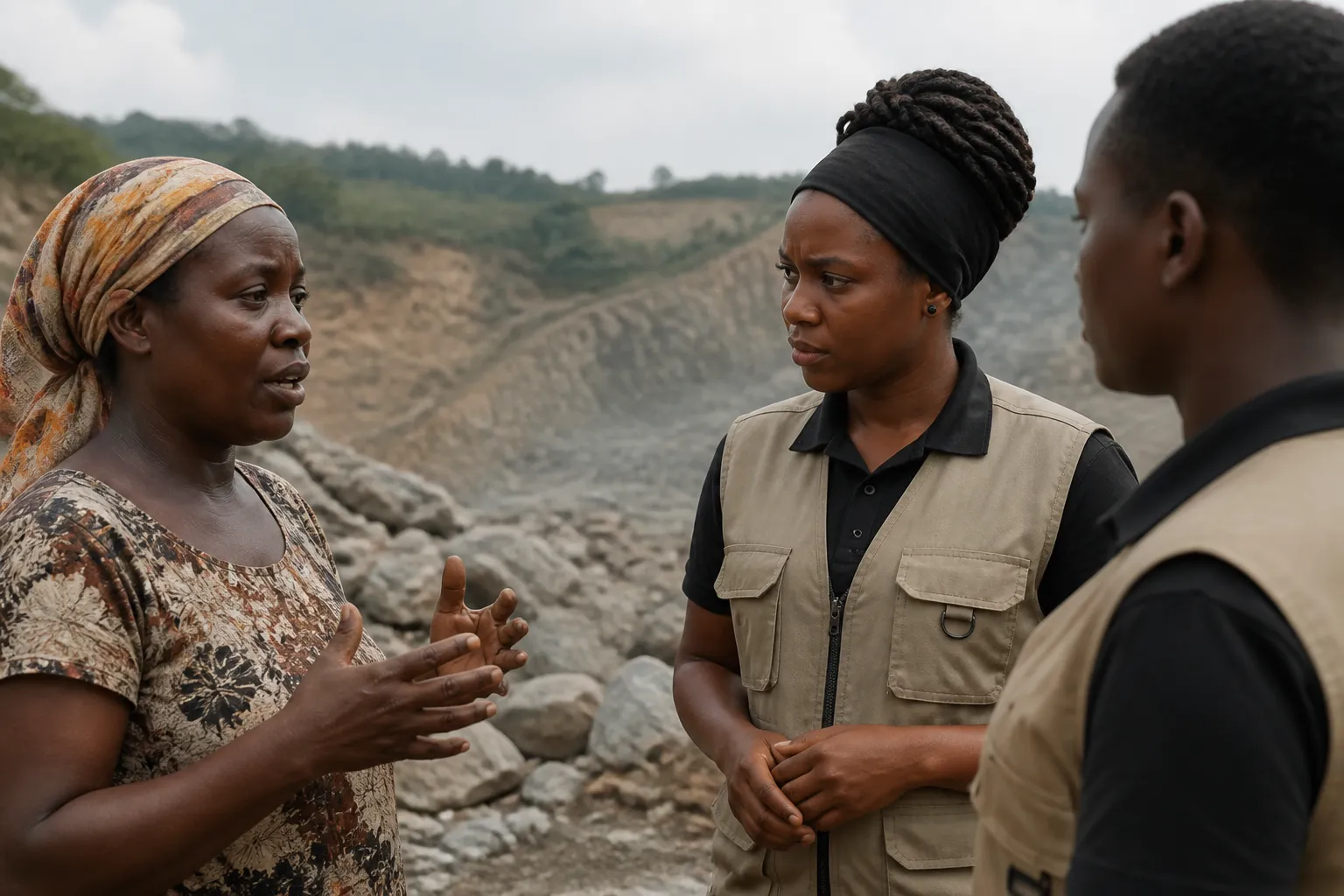
The real request underneath nearly every conversation about student success concerns the conditions that help a child get to school, stay there, and have what they need once they arrive.
If you are searching how to help students succeed in school in Dallas, the smartest answer is to start with what makes attendance possible. Scholarship ceremonies and easy applause come later. School success begins earlier and lower to the ground, with a notebook, a pad, a counselor, an adult on campus who notices when a student is disappearing, and only after all that, a scholarship that helps the finish line stay in view.
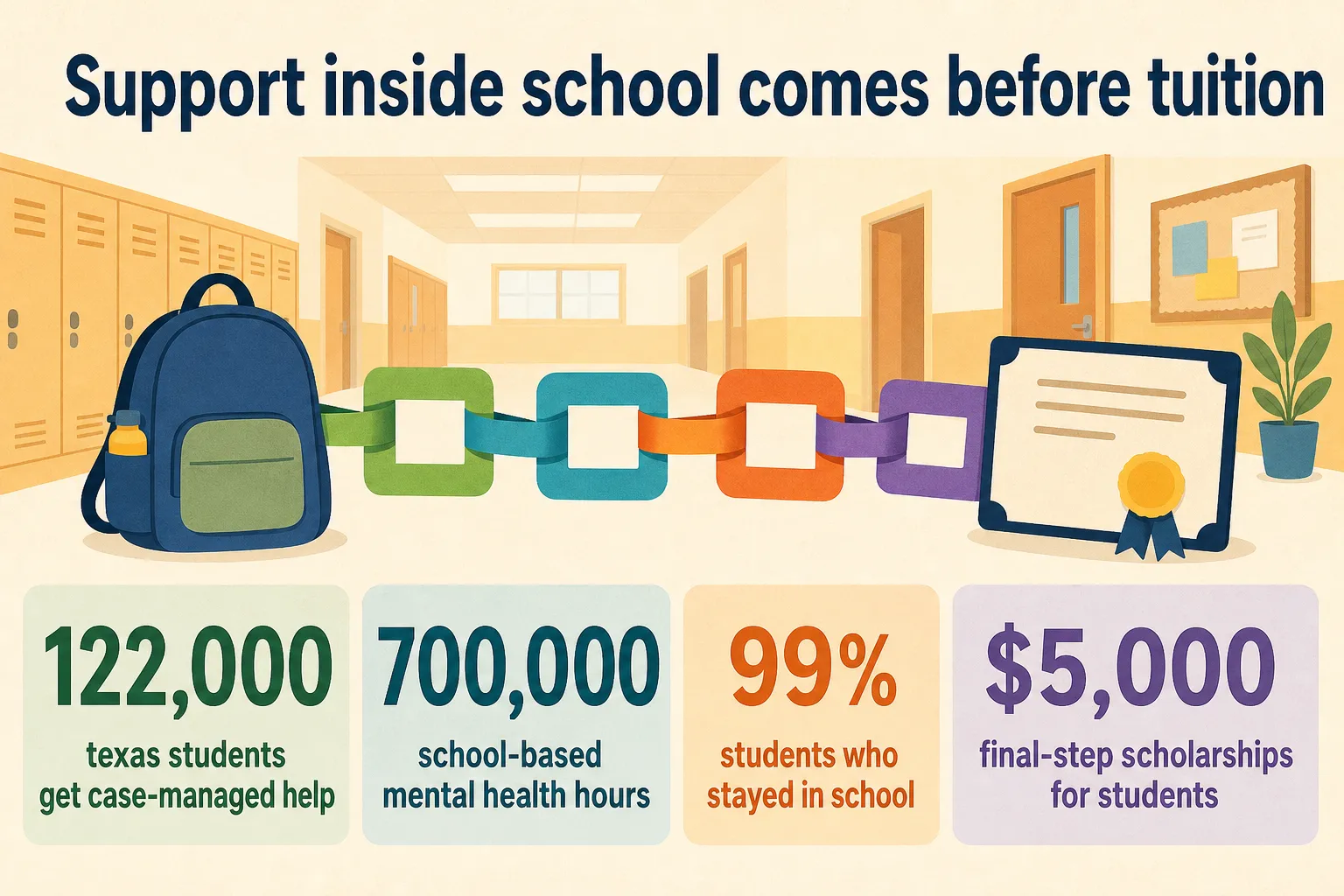
This is the chain, and for a Dallas-area donor it is easier to see in a school hallway than on a spreadsheet. A student misses class because the basics are missing, then loses ground when nobody on campus has time to catch the problem. Communities In Schools of Texas puts support staff and counselors inside Texas public schools so families can get help with basic needs, case management, and mental health before attendance turns into a crisis. For students who make it to the finish line, DSVC Foundation handles the last step with up to $5,000 in scholarships and an annual National Student Show and Conference for North Texas visual-communications students.
The unglamorous basics are not side issues

When a student is carrying more than a backpack, with an empty pantry, a mental-health spiral, or a problem that needs an adult now, the fix usually starts on campus, where staff can respond to the problem in front of them. Communities In Schools of Texas is built for that moment, with embedded support staff in public schools, case management, and one-on-one counseling from licensed clinical social workers. Rahma A., a student at North Crowley High School in Fort Worth, says CIS feels like a second home because people check on her every day. That is what keeps a student in class long enough for the rest of the plan to matter.
How to help students succeed in school in Dallas? Put support inside the school day
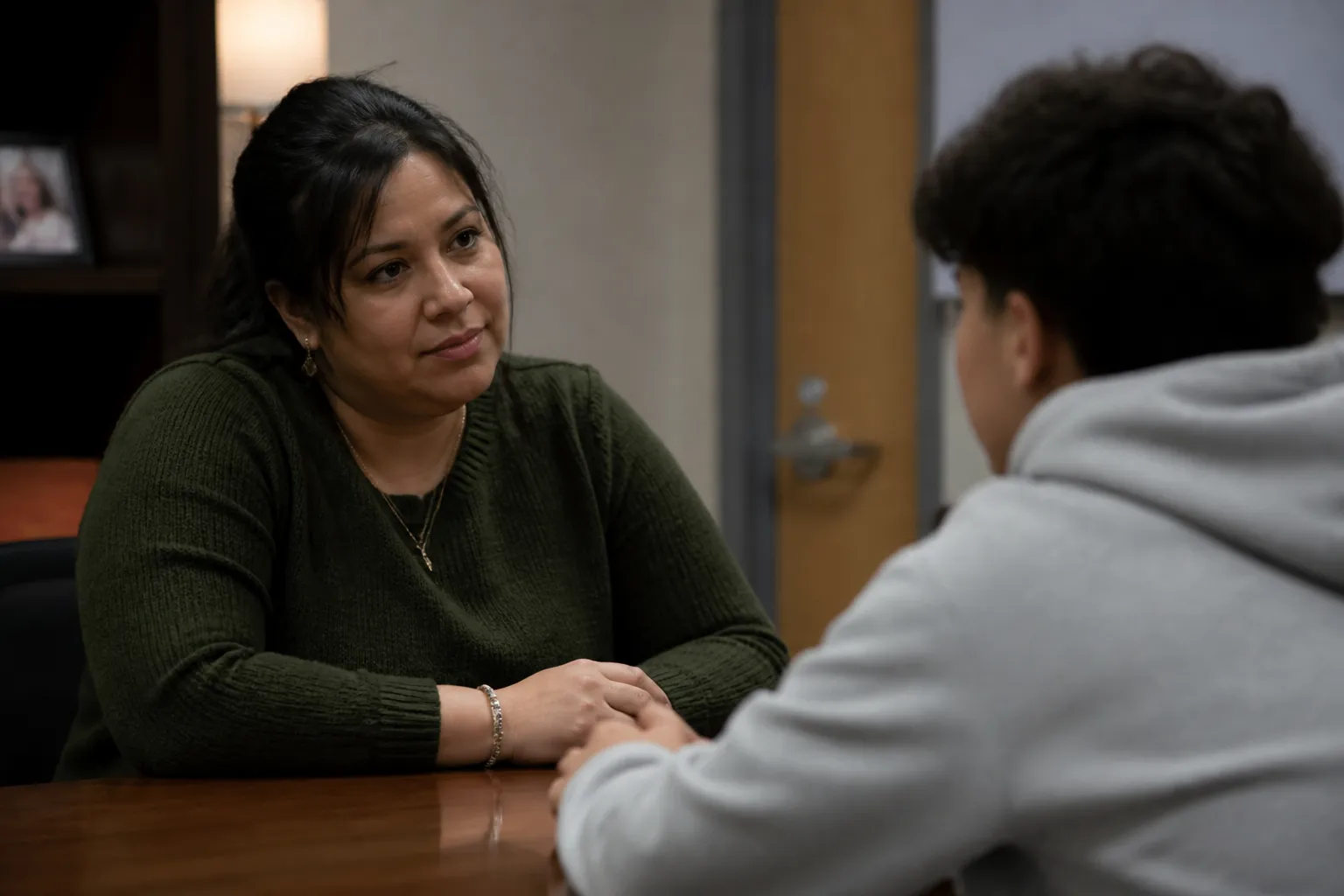
The next link in the chain is what American donors chronically underestimate, the period after a student walks onto campus but before dropout becomes a headline. Communities In Schools of Texas is compelling because it works precisely in that middle ground, where problems are messy, repetitive, and absolutely decisive.
The model first came to Houston in 1979 and expanded across Texas in the early 1980s, including Dallas. Today the organization coordinates a statewide network built around a simple but still underrated idea that support should show up where students already are. Its staff are embedded in public schools. They provide case management, campus-based student support, and one-on-one counseling from licensed clinical social workers for students who need mental health help.
That sounds administrative until you hear a student describe it. Rahma A., a student at North Crowley High School in Fort Worth, put it this way. “I love CIS because it’s like an second home to me. To have people who check up on me everyday in school and reward me for my hard work means a lot.”
That work consists of daily relationships that keep students connected to school.
The numbers back up the intuition. More than 122,000 Texas students receive individual case-managed services annually through the network, and the 2023-2024 school year brought more than 700,000 hours of school-based mental health services. That is what keeps a missed class from becoming a missed semester. Among the students worked directly with, 99% stayed in school, 98% were promoted to the next grade, and 91% improved their academic measures. Of the seniors case managed, 98% graduated.
For donors, these figures show an intervention point many education conversations flatten into the word “support” and move on from. Communities In Schools is much more specific than that. It funds the adult inside the building who can connect a family to food, shelter, housing, or clean clothes; the counselor who can see a student this week, not three referral steps from now; the person who can treat chronic absence as a solvable condition rather than a character flaw.
A rural superintendent, Marc Levesque, says the quiet part out loud: “CIS is a cost effective way to help our students receive services they otherwise would not have available.”
This is the infrastructure that makes class attendance, emotional steadiness, and academic progress more likely tomorrow morning.
Then, yes, pay the tuition
Get the weekly digest
New stories, new nonprofits, every Tuesday morning.
Scholarships still matter, but they are the third act rather than the opening scene.
The Dallas Society Of Visual Communications Foundation is a strong example of what late-stage student support looks like when it is focused instead of vague. Based in Dallas and founded in 2008, the foundation serves North Texas high school seniors and undergraduate students pursuing careers in visual arts or visual communications. Its core scholarship program provides up to $5,000.
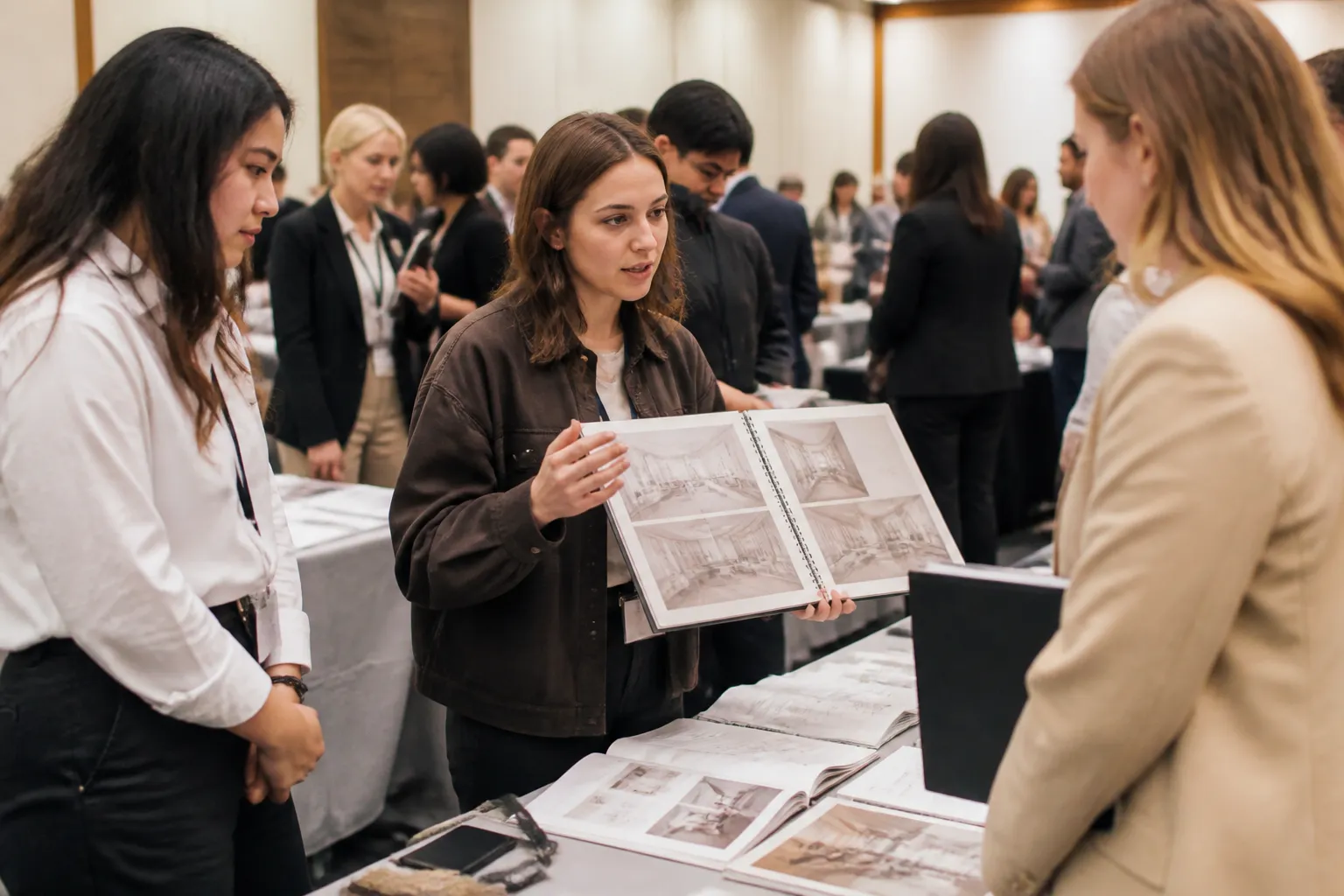
What makes this more interesting than a generic scholarship fund is that DSVC understands money and professional context as part of the same runway. Its annual National Student Show and Conference is a three-day student visual communications competition and conference with keynote speakers, breakout sessions, and a job fair. The scale is usefully concrete: 456 submissions, 156 conference tickets, and $20,000 in scholarships and awards through the National Student Show and Conference.
Runway is exactly what students need at this stage: cash and room to accelerate into an actual field.
There is a reason I am putting this organization last: scholarships are easiest to romanticize. Donors love the clean story: talented student, financial hurdle, triumphant next chapter. The clean story is appealing, but it only works if earlier links held. If nobody handled the attendance problem, the mental-health problem, the basic-needs problem, or the plain fact of getting a student through a school week with dignity, there is no scholarship candidate left to fund.
DSVC’s great value in this package is that it shows what the end of the chain can look like when it is done well: targeted, career-aware, and concrete.
The donor map, in plain English
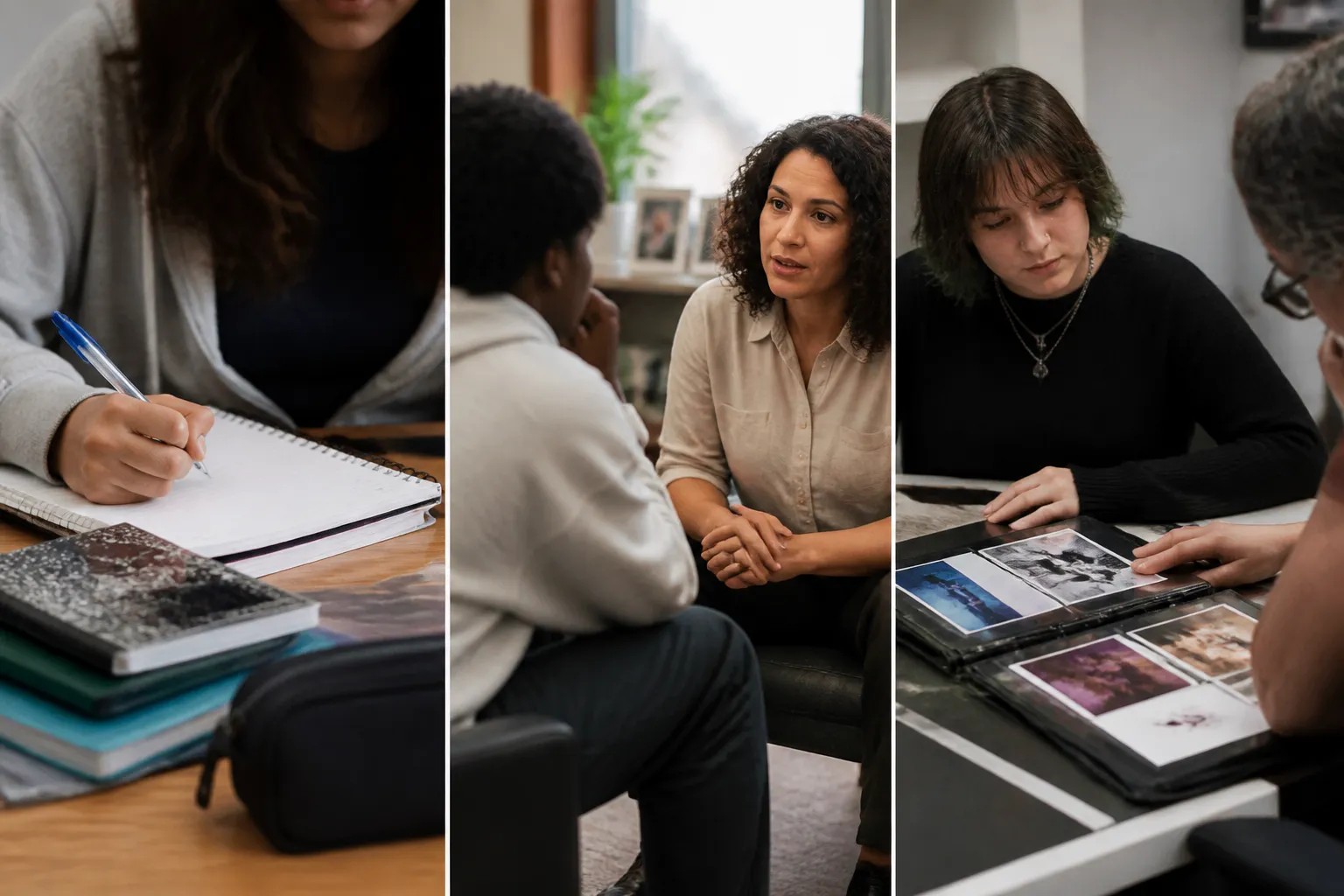
Most education giving gets seduced by the final receipt. The better question is simpler: at what point does a student’s path usually snap?
A student’s path usually snaps before college acceptance, often much earlier.
Here is the practical map these three organizations draw:
| Stage | Student need | Best-fit giving move |
|---|---|---|
| Before learning can happen | Basic materials, menstrual-health support, safe access to school | Fund Dear Future’s school kits, pads, and distribution logistics |
| While learning is at risk | On-campus adults, counseling, referrals, case management | Fund Communities In Schools staff and school-based mental health support |
| When the next step is within reach | Tuition help plus field exposure | Fund DSVC scholarships and the National Student Show and Conference |
This is what I would tell any Dallas donor who wants to be useful rather than merely inspired: fund the chain in order.
The sequence starts with attendance and dignity. The adults who keep a student connected to school can prevent crisis from hardening into exit. Then fund the scholarship.
Because the scholarship photo is the ending. The real story begins much earlier, with the things most people barely notice: a notebook opened on time, a girl not missing class, a counselor who is already on campus, a senior who made it far enough to need the check.
If you want one concrete move after reading this, back the first broken link: support Dear Future’s school materials or reusable hygienic pads, or fund campus-based student support staff through Communities In Schools of Texas before you add another tuition check. That is how you help students stay in school long enough for the scholarship to matter.
Frequently asked questions
- What’s the smartest way to help students succeed in school in Dallas?
- Start before tuition. The strongest donor map in this piece begins with basic school materials and menstrual-health support, moves to school-based case management and counseling, and only then gets to scholarships.
- What does Communities In Schools of Texas actually do inside schools?
- It places embedded support staff in Texas public schools and provides case management, campus-based student support, and one-on-one mental health counseling from licensed clinical social workers.
- What kinds of supplies does Dear Future provide?
- Dear Future’s School Materials Program provides notebooks, pencils, erasers, rulers, crayons, glue, chalk, toilet paper, and other school essentials. Its Her Full Attendance program also provides disposable and reusable hygienic pads plus menstrual-health support.
- Who can receive a DSVC Foundation scholarship?
- The foundation serves North Texas high school seniors and undergraduate college students pursuing careers in visual arts or visual communications. Its scholarship program provides up to $5,000.
- Does Dear Future work in Dallas schools?
- Dear Future is based in Flower Mound, Texas, but its programs operate internationally in Peru, Uganda, and Guatemala. In this piece, it matters because it shows with unusual clarity how basic needs shape whether students can stay in school.
- CIS of South Central Texas Communities in Schools’ mentoring program can have life-changing impact for Comal County students Read Article — herald-zeitung.com ↗
- CIS of North Texas Communities In Schools of North Texas celebrates 31 years of changing lives Read Article — crosstimbersgazette.com ↗
- CISNT helps local students stay on track for graduation — starlocalmedia.com ↗
- What does Communities in Schools do for Corpus Christi ISD? See the numbers. — caller.com ↗
- Communities In Schools of Houston Encourages a Strong Start to the School Year — kvia.com ↗
- dear-future.org ↗
- Dear Future was founded in 2021 by Ric Juarez and is based in Flower Mound, Texas; its scope includes Peru, Uganda, and Guatemala.
- Dear Future’s School Materials Program provides notebooks, pencils, erasers, rulers, crayons, glue, chalk, and toilet paper, and its Her Full Attendance program provides disposable and reusable hygienic pads plus menstrual-health support.
- In March 2025, Dear Future delivered school materials to 382 students across 14 schools in two regions of Peru.
- cisoftexas.org ↗
- Communities In Schools of Texas places embedded support staff in public schools and provides case management, mental-health counseling, and campus-based student support for students at risk of dropping out.
- dsvc.org ↗
- The Dallas Society Of Visual Communications Foundation provides scholarships of up to $5,000 for North Texas high school seniors and undergraduate students pursuing visual arts or visual communications, and it runs the annual National Student Show and Conference.