
North Texas Still Has a Use for Your Old Ham Radio
If you have old ham gear in North Texas, the best move is not dropping it at a thrift store and hoping for the best. McKinney Amateur Radio Club is the rare local organization where dusty radios can feed license training, technical workshops, repeater infrastructure, and real emergency-readiness practice.
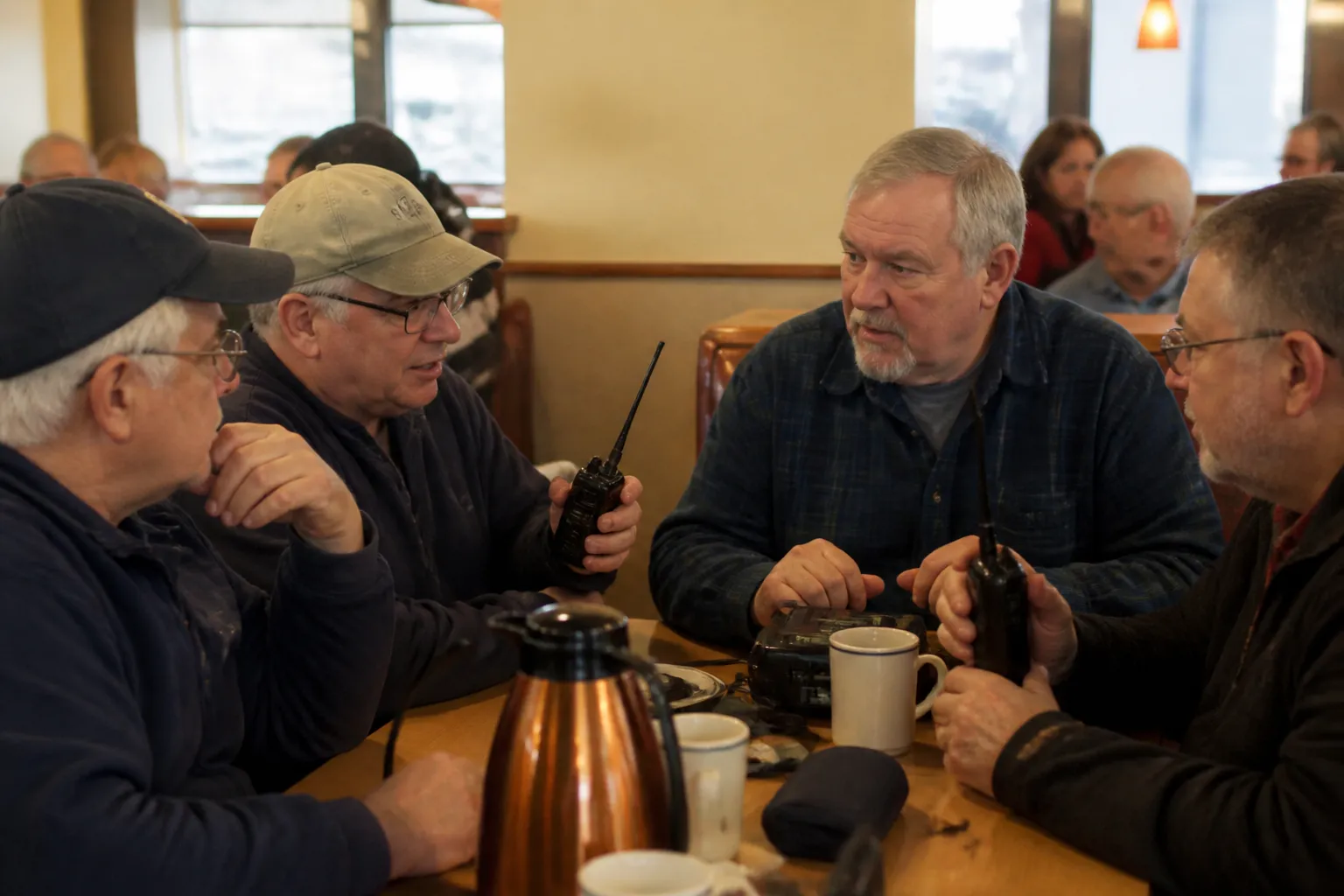
At 7:30 on Saturday mornings, the IHOP in McKinney becomes the least nostalgic room in North Texas. Coffee. Pancakes. Somebody asking about antenna tuning. Somebody else comparing notes on a Sunday net. In the middle of it, the quiet argument for why an old ham rig might still have a future.
If that is what brought you here after searching donate ham radio equipment in Dallas TX, here is the blunt answer: do not send it straight into a generic donation pile. Start with a local club that still teaches with radio, practices with radio, and maintains the infrastructure that makes radio useful. In this part of North Texas, that means McKinney Amateur Radio Club, based in McKinney and serving Collin County and the wider North Texas region. For a Dallas-area donor, that is close enough to be practical and broad enough to matter.
Ham radio has a public-image problem. To outsiders, it can look like hobbyist clutter with a lot of knobs. What makes this club worth your attention is that its calendar points in the opposite direction: learning, operating, public service, emergency communications preparedness, and the unglamorous upkeep of repeaters that keep local operators connected.
That is the whole case.
If you're trying to donate ham radio equipment in Dallas TX, start with the club that actually has a use for it
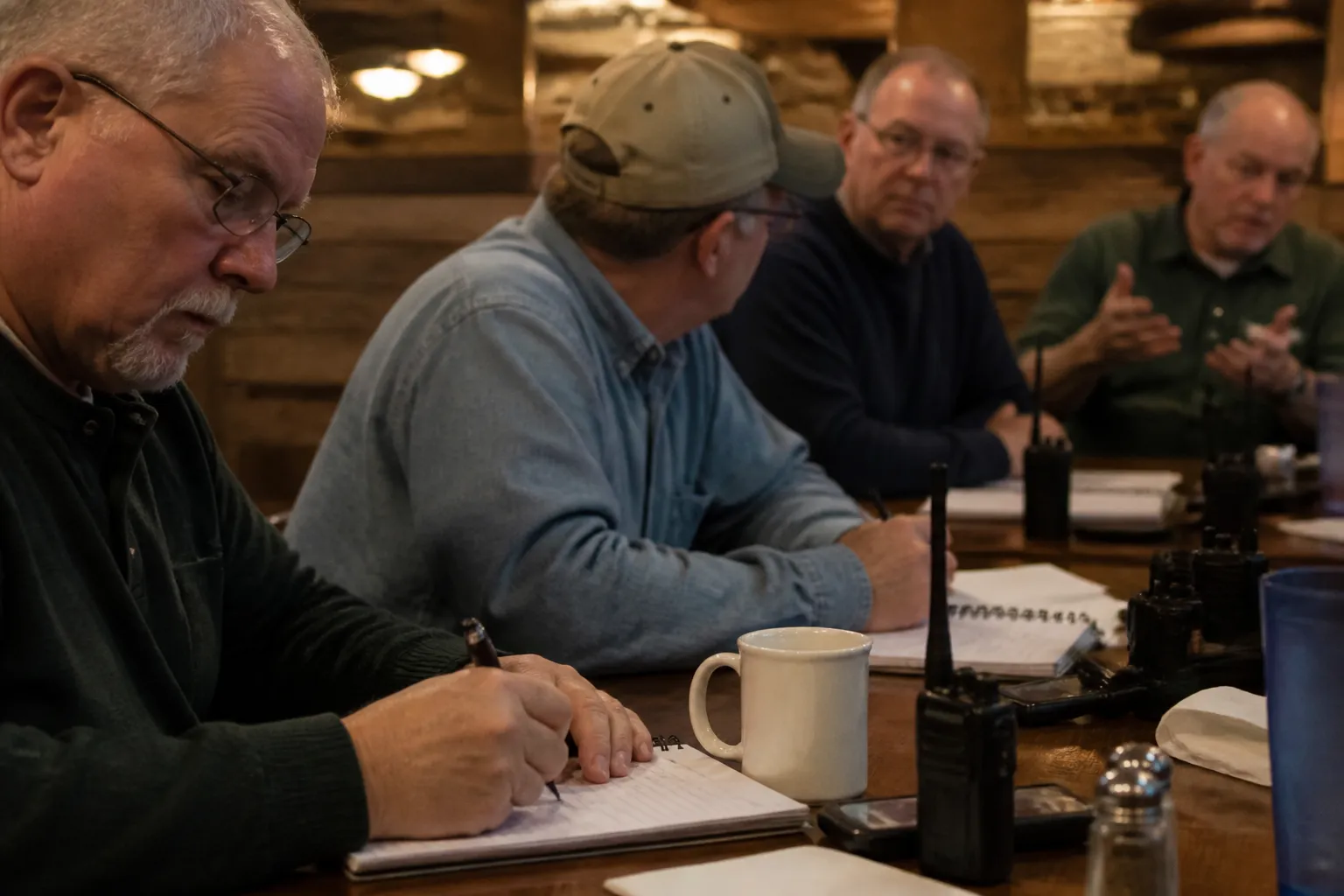
In philanthropy, I trust calendars more than slogans. Routine is underrated evidence. A lot of groups can write a mission statement; far fewer can produce a standing Saturday table full of people who care enough to show up before 8 a.m.
McKinney Amateur Radio Club hosts open breakfast discussions every Saturday at 7:30 AM at IHOP in McKinney. A general business meeting takes place on the second Tuesday of each month at 7:00 pm at Spring Creek Barbecue. Scheduled nets include a Sunday general information net and a Monday simplex net. Monthly FCC Amateur Radio License Exams are also available. Those recurring events are the habits of a live technical community.
Even the smaller details help. Robert Keister is listed as president effective January 1, 2025, which is the kind of current, boring fact that tells you an organization is not surviving on an abandoned website. The club is also listed as an ARRL-affiliated Special Service Club. If you are deciding whether your old equipment might land somewhere serious, these are exactly the clues you want.
A donated handheld or older HF rig does not sit on a shelf here. It might land on a Saturday workshop bench, where a new Technician candidate learns the controls, compares antennas, and hears the difference between theory and a live signal. That is why the club's mix of weekly practice and repeater work matters: gear moves from closet surplus to a working lesson, then back onto the air when someone needs it.
The smartest thing this club does is turn radio into a pipeline
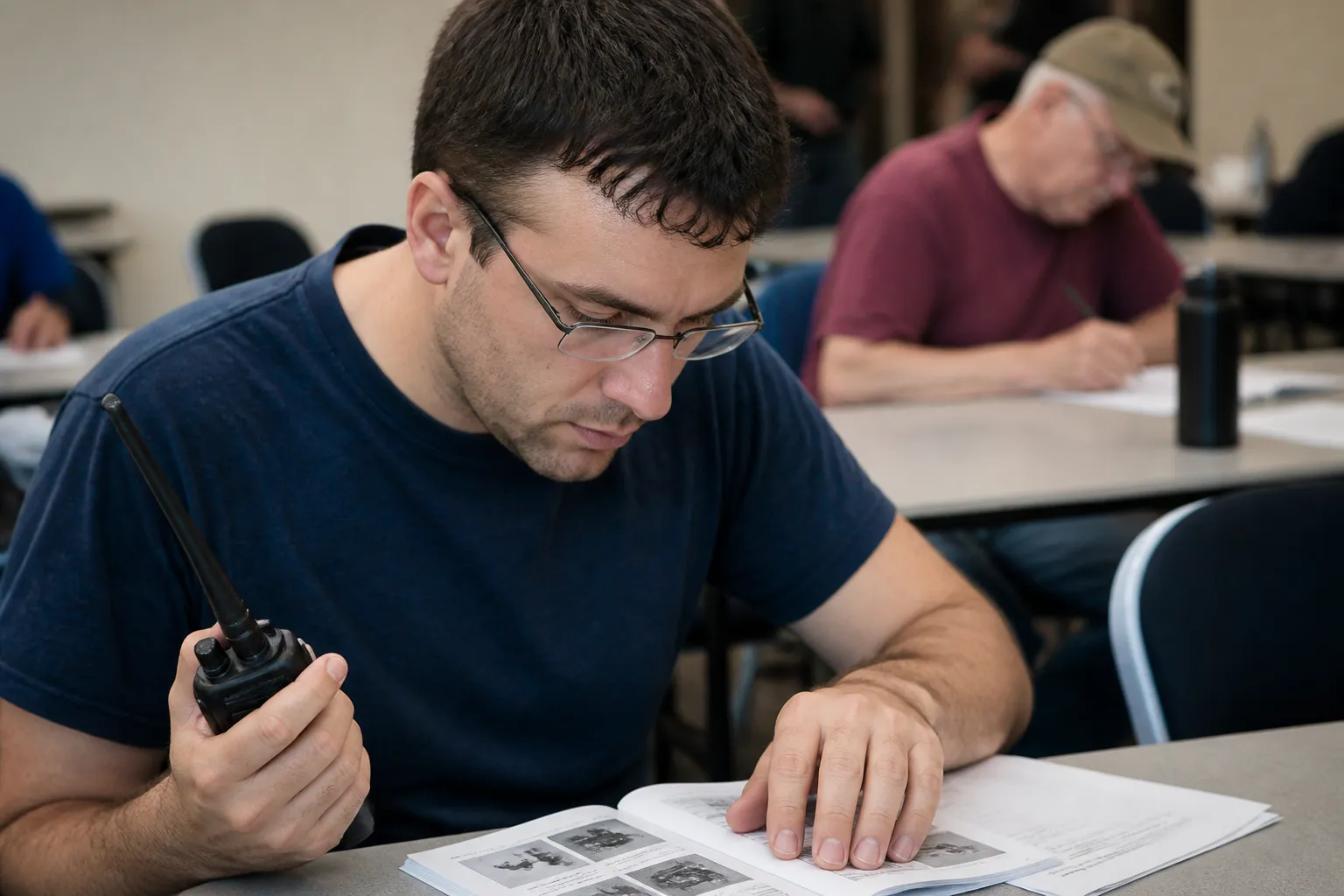
A lot of technical groups fall into a museum trap: preserve the artifact, admire the artifact, forget the apprenticeship. McKinney Amateur Radio Club does the opposite. Its entry points are practical and refreshingly unromantic: license training and FCC amateur radio license testing for Technician through Amateur Extra classes, with mentoring available.
Then it gets more interesting. The club hosts technical training and hands-on workshops on antenna building, antenna tuning, electronics, soldering, digital modes, and software-defined radio. It publishes on emergency communication preparedness, antenna building and tuning, and global radio wave propagation. This is a hands-on club where radios get examined and put to work.
That difference is exactly why older equipment can still matter here. Not because every donated box is a treasure. Not because anything with a call-sign sticker belongs on an altar. Because the club is organized around use. A working radio can help someone learn. An older piece of equipment can help make fundamentals visible. And when gear is not the best fit, support still matters because the operating backbone is not free.
Look at where donated support goes. The club says donations fund maintaining and expanding support efforts and educational efforts, repeater infrastructure upkeep, including insurance and upgrades, the Youth Fund that gifts a radio to members under 18 who pass their FCC license, and a scholarship for a Dallas Regional Science and Engineering Fair student. That is the part I find genuinely impressive. The club is a pipeline from curiosity to capability, giving new operators access to youth programs and technical training.
Get the weekly digest
New stories, new nonprofits, every Tuesday morning.
Even the club's brag is the right kind of brag: 80+ Field Day points. Amateur radio people will clock that immediately. Everyone else can read it as a simpler truth: this is a club that gets on the air instead of just talking about getting on the air.
The hobby stereotype misses the real point: readiness
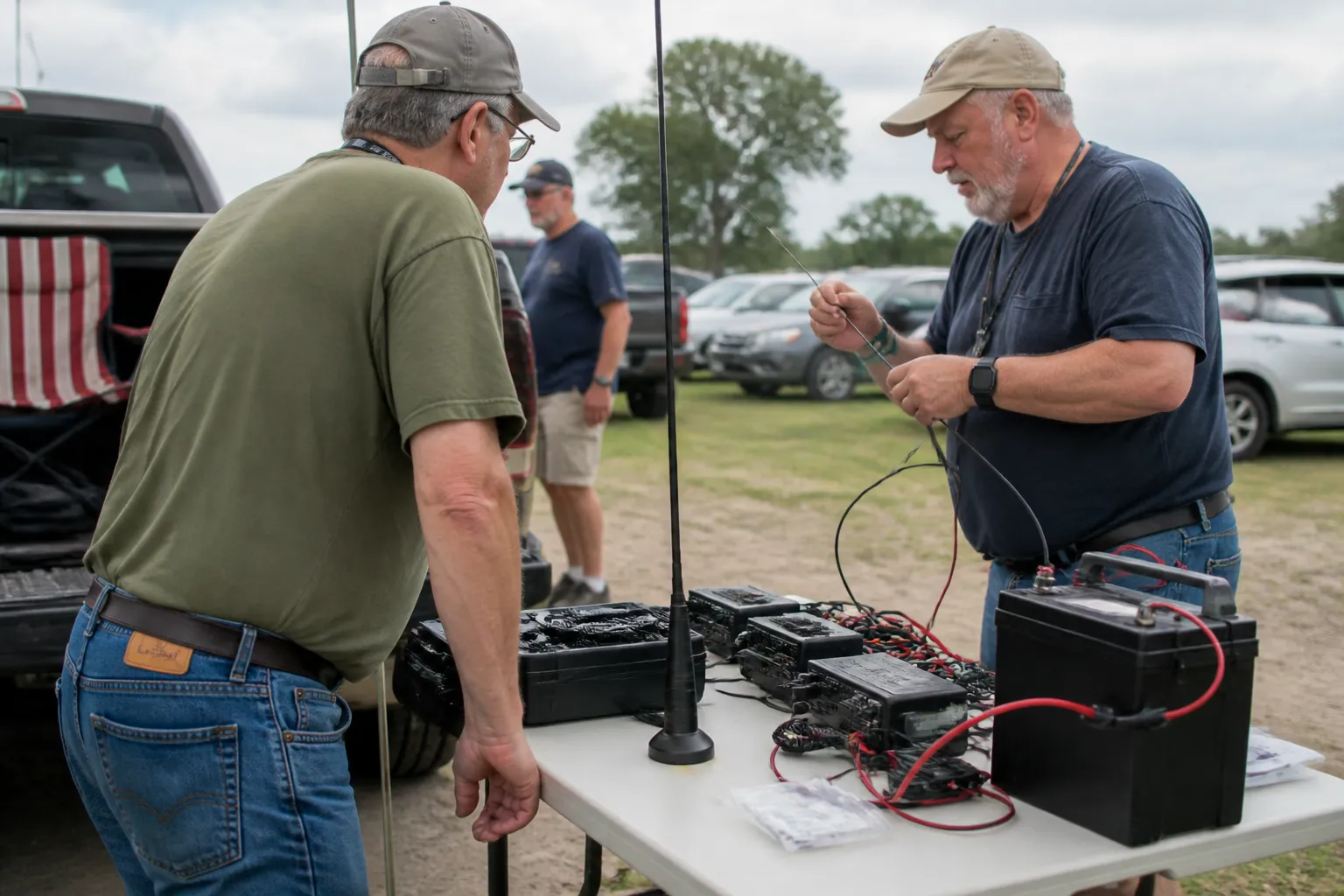
The case for supporting this club gets stronger when you stop thinking about radios as collectibles and start thinking about them as local backup capacity.
McKinney Amateur Radio Club provides volunteer communications support for community events and emergency services when needed in North Texas. It partners with organizations including ARRL, the Community Emergency Response Team, the Amateur Radio Emergency Service North Texas Section, the National Weather Service, the Heard Museum, and the Dallas Regional Science and Engineering Fair. Those names matter because they place the club inside a wider civic network. This is not just a social circle with unusually early breakfast habits.
The infrastructure side matters too. The club owns and operates FM repeaters, APRS digipeaters, and backup repeaters that support local amateur radio communication. That is the unsexy part of the story, which is precisely why donors should pay attention. Readiness looks ordinary until an outage or emergency makes it the thing people need.
There is a broader lesson here. McKinney Amateur Radio Club braids those jobs together. Weekly nets practice procedures and test equipment. Workshops build competence. Public-service communications put that competence to work. Repeater maintenance keeps the whole thing standing.
The best local organizations do two jobs at once: they build skills before a community needs them, and they maintain the systems those skills depend on.
So yes, this story may begin with an old transceiver in a closet. But the real object of your donation is the network.
Before you pop the trunk
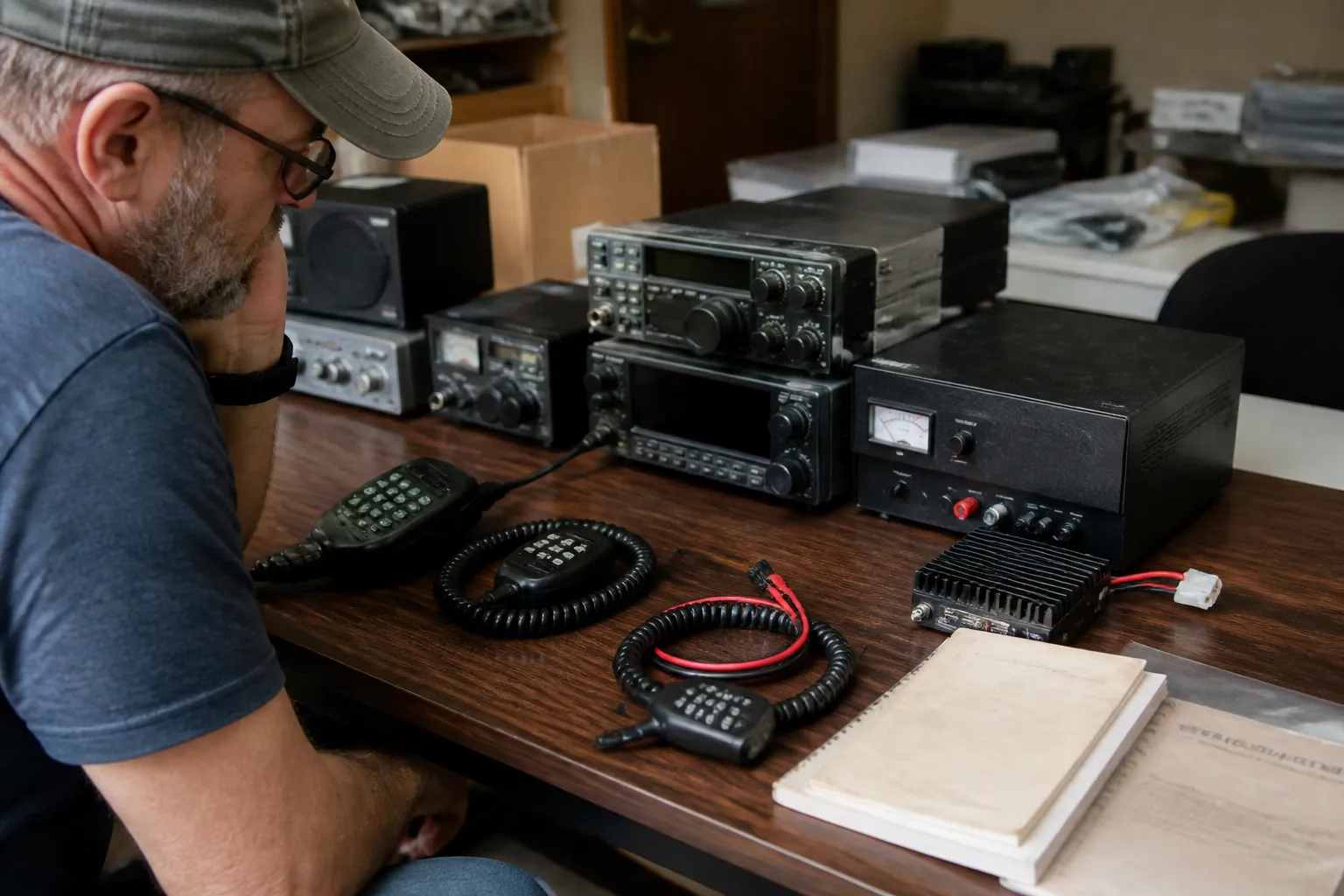
If you have gear and want to be useful about it, start by checking the model numbers and separating the pieces that still belong together. A radio, its microphone, the power supply, the manuals, and the cables tell a clearer story when they arrive as one set. From there, contact the club through its contact page so the conversation starts with what can actually be used. If the equipment is not the right fit, support repeater infrastructure maintenance and expansion or the club's educational efforts instead.
Sometimes the simplest donation is the one that reaches a training bench. A radio that still powers on can help a new operator learn the controls before an exam, and a full set of accessories makes that lesson easier to use. If you are new to all of this, the Saturday breakfast discussions, monthly meetings, and training activities are built for questions.
Before you hand that old rig to a thrift store, contact McKinney Amateur Radio Club and ask if it can be put to work for training or repeater support.
Frequently asked questions
- Where can I donate ham radio equipment in Dallas TX?
- A strong North Texas option is McKinney Amateur Radio Club in McKinney. It runs license training, monthly FCC exams, technical workshops, weekly nets, and repeater infrastructure, so it is the kind of group with an obvious use for radio-related support; contact the club through its contact page first to ask about fit and current needs.
- Does McKinney Amateur Radio Club only serve McKinney residents?
- The club is based in McKinney and serves McKinney, Collin County, and North Texas.
- Does the club offer FCC amateur radio license testing?
- Yes. McKinney Amateur Radio Club offers license training sessions and mentoring, along with monthly FCC amateur radio license exams for Technician and General licenses, plus the Amateur Extra class.
- Is McKinney Amateur Radio Club only for experienced operators?
- No. The club serves beginners, licensed beginners and licensed operators, plus students and youth. Newcomers can start with Saturday breakfast discussions, monthly meetings, training activities, or license preparation.
- How can I help if I do not have equipment to donate?
- You can support repeater infrastructure maintenance and expansion, fund educational efforts, help with Field Day operations or community event communications, serve as a fox operator, or fill supporting roles such as Public Information, QSL Manager, or Activities.
- mckinneyarc.org ↗
- McKinney Amateur Radio Club serves amateur-radio beginners, licensed operators, students, and youth in McKinney, Collin County, and North Texas.
- The club offers license training and testing, mentoring, and instruction connected to obtaining an FCC amateur-radio license.
- The club provides volunteer communications support for community events and emergency communications activities.
- The club holds an open breakfast discussion every Saturday at 7:30 a.m. at IHOP in McKinney, with questions and answers for participants.
- McKinney Amateur Radio Club is an ARRL-affiliated Special Service Club.