
A Houston shelter donation can do 3 very different jobs
A Houston shelter gift is not one category of generosity. It can keep an older adult housed tonight, turn donated labor into more rooms and beds, or pay for the ID documents and workshops that make stability possible next.
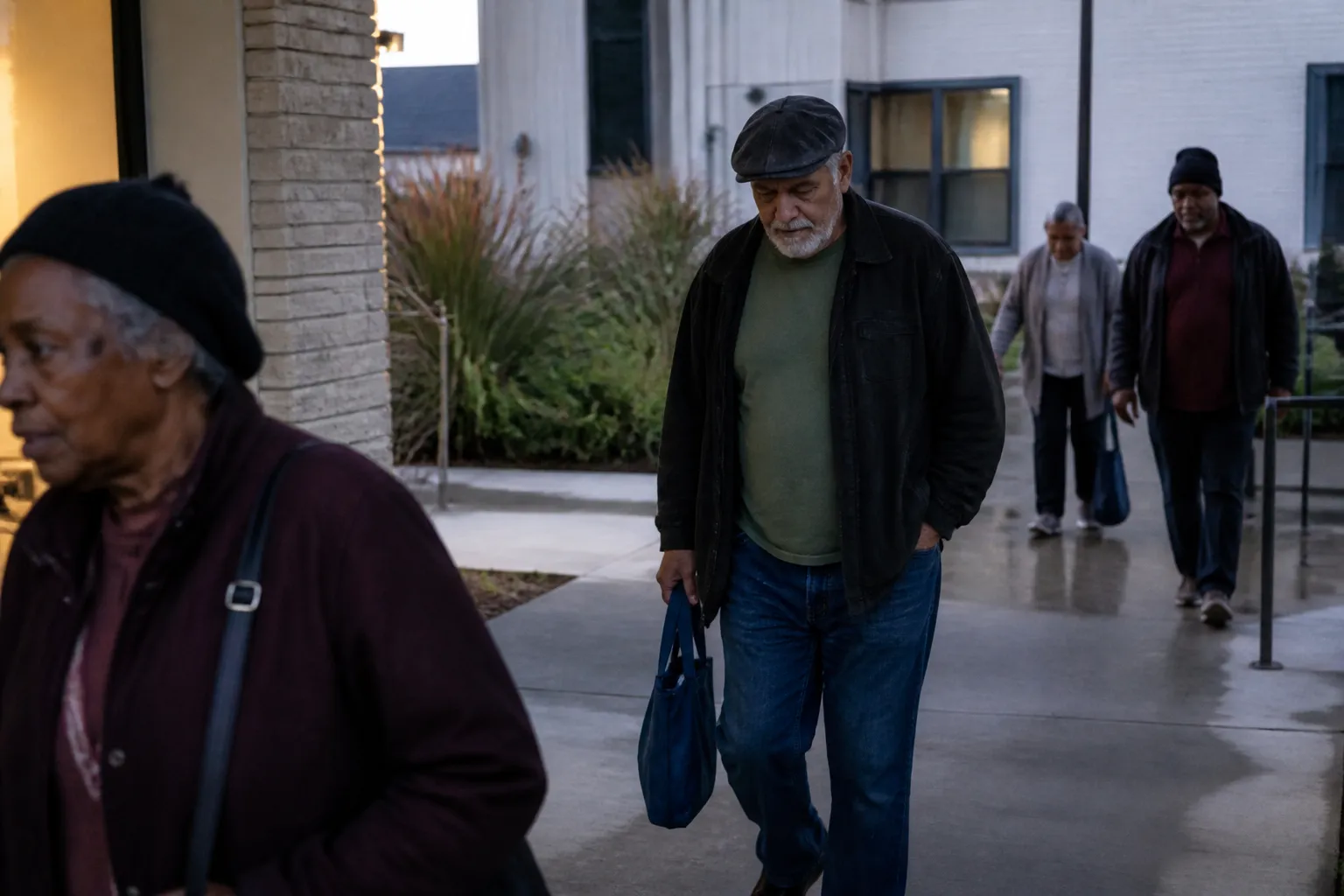
I keep coming back to a real-estate decision from 1988. Isha Salas-Desselle looked at older adults without a safe place to sleep in Houston and acted: she sold her house. “I sold my house in 1988 and used all my savings to buy a dilapidated 34-unit apartment complex to provide a place for the elderly homeless.”
That origin story matters because it exposes the category error in the way people talk about shelter giving. Most Houston shelter donations get flattened into one mental bucket—blankets, canned food, maybe a few winter coats. Shelter is a chain of jobs. A gift can keep a bed operating tonight. It can pay for the ID and paperwork that keeps somebody stuck tomorrow morning. Or it can rebuild the physical space so the whole network has more room to work with next year.
Houston needs all three. What donors usually need is a map of which organization handles which part of the chain, and why that distinction actually matters.
These three groups each own one of those jobs unusually well. The practical move is to decide which result you want, then fund the organization built for that part of the work.
Houston shelter donations: The bed tonight
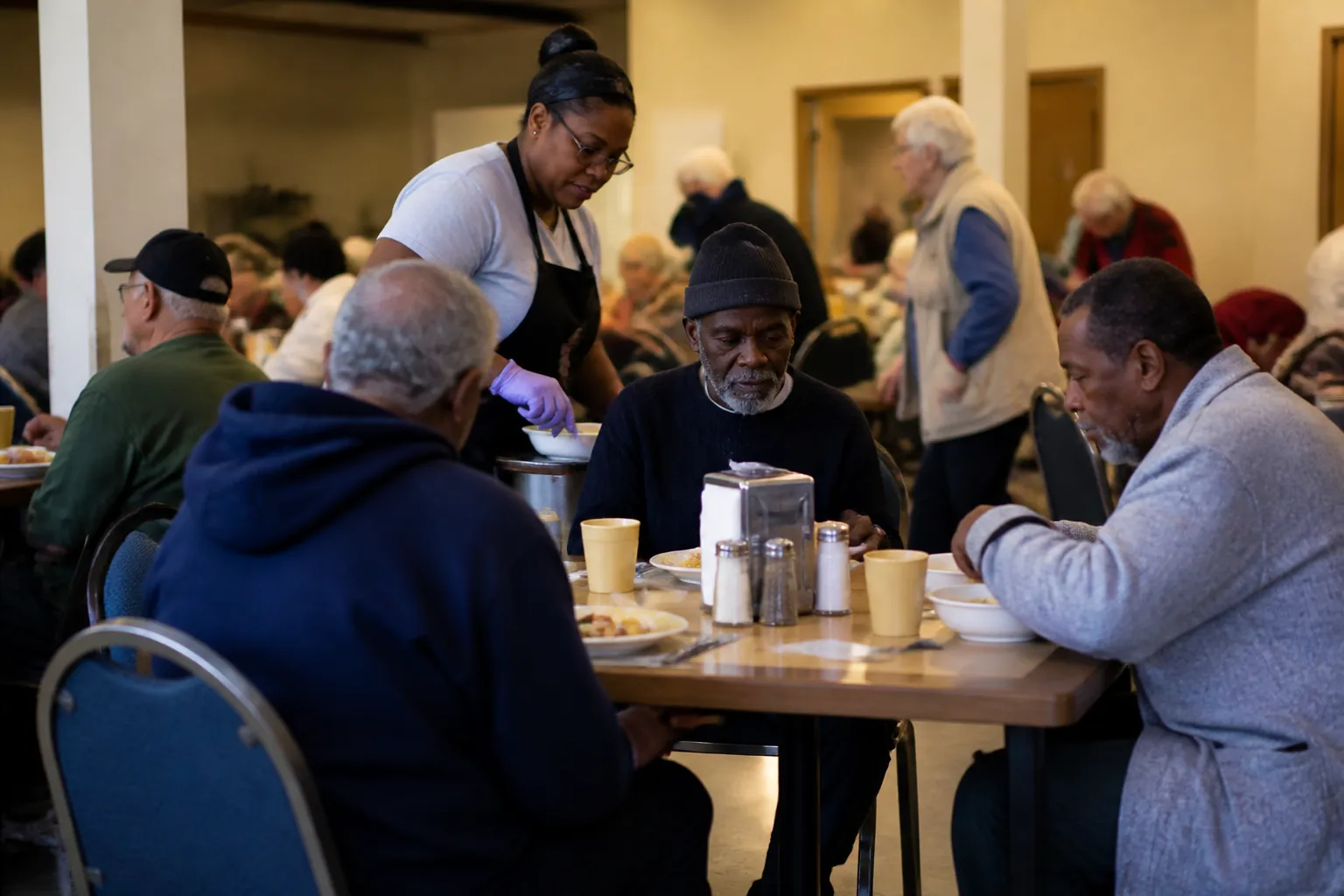
Turning Point Center provides emergency and transitional housing at a refurbished apartment complex in Houston for homeless adults ages 50 and above. According to the organization, it can provide a safe haven for up to about 90 residents at any given time. That matters, because older adults rarely need just a mattress and a stern lecture about self-sufficiency. They need a place where recovery can last longer than a night.
Residents reach the center from local churches, hospitals, evictions, other homeless shelters, agency referrals, and directly off the streets. That list tells you a lot. The center is where a dozen kinds of instability get handed off to one address that still has to make breakfast in the morning.
At the center, the bed comes bundled with the adult things instability wrecks first: three meals a day, clothing, counseling, case management and transportation, plus help replacing the documents benefits systems insist on. The center assists with state IDs, driver’s licenses, Social Security cards, birth certificates, SSI, SSDI, food stamps, and Medicare. This is the difference between emergency relief and actual traction.
Robert, whose story the center shares alongside Dora’s, describes finding hope, a renewed sense of purpose there. That tracks. The center’s model treats shelter as a platform for re-entry rather than momentary rescue. According to the organization, more than 37,000 senior homeless men and women have received benefits and services over the last 30 years, and the center serves about 180 residents annually.
If you want your donation to do the immediate, unglamorous, indispensable work, this is where it fits. The basics are food, utilities, toiletries, and bus tokens. The current asks are powdered milk, powdered eggs, toilet paper, trash bags, and basic utilities. None of these make for a stirring gala speech. All of them keep the place running. And running is the point.
The building upgrade
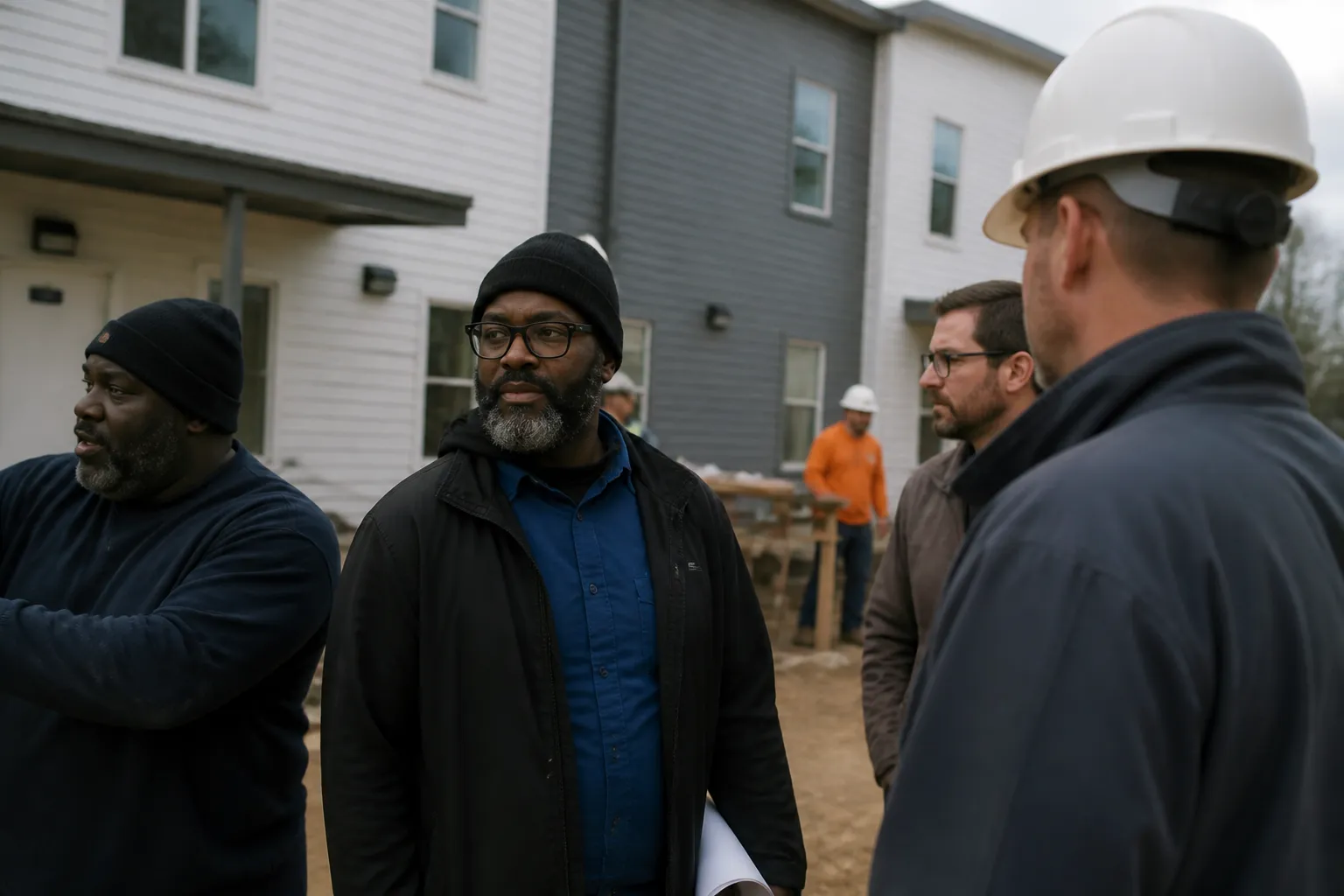
Some gifts should not go to a single bed at all. They should go to the walls, systems and usable space that decide whether a partner agency can add beds, keep families together, or stop limping along in a building that was never designed for the demand placed on it. That is HomeAid Houston Shelter Providers Of Houston Inc in one sentence.
Founded in 2003 by leaders of the Greater Houston Builders Association, HomeAid Houston connects nonprofit care providers with builder professionals who can donate labor and construction expertise expertise. The organization’s three core programs tell you exactly how it thinks. At Mission of Yahweh in north Spring Branch, the model becomes visible in two supportive housing buildings and 16 efficiencies. Its HomeAid Builds program handles new construction and renovation projects for care providers. Smaller labor-and-materials jobs, typically valued at $10,000 or below, fall under HomeAid Cares and come at no cost to the agency. The HomeAid Connects program supports retail build projects with discounted labor and materials that, according to the organization, typically save care providers about 20% to 35%.
The beauty of this model is that it treats shelter capacity as a construction problem rather than only a fundraising problem. A renovated bathroom, a repaired roof, or a reworked bedroom wing is not glamorous. It can add usable space for the people a partner agency already serves.
HomeAid Houston’s recent work makes that plain: support for two permanent supportive housing buildings at Mission of Yahweh’s campus in north Spring Branch, including 16 efficiencies; a new temporary home for children entering foster care with Isaiah 117 House Montgomery/Walker County; and four new duplexes for single mothers and children in Richmond through Abigail’s Place and Attack Poverty. In 2024, the group also approved its first affordable housing project with Agape Development.
Get the weekly digest
New stories, new nonprofits, every Tuesday morning.
“It is in the shelter of each other that the people live.” — HomeAid Houston
The line lands because the results are measurable. Since 2003, HomeAid Houston reports completing more than 77 construction and renovation projects for agency partners, adding over $16 million in housing and improvements to the community, impacting more than 1,800 beds, and contributing to more than 1.3 million nights of sleep. For a group that reports three staff and 550 volunteers, that is serious leverage.
This is also the rare case where a shelter donation might look like a builder’s Saturday instead of a check. Through community engagement work, volunteers join outreach projects, host item drives, and assemble Thanksgiving Basket Drive donations. Current asks include $25 gift cards for turkey, boxed stuffing, instant mashed potatoes, canned cranberry sauce, and foil turkey roaster pans. If what you want is more usable space in Houston’s shelter ecosystem, or the smaller fixes that keep partner agencies functioning, this is the fit.
The ID tomorrow
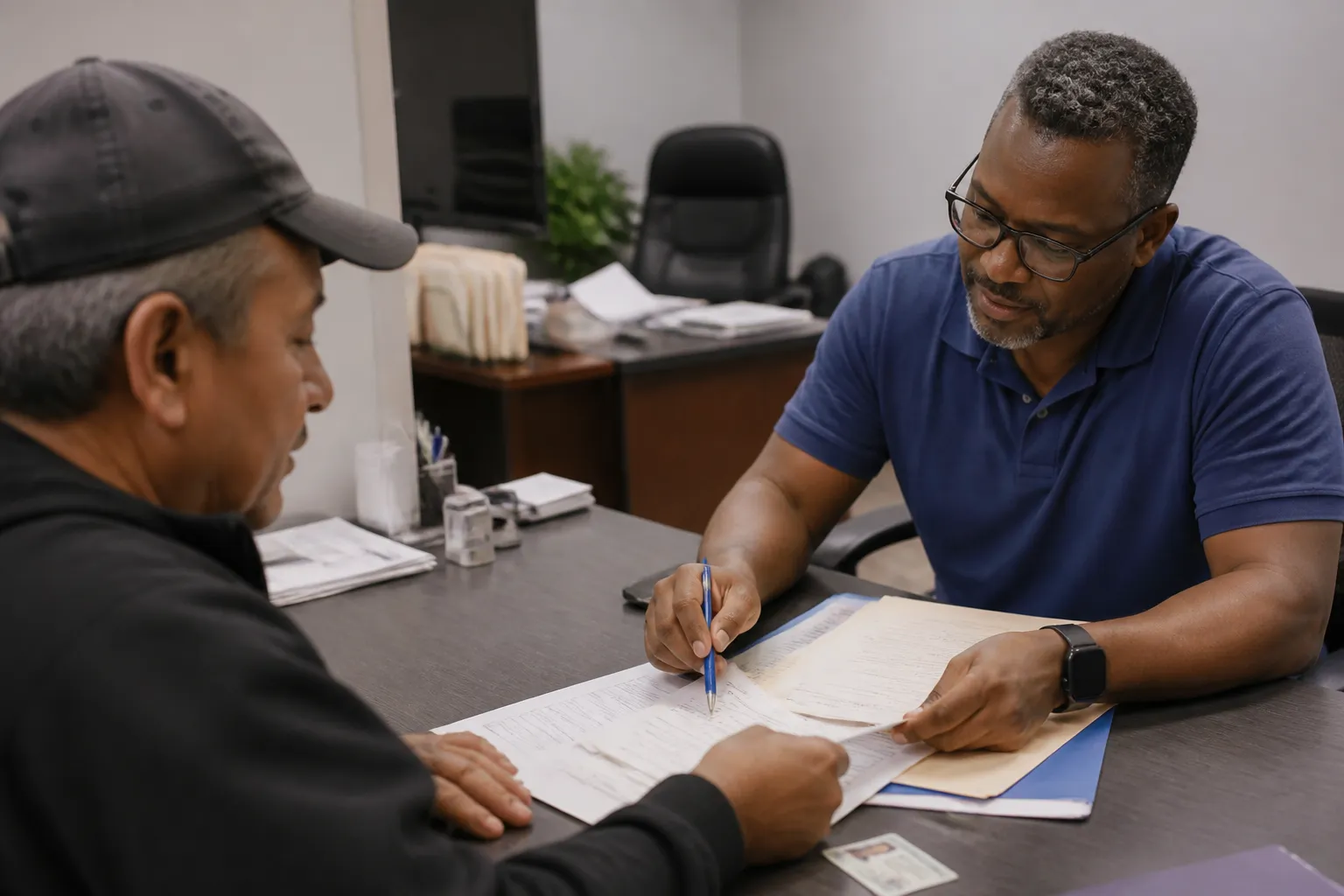
The cruel thing about poverty is how often it gets enforced by paper. A birth certificate helps someone obtain an ID. An ID helps unlock job paperwork and benefits access, no easy way back into ordinary civic life. That is why Main Street Ministries Houston belongs in any serious conversation about shelter-related giving, even though its first move is paperwork.
Main Street’s Operation ID helps clients gather supporting documents, complete application forms, and cover the costs of Texas state-issued IDs and related records. It is practical to the point of seeming small—right until you remember how many systems assume those documents already exist. Then it looks enormous. According to Main Street Ministries Houston’s 2022-2023 impact report, Operation ID served 3,145 participants. The organization also says more than 3,000 individuals visited in the last twelve months.
There is another reason this works: the program is referral-based, and the Life Empowerment track also begins through partner agencies already providing services. That may sound procedural. It is actually disciplined.
Main Street is taking the part of the process that is easiest to neglect—the paperwork—and handling it in coordination with the rest of the local support network.
Tamika W.’s story makes the point better than any theory. After losing her father and her job, she received help getting her birth certificate and driver’s license. She also got resource navigation that connected her to job support. Her verdict on the experience is refreshingly direct: “You’ve truly been a one-stop shop for hope and support, and I’m so thankful for everything you do.”
And Main Street does not stop at the document window. Its Life Empowerment Program combines education and financial assistance assistance for people working toward housing stability and sustainability. Getting Ahead in a Just Getting’ By World runs as a five-month workshop in English and Spanish. Family Hope extends that support with four more months focused on soft skills and a plan for change. In the same 2022-2023 report, the organization recorded 169 Life Empowerment participants and 594 family members impacted.
I like this approach because it refuses the false choice between crisis response and long-term change. A Texas ID is crisis response. A five-month workshop is long-game work. Put them together and you get something many poverty programs promise and few actually sequence well: a path. The little help might be document fees, a workshop seat, or mentorship that keeps someone moving when the paperwork is finally in order.
What people mean by Houston shelter donations, whether they realize it or not, is usually one of these three jobs. Keep a place open tonight. Create more physical capacity. Remove the bureaucratic choke points that make getting out so hard. The mistake is treating those jobs as interchangeable.
So decide on the job before you give. If you want to keep older adults 50 and up housed, fed and clothed, with benefits access right now, send the center the basics it is asking for. To expand or repair the buildings local care providers depend on, back HomeAid’s project and drive work. For the documents and workshops that help someone turn shelter into stability, give to Main Street’s Operation ID or Life Empowerment work. One city. Three very different jobs. Choose the one you want done, then fund it on purpose.
Frequently asked questions
- Which Houston nonprofit should I support if I want my donation to fund shelter for older adults right now?
- Turning Point Center serves homeless men and women ages 50 and above in the Houston area. It provides emergency and transitional housing, three meals a day, clothing, counseling, benefits help, and asks donors for basics like powdered eggs, toilet paper, trash bags, and utility support.
- What does HomeAid Houston do with shelter donations?
- HomeAid Houston uses donations, donated labor, and materials for construction and renovation work with nonprofit care providers through HomeAid Builds, HomeAid Cares, and HomeAid Connects. The organization says it has completed more than 77 projects since 2003.
- Can a donation help someone get an ID or birth certificate in Houston?
- Main Street Ministries Houston’s Operation ID helps clients gather documents, complete forms, and cover costs for Texas IDs and related records. According to its 2022-2023 impact report, Operation ID served 3,145 participants.
- How do people get help from Main Street Ministries Houston?
- Operation ID is referral-based, and Life Empowerment also begins through partner agencies already providing services. People usually access these programs through approved agency referrals.
- Can I volunteer instead of donating money?
- Volunteers can join HomeAid Houston outreach projects and item drives, provide one-on-one counseling at Turning Point Center, or help Main Street Ministries Houston with mentoring, resource support, event planning, and outreach.
- turningpointcenter.org ↗
- Isha Salas-Desselle says she sold her house and used her life savings in 1988 to buy a dilapidated 34-unit apartment complex for elderly people experiencing homelessness.
- Turning Point Center’s mission is to help homeless people age 50 and older regain independence and re-enter society as self-sufficient and productive citizens.
- homeaidhouston.org ↗
- HomeAid Houston’s programs include new construction and renovation projects for nonprofit care providers, smaller labor-and-materials projects, and retail build projects using discounted labor and materials.
- HomeAid Houston reported approving its first affordable-housing project with Agape Development in 2024.
- msmhouston.org ↗
- Main Street Ministries Houston operates Operation ID, the Life Empowerment Program, and a facilitated five-month Getting Ahead workshop offered in English and Spanish.
- turningpointcenter.org ↗
- “I sold my house in 1988 and used all my savings to buy a dilapidated 34-unit apartment complex to provide a place for the elderly homeless.” — Isha Salas-Desselle