
You can support Missoula arts and culture without buying a painting by backing 4 nonprofits that keep the scene alive.
Missoula’s best cultural giving is not about underwriting one glamorous night. These four nonprofits keep the city’s creative life public and recurring, through downtown design walks, beginner-friendly tango nights, fairgrounds infrastructure, and the volunteer engine behind student art.
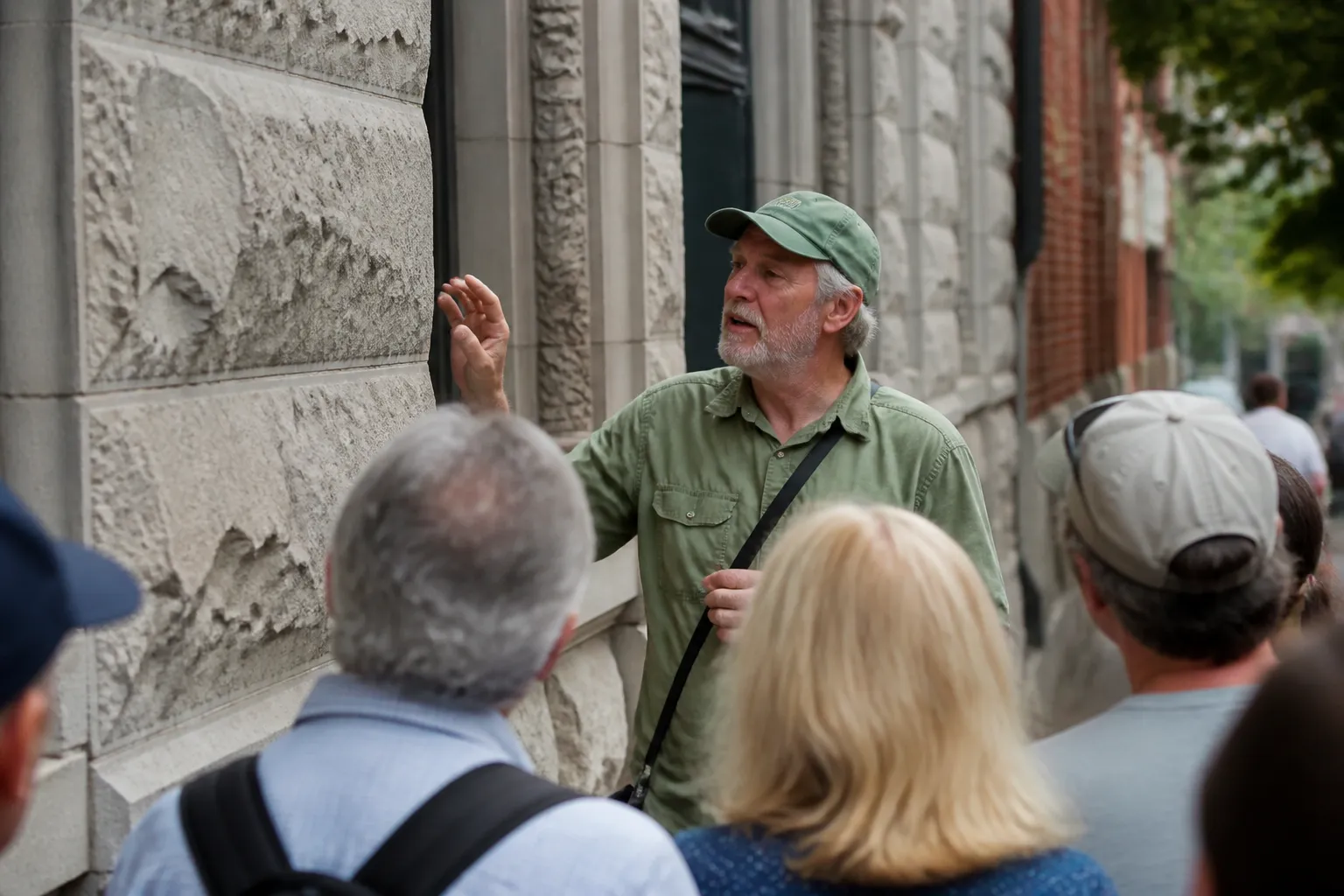
On July 14, a group of Missoulians will do something I wish more arts donors did: stop, look up, and pay attention to the city they already live in. Missoula Architecture Design has a downtown walking tour called Reading the Stone, led by Paul McLeod, and the title gets at the whole point. Sometimes it is right there in the facade above the coffee shop, waiting for somebody to teach the rest of us how to see it.
Culture is not only what hangs on a wall or happens after someone says welcome to tonight’s gala.
If you want to support arts and culture in Missoula, that is the lane I would pick: the groups that make creative life recur in public, week after week, without requiring a collector’s budget or a table sponsor. Missoula’s scene lives on sidewalks, dance floors, fairgrounds, and member calendars. That is the Missoula worth backing. These four nonprofits keep that circulation going.
Start with arts and culture in Missoula, MT
Missoula Architecture Design is impressive for a simple reason: it does not treat design as an insiders-only conversation. Plenty of architecture groups are great at talking to architects. MAD’s better trick is talking to the rest of the city.
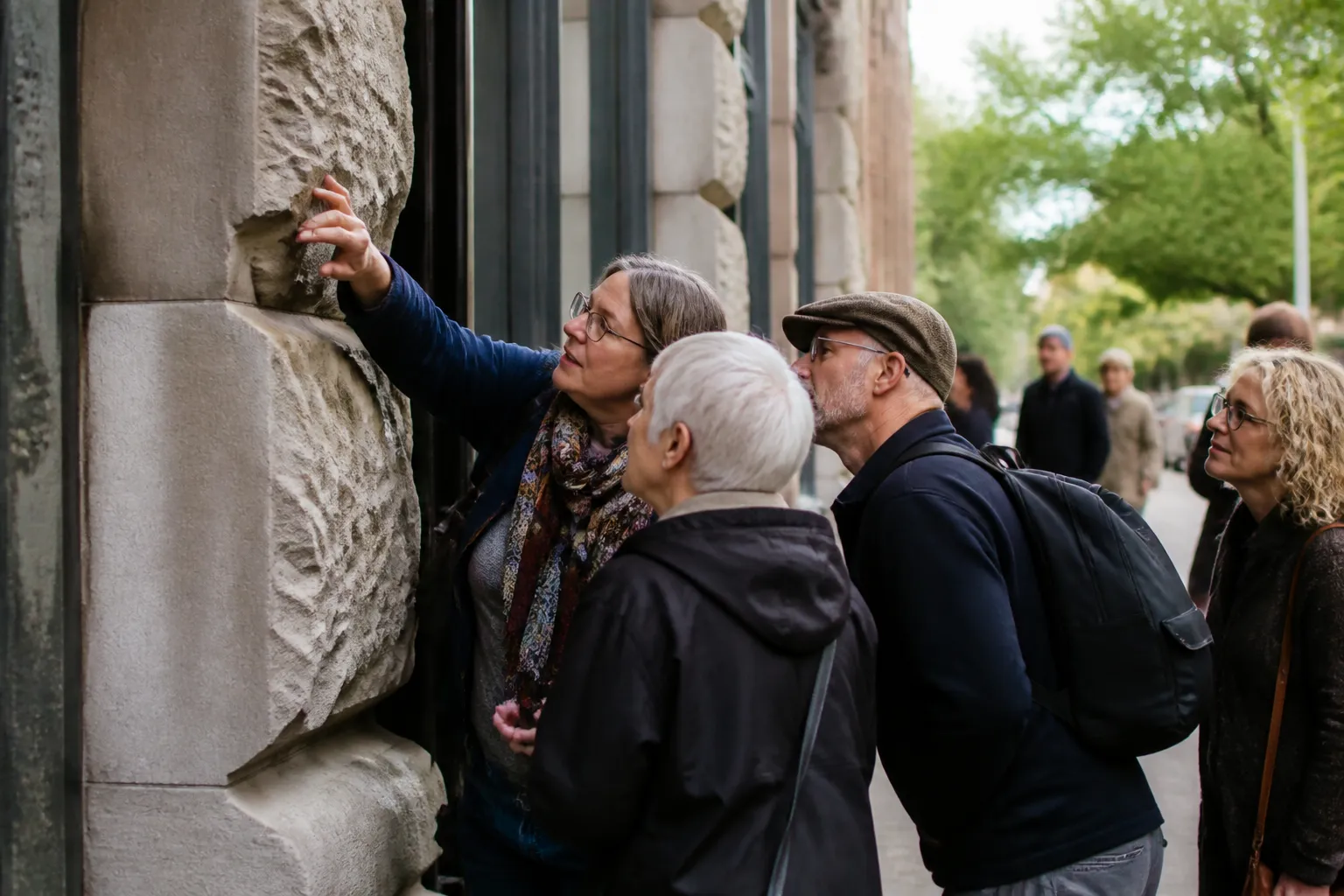
Its own description is crisp: "Connecting Missoula's design community through events, news, and outreach projects to celebrate, inspire, and encourage good local design and collaboration among local designers." Fine. But the more convincing proof is the calendar. On Tuesday, July 14, 2026, it is putting people on foot downtown for Reading the Stone, a public walking tour led by Paul McLeod about historic stonecutting. That is exactly the kind of program local culture needs more of: specific, place-based, and generous enough to turn a city block into shared education.
What I like here is the refusal to let “design” drift into abstraction. According to its site, Missoula Architecture Design also runs outreach projects and design community events, and even its monthly board meeting is open to people who want to help plan what comes next. It partners with Habitat for Humanity, Homeword, Climate Smart Missoula, the Missoula Historical Preservation Commission, CAPS, and ZACC, and its site also points people toward hands-on community work like a Habitat build day and a manufactured home re-skirting project. That mix tells you something. This is design as civic literacy, rooted in the buildings and streets people use every day.
A donor gift here is a vote for the idea that Missoula should be legible to its own residents. A town full of people who can read a building, notice a streetscape, and see why preservation and design quality matter keeps its character from becoming background noise.
Then fund the room where strangers stop being strangers
Tango Missoula has my favorite kind of cultural programming: the kind that gives you almost no excuse to stay intimidated. The organization hosts a Second Saturday Milonga every month, with an intro class beforehand, and its site is explicit that no partner or experience is required. Good. That single detail matters more than a thousand lofty statements about accessibility.
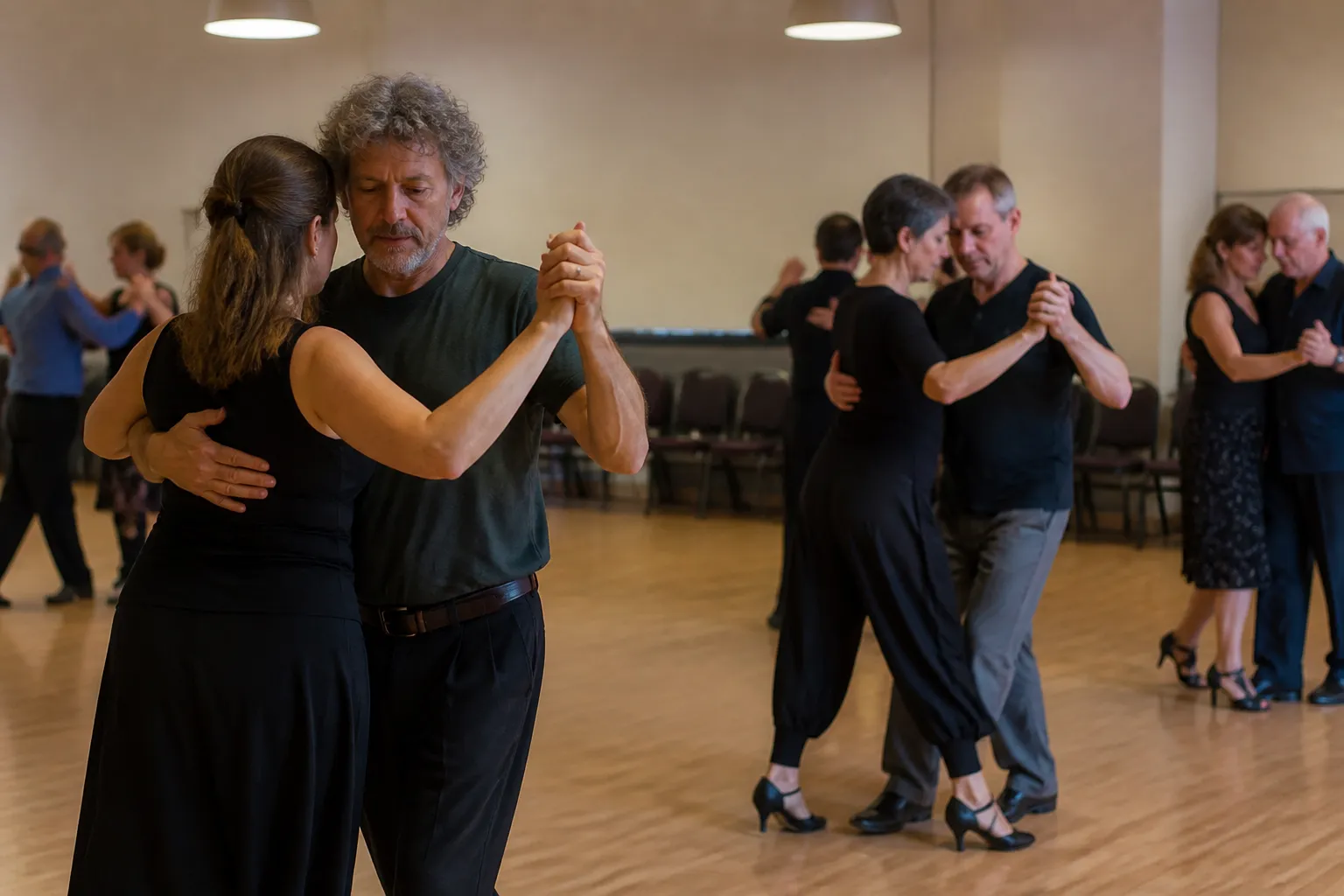
The group says, "The tango community in Missoula is friendly and welcoming." Normally I would let a line like that pass without applause. Here, the schedule backs it up. Tango Missoula lists weekly public-facing programming, including Tango Drills on Mondays and Tango Tuesdays, plus a Fourth Sunday Matinee Milonga. It also brings in visiting instructors for workshops and guided practicas. The schedule makes this a recurring social world, with weekly classes and monthly milongas.
That matters because dance is one of the fastest ways to make culture feel lived instead of admired from a distance. You do not need prior knowledge. You need a room, a teacher, a few regulars who do not act weird around beginners, and enough organizational muscle to keep the doors open next month too. Tango Missoula even offers need- and merit-based scholarships and grants for milongas, special events, classes, workshops, demonstrations, lectures, and performances; people can request free or reduced-cost attendance by emailing the group, which it considers monthly at board meetings.
According to the organization, donations help cover venue contracting, insurance for community tango events, online event registration and payment systems, and weekend workshops with visiting instructors from Buenos Aires and other countries. That is the infrastructure behind the magic. A partner and prior experience are unnecessary, and the organization supplies the steady work that keeps community going.
If you are deciding where to give, this is where the boring expenses become beautiful.
Get the weekly digest
New stories, new nonprofits, every Tuesday morning.
The least glamorous donation here might do the most public good
Carolynn Richardson started entering baked goods at the fair in the mid-1960s. Later, according to the Missoula Fairgrounds Foundation’s story archive, she became a judge and eventually Superintendent of Culinary, where she introduced and refined cook-offs. That is Missoula culture in its real habitat: not a one-night event, but a decades-long pattern of people bringing skills, showing them in public, and then helping the next round do the same.
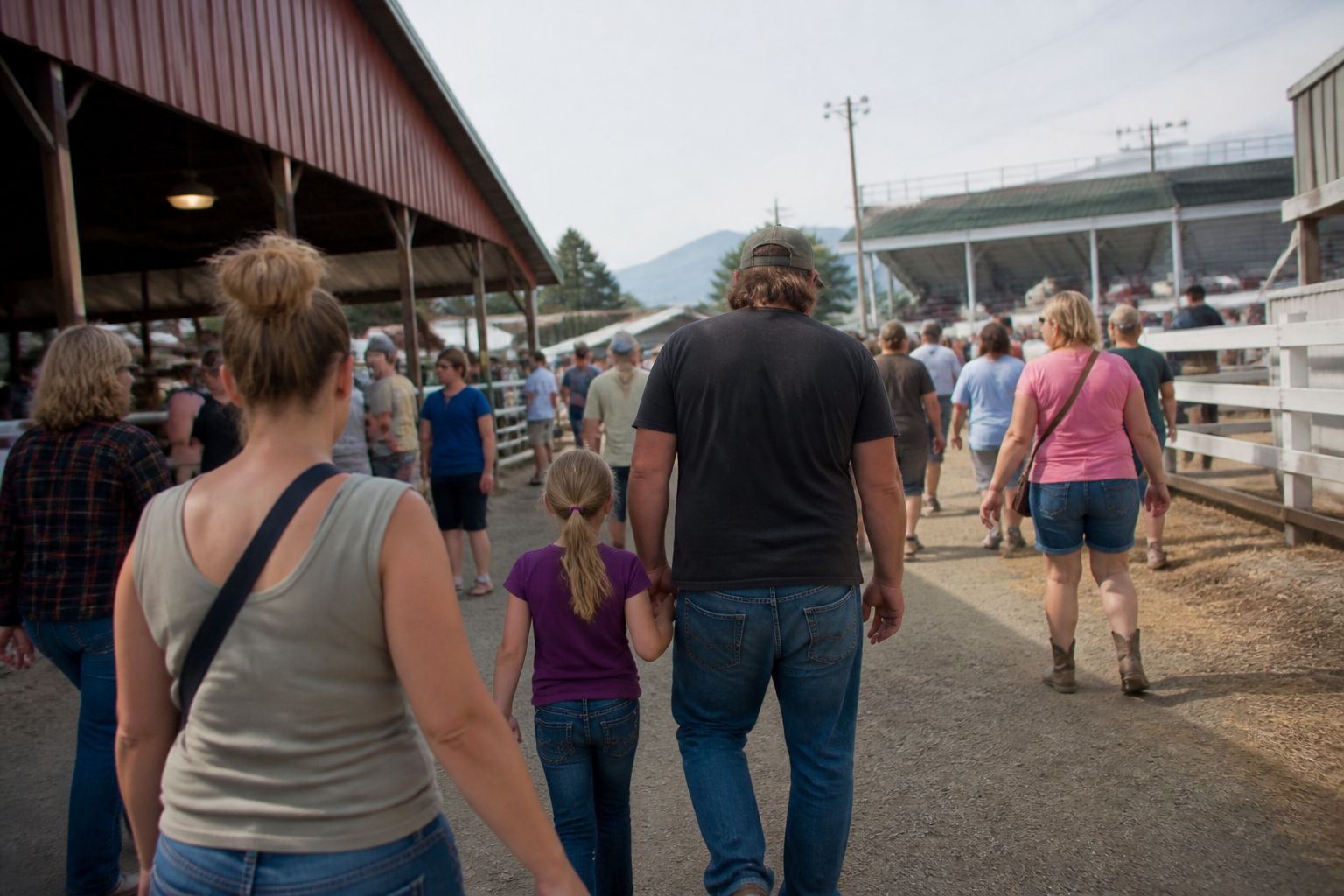
The Missoula Fairgrounds Foundation exists to support that kind of place. Formed in 1999, the foundation backs renovation, restoration, and programming connected to the historic Missoula County Fairgrounds. And the fairgrounds are not some sleepy once-a-year field. According to Missoula County, the site is home to the Western Montana Fair, the Missoula Stampede Rodeo, Glacier Ice Rink, and Rocky Mountain Gardens. The foundation’s materials say the fairgrounds host over one hundred events a year.
"For every $1 contributed in sponsorship, nearly $10 is redistributed back into our local community." — Missoula Fairgrounds Foundation
I love this pick for donors precisely because new grandstands are not sexy. The foundation is currently fundraising through its Throw Some Shade! campaign for new grandstands, and that is exactly the point. Shared culture runs on infrastructure most people only notice when it is missing: shade, seating, sightlines, usable arenas, buildings that can actually welcome the whole county. According to the organization’s own materials, donations support revitalizing and rebuilding the historic fairgrounds, building renovation and restoration, a new arena and grandstands, and programming tied to the Western Montana Fair.
If your definition of culture is too narrow to include the place where families watch rodeo action, 4-H and FFA youth sell livestock, gardeners wander through Rocky Mountain Gardens, and Western Montana keeps meeting itself in public, then the definition is the problem. The fairgrounds are one of Missoula’s biggest recurring stages. The foundation helps keep the stage standing.
The quietest group on this list may be the one that keeps the audience coming
Art Associates of Missoula has been around since 1975, which in arts-organizing years tells you it understands the unglamorous discipline of staying power. This is a membership organization, yes, but do not mistake that for social-club smallness. Its monthly programs, including gallery visits, working artist and artisan lectures, and creative workshops, do something every healthy local art scene needs: they give people a reason to keep showing up between the marquee events.
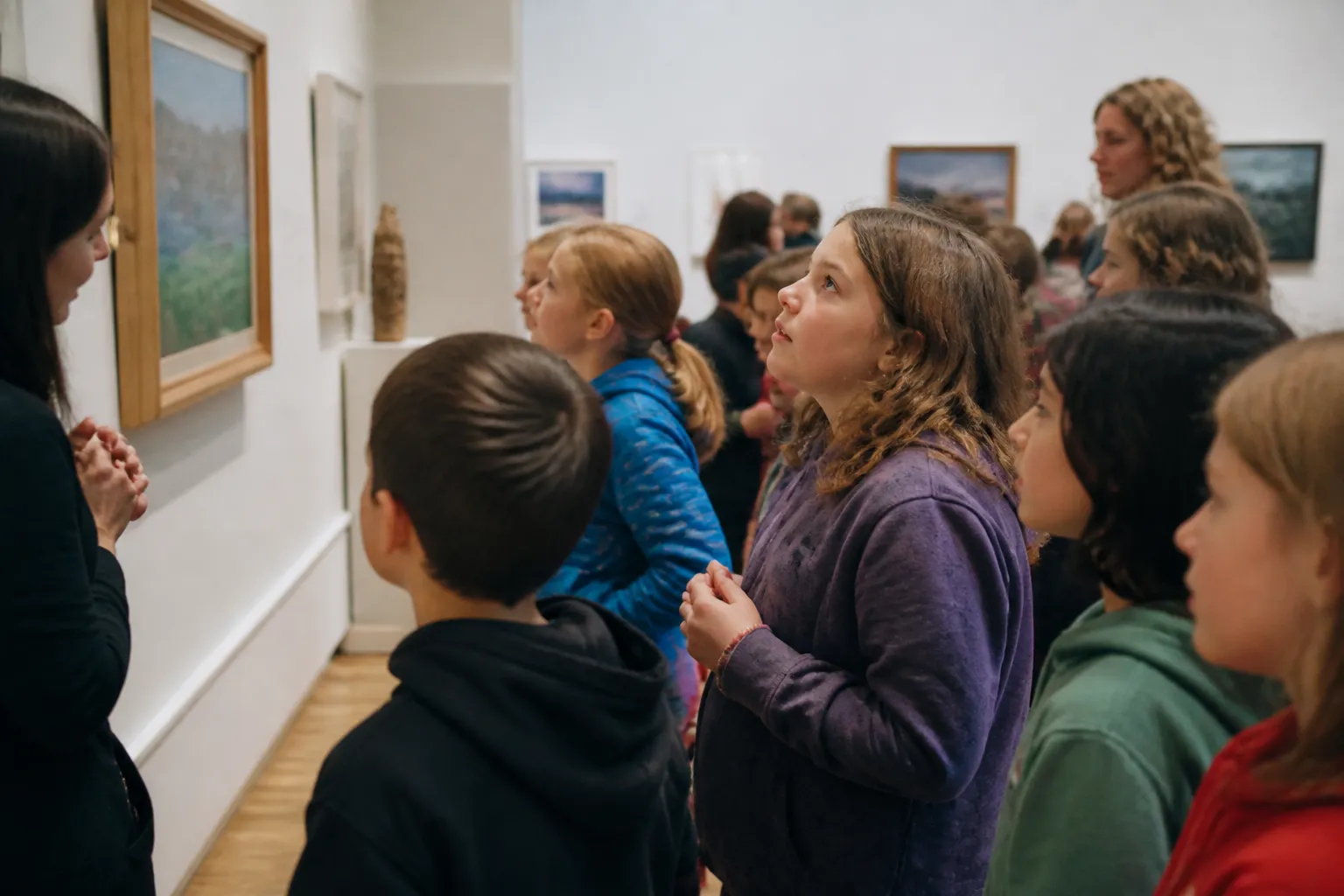
The organization’s recent site activity makes that rhythm visible. It has 2025-2026 season photos showing artist talks, workshops, holiday events, and the Spring Tour, and its 2026 Spring Tour included the Hamilton Daly Mansion, a River Rising Luncheon, and galleries and shops in Hamilton. Donor confidence should come from movement you can see on the calendar.
But the strongest case for giving here is what happens beyond the member gathering itself. Art Associates supports the Fifth Grade Art Experience in connection with the Missoula Art Museum and sponsors an annual University of Montana Art Education Scholarship. That is a smart little ecosystem: current art appreciators stay engaged, fifth graders get an art experience early, and a future art educator gets support at the university level. Missoula’s art scene has a better chance of staying local when the pipeline is not left to chance.
The annual Spring Tour helps raise funds for both the Fifth Grade Art Experience and the scholarship, while the group’s monthly meetings and activities, typically on the third Wednesday from September through May, keep the volunteer and donor base warm. There is also a Fall Kickoff Luncheon every September and a Holiday Event in December with a cookie exchange and bazaar. I like this model because it respects a simple truth: art communities do not survive on admiration alone. They survive on recurring gatherings, a few dependable traditions, and people willing to fund the student-facing work that does not always get the spotlight.
Missoula does not need another vague speech about “supporting the arts.” It needs public rituals that keep happening. A design walk that teaches people to read downtown. A milonga where beginners are actually welcome. Grandstands that let the county keep gathering. A membership engine that turns gallery enthusiasm into fifth-grade art experiences and a university scholarship.
So here is the clean action: pick the public version of Missoula culture you want more of this year, and fund the operating muscle behind it. Give to the walking tour people, the tango hosts, the grandstand builders, or the art volunteers—but Tie it to recurrence and the operating work that makes these gatherings possible. Then, if the calendar allows, show up in person. These groups keep culture in circulation.
Frequently asked questions
- What are some good ways to support Missoula arts and culture besides donating to a museum?
- This piece recommends four public-facing options, including Missoula Architecture Design for walking tours and outreach, Tango Missoula for beginner-friendly dance programming, the Missoula Fairgrounds Foundation for shared civic infrastructure, and Art Associates of Missoula for student art support and monthly community programming.
- Can I go to Tango Missoula if I do not have a partner or any experience?
- Tango Missoula says its intro class before the Second Saturday Milonga is open with no partner or experience required, and it also lists weekly classes and practicas for people building skills.
- What does the Missoula Fairgrounds Foundation fund?
- According to the organization’s materials, donations support revitalizing and rebuilding the historic fairgrounds, renovation and restoration work, a new arena and grandstands, and programming connected to the Western Montana Fair. Its current “Throw Some Shade!” campaign is raising money for new grandstands.
- Does Missoula Architecture Design offer public events for non-designers?
- Yes. Its site lists public programming including the July 14, 2026 Reading the Stone walking tour in downtown Missoula led by Paul McLeod. The organization’s mission also explicitly includes making design accessible to the general public.
- How does Art Associates of Missoula help students?
- Art Associates supports the Fifth Grade Art Experience in connection with the Missoula Art Museum and sponsors an annual University of Montana Art Education Scholarship. Its fundraising events, including the Spring Tour, help support those programs.
- missoulafairgrounds.com ↗
- The Missoula County Fairgrounds is described by its first-party materials as hosting an increasing variety of public events and as the largest such facility in Western Montana.
- The Missoula Fairgrounds’ programming includes the Western Montana Fair, a 4-H and FFA livestock sale, and a public park-and-trail system open daily.
- artassociatesmissoula.com ↗
- Art Associates of Missoula, founded in 1975, supports the Missoula Art Museum’s Fifth Grade Art Experience and sponsors an annual University of Montana art education scholarship.
- tangomissoula.com ↗
- Tango Missoula cultivates Argentine tango in the Missoula area through inclusive educational and social events, including classes, practice sessions and monthly milongas.
- missouladesign.org ↗
- Missoula Architecture Design connects local designers with the public through design-community events, outreach projects and architectural walking tours; its supplied calendar lists a July 14, 2026 Reading the Stone Walking Tour led by Paul McLeod.