
Dinner is where Missoula's welcome for international students starts feeling real.
Missoula International Friendship Program has a wonderfully unfussy theory of support: pair a University of Montana international student with a local resident, keep the invitations coming, and let dinner do the heavy lifting. In a world that loves institutional fixes, this all-volunteer program makes the case for one-to-one welcome.
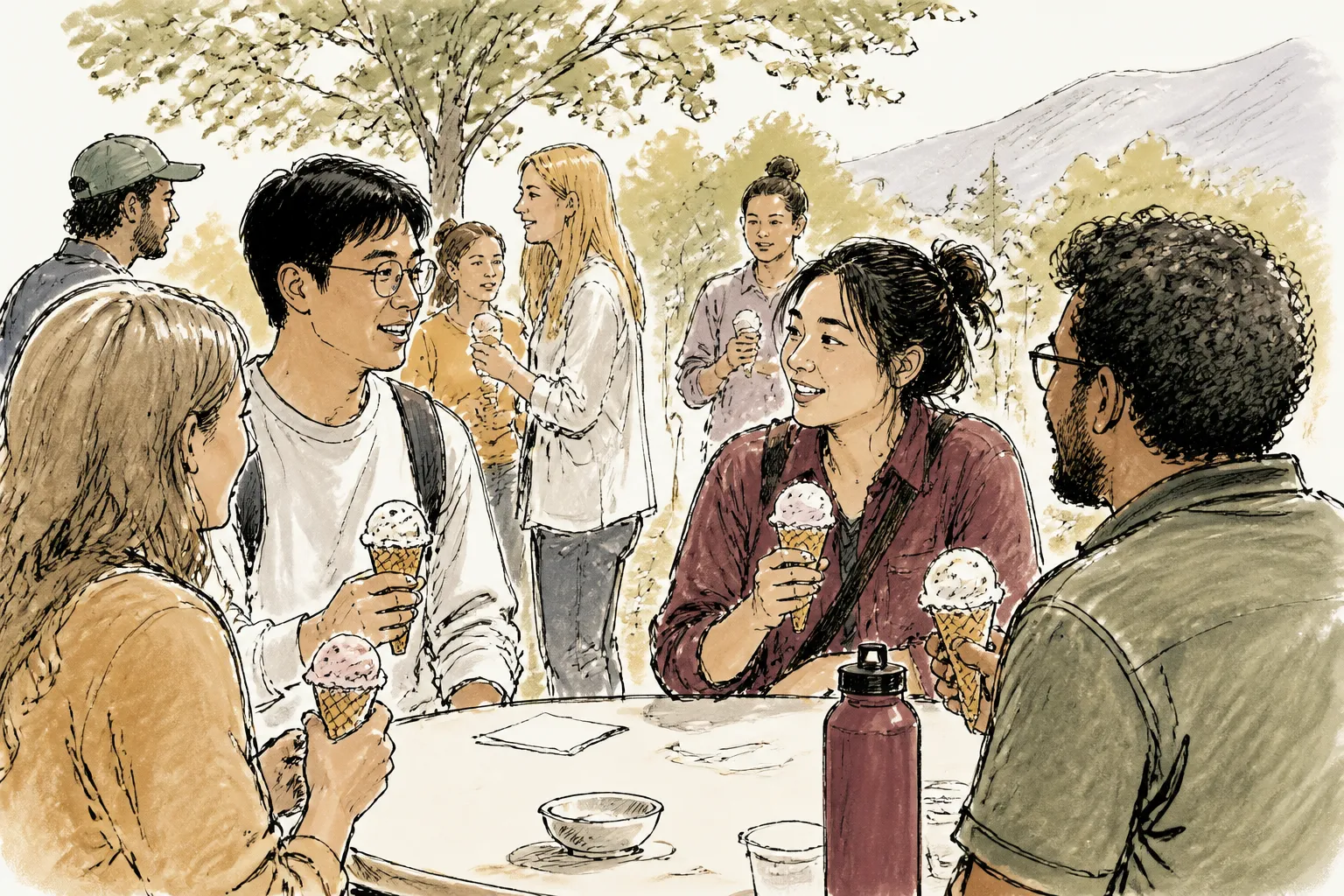
The smartest thing about an ice cream social is that nobody expects it to carry much weight. It looks like dessert, a little small talk, maybe a name tag curling at the edges. And yet for a student who has just landed in Missoula from somewhere very far from home, that first cone at Missoula International Friendship Program can do work an institution cannot. It can answer the question orientation packets never quite solve by showing a student who will know them here.
That is the part of international education people routinely underrate. Universities can handle paperwork, deadlines, and official resources. According to the organization, Missoula International Friendship Program was founded in 1980, and its flagship Community Friends program pairs University of Montana international students with local residents for semester-long or year-long friendship matches. The program is a person meeting another, followed by conversation, shared time, and the slow magic of a city becoming legible.
All of those are necessary, but the moment a place starts feeling real usually happens off the official calendar, somewhere between a meal and a second invitation.
Sometimes the most convincing social program is the one that understands scale.
How Missoula supports international students in MT
MIFP’s own tagline gets to the point faster than most mission statements do. It reads, “A Missoula welcome that starts with a friendship match, not a home-stay.” I love the clarity of that. Plenty of people want to help international students and scholars but cannot offer a bedroom, a lease, or a semester’s tuition. MIFP does not confuse hospitality with real estate. According to the organization’s origin story, a small group of Missoula citizens started the program in 1980, and over time it became a community-based, all-volunteer effort focused on friendship itself — the kind sturdy enough to survive a first awkward conversation and ordinary enough to fit into actual life.
That distinction matters because the program says Community Friends are assigned to one or more students for a semester or a year, which is just long enough for people to move past the ceremonial part of welcome. The model feels especially smart because it does not stop at “nice to meet you.” It builds in repeated contact, the kind that turns a polite introduction into an actual relationship. For students, that means Missoula is no longer just campus buildings and errands. For local residents, it means international exchange is no longer an abstract value they applaud from a distance. It becomes a relationship with somebody they actually know.
Community hospitality is more than branding or a once-a-year gala theme. It means a local resident and a student spending time together, learning how culture shock shows up, and making both campus and city feel less anonymous.
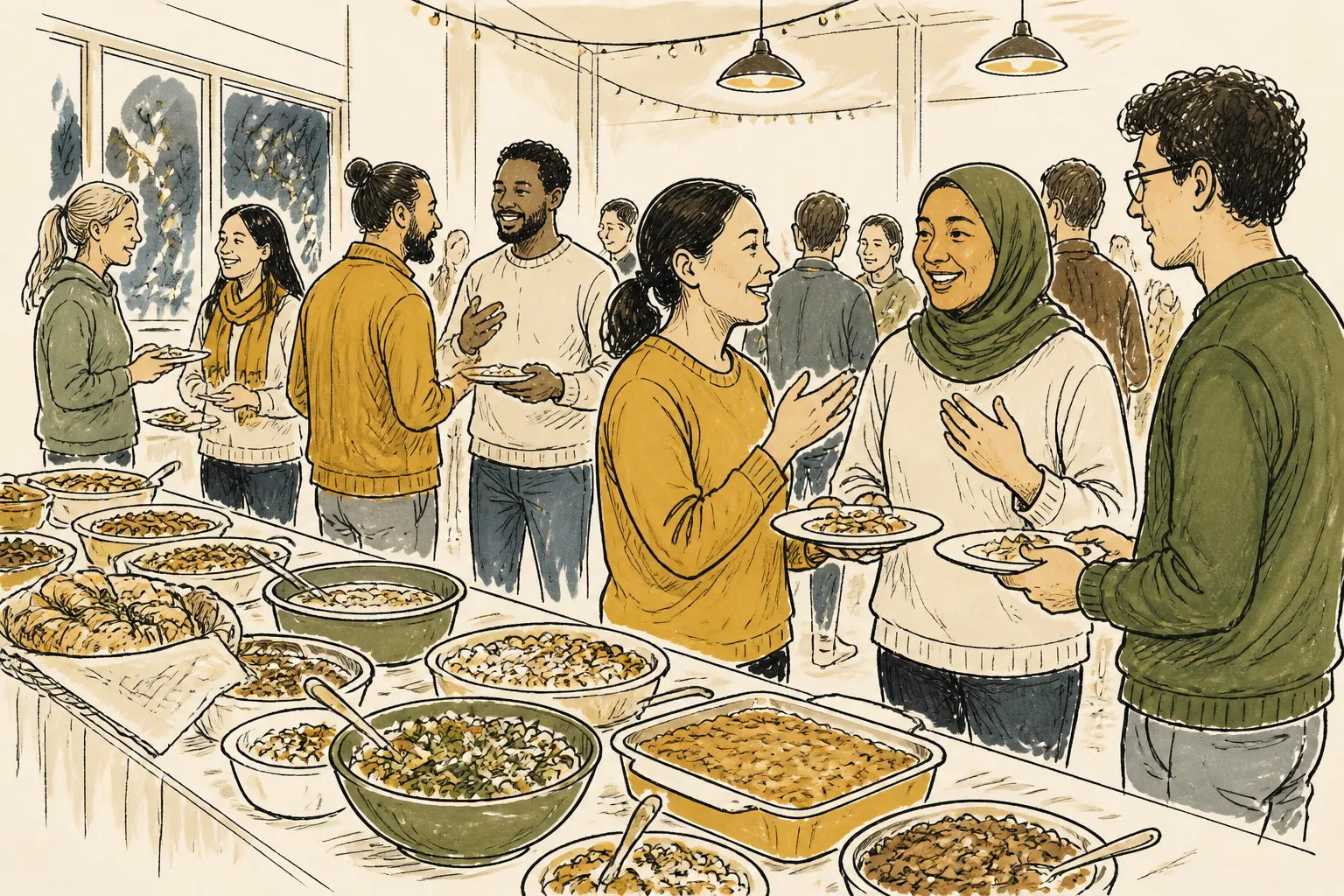
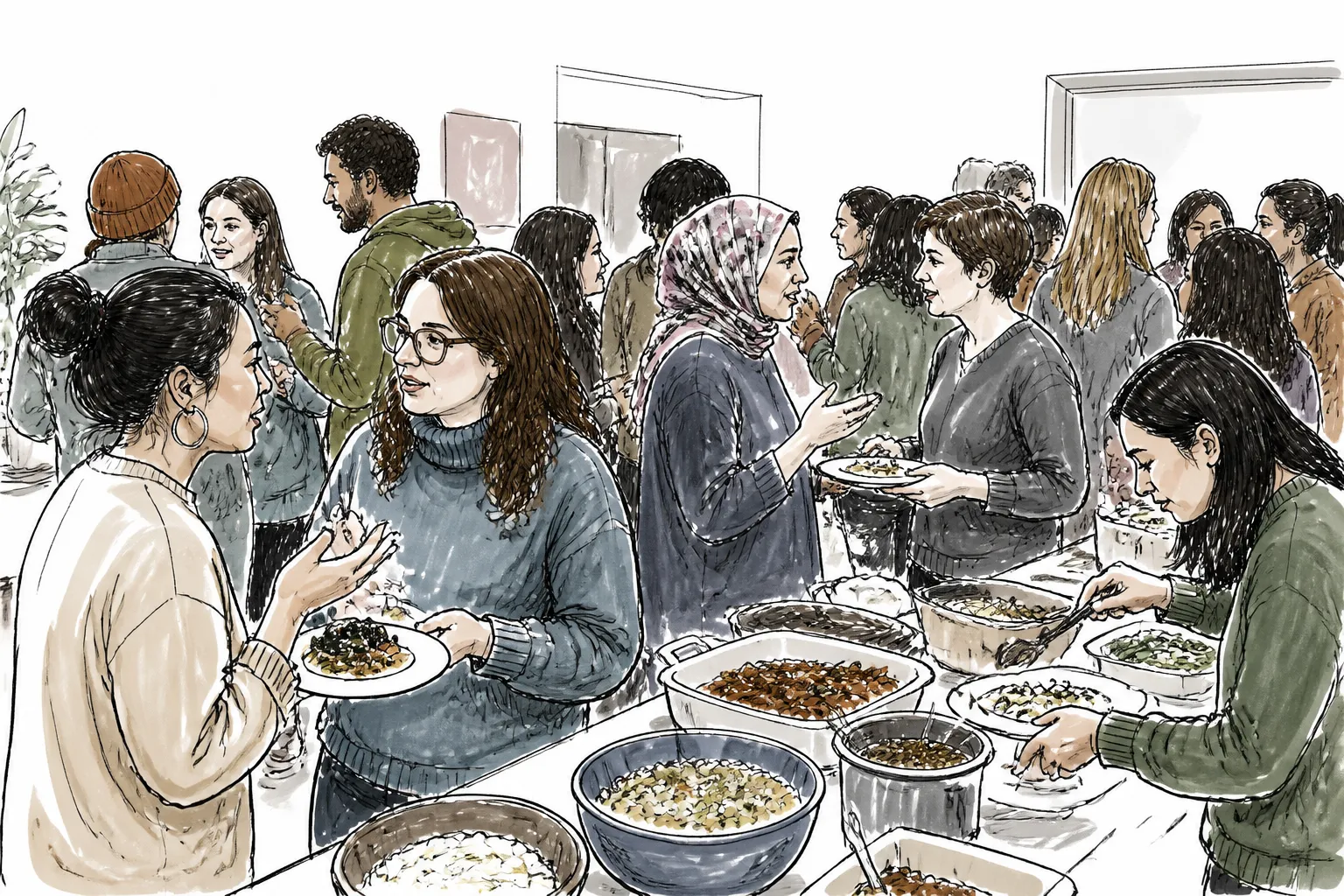
And MIFP backs that idea with a calendar that understands food is not filler; food is infrastructure. According to the organization’s event listings, there is an annual Ice Cream Meet & Greet in September for newly matched students and Community Friends, a Fall Potluck in October, a Spring Potluck in February, and end-of-year celebration time built into the year. It also says donations support international students’ activities including educational field trips, welcome dinners, and an end-of-year barbecue. That calendar is the machinery of belonging.
Ann Nowak knows what the invitation means
One reason this group reads as so grounded is that the people behind it are not treating “international student experience” like a tidy concept. The organization describes Ann Nowak, MIFP’s secretary, as a former international student who lived with her husband in Quebec City, which tells you she understands the texture of being the new person in someone else’s place. Someone who has been the newcomer herself knows how much a simple invitation can matter.
That is a theory of welcome grounded in ordinary invitations. A town becomes generous when its ordinary pleasures are shareable — when newcomers are not left to admire local life from the edges, but invited into it. According to MIFP, its cultural exchange activities include occasional get-togethers, shared leisure activities, and family activities that help students and Community Friends learn about one another’s cultures. That ordinariness is the whole point.
The best thing about one-to-one welcome is that it does not require anyone to become a symbol. International students do not need to perform “global diversity” for a room full of locals. Local residents do not need to audition as perfect ambassadors for Montana. They get to be people who eat, talk, compare habits, explain jokes, ask the dumb question, answer it kindly, and keep going. You learn a place through its kitchens and calendars long before you learn it through any brochure.
Get the weekly digest
New stories, new nonprofits, every Tuesday morning.
There is something quietly humane, too, about the fact that MIFP offers information about culture shock. That tells me the program is not selling a fantasy that every cross-cultural friendship clicks instantly. Sometimes the weirdness is the point. Sometimes the hard part is just naming why everything feels slightly off. A program that can hold both the potluck and the discomfort has a better shot at being useful.
Warmth works better when it is organized
Hospitality is loveliest when it feels effortless, but good welcome usually has a lot of structure hiding underneath it. MIFP seems to understand that. In addition to matches and events, the organization publishes material on understanding culture shock, suggested activities for Community Friends, and a Community Friends Orientation Manual. That kind of nuts-and-bolts detail makes me trust a volunteer program more, not less.
Warmth is better when someone has thought about what happens after the handshake.
The campus-city bridge here is also refreshingly explicit. According to the organization, MIFP serves University of Montana international students and scholars together with local Missoula residents, and it lists the University of Montana Global Engagement Office, the International Student Association, and University of Montana international student partners among its collaborators. In other words, MIFP links campus and community. It sits in the useful middle.
That middle is exactly what deserves funding. If you want to support international students in Missoula, Montana, the obvious instinct is to think in institutional categories such as scholarship, housing, immigration advising, and emergency aid. Those matter. But the life-changing gap can be much simpler and much more human. It can be a welcome dinner. An educational field trip. The end-of-year barbecue that gives a semester’s worth of introductions somewhere to land. According to MIFP, donations support those student activities directly.
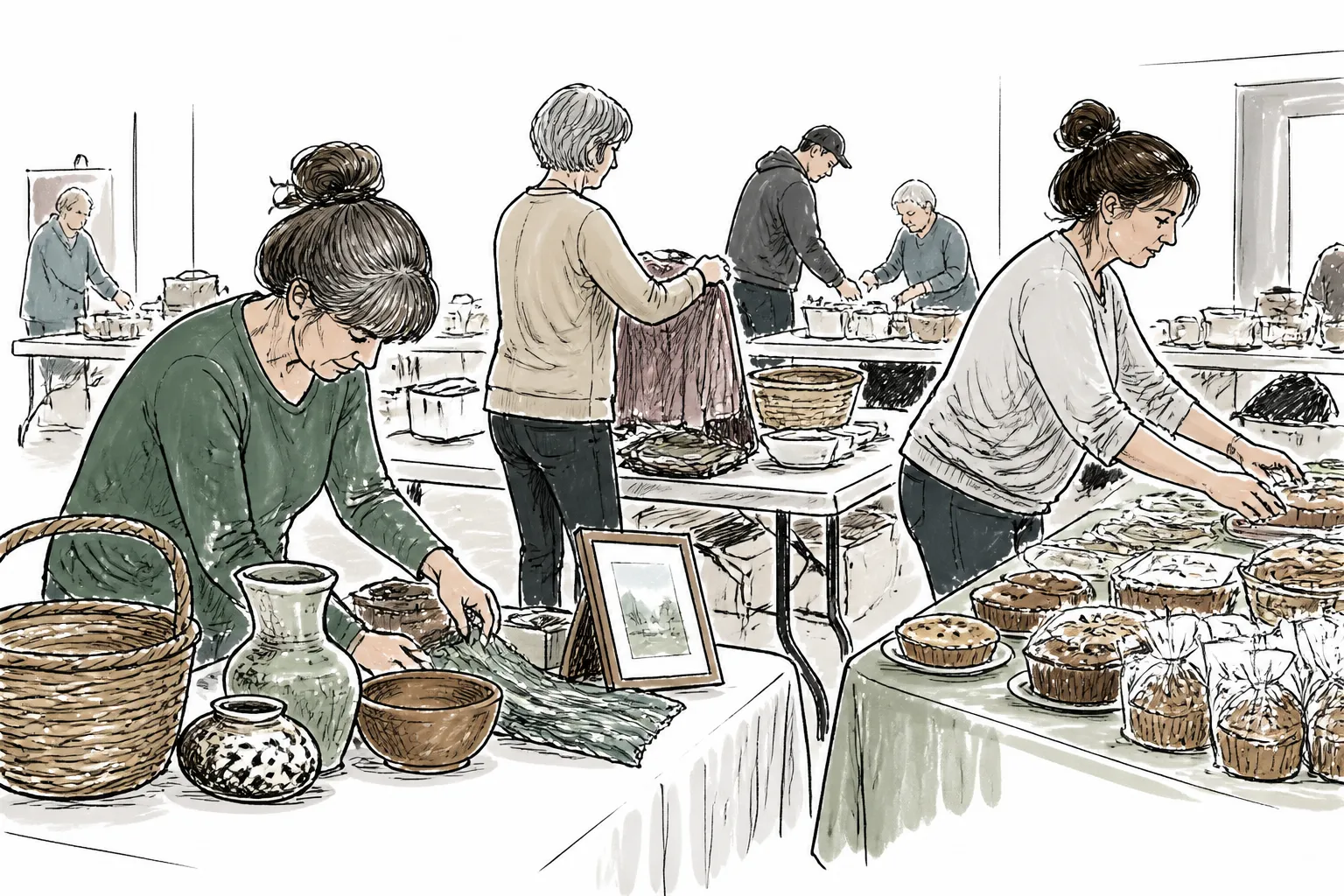
And because the organization also runs an annual silent auction and bake sale at the International Culture and Food Festival, its fundraising brings people together, makes the exchange visible, and lets generosity ride alongside conversation instead of replacing it. This is one of those rare programs where the mechanism and the mission match perfectly. The form of the work is the point of the work.
What deserves your yes

After enough years covering nonprofits, you start craving organizations that do not inflate themselves. MIFP is appealing precisely because it stays at human scale. According to the organization, it needs new Community Friends, volunteers for annual events, donated items for the silent auction, and support for international students’ activities. Those are concrete needs, not vague aspirations, and each one creates more chances for a student who is new to Missoula to have a local person in their corner.
This is the case for funding one-to-one welcome. Not because it is flashy. Because it is durable. A friendship match is modest enough to sound almost quaint until you remember how many people arrive in a new country with no default table to land at on a Sunday. Then it stops sounding quaint and starts sounding essential.
According to the organization, Missoula International Friendship Program has been doing this since 1980, and the idea still feels fresh because it is stubbornly analog. A match brings together one student and one local resident for one semester or one year. A shared meal follows, then another.
If you are in Missoula, the clearest, most on-theme way to help is to apply to become a Community Friend.
Frequently asked questions
- How does Missoula International Friendship Program help University of Montana international students?
- According to the organization, it pairs University of Montana international students and scholars with local residents through semester-long or year-long Community Friends matches, then supports those relationships with cultural exchange activities and annual events.
- Do I have to host a student in my home to volunteer with MIFP?
- No. MIFP’s model starts with a friendship match, not a home-stay. Local residents participate as Community Friends for a semester or a year and connect through shared activities, meals, and events.
- What events does Missoula International Friendship Program run during the year?
- According to MIFP’s event listings, the group hosts an Ice Cream Meet & Greet in September, a Fall Potluck in October, a Spring Potluck in February, and an annual silent auction and bake sale at the International Culture and Food Festival.
- How do international students get matched with a Community Friend?
- According to the organization, international students complete an online application and are matched with a Community Friend at the beginning of the semester. Community Friends are assigned to one or more students for a semester or a year.
- What do donations to MIFP support?
- MIFP says donations help fund international students’ activities, including educational field trips, welcome dinners, and an end-of-year barbecue.
- mifp.org ↗
- Missoula International Friendship Program pairs University of Montana international students and scholars with local residents through its Community Friends program.
- The organization was founded in 1980 by Missoula citizens focused on global education and intercultural understanding.
- MIFP's programming includes shared leisure activities, family gatherings, cultural exchange activities, and recurring community events for international students and their local friends.
- The program's stated mission is to provide community hospitality and educational programming for University of Montana foreign students and scholars while increasing opportunities for intercultural awareness.
- MIFP hosts an annual Fall Potluck where international students and Community Friends share food and celebrate together.