
Borrow the drill, split the ride, rescue the paint. Missoula has 3 environmental nonprofits built for real life.
Missoula’s most convincing environmental work is gloriously untheoretical. People use shared tools and rides, while art supplies stay out of the landfill. These three nonprofits make sustainability feel less like a moral identity and more like a system people actually use.
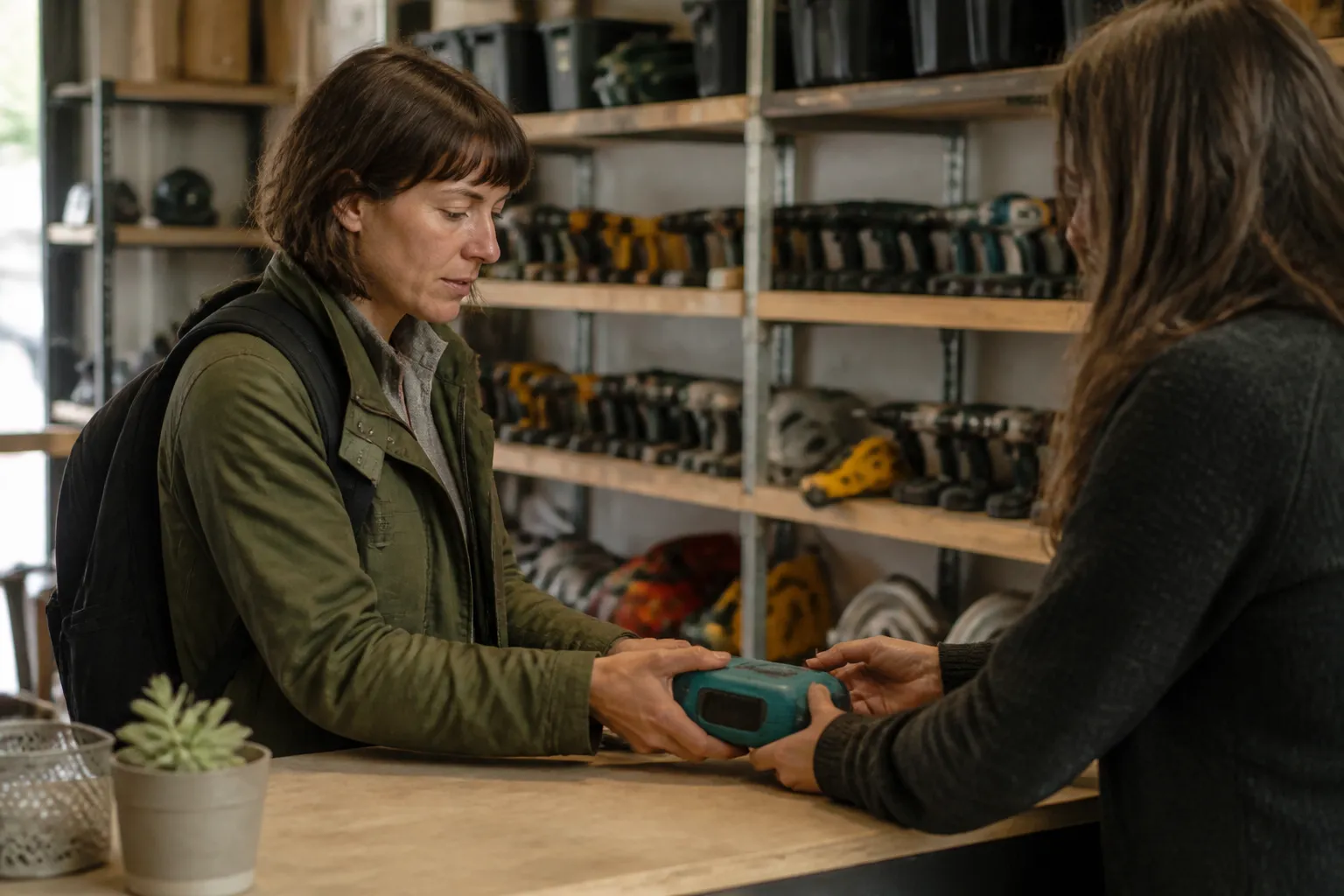
The best argument for practical environmentalism in Missoula takes the form of a room mid-remodel: insulation half tucked into the wall, trim stacked in the corner, a borrowed drill on the floor waiting for the next task. One member of the MUD Tool Library used shared tools for demo, insulation upgrades, drywall hanging, painting, flooring installation, and trim work, then told the organization, "MUD has played a pivotal role in helping me remodel my house at a fraction of the cost."
There is the whole thesis, really.
Sustainability, when it works, is a practical system that helps you finish the job.
Missoula has three nonprofits that understand this better than most. MUD lets you borrow the stuff you would otherwise buy for occasional use. MRTMA turns the daily commute into shared transportation across western Montana. GAM keeps art and music supplies in circulation instead of letting them die in closets or head to the landfill. Together, they make a strong case that the most useful environmental nonprofits in Missoula build habits through practical help.
Missoula environmental nonprofits: MUD makes sustainability feel ordinary in the best way
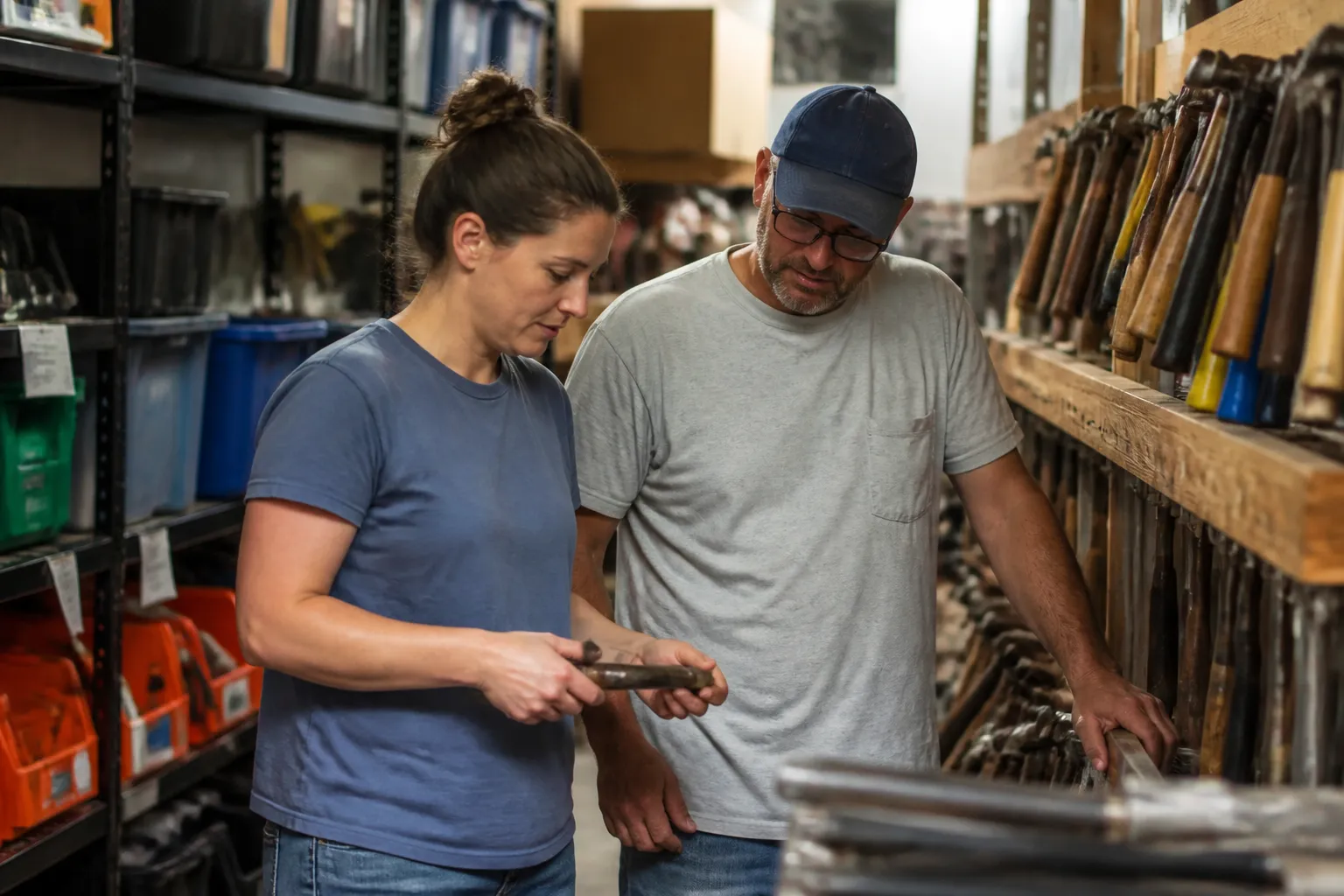
Missoula Urban Demonstration Project traces its roots to the Down Home Project in 1981, when sustainable living was being demonstrated not in a glossy showroom but in two northside homes where people could show up for workshops, site tours, and community gatherings. That origin still explains the place. MUD does not treat sustainability as a niche identity. It treats it as a practical skill set that belongs in regular households.
“MUD has played a pivotal role in helping me remodel my house at a fraction of the cost.”
— MUD member
According to MUD, the Tool Library offers shared access to more than 3,500 tools for home improvement, gardening, yard work, car repair, food preservation and household projects. The group says the library has served more than 1,155 households and logged 12,700-plus tool checkouts. Those numbers matter because they turn a nice idea into proof of use. Members borrow tools for specific jobs and return them when the work is done.
That is smarter than the usual version of green consumer advice, which too often sounds like a scolding delivered in the hardware aisle. A drywall lift, a post-hole digger, a tile saw, a pressure washer: these are terrible things to force every household to buy for occasional use. Shared access is the better design here.
MUD’s own data sharpens the point. The organization reports that 66% of Tool Library members came from low to moderate income households. In other words, this is environmental work that also behaves like cost-of-living relief. And when the project gets bigger than a power drill, MUD also offers a Truck Share with a shared Toyota truck and trailer for members who need a larger transportation option.
Borrowing is only half the intelligence. Plenty of people need the tool and the confidence to use it. MUD says it hosted 30 workshops on sustainable living and reached more than 240 community members, with topics ranging from gardening and carpentry to canning, beekeeping, sewing, small engine repair, and auto work. The line the organization uses for itself is crisp and accurate: “MUD empowers people to build a more sustainable community through tool sharing and hands-on learning.”
That phrase lands because the site backs it up. After moving to Wyoming Street in 2011 for more tool storage and demonstration space, MUD kept building out a place where ideas are meant to be touched: recycled glass pathways, urban gardens, a greenhouse, composting, fruit trees and solar panels that, MUD says, have provided more than enough energy to power the site since their 2018 installation. For donors, this is the good version of sustainability work: visible, useful and clearly more than branding.
Missoula Ravalli Transportation treats the commute like climate infrastructure
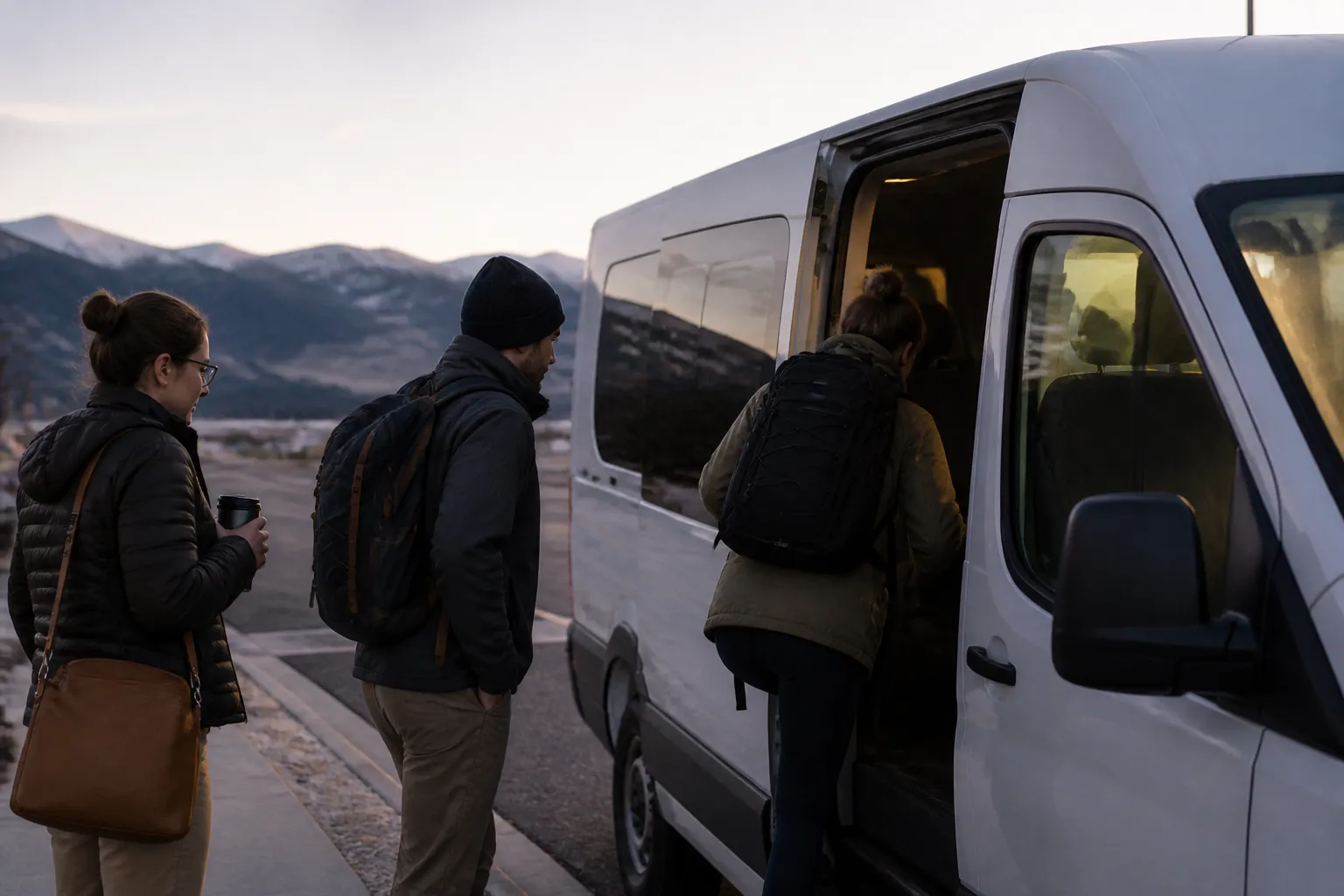
On Aug. 11, 1997, the first vanpool route between Hamilton and Missoula started with 4 to 6 daily commuters and 2 to 3 occasional riders. By the end of its second week, MRTMA says, it had 11 consistent commuters. That little burst of growth is worth lingering on.
People do not need a lecture to share a ride when the shared ride actually works.
Missoula Ravalli Transportation was formed in 1996 and now serves commuters in four western Montana counties through iRide vanpool, carpool matching, Guaranteed Ride Home, and other transportation support. This is exactly the kind of work that gets underrated by people who prefer their environmentalism cinematic. But the commute is where a lot of climate talk either becomes real or goes to die.
Get the weekly digest
New stories, new nonprofits, every Tuesday morning.
Western Montana makes distance impossible to ignore. So the practical details matter. In the vanpool program, MRTMA supplies the vehicles and pays for insurance and maintenance while participants share fuel costs and other expenses. Carpool matching helps riders find people with similar pickup and drop-off points. Guaranteed Ride Home reimburses emergency rides for registered members who used an alternate commute option and suddenly need a way back.
That last piece is the giveaway that this organization understands human behavior. People will not leave the car at home if one sick kid, one overtime shift, or one surprise appointment means they could be stranded. Most transportation plans are too busy admiring the ideal trip to think hard about the messy one. MRTMA does.
According to MRTMA, its shared-rides program has saved 773,865 vehicle trips since the carpool and vanpool programs began in 1996. The organization also says 315,174,754 miles were avoided over that period. That is climate impact, yes, but it is also wear-and-tear avoided, parking demand reduced, and household transportation costs trimmed in a region where people often have to travel far to get where they need to go.
And MRTMA is not only about the standard work commute. The organization reports 996 rides provided through its emergency transportation voucher program since inception, helping low-income people get to non-emergency medical transportation, job interviews, or transportation after a crime. As of June 30, 2025, MRTMA said its vanpool program had 21 vans serving 4 counties and 15 work sites. This is what serious, daily-life environmental work looks like: not an abstract promise to reduce emissions someday, but a seat that leaves on time.
Giving Art to Missoula proves reuse works better when it feels joyful
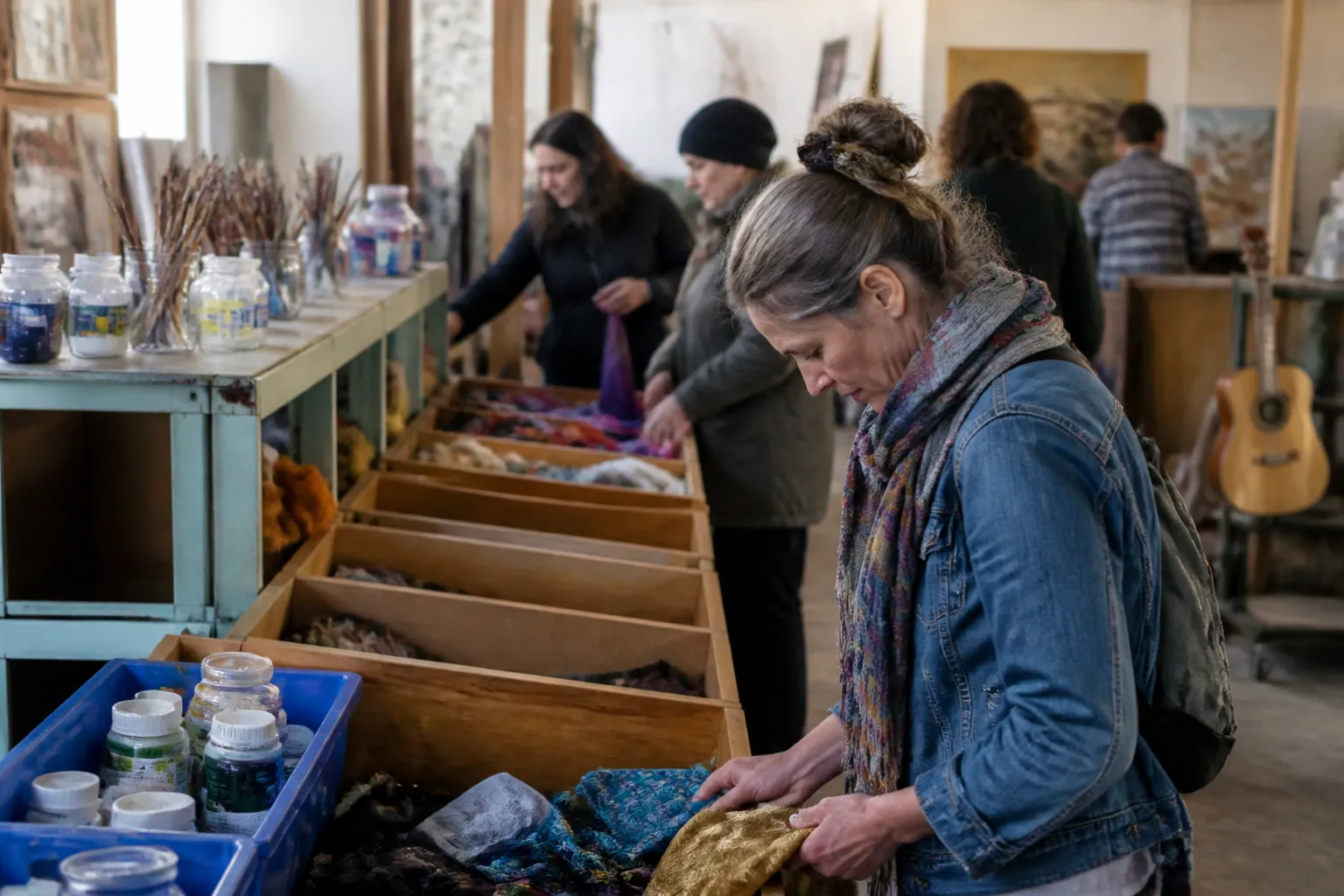
Amber Kurzenbaum did not start with an academic theory of circular economies. She started with a complaint anyone who uses art supplies recognizes immediately: art materials are expensive, storage space is limited, and too many perfectly usable supplies wind up unused until they are thrown out. She took inspiration from the idea of a free art supply closet, carried it into Missoula, took nonprofit courses, earned a certificate in Nonprofit Leadership, and founded the organization in 2023.
Giving Art To Missoula opened its pay-what-you-can Free Art Materials Room in 2024 and later added the Skye Berns Music Division, which offers gently used instruments and music-related supplies at affordable prices, with some items offered free. The environmental logic is straightforward: rescue materials that would otherwise head to landfills. The model works because it pairs waste diversion with access to affordable materials.
That warmth is the operating philosophy. The organization’s mission pairs sustainability with access to creative materials, which is precisely why the work feels alive instead of dutiful.
A rescued box of markers keeps usable material out of the landfill and becomes a classroom project, a cheaper first hobby, a therapeutic outlet, a less intimidating way to try something new. One group home, according to GAM’s stories, used donated art supplies as a therapeutic process and to help decorate its space. A teacher at the Lifelong Learning Center in Missoula sends embroidery students there for sustainable and affordable starter supplies. That is the trick with great reuse organizations: they do not merely prevent disposal. They create a second life people actually want.
According to GAM, more than 30 local organizations partnered with the group in 2024. It also reports that 124 volunteers helped build infrastructure, sort supplies, and provide feedback that year, contributing 625 hours in the first year, alongside more than $16,000 in in-kind donations last year. Those are strong signs of local buy-in for a young organization, and they help explain why this feels like emerging community infrastructure.
Recent updates reinforce that point. GAM highlighted an Art for All event at the Ceretana on May 2, 2025, with drop-in art stations and a $20,000 fundraising goal, alongside raffle prizes and snacks. It also runs recurring community craft programming through its Giving Circle and Craft Club. In other words, the organization gives discarded supplies a public life where reuse feels social.
The need that jumps off the page right now is a pickup truck. That is exactly the kind of unglamorous asset that makes a reuse system function. If materials cannot be reach the store, the lovely idea stays lovely and little. With the truck, more of Missoula’s excess can become someone else’s beginning.
The shared genius across these three groups is almost stubbornly practical. MUD reduces waste by sharing tools people do not need to own. MRTMA reduces driving by making shared transportation reliable enough for actual commuters. GAM reduces landfill waste by treating usable supplies like community assets instead of clutter. None of them requires the public to memorize a theory first.
That is why I would put them near the top for anyone trying to support environmental nonprofits in Missoula. They make greener choices easier to afford and find. That is how habits stick.
If you want to help in a way that matches the whole philosophy, fund what makes the work function: give MUD a gently used tool or support its Workshop Scholarship Fund, help MRTMA cover van maintenance or Guaranteed Ride Home reimbursements, or help GAM get the pickup truck and donated art or music supplies it says it needs. Start with the tool, the seat, or the box on your closet shelf.
Frequently asked questions
- Which Missoula nonprofits focus on practical environmental work people can use every day?
- This piece highlights three organizations. They are Missoula Urban Demonstration Project for shared tools and workshops, Missoula Ravalli Transportation for shared commuting and ride support, and Giving Art to Missoula for creative reuse of art and music supplies.
- How do I use the MUD Tool Library in Missoula?
- According to MUD, people can visit the tool library during open hours to create an account, borrow tools, return them, and attend workshops. The organization also says membership or workshop scholarships are available for people who need them.
- Where does Missoula Ravalli Transportation operate, and what services does it offer?
- MRTMA serves Missoula County and also covers Ravalli County, Lake County, along with Mineral County. Its programs include iRide vanpool, carpool rideshare matching, Guaranteed Ride Home, emergency transportation vouchers, and transportation coordination support.
- How do I sign up for a vanpool with MRTMA?
- MRTMA says interested riders complete a rideshare application. The organization then looks for at least 4 riders for a minivan or 8 to 9 riders for a 13-passenger van, with an origin in Lake County, Missoula County, Ravalli County, or Mineral County.
- What can I donate to Giving Art to Missoula?
- GAM accepts new and gently used creative supplies, including instruments. The organization also says it needs volunteers to sort and process donations, local sites to host donation boxes, and a much needed pickup truck.
- mrtma.org ↗
- Missoula Ravalli Transportation’s shared-ride programs have saved 773,865 vehicle trips, making transportation the most immediately striking example of practical sustainability in the group.
- Missoula Ravalli Transportation operates iRide vanpools, carpool matching, and a Guaranteed Ride Home program across Missoula, Ravalli, Lake, and Mineral counties.
- mudproject.org ↗
- Missoula Urban Demonstration Project’s Tool Library provides shared access to more than 3,500 tools and has served more than 1,155 households with more than 12,700 tool checkouts.
- MUD combines tool sharing with hands-on sustainability workshops and a demonstration site featuring practices such as solar power, rainwater catchment, composting, and recycled-material landscaping.
- gammissoula.org ↗
- Giving Art To Missoula operates a pay-what-you-can creative-reuse store that redistributes donated art, craft, music, and school materials instead of sending them to landfills; in 2024, it partnered with more than 30 local organizations.
- mrtma.org ↗
- “Share together, laugh together, drive together.” — Missoula Ravalli Transportation
- mudproject.org ↗
- “MUD empowers people to build a more sustainable community through tool sharing and hands-on learning.” — Missoula Urban Demonstration Project