
After school in Missoula lasts a lot longer than 3 p.m., and 5 youth nonprofits plan accordingly.
Missoula families do not live in neat grant categories; they live in the long hours after school, on no-school days, and through summer. These five youth nonprofits are the groups worth watching if you want a donation to cover real time, from age-3 classrooms to a clubhouse open 240-plus days.
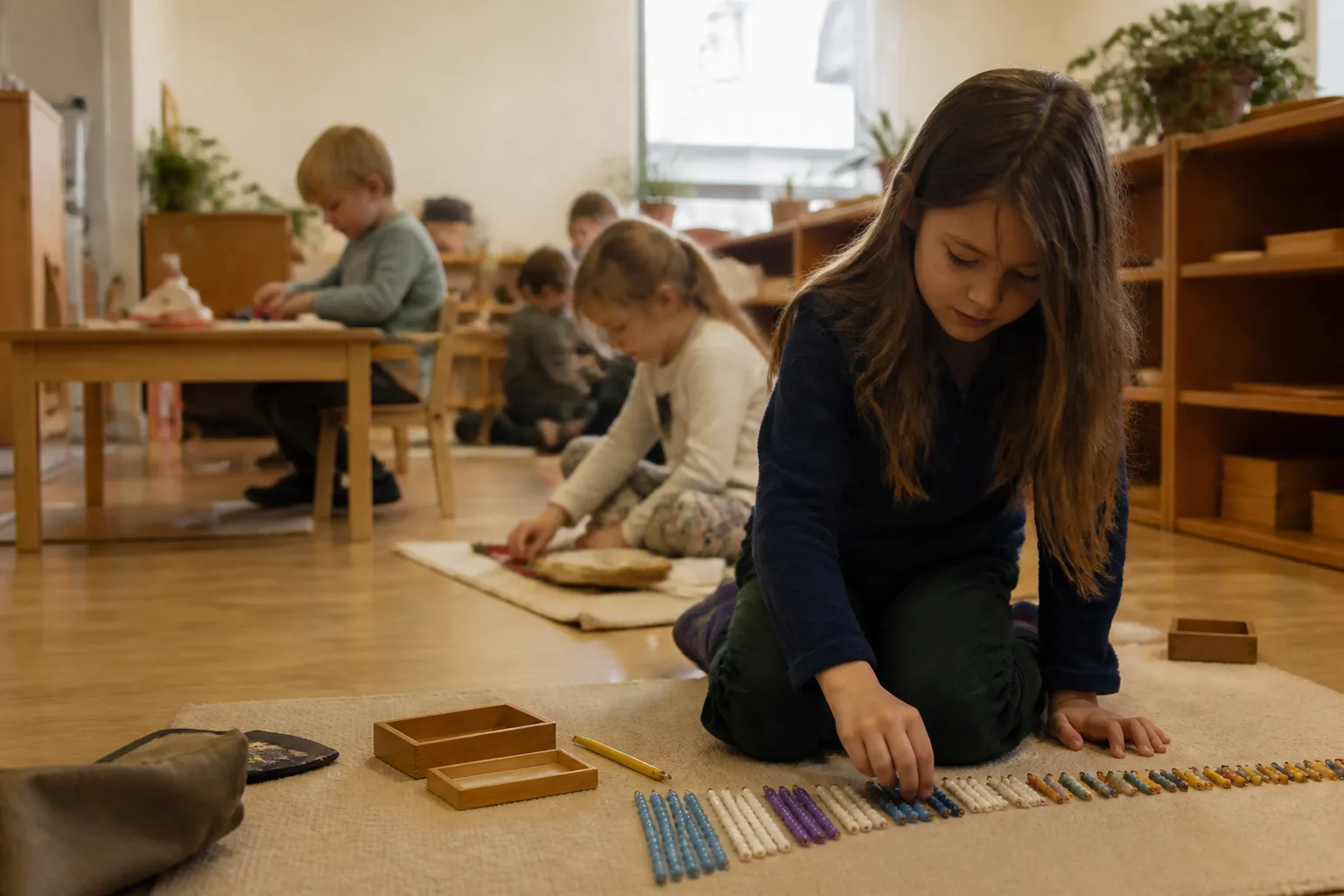
The ambitious thing Anna Sanor and Julie Fayen did in 2014 was not merely starting a school. Plenty of people open programs for one age band and stop there. These two teachers decided Missoula needed a runway, a place where a child could begin at 3, stay through elementary years, and keep going into a middle-school Adolescent Montessori Program at 15. Co-founder Julie Fayen captures the whole bet in the line every grown-up loves to hear from a kid: “Look, I did it all by myself!”
That sentence captures the whole case for thinking differently about youth giving.
After school in Missoula does not begin and end at 3 p.m. It spills into dinner, no-school Fridays, snow days, July, Saturday mornings, and the much longer stretch between "my kid needs somewhere safe to be" and "my kid has found a thing they can grow into." Donors often get pushed to choose between academics, child care, and play as if families experience those as separate planets. They do not. They experience time.
One covers the pressure-cooker hours right after school. Another builds a years-long pathway from beginner to teenager. A third keeps a public space reliably busy. Together, the five are worth knowing if you want to support youth programs in Missoula with your eyes open.
So here is the more useful way to look at these five local nonprofits: each one absorbs a different chunk of the long kid-hours.
Support youth programs in Missoula MT at Missoula Christian Montessori School
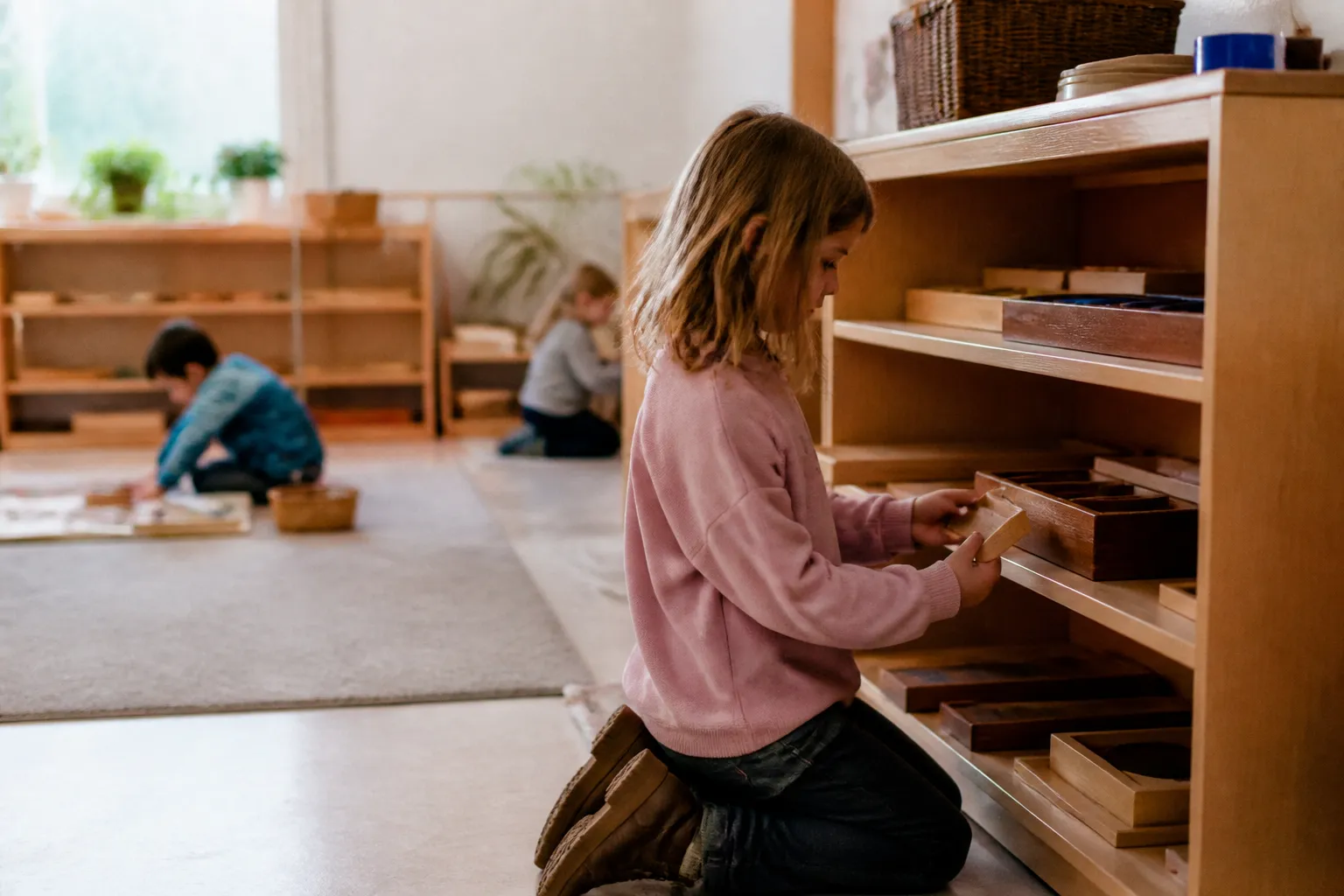
Missoula Christian Montessori School Missoula Christian Montessori School Inc is the pick here for donors who care about continuity more than flash.
Founded in 2014 by Sanor and Fayen, the school serves children ages 3 to 15 through its Primary and Elementary programs and Middle School AMP, the Adolescent Montessori Program. That span matters. A lot. The appealing thing about early-childhood education is often the visible sweetness of it: little hands, little tables, little victories. The harder and more important question is whether there is anywhere for that child to keep developing once the beginner years are over. At this school, there is.
The Montessori part is only half the point. The school says its mission is to serve children in faith and love. In practice, that means Christian Montessori education with mixed-age classrooms and certified teachers, in a structure that keeps building on itself as children grow. The Middle School AMP adds reflective and active learning and community work. Adolescence needs more of that, not less.
What feels unusual here is the completeness. Missoula families can enter at age 3 and keep a child in the same broad educational philosophy through age 15. For donors, that makes scholarship support especially appealing, because the school’s tuition assistance options are concrete: Best Beginnings scholarships, Montana Student Scholarship Organization support, the St. Nicholas Scholarship, and the Kindergarten Scholarship. In 2024, the school was recognized as a Student Scholarship Organization by the Montana Department of Revenue.
If your giving instinct is to back a child’s long arc rather than one isolated season, start here.
The family pressure valve: Greater Missoula Family YMCA

Moving to a new place sounds romantic until you need child care on Monday. One of the most telling YMCA stories is also one of the least glamorous: Alberta and her partner moved to Missoula, needed child care for their daughter Aurora, and the Y was where that support showed up. That is the story.
The Greater Missoula Family Ymca has served the community since 1967, and it is where the everyday logistics of family life get treated like the main event, which they are. The organization offers licensed child care for children ages 6 weeks to 6 years, plus before-school, after-school, and full-day care on no-school days for students in grades K-6. Then it keeps going: summer day camps, school-break camps, Child Watch, the YMCA Treehouse, and swim lessons in group and private formats, as well as parent-tot lessons.
What makes this Y especially donor-worthy is its range matters because it is paired with access. According to the organization, it serves nearly 15,000 individuals each year, including 530 youth in licensed child care programming in 2024, 883 youth in summer camp programming, and 2,642 swim lessons.
According to the YMCA, it provided more than $1,247,082 in direct financial assistance and program subsidies in 2024.
That number tells you what kind of institution this is. Not a place that merely offers youth programming, but a place that tries to make those programs reachable. The Y also opened a new child care center in 2025, alongside renovated member spaces, which is the sort of expansion that matters because it adds actual room to a community need that never seems to shrink.
If you want to help families get through the week, the Y is one of Missoula’s clearest answers: hours covered, camps staffed, lessons taught, and bills softened.
The 240-plus-day answer: Boys & Girls Club of Missoula County

Here is the number I cannot stop thinking about: according to the organization, the Boys & Girls Club of Missoula County keeps its Clubhouse doors open 240+ days each year.
That is a real donor number: 240-plus days of keeping the Clubhouse open.
Get the weekly digest
New stories, new nonprofits, every Tuesday morning.
Boys & Girls Club of Missoula County Boys And Girls Club Of Missoula County began as a teen program on Missoula’s Hip Strip after it was chartered in 1997, then expanded when elementary school-aged children needed a safe place to go after school. Today it serves children from Pre-K to middle school age. That origin matters because you can still feel the practical streak in the current program mix. After-School Club includes homework help, outdoor time, a nutritious snack, and structured activities. Summer Club is full-day, with breakfast, lunch, snacks, field trips, and STEM and art activities. Full Day Club covers school breaks. There is also Home School Club and a slate of enrichment camps that range from robotics to theatre to Dungeons & Dragons.
This is the anti-fancy pick, and I mean that as a compliment. The Club is doing the sturdy work of turning empty hours into supervised ones, hungry afternoons into snack time, and school breaks into something other than a family scheduling emergency. According to the organization, it provides programs and services to more than 450 youth.
And it still manages to keep personality in the mix. At Santa on Skates, a free community skating event for Club kids and neighbors, the guiding line was perfect: “What do we do if we fall? We just get back up and keep on skating!” That is the whole point of a good youth space — giving children enough safety to try again after a wobble.
If you like funding the unsexy essentials that make a place stay open, this is a strong place to give: scholarships, standard supplies, or a monthly gift through the Great Futures Club.
The sports pathway that refuses to stop at cute: Missoula Strikers Soccer Association

There is a version of youth sports giving that stops at the adorable part: tiny jerseys, juice boxes, a team photo where nobody is looking the same direction. Missoula Strikers Soccer Association Missoula Strikers Soccer Association Inc is better than that.
Established in 1982, Strikers serves youth ages 3 to 19 through a true ladder: Mini Micro Strikers for ages 3 to 4, Micro Strikers for ages 5 to 12, Bitterroot Minis and Micros, the Strikers FC Academy for U9-U11 players, and then competitive, camp and futsal opportunities, plus recruiting support. The organization frames the work as personal and community growth through soccer.
What I like here is the refusal to pretend that beginner sports and serious sports have to live in separate universes. A kid can start by learning coordination and confidence in Mini Micro Strikers and, if the game takes hold, keep moving. According to the organization, approximately 1,500 children are served each season in Mini and Micro Strikers, while the regional competitive program serves approximately 550 participants. That is a wide mouth at the front end and a real structure behind it.
The human proof is Chloe Anderson, now a freshman at Whitman College, who says, “Playing for Strikers has helped shape me as a person on and off the field.” That lands because the club also offers concrete recruiting help, including video review and one-on-one meetings for players pursuing college soccer.
For donors, the cleanest giving angle is access. Scholarship applications are built into program registrations for families who need fee assistance, and the club also needs volunteer head coaches for its Mini and Micro programs as well as tournament help. If you want your donation to support youth programs in Missoula without flattening sports into "just extracurriculars," Strikers makes a strong case. This is a developmental path.
The weekend-and-winter anchor: Missoula Area Youth Hockey Association
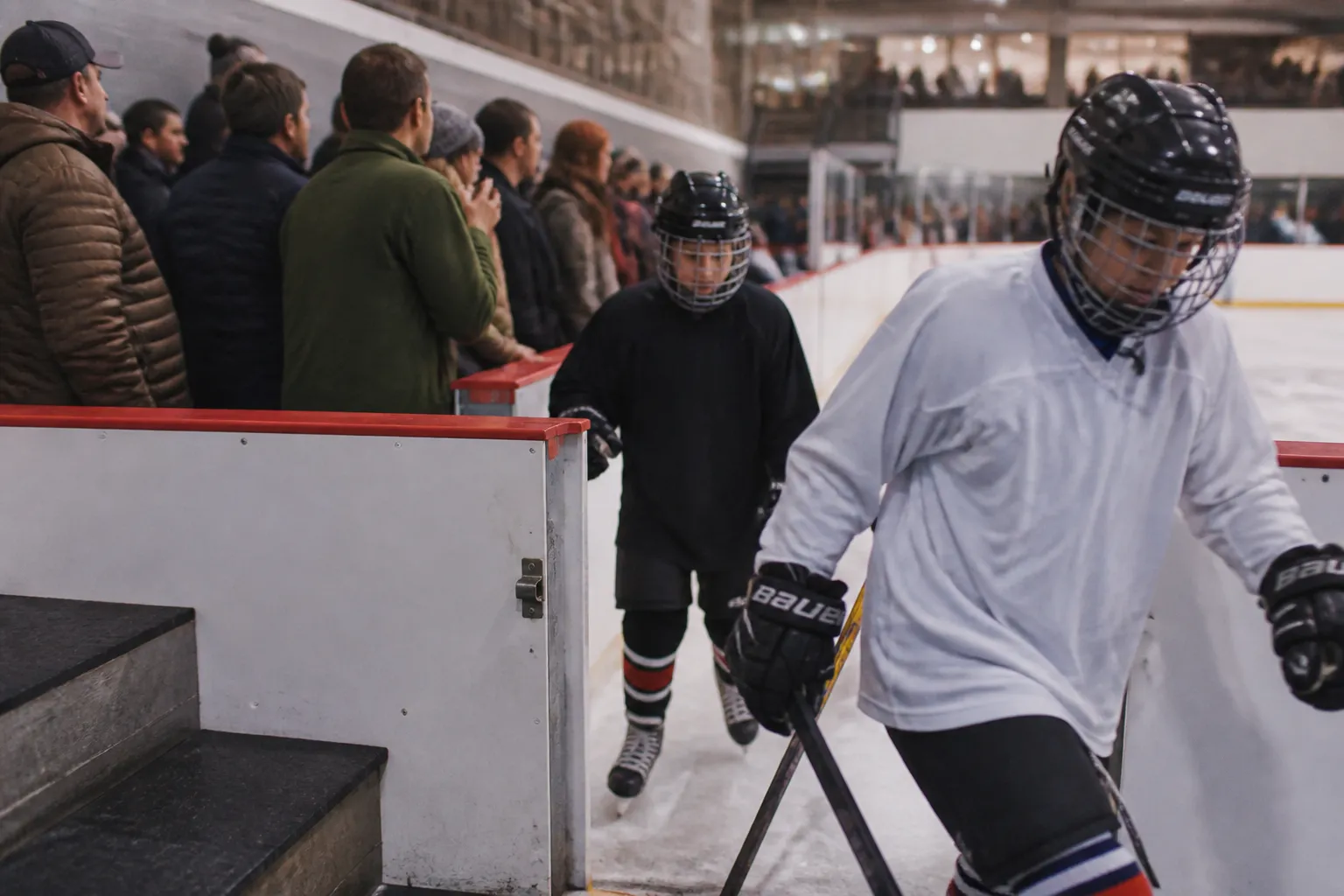
Ice time is one of those community decisions that tells on a city. Either you keep it open and welcoming to the public, or you let it become somebody else’s niche.
Missoula Area Youth Hockey Association Missoula Area Youth Hockey Assn operates Glacier Ice Rink with the better idea in mind. Yes, there is youth hockey for ages 4 to 18, including travel teams, house play, and learn-to-play hockey. But the rink’s real appeal is its breadth: public skating, stick & puck, family skate, pick-up hockey, advanced figure skating, themed community skating events, ice rentals, school field trips, and free sled hockey clinics.
That breadth is why the numbers matter. According to the organization, more than 33,000 people participated in or attended activities at Glacier Ice Rink during the 2023-2024 season. It reports that 655 youth ages 4 to 18 participated in hockey programs, and 22,174 participants attended public skating and public hockey sessions. In other words: this is a public rhythm.
There is also an accessibility angle donors should notice. Glacier Ice Rink has a financial assistance program that offers free or discounted admission to public programs and discounted memberships for people who need help. For a facility-based organization, that is exactly where a gift can do immediate good. You are not donating to a vague love of winter recreation. You are helping pay for an actual kid’s public skate, an actual family session, an actual way in.
If you think a community rink should feel busy with school groups on one day, new skaters the next, and hockey players all season long, this is an easy one to like.
How to choose where your gift goes
Five organizations, five different chunks of childhood.
Back Missoula Christian Montessori’s scholarships if you care about a child’s path from early childhood into adolescence. YMCA financial assistance or program subsidies help families patch together child care, after-school coverage, and camp. The Boys & Girls Club’s 240-plus-day Clubhouse model keeps a literal door open. Strikers gives sports room for preschool beginners and college-bound teenagers. Glacier Ice Rink’s discounted admissions and memberships support winter weekends and public recreation.
Do not donate to “youth” as an abstraction this week. Pick the hour Missoula families keep needing covered — 3 p.m., July, Saturday morning, the first season, the hard middle-school years — and fund that hour on purpose.
Frequently asked questions
- Which Missoula nonprofits help with after-school care and no-school days for kids?
- The Greater Missoula Family YMCA offers care before and after school and on no-school days for K-6 students, plus camps. Boys & Girls Club of Missoula County also runs after-school, full-day school-break, and summer programs for children from Pre-K to middle school age.
- Are there Missoula youth programs that start before kindergarten and continue into the teen years?
- Yes. Missoula Christian Montessori serves children ages 3 to 15 through programs from primary through middle school. Missoula Strikers serves ages 3 to 19 through a pathway from beginner play through academy and competitive teams to college recruiting, and Missoula Area Youth Hockey Association serves youth ages 4 to 18.
- Which of these organizations offer scholarships or financial assistance?
- All five have an access angle. Missoula Christian Montessori lists several scholarship and tuition-assistance options; the YMCA offers financial assistance and program subsidies; Strikers builds scholarship applications into registration; Glacier Ice Rink offers free or discounted admission and discounted memberships; and Boys & Girls Club offers scholarships and financial assistance for families.
- Where can kids in Missoula learn hockey or go skating outside school?
- Glacier Ice Rink, operated by Missoula Area Youth Hockey Association, is the clearest fit. It offers youth hockey for ages 4 to 18, public skating, stick & puck, family skate, school field trips, and free sled hockey clinics.
- What is a good donation if I want to help cover the hours after 3 p.m. and school breaks?
- The strongest fits are the YMCA’s financial assistance and program subsidies or support for the Boys & Girls Club’s Clubhouse model, which the organization says stays open 240-plus days each year. Those gifts map directly onto after-school care, no-school days, and summer coverage.
- glaciericerink.com ↗
- Glacier Ice Rink reported that more than 33,000 people participated in or attended programs during the 2023–24 season.
- Eight youth hockey tournaments brought 74 teams to Missoula during the 2023–24 season.
- ymcamissoula.org ↗
- The Greater Missoula Family YMCA provided more than $1,247,082 in direct financial assistance and program subsidies in 2024.
- The Greater Missoula Family YMCA opened a new child-care center and completed renovations to its functional training room in 2025.
- ymcamissoula.org ↗
- “To put Christian principles into practice through programs that build healthy spirit, mind, and body for all.” — Greater Missoula Family YMCA