
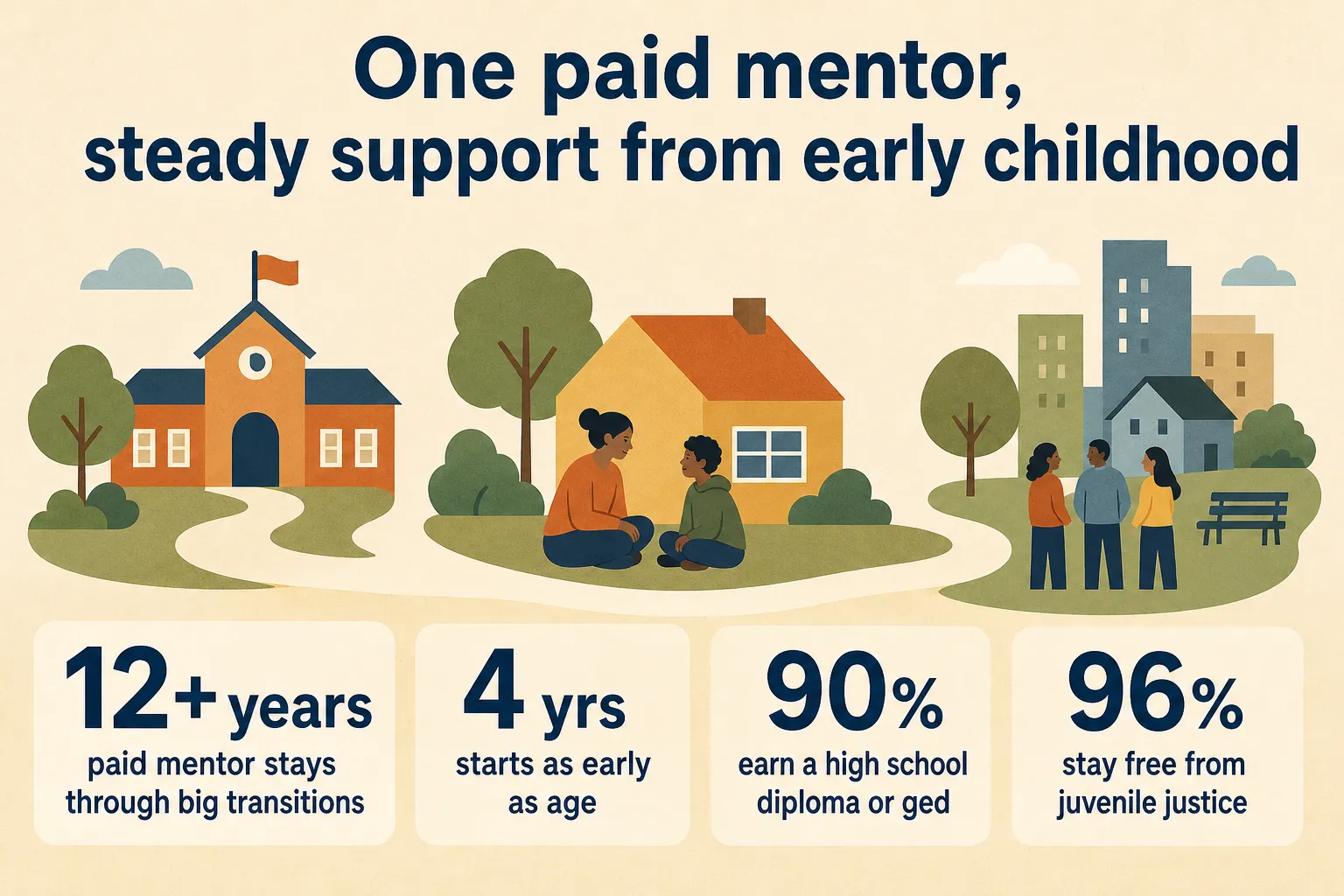
Paid mentors make youth mentoring in Houston a whole different promise. It lasts 12+ years.
Friends of the Children - Houston does not treat mentoring like a nice extra. It treats it like a staffed, 12+ year promise: one paid professional mentor, starting as early as age 4, staying through high school graduation.
A lot can go sideways between a four-year-old’s first school backpack and a high school graduation stage. Families relocate as schools change and adolescence brings new pressures. The adults around a child change jobs, shift schedules, get overwhelmed, or disappear for reasons that have nothing to do with love. That is the real hook with Friends of the Children - Houston. It is one of the rare youth organizations willing to make an unusually concrete promise against that churn.
A child’s need for one reliable adult stays constant.
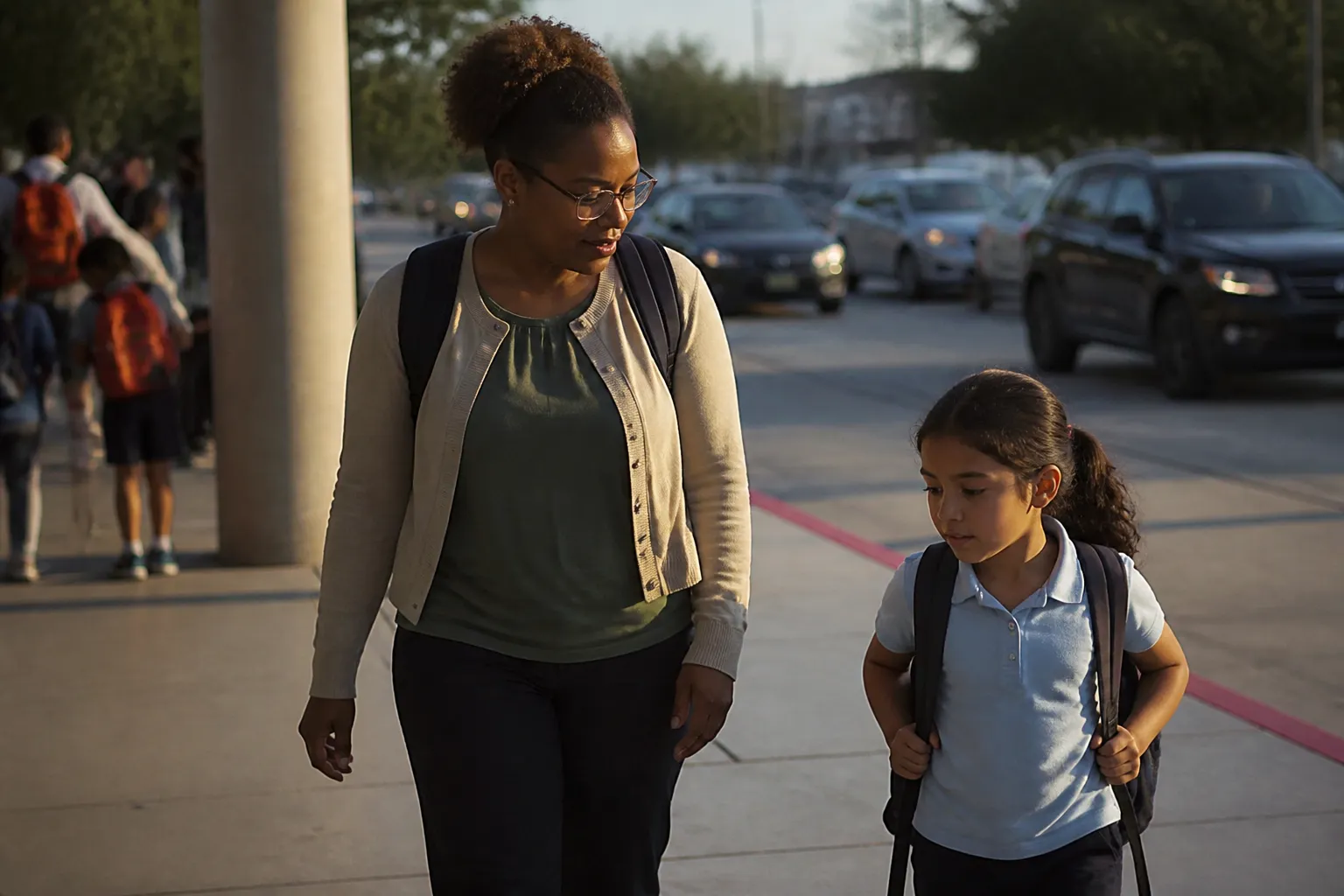
Founded in 2018, Friends Of The Children - Houston serves children facing multiple systemic obstacles from as early as age 4 through high school graduation. Each child is paired one-on-one with a paid professional mentor called a Friend, and the commitment is built to last 12+ years. That sentence is doing a lot of work, and it should. Most talk about mentoring settles for sentiment, while this chapter chooses structure.
For anyone trying to support youth mentoring in Houston, that is the distinction worth caring about. Mentoring sounds good; the useful question is what kind of promise your donation actually buys when real life gets difficult. Here, the answer is unusually clear: a professional adult whose job is to keep showing up.
The organization’s own language is admirably blunt. It calls for a paid mentor for 12+ years, starting as early as age 4. I like the lack of perfume on that line and its refusal of gauzy talk about inspiration. No magical thinking that a little encouragement, loosely delivered, will somehow survive childhood turbulence on its own. Just a 12+ year commitment.
The thing that changes youth mentoring in Houston is that the mentor is paid
Volunteer mentoring can be wonderful, with plenty of people giving their time generously and kids benefiting from adults who care. But volunteer-based mentoring still lives inside volunteer reality, including shifting work schedules, family demands, burnout, transportation hassles, and the thousand ordinary reasons good intentions get squeezed. Friends of the Children - Houston takes a harder, better route and staffs the relationship instead. The mentor is a staffed, ongoing part of the program.
That may sound almost unromantic, which is good. Youth work needs a clear operating design. The adult’s availability is a core feature of the operating model.
When an organization pays professional mentors, it is saying something specific about what children deserve: reliable presence rather than spare-time attention.
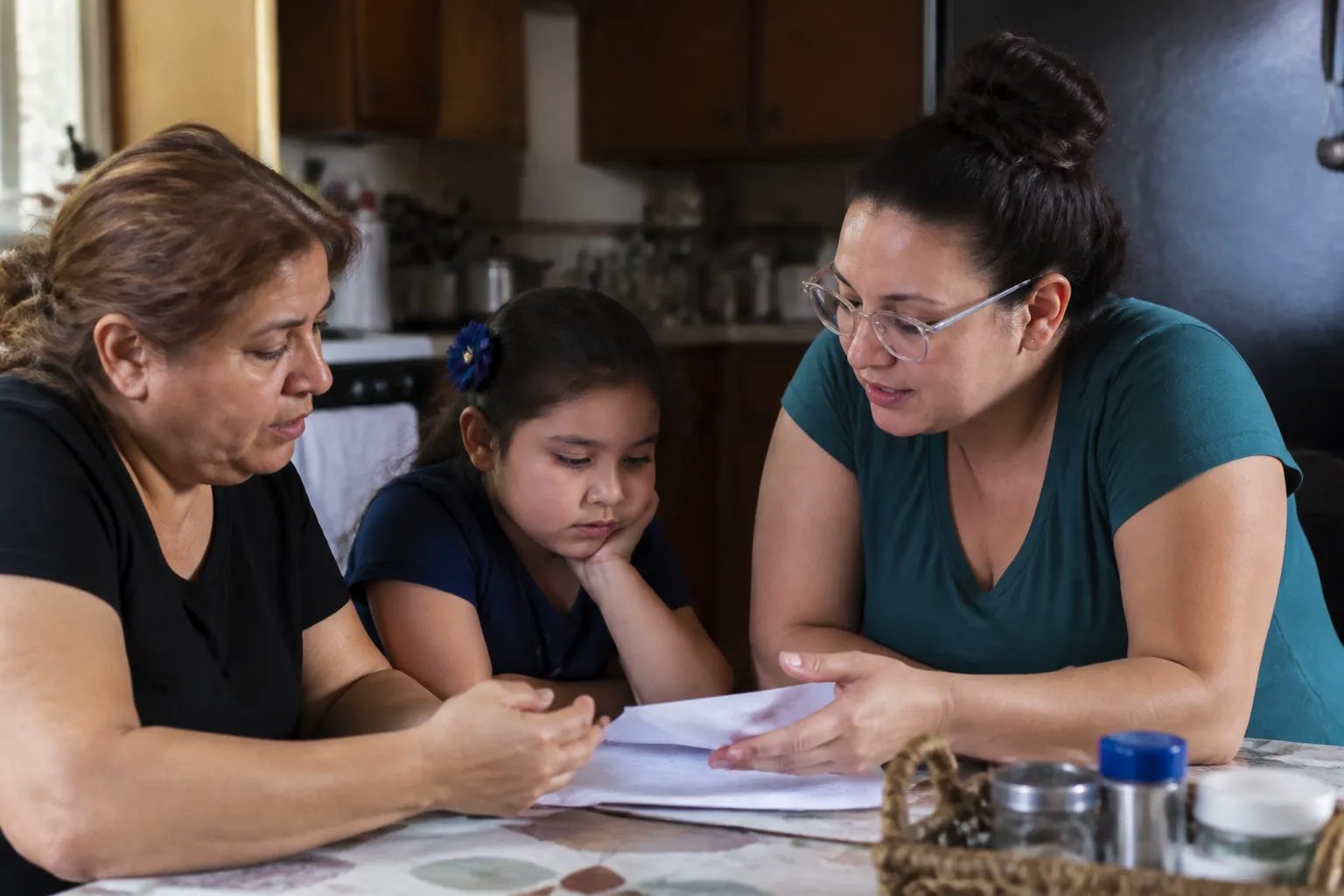
According to the organization, Friends meet with youth in school, at home, and in the community. Read that slowly and you can see why the paid piece matters. This is not a child being asked to compress their whole life into a single weekly program slot; support can move with them. It can exist where report cards happen, where caregivers are carrying stress, and where everyday decisions get made outside institutional walls.
That last line, especially, is where the model earns its keep. “No matter what” is easy to print and hard to operationalize. Paying professional mentors is how the chapter tries to make that phrase real. Donors are backing continuity, with the chapter’s payroll and supervision attached.
Starting at age 4 changes the whole timeline
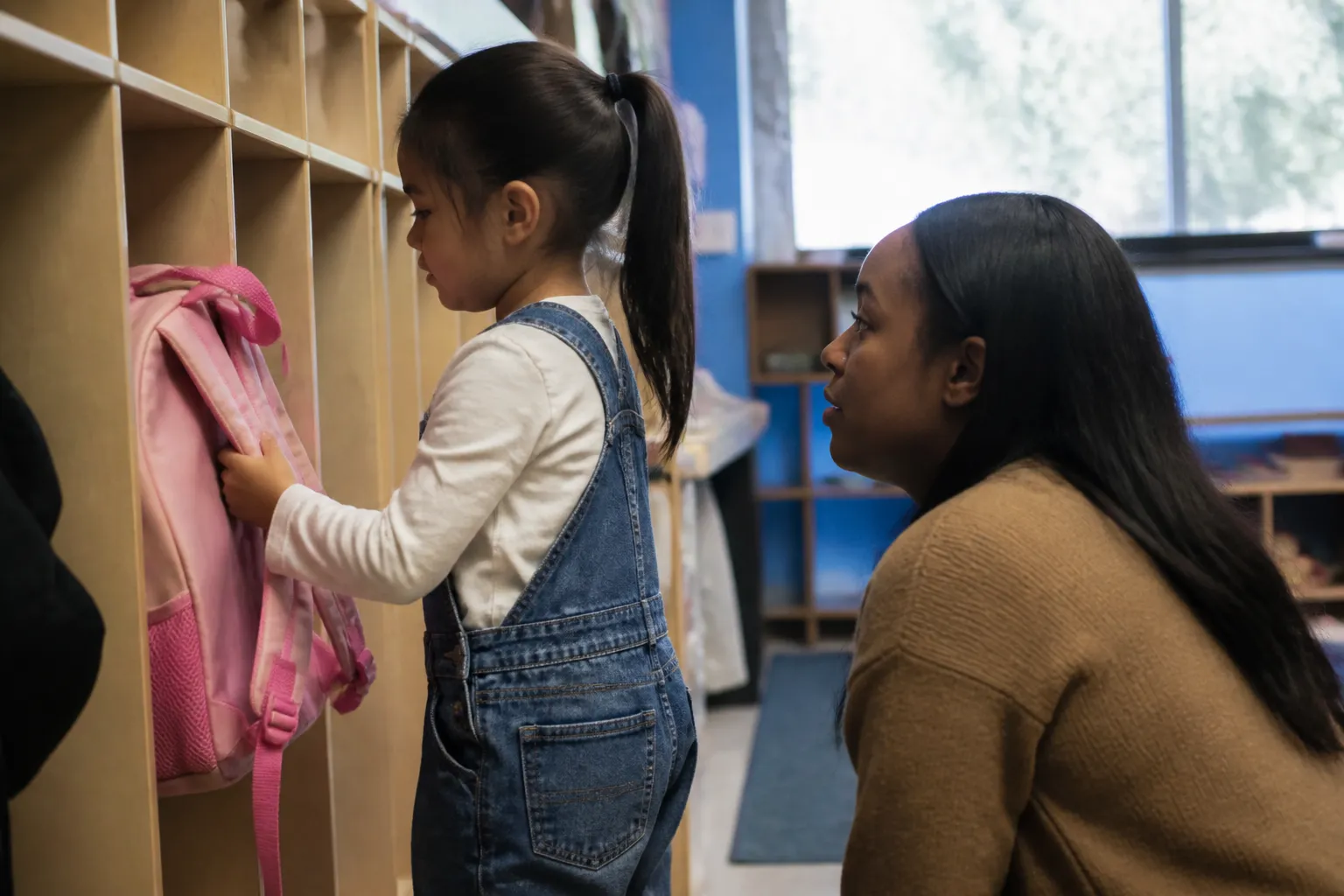
A lot of youth interventions arrive after everybody is already worried. When grades drop and behavior escalates, a teenager can plainly veer off course. Friends of the Children - Houston starts earlier, serving children from as early as age 4, and that is the strategy.
Starting then changes the emotional math of mentoring. The relationship is present before a child has spent years hearing themselves described as a problem to be solved. Before adolescence turns every setback into identity. Before trust has to climb over a pile of previous disappointments. Over 12+ years, the same Friend can know the child across drastically different seasons, from early childhood through the lurch of middle school and the high-school years when choices suddenly start carrying adult weight.
And because the organization’s model is one-on-one, the relationship carries memory from one semester to the next, building on old conversations instead of beginning from scratch each time life swerves. According to the organization, Friends help youth set goals, build life skills, and make healthy choices. Those phrases can sound generic in the abstract, but stretched across 12+ years, they become something more credible: repeated practice with the same adult still there to notice, notice patterns.
The organization’s shorter tagline gets to the point fast: “12+ years, no matter what.” In a sector full of noble blur, that is a refreshingly sharp standard.
The relationship is built to leave the building
Get the weekly digest
New stories, new nonprofits, every Tuesday morning.
One of the smartest parts of this model is that it is not trapped in a single room. According to the organization, Friends meet youth in school, at home, and in the community. That sounds simple until you compare it to how much social-service work gets boxed into one setting and asked to explain an entire child from there.
School tells you some things, home tells you some others, and community spaces tell you something else again. A model that can move across those environments has a better shot at understanding the whole child instead of the version that appears in just one building. That cross-setting support makes long-term help feel like actual companionship rather than program attendance.
It also matches the population the chapter says it serves, children facing multiple systemic obstacles. Problems with that kind of weight do not show up neatly between 3 and 5 p.m. on a clipboard. A serious mentor model has to be able to follow the child through the places where life is actually unfolding. Friends of the Children - Houston appears built with exactly that assumption.
This is why I keep returning to the word promise. Plenty of organizations can offer activities. Fewer can offer durable presence. Fewer still design that presence so it can survive location changes, school transitions, and the general instability that makes childhood harder than adults like to admit.
This Houston chapter looks built for seriousness, not just branding

Friends of the Children - Houston is part of a national network, but the local chapter does not read like borrowed credibility. It reads current and rooted. The chapter was founded in 2018, and its recent news includes a 2025 Gratitude Report that, according to the organization, shares measurable progress over the past year along with stories from people in the program. That is exactly how a long-horizon program should talk: aspiration paired with evidence and lived experience side by side.
The leadership lineup reinforces the point. Executive Director Tre Maxie brings over 20 years of experience in executive leadership positions. Program Director Lourdes Carrillo is a social worker with over 30 years of experience. Board Chair Nancy Atlas is a retired federal judge in Houston with a long career in a long federal judicial career. You do not need to overstate this. It simply signals seriousness.
I keep coming back to Carrillo in particular. When the person guiding programs has three decades in social work, the phrase “at home, at school, and in the community” stops sounding like brochure filler and starts sounding like operating sense. That is the kind of experience you want near a model built around consistency rather than spectacle.
Even the chapter’s named events, Words & Wonders and Mahjong with Friends, tell you something subtle but useful. These events show a Houston chapter building a local civic presence around a very specific, very demanding commitment.
The reported outcomes fit the ambition, and the finances reveal the real ask
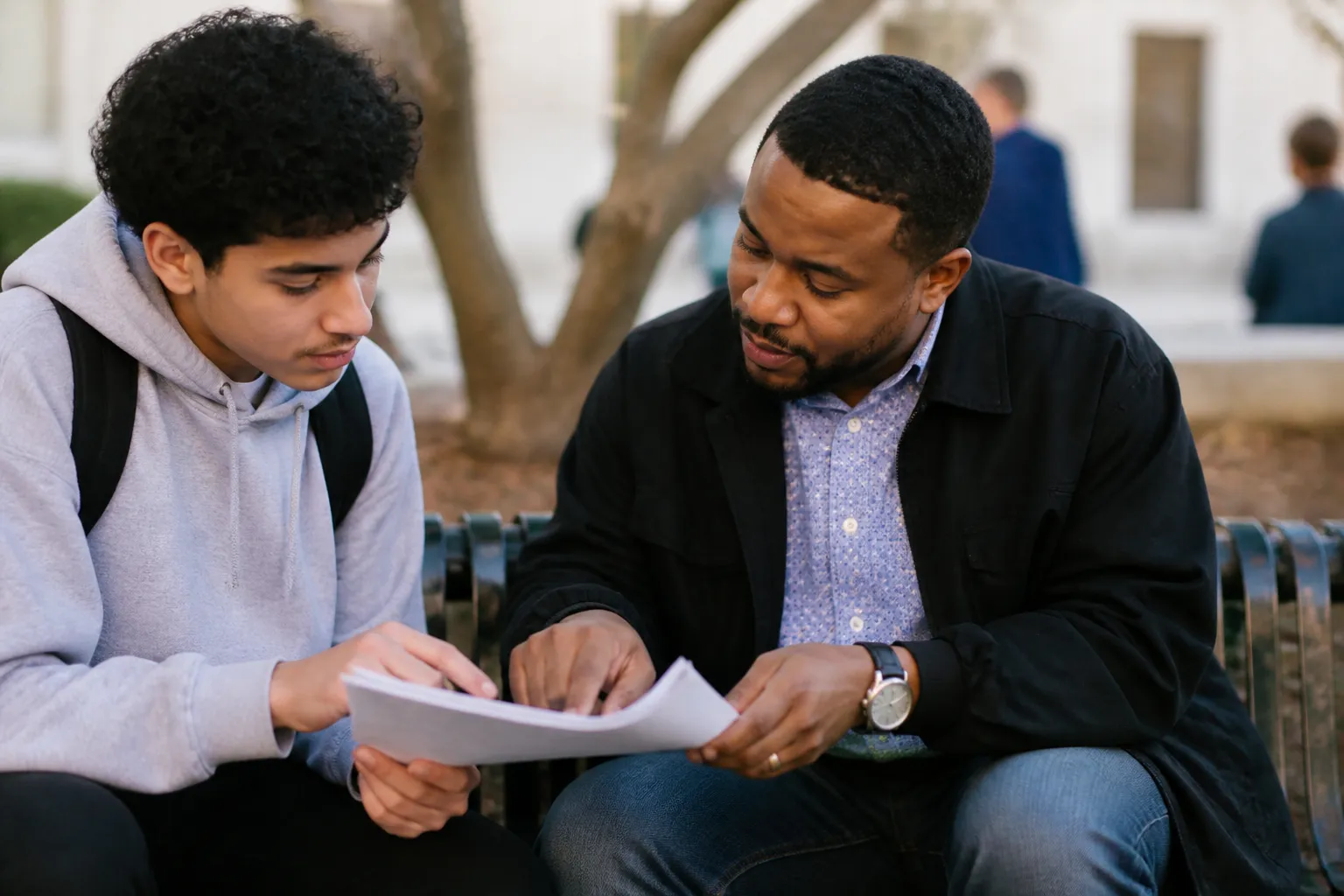
Friends of the Children - Houston reports outcomes that line up with the ambition of its model: 90% of youth earn a high school diploma or a GED; 92% go on to enroll in post-secondary education, serve their country, or enter the workforce; 96% remain free from juvenile justice system involvement; and 95% wait to parent until after their teen years. These are big-life markers with practical weight. They are the kinds of measures you care about when your theory of change is not “did the child enjoy the program?” but “did a stable relationship help keep a life on stronger footing over time?”
The financial picture makes the donor proposition clearer, too. According to its IRS data, the chapter reported $727K in revenue, $814K in expenses, and $497K in assets. Its listed organizational data shows 7 staff and 5 volunteers. I like these numbers here because they reveal the architecture. This is relationship work with payroll attached. The continuity is intentional, not accidental.
That matters because many donors still picture mentoring as a beautiful moment: the college talk, the pep talk, the encouraging text before a big exam, the adult who says the right thing at the right time. Fine. But those moments only mean as much as the machinery underneath them. What makes this chapter worth attention is that it funds the less glamorous part on purpose: the salaried, supervised, expected adult who will still be there after the novelty wears off.
That is the real difference between admiring mentoring and funding it well. Admiration offers sentiment; funding provides infrastructure.
If you want to help, start with the chapter’s 2025 Gratitude Report so you can see the model in its own words, then back the paid Friend relationship itself, the adult who will keep showing up in a Houston child’s daily life for 12+ years, no matter what.
Frequently asked questions
- How is Friends of the Children - Houston different from a typical mentoring program?
- The organization says each child is paired one-on-one with a paid professional mentor, called a Friend, for 12+ years. Friends meet youth in school, at home, and in the community, so the relationship is designed to last beyond a single activity or schedule slot.
- Who does Friends of the Children - Houston serve?
- Friends of the Children - Houston serves children facing multiple systemic obstacles in Houston, starting as early as age 4 and continuing through high school graduation.
- How long does a child stay matched with a mentor?
- The organization’s model is built around a 12+ year commitment. Its own tagline says: “12+ years, no matter what.”
- What outcomes does Friends of the Children - Houston report?
- According to the organization, 90% of youth earn a high school diploma or GED, 92% go on to post-secondary education, serve their country, or enter the workforce, 96% remain free from juvenile justice system involvement, and 95% wait to parent until after their teen years.
- Where is Friends of the Children - Houston based?
- It is based in Houston, Texas, and the chapter was founded in 2018.
- friendshtx.org ↗
- Friends of the Children - Houston is based in Houston, Texas and was founded in 2018.
- The chapter serves children facing multiple systemic obstacles, from as early as age 4 through high school graduation.
- Each child is paired with a paid professional mentor called a Friend, and the model is built to last 12+ years.
- The chapter’s recent news includes a 2025 Gratitude Report highlighting measurable progress over the past year.
- Friends meet with youth in school, at home, and in the community to provide one-on-one support.
- friendshtx.org ↗
- “12+ years, no matter what.” — Friends of the Children - Houston