
Most Las Vegas reentry programs get judged by the release date. 2d Chance starts there.
The interesting thing about 2d Chance is not that it believes in second chances. It’s that in Las Vegas, it builds reentry around counseling, outpatient treatment, relapse-prevention groups. That unglamorous structure keeps a release date from becoming a boomerang.
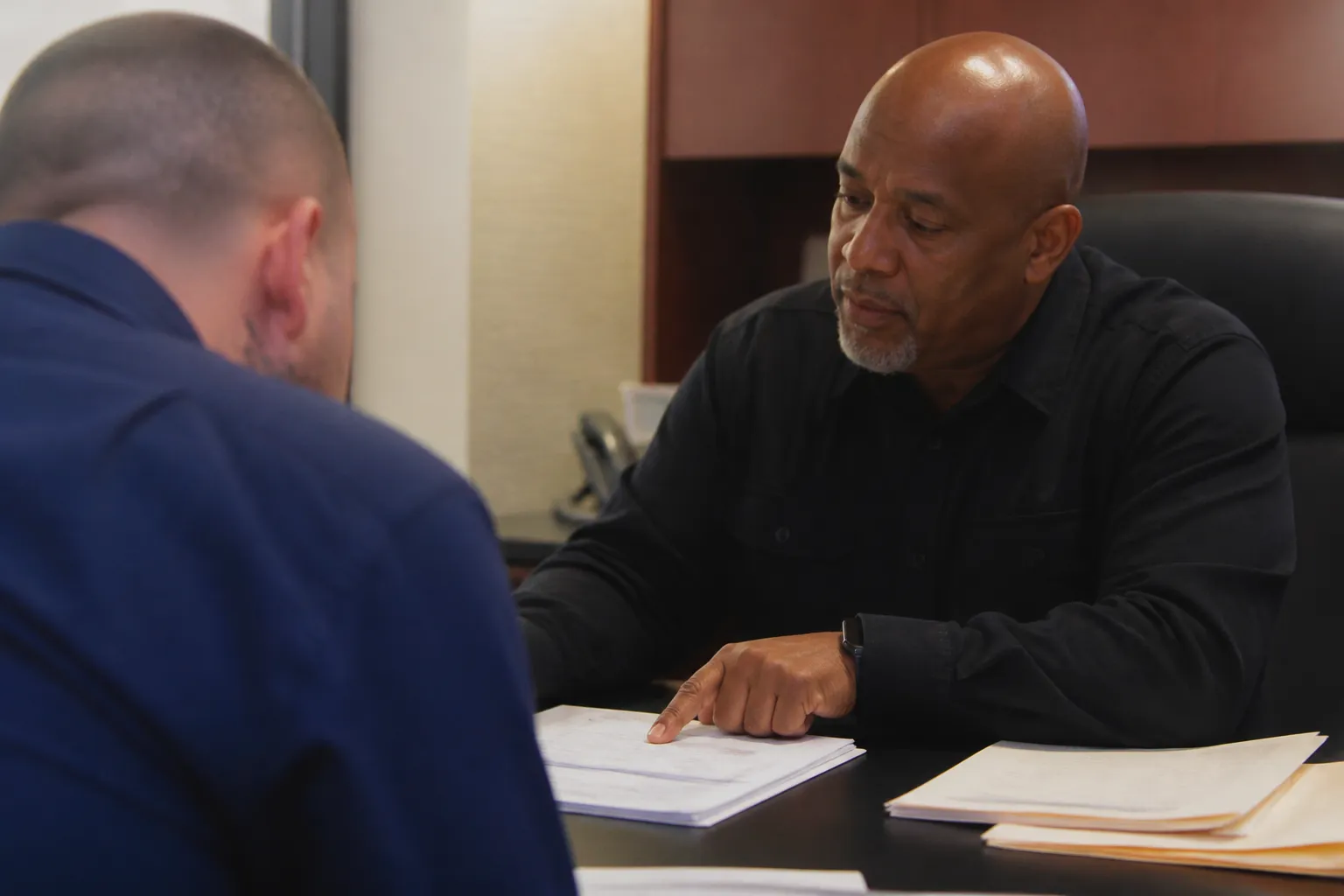
One participant in 2d Chance’s materials put it plainly: “It is important to be honest in recovery because you do not want to go back down the same road again.” That is a participant’s unvarnished account of recovery before the outcome is settled. It is the sound of a participant describing recovery before the outcome is settled.
That edge, between release and the daily work of stability, is where 2d Chance Inc makes sense.
But people do not usually cycle back because nobody handed them a slogan. They cycle back when trauma and addiction can collide with a destabilized home life. 2d Chance, a Las Vegas organization serving formerly incarcerated people, people with addiction and substance use disorder, veterans, homeless clients, and other underserved residents, is worth your attention because it is built for that messy middle.
Most reentry coverage is addicted to the clean arc, where someone gets out and gets a second chance before the story fades to hopeful.
According to the organization, services begin with a comprehensive evaluation, followed by an individualized plan of care, an approach suited to reentry, where one-size-fits-all ideas go to die.
The smartest thing here is that it does not confuse release with stability in Las Vegas reentry
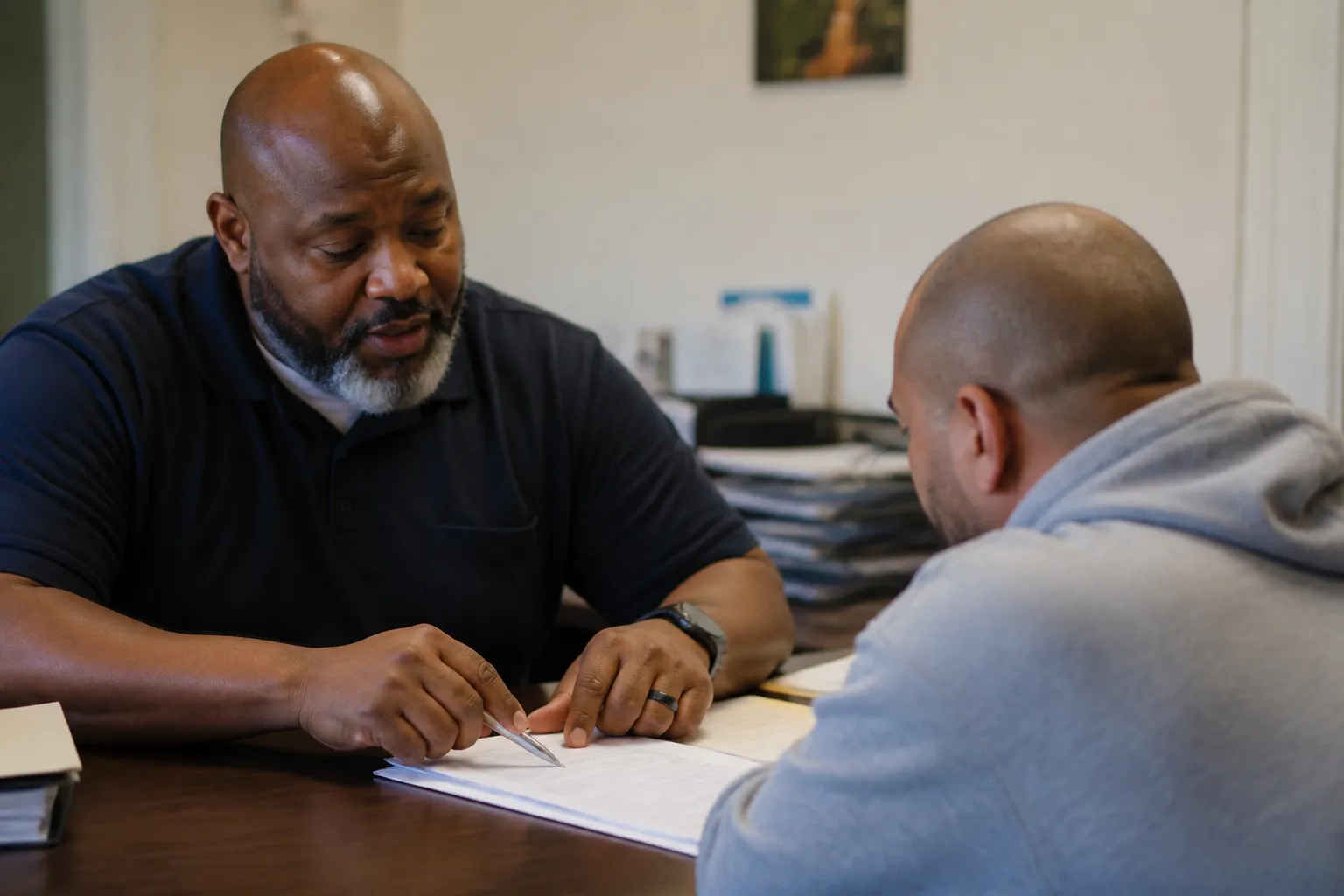
A release date can change a person’s legal status in one morning. By lunch, the nervous system may still be on alert. The family dynamic can remain strained on the drive home, and substance use triggers do not disappear simply because somebody is ready for a new chapter.
2d Chance’s program list reads like an answer to that reality. On its website, the organization says its Individual & Family Counseling serves adults and adolescents through one-on-one, several counseling formats sessions for mental and behavioral health needs. That matters more than it may sound when somebody is trying to stay out while staying sober and holding a job; the people around them are part of the weather.
Notice what the design does with family. It is not treated like scenery. A lot of reentry talk uses family as a backdrop, someone to apologize to, someone to hug in the success photo. Couple and family counseling is a more serious admission. Home can be the place that steadies you, and it can be the place that tests every new habit you are trying to build.
The organization also says participants may self-refer or come in through outside referrals, whether they walk in on their own or arrive after pressure or consequences. The point is that there is a door, and behind it there is an actual plan.
This is a treatment model wearing reentry clothes
The most revealing detail in 2d Chance’s design may be its Intensive Outpatient Therapy. According to the organization, treatment intensity is set after assessment and based on individual need, so the program is built around dosage, not vibes.
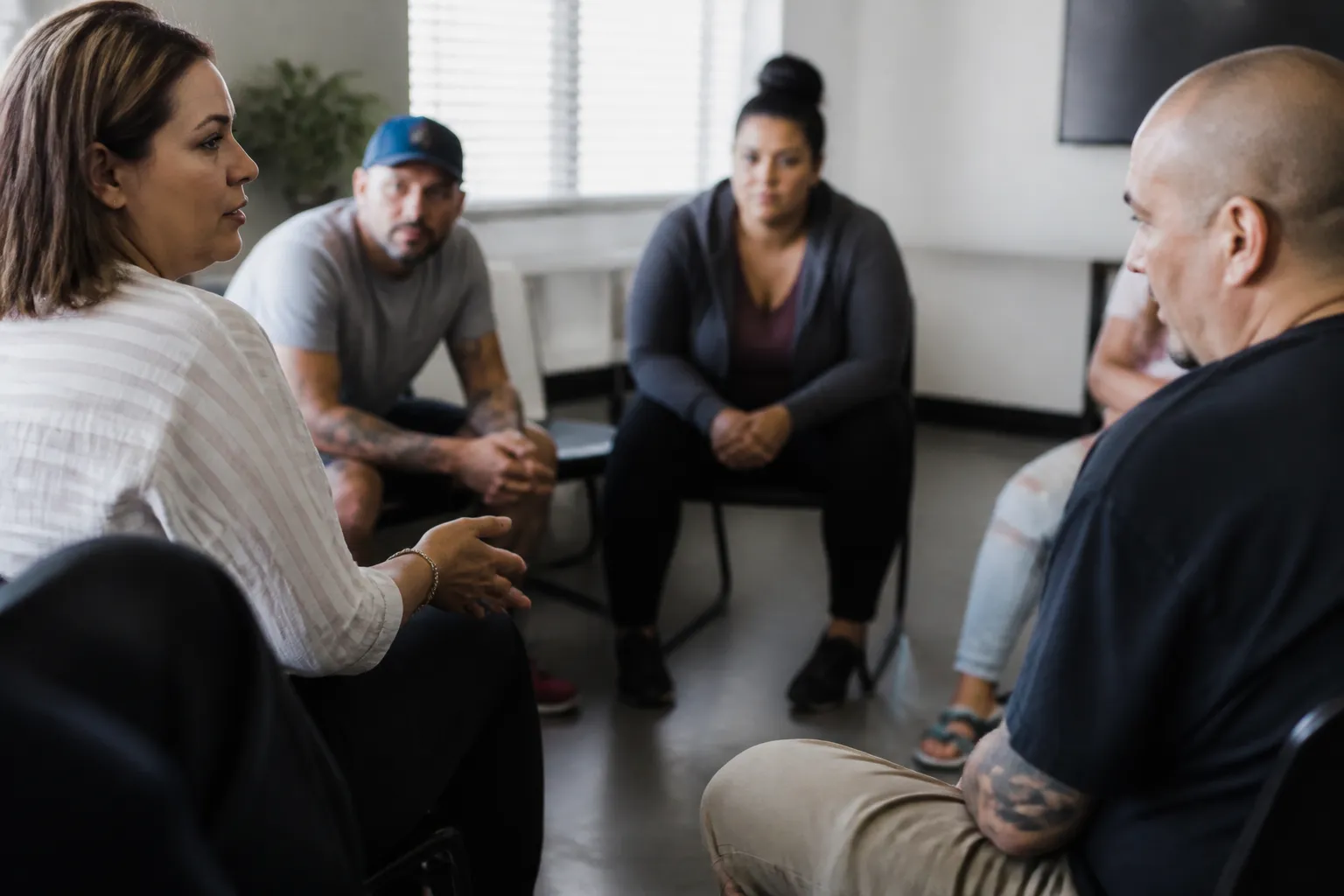
And then the rest of the menu locks into place. The organization’s Outpatient Group Therapy includes relapse prevention, aftercare support and education, anger groups focused on anger management and codependency, alongside trauma support. It offers Co-Occurring Disorders Treatment for clients dealing with behavioral health and mental health conditions alongside substance use concerns. It also lists Veterans Trauma Services for people dealing with PTSD and military sexual trauma.
That overlap matters because people do not arrive carrying one neat, isolated problem. Depression does not politely wait outside until sobriety is finished. Trauma does not take a number behind employment. Anger does not disappear because someone wants a different life. A program that acknowledges overlap is operating in the real world, which is more than can be said for plenty of public conversation about reentry.
And I appreciate that the program list leaves room for veterans’ trauma services rather than pretending every participant has the same history. Southern Nevada does not need another generic bucket labeled support. It needs places that understand the difference between a need and a category.
That is the architecture I want from a Las Vegas reentry program. I want the boring, essential scaffolding of counseling, group sessions, aftercare and trauma support: the counseling session somebody keeps next week, the aftercare group they show up to when no one is applauding, and the treatment plan that assumes recovery and reentry are complicated because, obviously, they are.
2d Chance also publishes material on Moral Reconation Therapy, plus relapse-prevention and anger-management curriculum topics. That is a clue to the group’s larger sensibility. It treats relapse and destructive behavior as patterns that can be examined and changed.
Get the weekly digest
New stories, new nonprofits, every Tuesday morning.
That line, from a program participant, gets to the point faster than most mission statements do. The point is to work through your emotions so you can achieve sobriety, rather than setting those emotions aside.
The human story here is not redemption. It is structure.
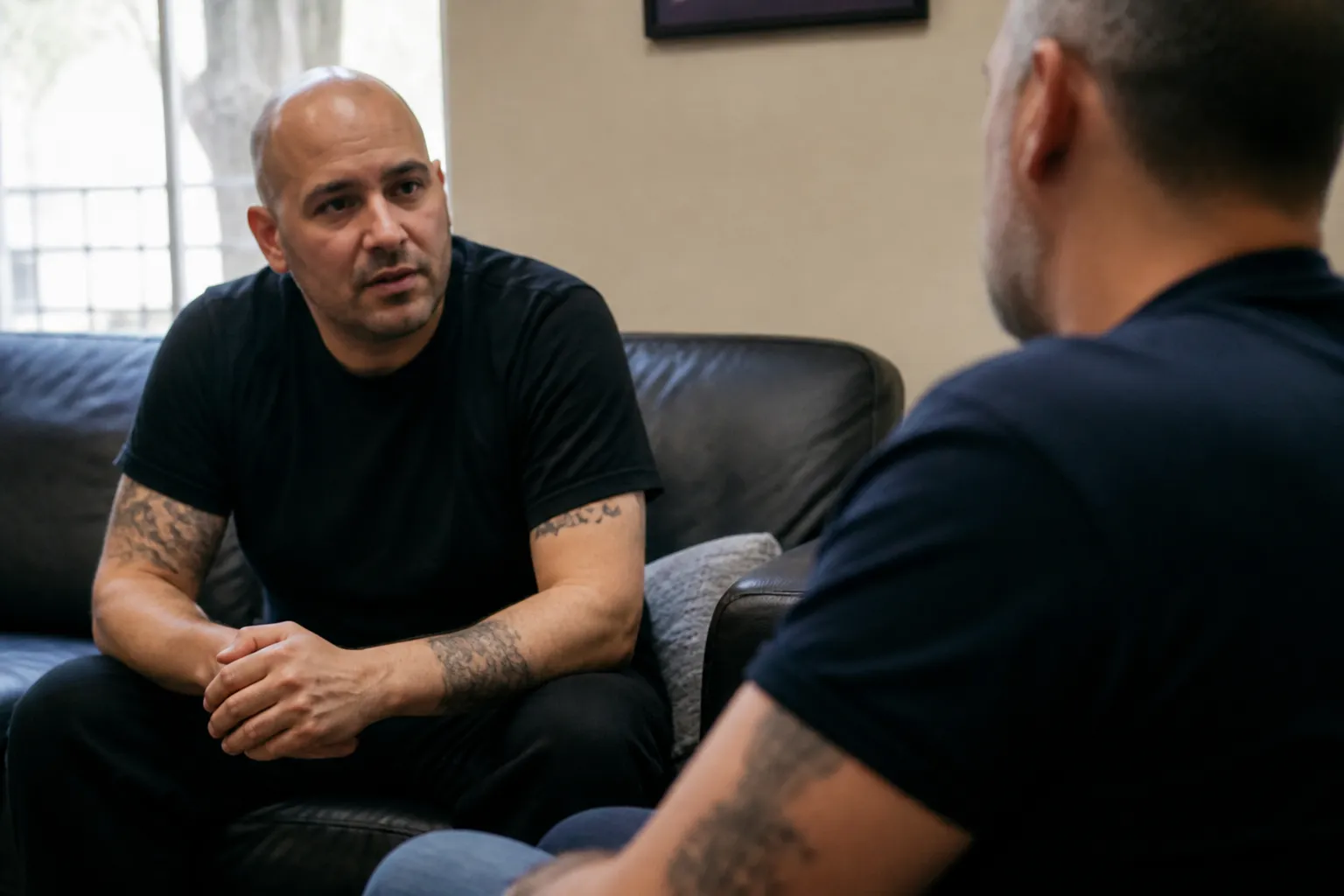
The participant testimonials 2d Chance shares are striking because they offer grateful, practical accounts rather than performances for strangers.
That phrase, mentoring and tools, tells you what this place is trying to be: a set of supports sturdy enough to use rather than a rescue fantasy or motivational poster.
Mentoring, in this context, means someone helps a participant keep using the tools once daily life starts pushing back. That is a much better measure of usefulness than a tidy success story delivered after the hard parts have been cropped out.
Even the most revealing quote is the least flashy one: “It is important to be honest in recovery because you do not want to go back down the same road again. When I started, I did not think I needed this program.…”
That is the argument. Reentry is full of people who do not think they need the program until they are inside the part that hurts. So the best design makes room for ambivalence at the door and supports people through relapse risk and the daily irritation of changing their lives while life remains messy.
Personal responsibility matters, but it needs support. 2d Chance appears to offer consistent help that meets emotional and behavioral needs alongside addiction at the same time.
This is why 2d Chance’s mix of counseling and group work, with aftercare alongside trauma-informed services, feels smarter than the standard redemption script.
If you want to back reentry in Las Vegas, fund the middle
According to its IRS filing, 2d Chance reported $104K in revenue. That is the scale of a local operation where support can matter in immediate, very unsexy ways: intake, counseling hours, group sessions, follow-up, the parts of care that keep somebody from slipping between released and stable.
Intake, counseling hours, group sessions, and follow-up keep someone from slipping between released and stable. Relapse prevention and aftercare rarely make a gala brochure, but they are exactly the parts worth paying for if you care whether a second chance lasts.
The organization’s site describes CEO Daymon as someone who has spent his adult life in service to others, with the last five years in medical and healthcare, and COO Mrs. Coward as a leader with a long background in public and community service in Southern Nevada. That local-service DNA fits the program design. This is a transitional platform built around what people often need most once the celebration is over: steadiness.
For donors trying to decide which reentry program in Las Vegas deserves a closer look, that is the practical case for 2d Chance. It is building a place where counseling, outpatient treatment, relapse prevention, aftercare, mentoring, and trauma support sit in the same frame, as they do in real life.
If you want to help, do not just fund the headline moment of a second chance. Fund the appointments after it: the evaluation, the therapy, the group room, the aftercare, the structure that gives a new life somewhere solid to land.
Frequently asked questions
- What does 2d Chance do in Las Vegas?
- According to the organization, 2d Chance offers Individual & Family Counseling, Intensive Outpatient Therapy, Outpatient Group Therapy, Co-Occurring Disorders Treatment, and Veterans Trauma Services in Las Vegas and Southern Nevada.
- Who does 2d Chance serve?
- 2d Chance says it serves formerly incarcerated people and clients facing addiction or housing insecurity, including veterans.
- How do people start services at 2d Chance?
- The organization says services begin with a comprehensive evaluation followed by an individualized plan of care. Participants may self-refer or be referred by family members or public agencies, including courts.
- Does 2d Chance offer help beyond basic reentry support?
- Yes. Its website describes relapse prevention, aftercare support and education, anger management, trauma and codependency groups, co-occurring disorders treatment, and counseling for veterans dealing with PTSD and military sexual trauma.
- Why is 2d Chance a notable option to support in Las Vegas reentry work?
- Its model is built around the stretch after release, with counseling and outpatient treatment, plus mentoring, relapse-prevention groups, aftercare, and trauma support. According to its IRS filing, it reported $104K in revenue, underscoring its local scale.
- 2chance.org ↗
- 2d Chance Inc describes itself as a transitional platform for formerly incarcerated people, people with addiction and substance use disorder, veterans, homeless clients, and other disadvantaged or underserved people.
- Its documented services include individual and family counseling for adults and adolescents, intensive outpatient therapy, and outpatient group therapy.
- The organization’s group-therapy model includes relapse prevention and aftercare support, tying treatment to the longer period after initial care.
- First-party program data identifies Moral Reconation Therapy, mentoring, and navigation services connecting clients with resources such as EBT, SNAP, TANF, and Medicaid as elements of 2d Chance’s broader support model.