
Backpack drives end in August. These 4 Houston education charities keep showing up.
Backpack drives have their moment. These four Houston organizations deserve attention for funding the much longer work: school partnerships, family support, college completion, and adult curiosity that stays alive for decades.
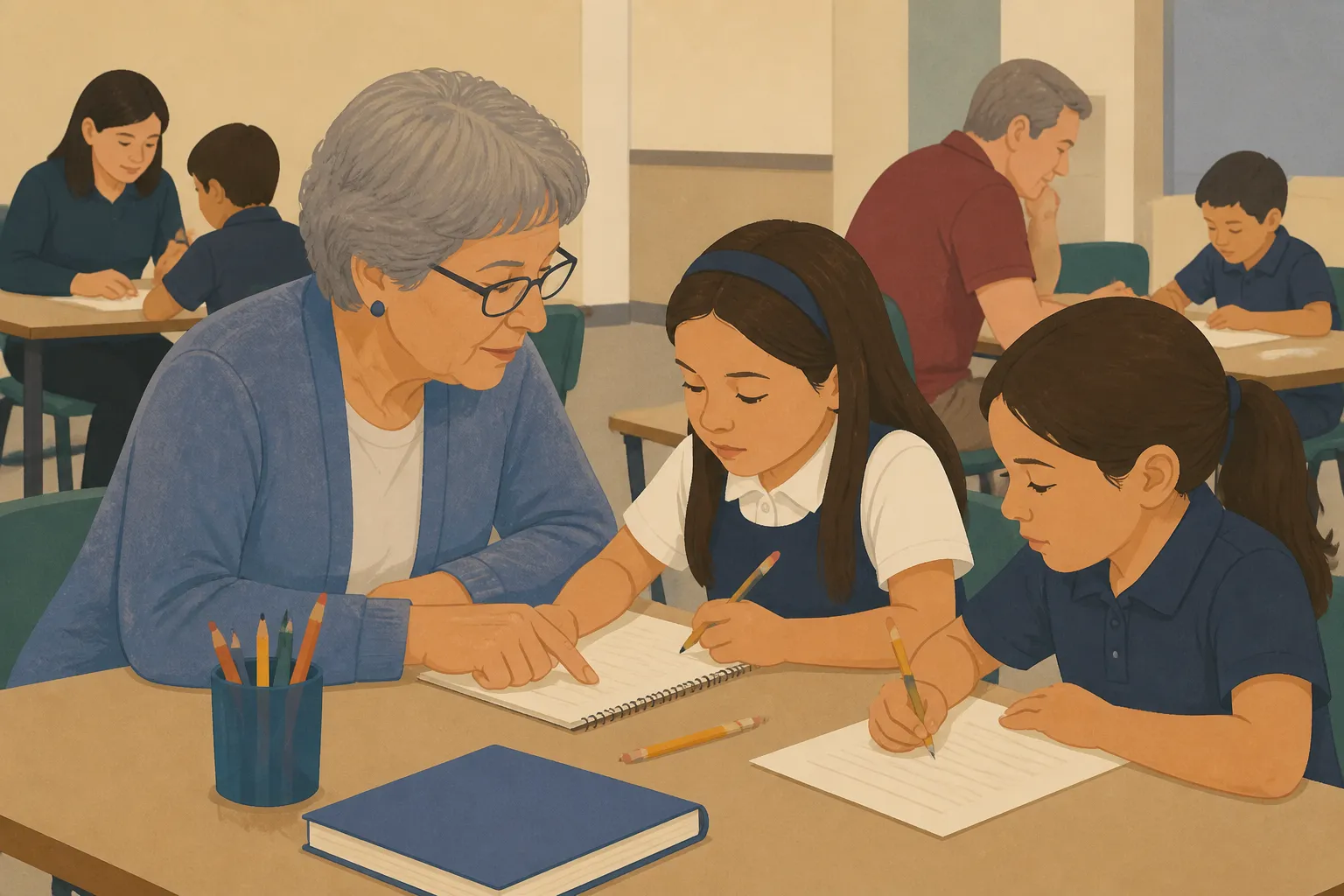
For more than 20 years, Bill has tutored second graders at Housman. That is a lot of spelling lists, multiplication tables, tentative readers, and children who eventually leave his classroom behind.
Sustained support means showing up for students year after year.
Backpack season gets the photographs. The work worth funding keeps a calendar through the next grade, the next school, the college application, and adulthood. Among Houston education charities, Loving Houston, Nehemiah Center, Breakthrough Houston, and The Women’s Institute of Houston stand out because each is built for the long haul. Nehemiah runs from Mommy & Me through college preparation, Breakthrough’s pathway spans ten years, Loving Houston’s church-school partnerships renew year after year, and the Women’s Institute has kept Houston adults learning since 1951. Each makes a persuasive case for giving to the part of education that requires people to keep showing up.
How Houston education charities make school support last
At Loving Houston, a church begins with a 101 workshop or Church School Partnership Coordinator Training, develops a plan with a nearby school, then draws on coaching, leader gatherings, online tools, volunteer ideas, and program recommendations as the relationship grows.
At Pink Elementary, Tanya and her daughters Zoey and Belle volunteer through The Bridge’s partnership with the school. What began as an annual extreme makeover project now brings the family back throughout the school year.
“What began as an annual extreme makeover project has now become a 365-days-a-year partnership that has powerfully transformed both church and school.” — Loving Houston
Loving Houston’s 2024–2025 Impact Report recorded 47 new church-school partnerships and 340 partnerships started since inception. The same report says 10,765 volunteers served 372,000 students and staff during that school year. Loving Houston Inc
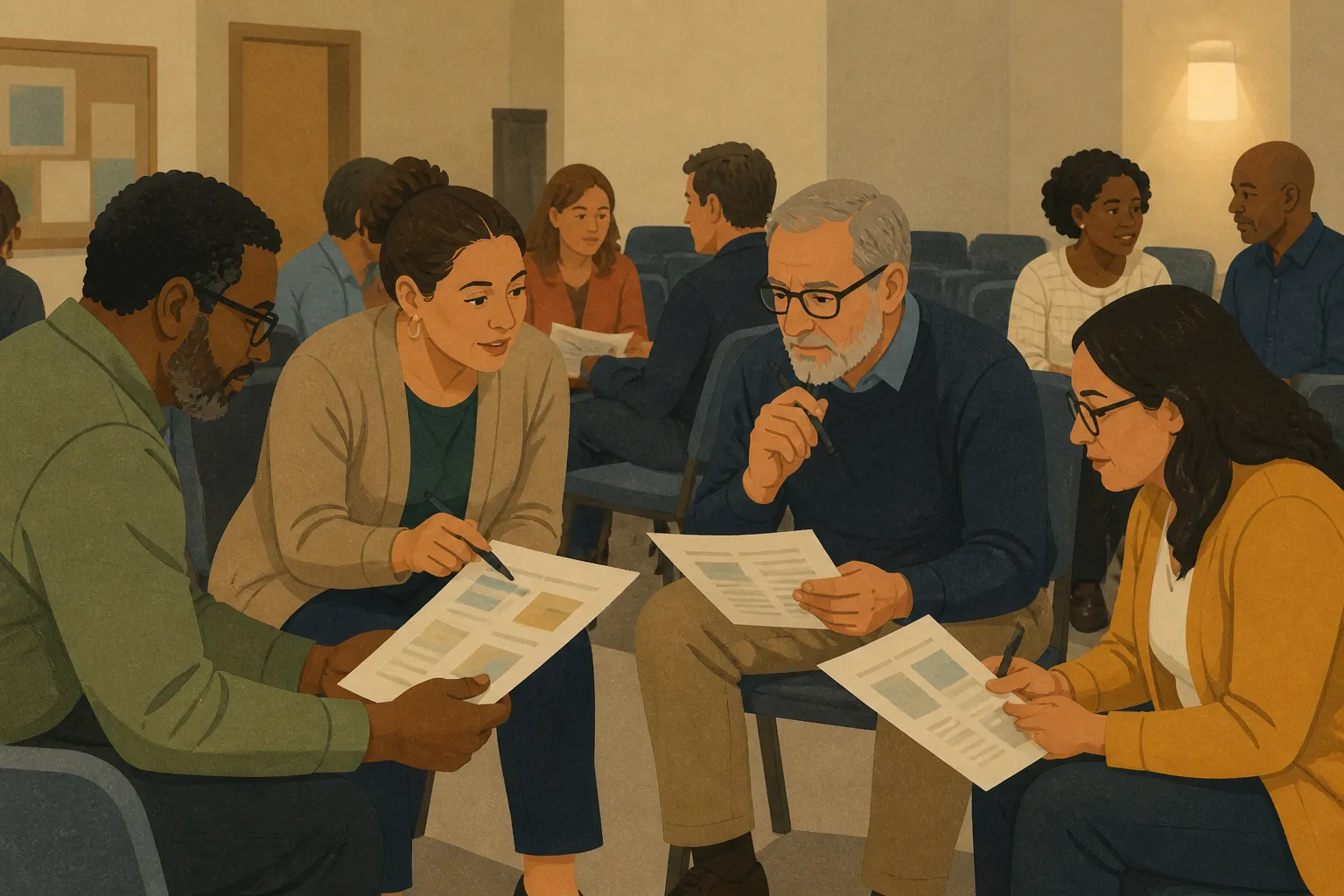
Nehemiah Center stays close to the family
Kiana Haynes entered Nehemiah’s after-school program as a third grader at MacGregor Elementary. By the Class of 2023, that early start had led to recognition as a Citgo Distinguished Scholar and a $1,000 scholarship. Mommy & Me and pre-K programs come first, Academic Enrichment carries elementary students, and college preparation takes over for the older ones.
The center is built for that kind of long stay.
“With your help, we create a safe haven in which inner-city children are motivated, inspired and equipped to realize their God-given potential,” the Nehemiah Center says.
Get the weekly digest
New stories, new nonprofits, every Tuesday morning.
The organization reports working with more than 500 vulnerable children and their working families each year, serving 59,000 meals annually, providing more than $600,000 in scholarship assistance, and celebrating more than 20 successful college graduates. Its Pre-K 3 and Pre-K 4 programs also earned Texas Rising Star’s 4-out-of-4-star accreditation. Nehemiah Center Inc
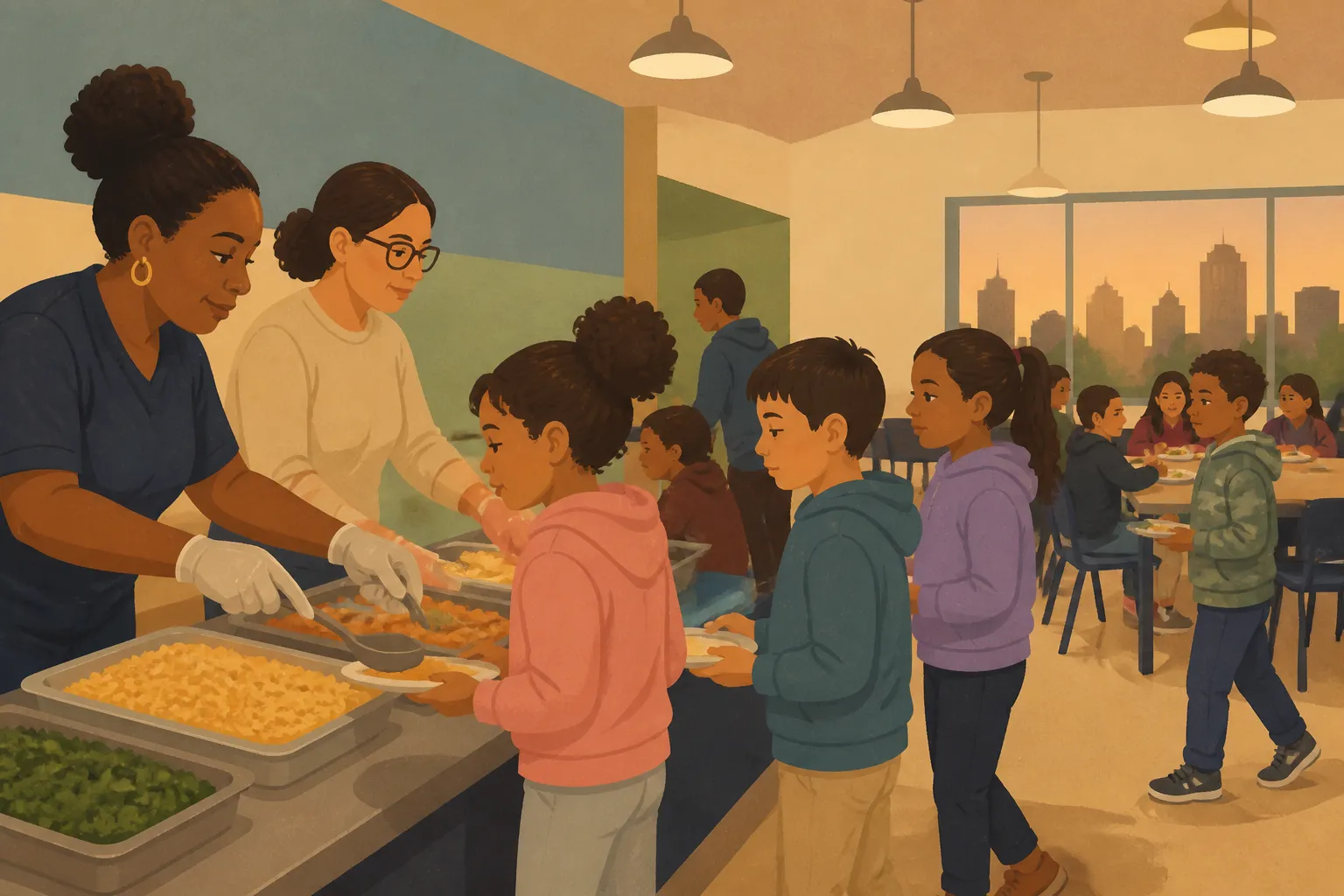
Breakthrough Houston makes college completion the finish line
“Breakthrough Houston has been with me since middle school—and they’re still by my side as I work toward becoming a dermatologist,” one student says. That goal captures what Breakthrough means by a 10-year pathway. The relationship begins before high school and continues through college completion. Students entering seventh through ninth grade receive summer and school-year support; College Bound adds mentorship, test preparation, college visits, counseling, and career guidance. After admission, College Completion provides one-on-one advising along with academic and financial support.
Breakthrough reports that its College Bound Program has graduated 11 classes of seniors with a 99% college acceptance rate. Its Teaching Fellows program also turns high school and college students into summer teachers and near-peer mentors for younger participants. Breakthrough Houston
[IMG: Breakthrough Houston Teaching Fellows lead middle school students through summer classroom work in Houston.]
The Women’s Institute offers lifelong learning
The Women’s Institute of Houston extends education follow-through beyond K–12 and college, so adults can keep returning to a Houston learning community as their interests change. Founded by Rebecca and Dean Richardson in 1951 and chartered as a 501(c)(3) in 1956, WIH has served thousands of Houston men and women. Weekly classes cover languages, history, art, psychology, politics, and current events, while Sunday lectures, online learning, a public lending library, and exhibitions with Archway Gallery fill the rest of the calendar.
The Women's Institute Of Houston

For the Breakthrough student working toward dermatology, the pathway means moving from middle-school support to college guidance and help through completion. Donors can fund one-on-one college advising or support a Teaching Fellow; other gifts can provide Nehemiah’s scholarship assistance or help Loving Houston sustain the kind of church-school partnership that has kept Bill tutoring at Housman for more than 20 years.
Frequently asked questions
- Which Houston education charities provide long-term student support?
- Loving Houston builds ongoing church-school partnerships, Nehemiah Center serves families from toddlerhood through college prep, and Breakthrough Houston supports students from middle school through college completion. The Women’s Institute of Houston extends the learning continuum through adult classes and lectures.
- How does Loving Houston help local schools?
- Loving Houston trains churches to build partnerships with nearby schools, then provides coaching, leader gatherings, toolkits, volunteer ideas, and other continuing support. Its 2024–2025 Impact Report recorded 47 new partnerships during the school year.
- Who can enroll at Nehemiah Center?
- Families apply through Nehemiah Center’s enrollment process and generally must qualify for the HISD free or reduced lunch program, with verification provided before enrollment. The center offers programs for toddlers, pre-K children, elementary students, middle and high school students, and caregivers.
- What is Breakthrough Houston’s 10-year pathway?
- Breakthrough Houston begins with its Middle School Program before high school, continues through its College Bound high-school program, and offers College Completion support for students in college. Services include enrichment, test preparation, college guidance, advising, and financial support.
- Does The Women’s Institute of Houston offer classes for adults?
- Yes. The Women’s Institute of Houston offers weekly classes, Sunday lectures, online learning, a public lending library, and art exhibitions for adult learners in Houston.
- lovinghouston.net ↗
- Loving Houston reported 340 total church-school partnerships since inception and 47 new partnerships in its 2024–2025 Impact Report.
- A Pink Elementary partnership at Loving Houston evolved from an annual "extreme makeover" project into a "365-days-a-year partnership."
- breakthroughhouston.org ↗
- Breakthrough Houston describes its Middle School Program as a "10-year pathway" that begins before high school and continues through college completion.
- Breakthrough Houston’s College Bound model is linked in the platform data to a 99% college acceptance rate across 11 senior classes.
- nehemiahcenterhouston.org ↗
- Nehemiah Center serves low-income families with a pre-K program for ages 3-5, Mommy & Me for toddlers and caregivers, and an Academic Enrichment Program for K-5 students.
- wih.org ↗
- The Women’s Institute of Houston offers weekly classes, Sunday lectures, and online learning for Houston adults, and was founded in 1951.
- nehemiahcenterhouston.org ↗
- “With your help, we create a safe haven in which inner-city children are motivated, inspired and equipped to realize their God-given potential.” — The Nehemiah Center