
Dallas Sexual Violence Hotline Served 2,289 Clients
The impressive thing about Dallas Area Rape Crisis Center is not that it has a hotline. It’s that the hotline opens into an actual chain of care—walk-in advocacy, hospital accompaniment, counseling, legal support, and prevention work across Dallas County and North Texas.
If you landed here trying to figure out how to support sexual assault survivors in Dallas TX, start further back than the moment of crisis. Healing depends on a chain of small, unglamorous steps that have to be in place before it can even begin. The work means answering the call, explaining the options, showing up, and staying.
That is why Dallas Area Rape Crisis Center deserves attention. Plenty of organizations can tell you awareness matters. DARCC does the harder, more useful thing: it turns a crisis into a sequence of actual care — a 24-hour hotline, walk-in advocacy, hospital accompaniment, legal support, case management, counseling, and prevention work aimed at the neighborhoods and classrooms where Dallas lives.
In 2025, DARCC served 2,289 hotline clients, 1,265 advocacy clients, and delivered 3,151 counseling sessions. Those figures show that in Dallas County and across North Texas, the need is steady and the response has to be, too.
The right kind of survivor support is almost stubbornly concrete. The model includes a 24-hour hotline, partner hospitals, an advocate who can sit beside you during an exam, and another who can stand with you in court. In a city that loves big rhetoric, that kind of plain usefulness is exactly what makes DARCC stand out.
To support sexual assault survivors in Dallas TX, follow the handoff
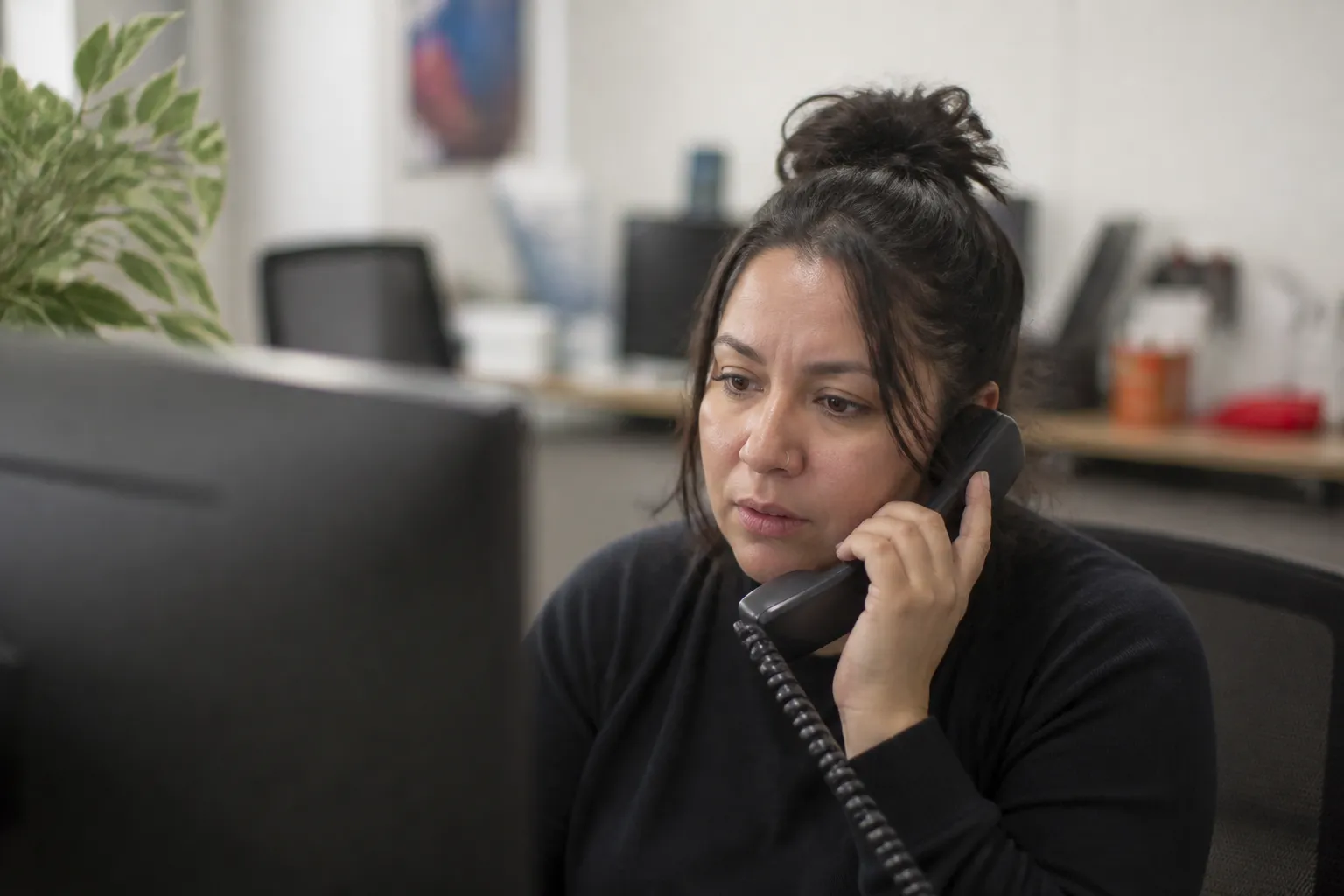
A lot of crisis hotlines get treated like the whole intervention. DARCC’s hotline is the front door. The organization opened its 24-hour sexual assault hotline in 2010, and the point is the support that answer can unlock: confidential crisis support, information, emotional assistance, referrals, safety planning, and next-step guidance. For anyone who needs that number, it is 972-641-7273.
The hotline is for survivors of sexual violence and for the loved ones trying to help without making things worse. That matters, too. A parent, partner, friend, or roommate often becomes the first person searching for answers, and DARCC has built a structure sturdy enough to hold them as well.
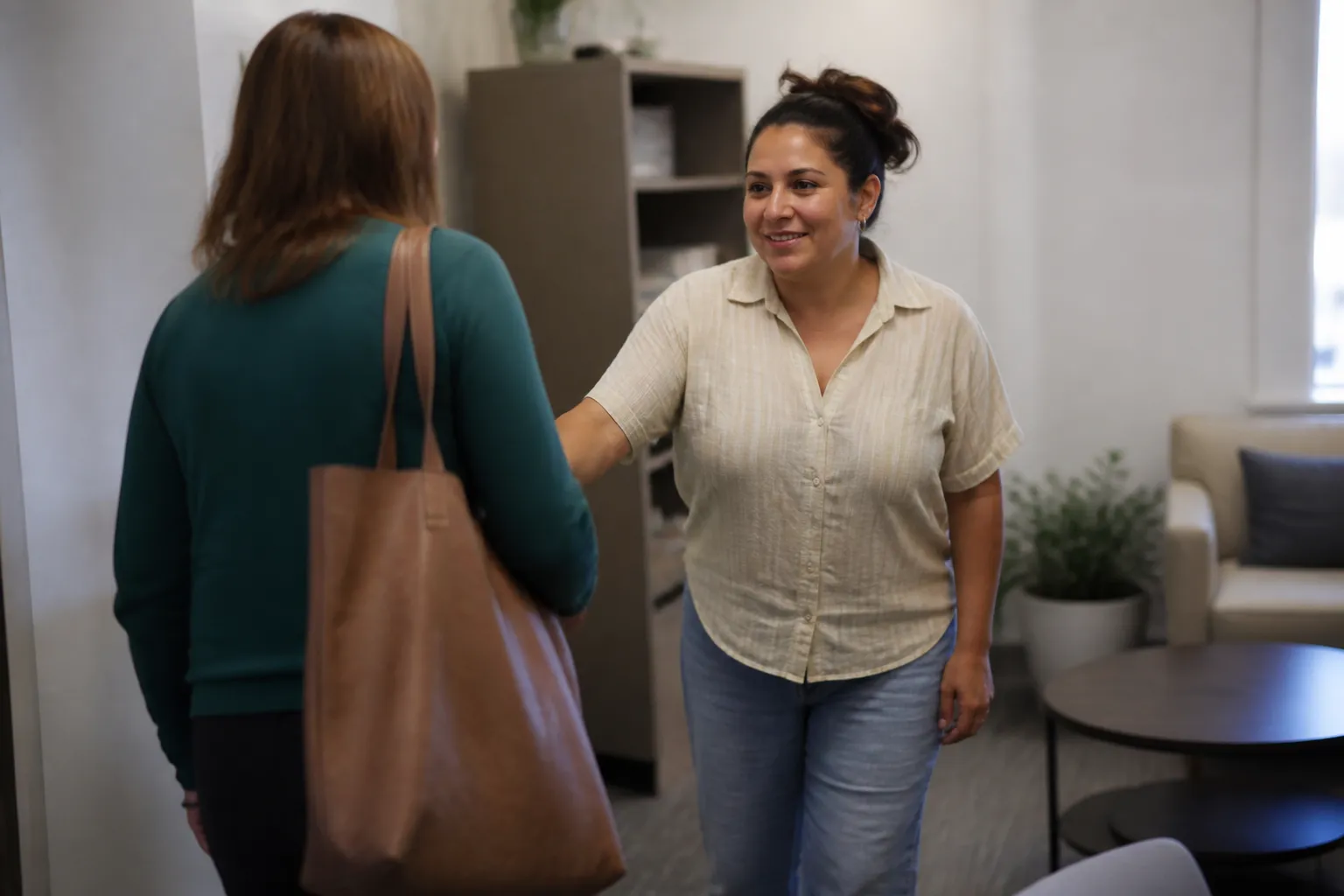
The handoff matters. A caller can be connected to walk-in crisis intervention and advocacy at the office during business hours, with no appointment needed. That is a deceptively big deal. A phone line is important; a place to go is better. Since 2017, DARCC has been a tenant in the Historic Wilson District, and that fact gives the organization a kind of civic solidity I trust. DARCC has a local address where survivors and their loved ones can move from the first awful conversation into actual next steps.
DARCC’s services are free and confidential, and the organization works in English and Spanish. Those details are practical, not ornamental. When people are in crisis, those practical details can determine whether someone gets help or disappears from the process altogether.
The part most people forget: somebody has to show up
[IMG: DARCC hospital accompaniment advocate waiting with a survivor during a sexual assault medical forensic exam at an area hospital in Dallas County]
The cruel part of a broken response system is that it asks survivors to be both hurt and organized. A survivor may need to find the hospital, understand the exam, decide about reporting, track the paperwork, and keep answering questions.
DARCC is compelling because it does not stop at offering sympathy over the phone; it puts advocates beside people in the rooms where the decisions happen.
Hospital accompaniment is available 24/7 during sexual assault medical forensic exams at area hospitals. That is face-to-face support in the exam room, with an advocate beside the survivor. The geography here is unmistakably local: partner hospitals include Texas Health Presbyterian Hospital Dallas, Texas Health Rockwall, Baylor University Medical Center, and Methodist Dallas Medical Center. When DARCC opened its hotline in 2010, it also partnered with THR Dallas to provide advocacy for Dallas County’s first hospital-based SANE program. The organization’s whole shape has been built around being present when presence matters most.
Legal advocacy and case management are easy to underrate because they involve forms, interviews, hearings, follow-up questions, and the slow work of making sure a survivor does not have to decipher systems alone. But that is exactly where people get lost. DARCC treats that maze as part of the crisis, not as somebody else’s department.
Get the weekly digest
New stories, new nonprofits, every Tuesday morning.
In 2025, DARCC served 1,265 advocacy clients. That includes legal advocacy for police station interviews, court hearings, and other legal proceedings, plus case management that helps survivors navigate Crime Victims Compensation, the Address Confidentiality Program, referrals, and the blur of questions that follow trauma. This is the difference between telling someone they have options and walking with them into the institutions where those options become real.
Healing is not a slogan; it is 3,151 counseling sessions

The strongest word in DARCC’s model may be the least flashy one: counseling. Not because it sounds dramatic. Because it admits that recovery usually takes longer than the news cycle, longer than a police interview, longer than the ride home from the hospital.
DARCC provides counseling for Texas residents age 13 and older, and in 2025 it delivered 3,151 counseling sessions. You do not build that with awareness language. You build it with trained people, consistent appointments, and services kept free so someone can keep coming back.
That is the work after the work — the quieter, longer stretch when a survivor is trying to live in their body again, trust other people again, trust a Tuesday afternoon again.
The age floor matters here. Counseling for Texas residents 13 and older means DARCC is serving teenagers and adults across Texas, including families and loved ones trying to regain a sense of ordinary life.
Progress like that rarely announces itself with polish. It shows up as small, practical shifts in daily life. That is the outcome most people mean when they say they want to support survivors, and DARCC gets there the unglamorous way: by staying in the picture long enough for change to show up.
The smartest prevention work still knows its block

The best survivor-support organizations do not separate crisis response from prevention, and DARCC doesn’t try. Its mission is both to support survivors and their loved ones as they heal and thrive and to engage and educate communities to prevent sexual violence. In practice, that means work with students, community education, and a public voice that stays plainspoken about what actually helps: consent and boundaries begin in childhood, campus safety matters during the Red Zone, rape kit reform is necessary but not sufficient.
DARCC’s recent writing has not settled for victory-lap language. This Was the Floor rather than the Ceiling: What Rape Kit Reform Still Doesn’t Fix is the kind of title you publish when you understand that policy milestones matter and survivors still need somebody to answer the phone on a Wednesday night. The monthly Lunch & Learn series offers free online sessions on sexual violence, prevention, trauma-informed care, and survivor support. Twice a month, DARCC holds Survivor Speakers Bureau info sessions. Once a month, Community Volunteer Day turns support into hands-on work.
That local reach takes infrastructure. It also shows up in a client who said therapy helped them trust again, feel safer in their body, and feel less controlled by what happened to them. DARCC has 40 staff and 139 volunteers, with $2.1 million in revenue, $2.0 million in expenses, and $873,000 in assets.
If you want to be useful to that chain of care, apply to volunteer as a DARCC advocate for the 24-hour hotline or hospital accompaniment. The whole thing depends on the next calm person picking up or showing up.
Frequently asked questions
- What does Dallas Area Rape Crisis Center do after someone calls the hotline?
- After the confidential 24-hour hotline, DARCC can connect callers to walk-in crisis intervention, hospital accompaniment, counseling, legal advocacy, and case management. The hotline also provides crisis support, information, referrals, safety planning, and next-step guidance.
- Does DARCC offer hospital accompaniment in Dallas?
- DARCC advocates are available 24/7 to provide face-to-face support and information during sexual assault medical forensic exams at area hospitals in Dallas County and North Texas.
- Who can receive counseling from DARCC?
- DARCC provides counseling for Texas residents age 13 and older.
- Are DARCC’s services free and confidential?
- Yes. DARCC describes its support as free and confidential, and donations help keep hotline, advocacy, counseling, and education services free for survivors and their loved ones.
- How can I volunteer with DARCC?
- DARCC recruits volunteer advocates for the 24-hour hotline, hospital accompaniment, legal advocacy accompaniment, and monthly Community Volunteer Day special projects.
- dallasrapecrisis.org ↗
- Dallas Area Rape Crisis Center’s mission is to prevent sexual violence while supporting survivors and their loved ones as they heal and thrive.
- DARCC operates a 24-hour sexual-assault hotline offering confidential crisis support, information, and emotional assistance.
- The organization provides walk-in crisis intervention and advocacy at its office during business hours.
- DARCC advocates are available 24/7 to provide face-to-face support and information at hospitals.
- DARCC serves Dallas County and North Texas, including Texas residents age 13 and older for counseling.
- The organization began as Dallas County Sexual Assault Services, received 501(c)(3) status in 2009, and opened its 24-hour hotline in 2010.