
Monthly meetings, home visits, and a softball field make 6 Las Vegas youth charities feel a lot less generic
These six Las Vegas youth nonprofits stand out because each one built a ritual around confidence. Those rituals include a first-Monday meeting, a parent-and-kid accountability night, a camp cabin, a homework table, a home visit, or a softball practice. That specificity makes them much easier to judge and much easier to fund well.
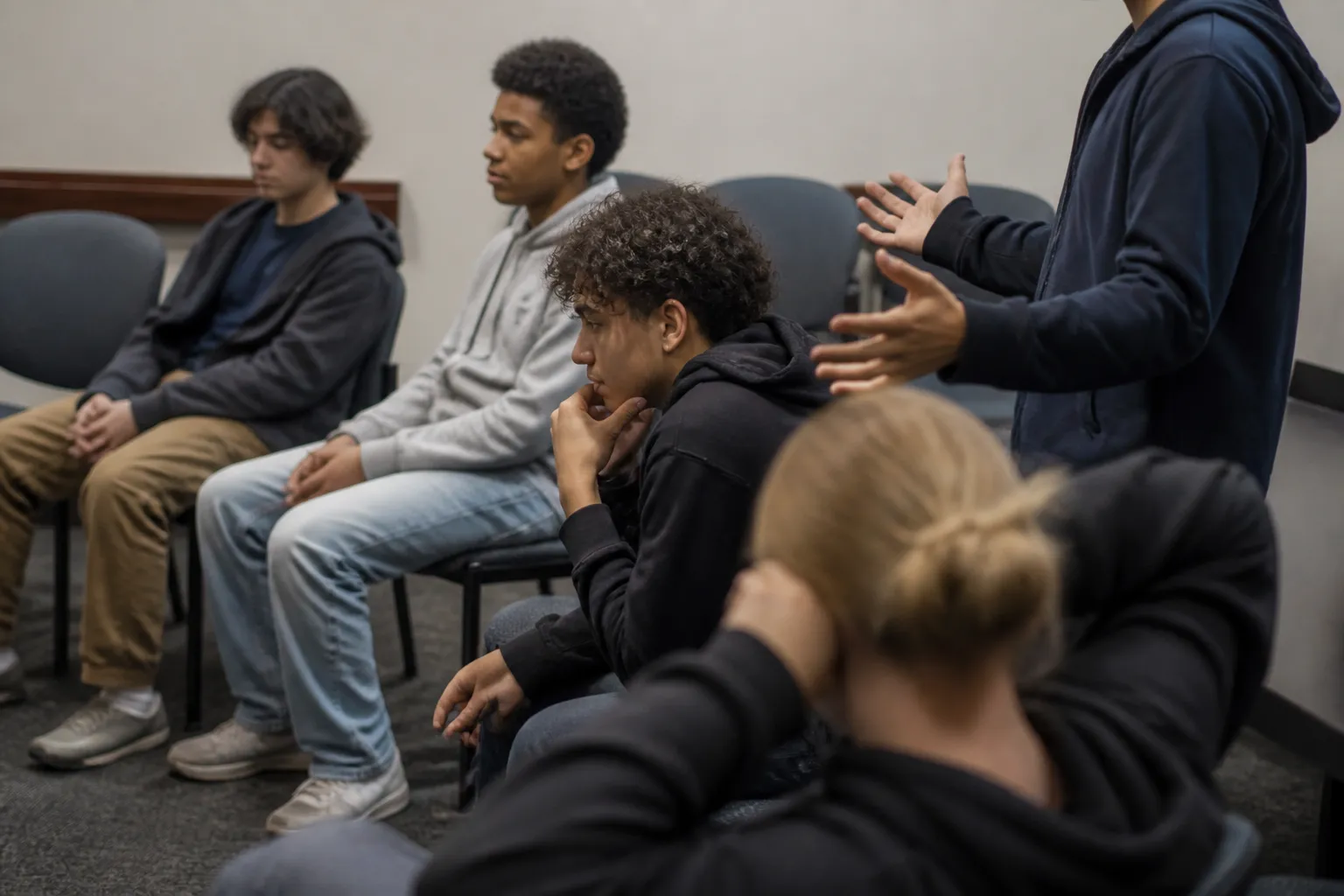
Confidence is a lousy fundraising cliché. Everybody promises it; almost nobody tells you what it looks like on a Tuesday.
In Las Vegas, the youth groups most worth a donor’s attention are the ones that answer that question with a ritual. First Monday of the month? A teen leadership meeting. Once a month, Change One brings youth together while their parents attend a required support circle. In summer, Pride Tree runs a camp where LGBTQ+ kids and allies can feel safe from the moment they arrive. Every week brings a home visit, a homework table, a meal, a practice, or a conversation about college.
These six make confidence concrete through routines that repeat. They build structures around young people’s lives, from monthly meetings to weekly visits and college recruiting guidance. Once you see that, this stops being a roster of worthy names and starts reading like a map of methods. Once you see that, this stops being a roster of worthy names and starts reading like a map of methods.
For anyone trying to donate well in Las Vegas, the useful question is which routine you want to keep alive.
Best youth charities to donate to in Las Vegas: I.C.A.N.'s first-Monday follow-through
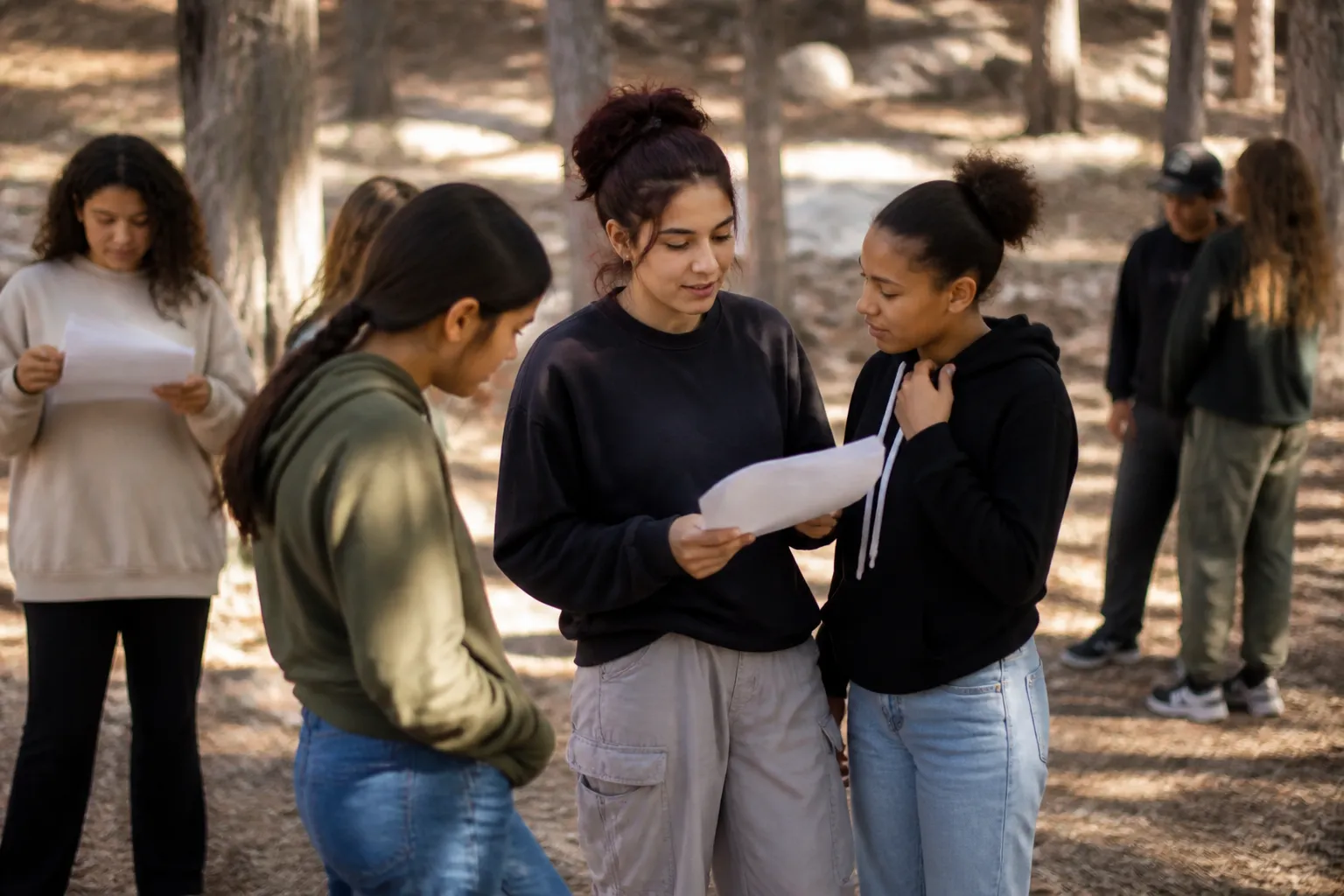
Plenty of youth programs know how to create a big emotional weekend. Far fewer know how to give that weekend a return date. Founded in 2006, Issues Concerning Adolescents of Nevada—better known as I.C.A.N. Issues Concerning Adolescents of Nevada—does both. Its week-long Leadership Camp in Lee Canyon serves youth ages 11 to 17 with mentoring, leadership training, and drug prevention education. The better donor detail is what happens after: monthly school-year meetings, held on the first Monday of the month at locations around the Las Vegas Valley, so the work does not evaporate by fall.
It also has the kind of institutional memory you cannot fake. I.C.A.N. grew out of Southern Nevada prevention work that stretches from Students Against Driving Drunk in 1986 to the first SADD Camp in 1987, through later versions called S.T.A.T.U.S. and HEROs before becoming its own organization in 2006. Usually that much history can feel museum-ish. Here, it reads like proof that Las Vegas has been refining this kind of youth leadership and prevention work for decades.
And the performance group is a smart twist. Older participants, including previous camp participants and youth staff, can take the message outward through skits and other youth-led performances, including the annual Drug-Free Variety Show. That matters because leadership changes when a teenager has to stand up and say the thing out loud to peers. If your giving leans toward prevention, peer mentoring, and the sort of follow-through most summer programs skip, fund the camp slot and the first-Monday meetings that keep it alive.
Real Talk: kids are not the only ones expected to show up
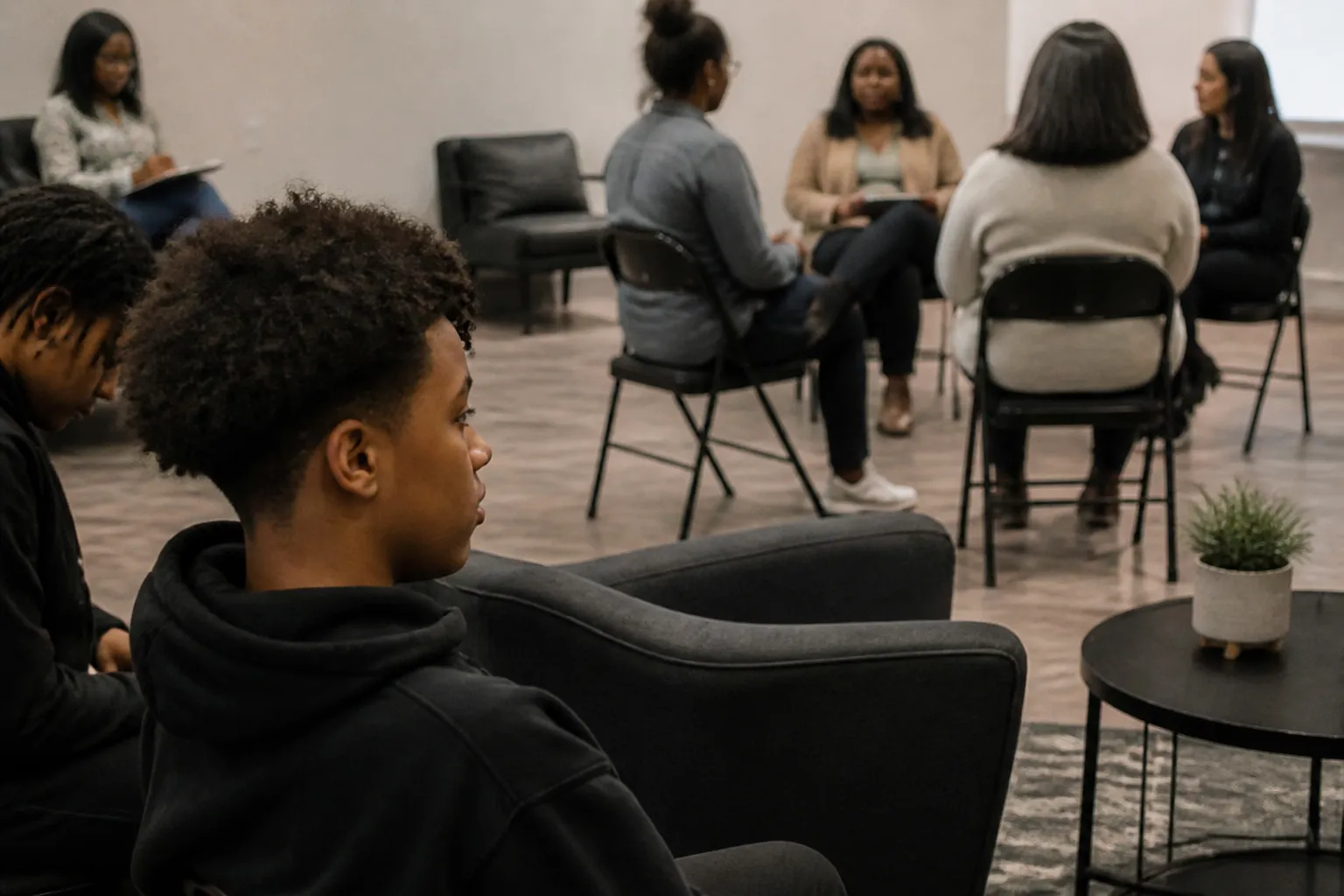
Sheree D. Corniel spent more than 20 years in law enforcement before founding Real Talk Youth Impact Program in 2012. That biography matters because Real Talk refuses the fantasy that a child can be 'fixed' in isolation. Its free monthly Change One meetings serve at-risk youth ages 8 to 18 in Southern Nevada, but youth are not the only ones expected to do the work: parents attend a mandatory support group during those meetings, with a therapist observing and monitoring discussions, and participants also complete a mandatory career prep class.
That structure is what makes the program sharper than the usual motivational-event model. Speakers share personal experiences, yes, but the program also insists on accountability and next steps. Families pre-register, and the path is not casual drop-in energy: youth attend four Change One meetings and one mandatory career prep class, while parents keep showing up too. Corniel’s own path through competitive fastpitch, an athletic college scholarship, and eventually the Olympics shaped the way she thinks about doors that can open when a kid is given a real roadmap instead of a lecture.
Then Real Talk goes a step further by paying for opportunity when opportunity has a price tag. The program sponsors approved extracurricular activities, from boxing and baseball to gymnastics, cheer, martial arts, horseback riding, and singing. That is the kind of detail donors should pay attention to. A lot of youth programs stop at the pep talk. Real Talk tries to make sure a child can actually get to the thing that keeps them engaged.
"My vision is to save as many lives as I can by preparing a positive roadmap for kids and providing them with the tools they need to become all they are…" , Sheree D. Corniel
According to the organization, Real Talk has helped more than 2,300 at-risk youth, graduated more than 1,200 participants, and provided over $350,000 in sponsored extracurricular activities to date. If you want a youth charity in Las Vegas that treats confidence as a family that keeps showing up, this is a very persuasive place to start. Funding the free Change One meetings or stepping up as a monthly speaker are both concrete ways in.
Pride Tree: safety as program design
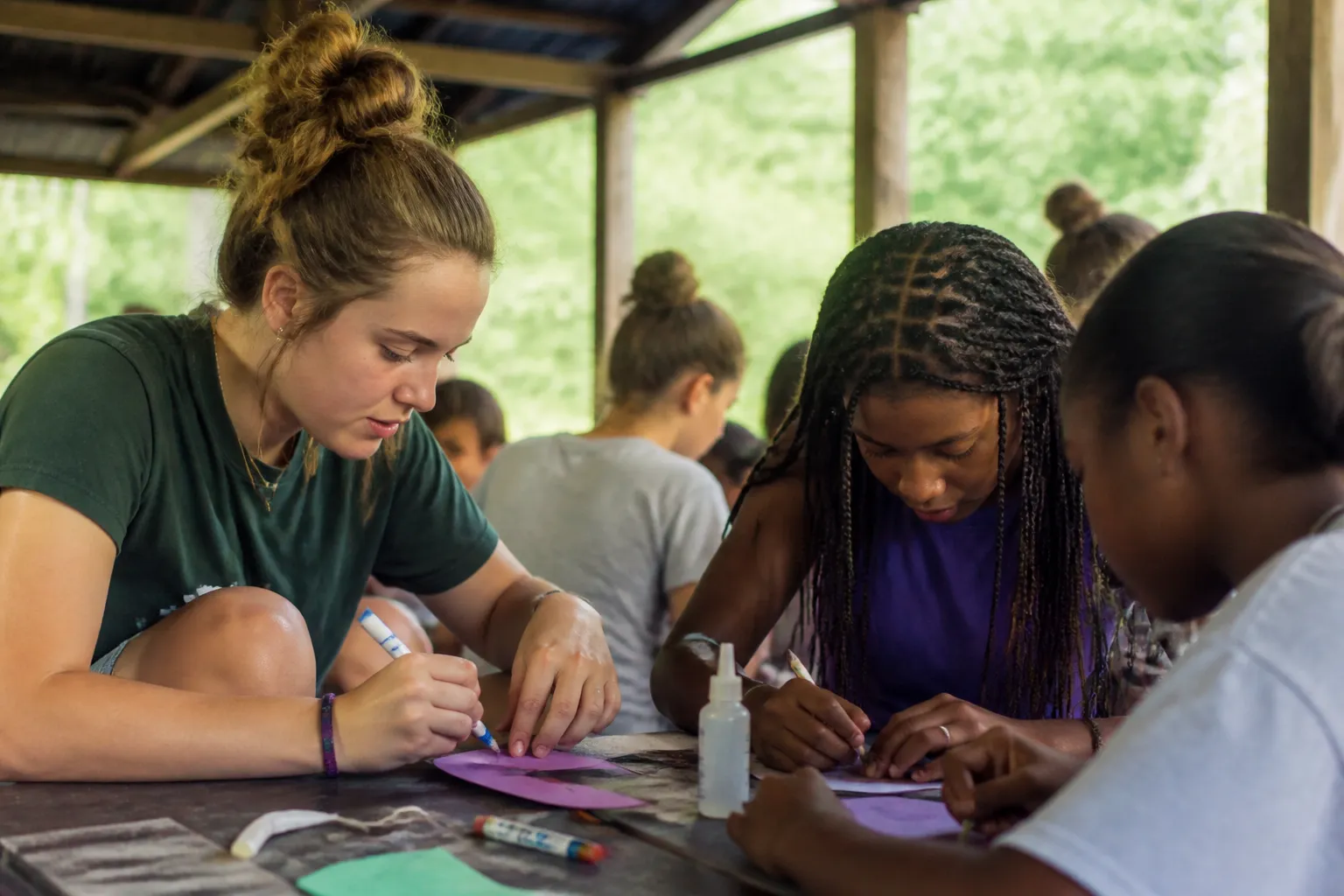
Plenty of adults say they want young people to feel safe right up until safety requires actual planning, volunteers, insurance, transportation, and a camp kitchen bill. Pride Tree, founded by Grant Frailich in 2020, is compelling because it turns that language into structure. The organization began after Frailich saw how a 15-year-old gender-fluid student was left without supportive responses after sharing an online threat. That is a question about whether adults will make room for a young person or look away. That is a young person learning, in real time, whether adults will make room or look away.
Pride Tree’s answer was not a generic awareness campaign. It built Camp Pride Tree and year-round programming where LGBTQ+ youth and allies, especially those ages 10 to 18, and their families can ask questions, find resources, and exhale a little. The camp is the centerpiece: nature exploration, crafts, swimming, hiking, community building, and identity-based workshops. But the year-round programming is what keeps the community from disappearing once summer ends. Even the transportation detail matters: camp rides are provided from The LGBTQ Center, which is exactly the kind of operational choice that makes a 'safe space' real instead of rhetorical.
In 2024, the organization said one of its proudest accomplishments was providing an inclusive camp experience at little to no cost. That short sentence carries a big donor implication, because free still has to be paid for. Camper scholarships, campground fees, food, insurance, and activity sponsorships pay for a young person to show up without bracing for judgment. In Las Vegas youth giving, those costs are the work.
Donna Street Community Center: the neighborhood hub with homework, meals, and a playground kids designed
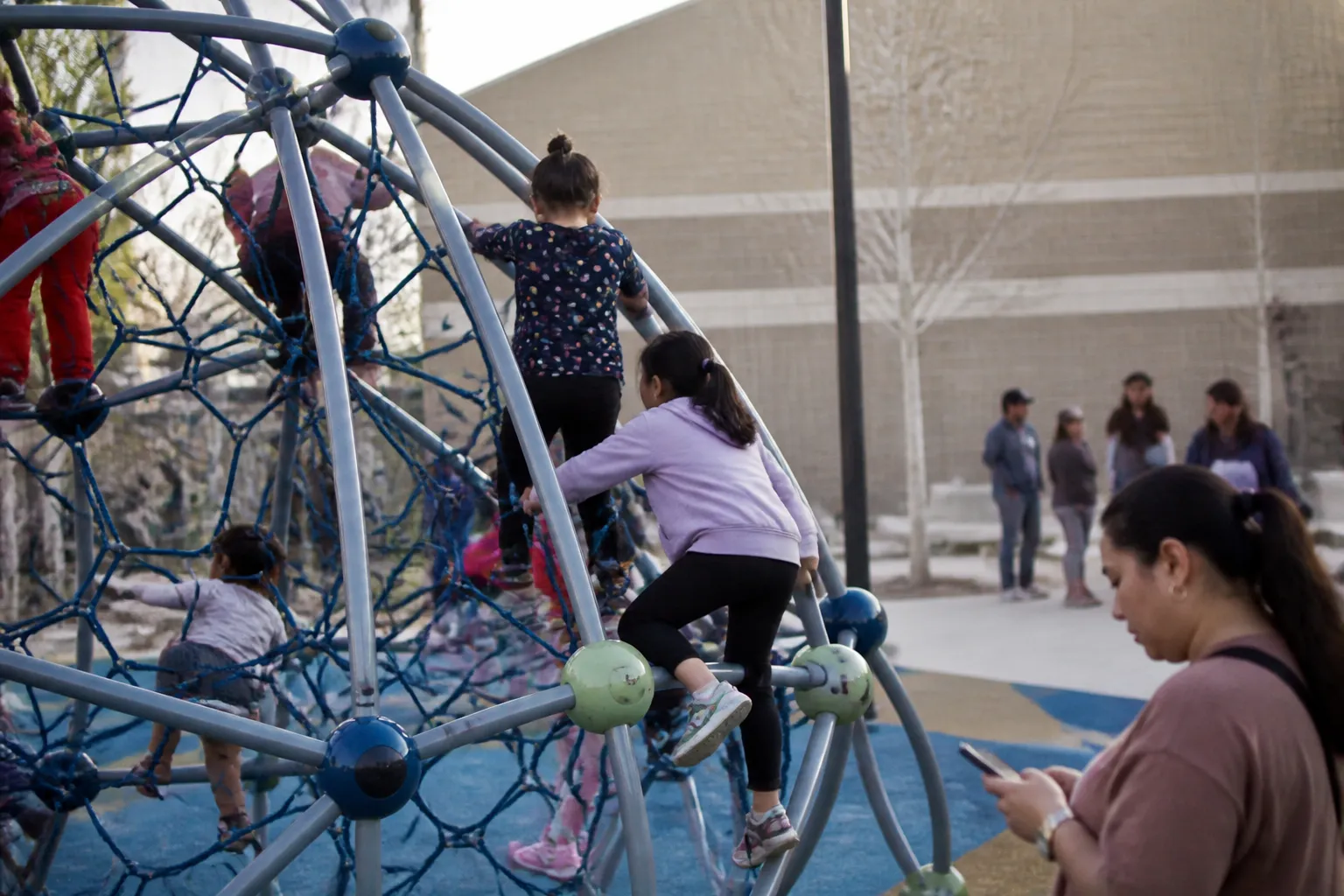
Some nonprofits are really programs. Donna Street Community Center Donna Street Community Center Inc is a place. That distinction matters. Founded in 2020 by Robert Strawder Jr., who grew up on Donna Street and saw food scarcity, limited resources, crime, gangs, and barriers to technology up close, the center is aimed at the most decisive hours in a child’s week: after school, in the neighborhood, when a little structure can change the whole evening.
Get the weekly digest
New stories, new nonprofits, every Tuesday morning.
In February 2024, the center unveiled a kid-designed playground built with support from the Vegas Golden Knights Foundation and Kaboom, with more than 100 volunteers helping construct it. The playground is a clue to the culture, not a cheerful photo op. Kids were asked what they wanted. Adults showed up and built it. Confidence, it turns out, can look like bright paint, a climbing structure, and proof that your ideas count.
According to the center, 2,547 meals were served to youth and families during the year, and 772 people attended community events. Those services sit at the center of the mission.
Inside, the offerings are exactly the unglamorous things that matter most: tutoring, homework help, literacy support, play time, free technology access, STEM education, meals, food resources, youth support services, and job placement help for youth and young adults.
And then you get to Jaylen R., 17, whose story cuts through every vague promise the sector likes to make:
"Being in the HHEP helped me find my purpose. I didn’t think I had any business ideas—but now I’m working on my own clothing line." , Jaylen R., age 17
That is the case for donating here. Not because 'community center' is a nice phrase, but because this one seems built to catch the hour after school when a kid can drift or get anchored.
Friendship Circle: weekly visits beat occasional sentiment
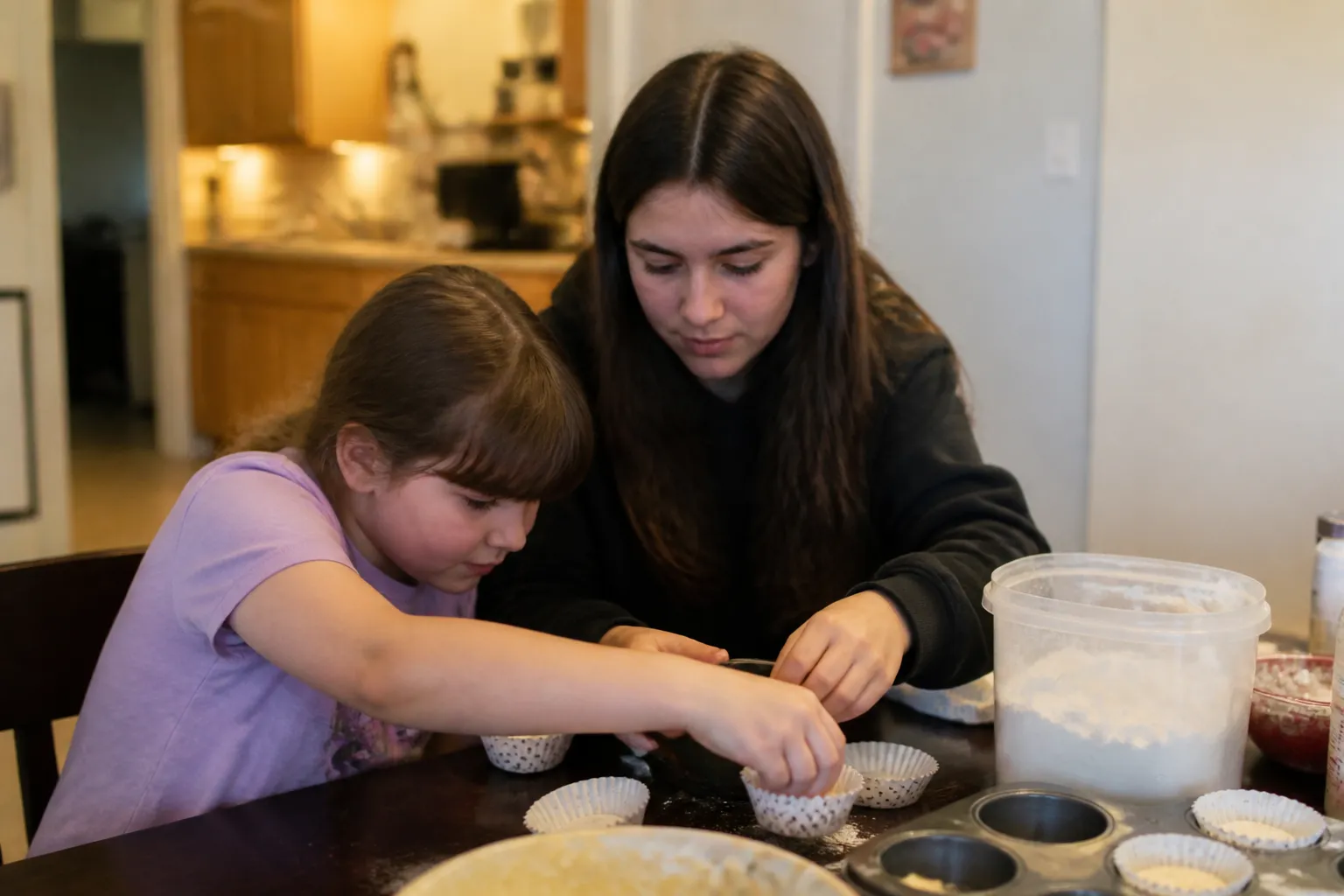
Friendship Circle of Las Vegas Friendship Circle Of Las Vegas Inc has the kind of idea that sounds simple until you realize how much discipline it takes to do well: friendship, on purpose, again and again. Since beginning as a pilot program in 2016 under Rabbi Levi Harlig and Nechama Harlig, Friendship Circle has built a model around people with special needs or disabilities across childhood and early adulthood, as well as around the families who are usually carrying more than outsiders can see.
The signature program is Friends @ Home, a weekly one-on-one program that pairs teen volunteers with children and teens with special needs for visits that often involve baking together. That weekly rhythm is the magic. Sunday Club, a monthly 90-minute drop-off club, adds group activities and one-on-one attention from volunteer buddies. Teen Scene, Young Adults Club, and family programs widen the circle. The group says no one is turned away for not meeting certain ability thresholds, which tells you a lot about the posture of the place.
According to Friendship Circle, it currently has 108 active families participating in programming and runs close to 50 programs during the school year. Its Friendship Kitchen also brings together up to 50 volunteers to prepare roughly 200 fresh, healthy meals bi-weekly for Las Vegas families facing food insecurity.
For donors, this is one of the most convincing family-centered youth organizations in the Valley because it understands that confidence and belonging are communal. The program supports the child, the sibling, and the caregiver, while Friendship Kitchen puts dinner on Las Vegas family tables.
Las Vegas Blast: a softball field with a college plan built in
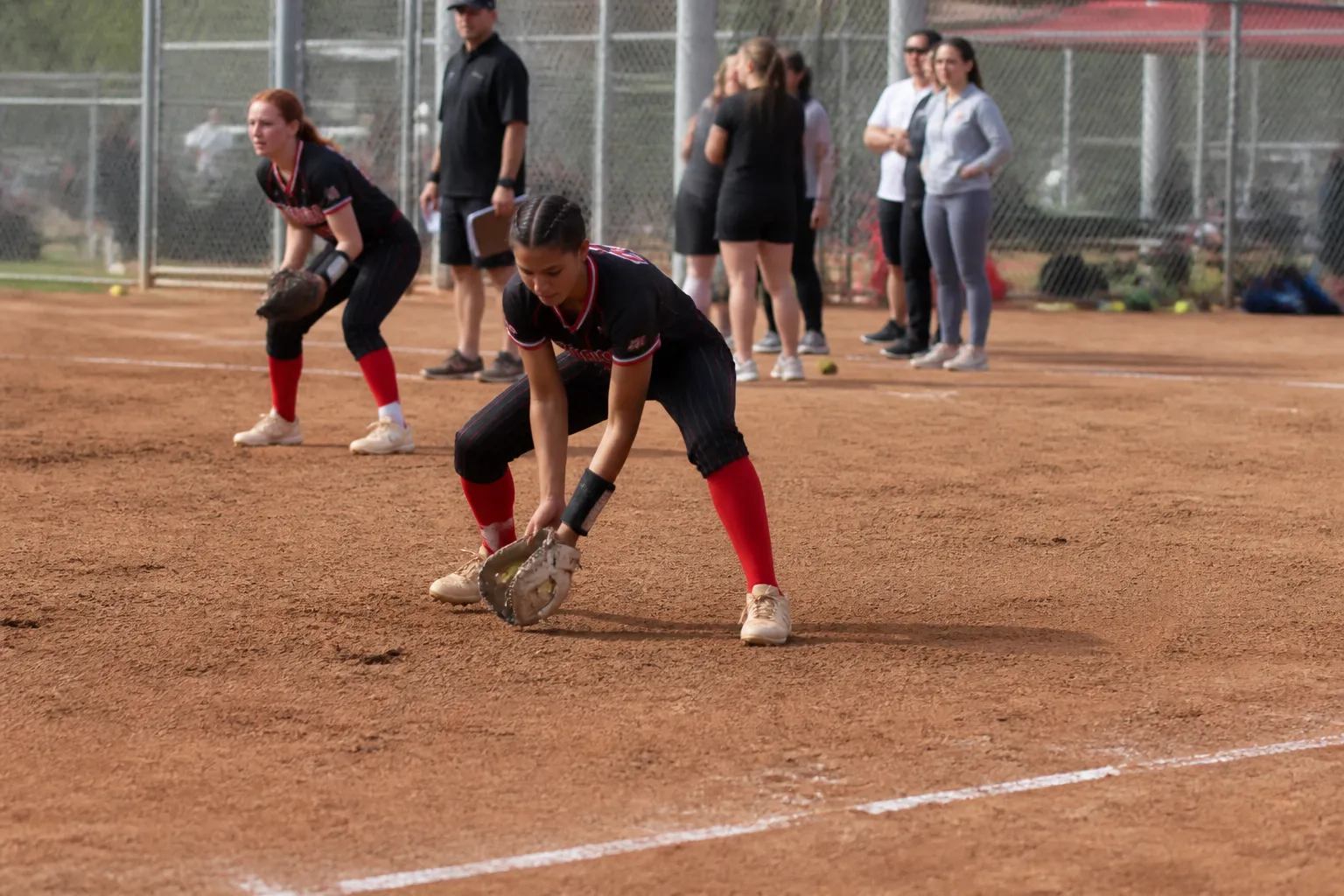
Sports nonprofits can get reduced to a predictable pitch about teamwork and character. Las Vegas Blast is better than that. Under Mark Robles’s leadership since 2013, the program treats softball as both a proving ground and a pathway for girls and young women who want more from the game than weekend exercise.
Yes, there is elite coaching and training. Yes, there are travel teams competing in Nevada and across the country. But the piece donors should notice is the college pathway support: recruitment education, player profiles, skill showcases, college coach connections, and ongoing mentorship for players and families. That is the difference between a team and an actual developmental system. Families can also find the sort of guidance they often have to piece together on their own, including NCAA and NAIA rules, eligibility timelines, recruiting profiles, and communication with college coaches.
The culture here becomes specific on the field, where players must showing up for drills, recovering from mistakes in public, and learning how to compete without becoming impossible to coach. The coaching continuity helps. Kristy Odamura has led the Blast 18s program for more than 15 years, and she was inducted into the Softball BC Hall of Fame in 2025. In a city that does not talk nearly enough about girls’ sports infrastructure, that is worth noticing.
If your giving tends to skip sports because it feels extracurricular, reconsider. For a lot of young women, this is where discipline, confidence, and future planning become real.
These six earn attention through repeatable rituals rather than shared language. Each offers a routine a young person can step into: I.C.A.N.’s first-Monday meetings, Real Talk’s Change One nights, Pride Tree’s camp and year-round identity-safe programming, Donna Street’s homework-and-meal hub, Friendship Circle’s weekly visits, and Las Vegas Blast’s practices with recruiting guidance built in.
That is the standard I would use with my own money. Not 'Do I like the cause?' Of course you do. The better question is: can I picture what happens next week if this organization has the cash?
So here is the move: do not donate to 'youth empowerment' as a beautiful abstraction. Pick the ritual you believe changes a kid’s posture—an I.C.A.N. camp sponsorship, Real Talk’s free Change One meetings, a Pride Tree camper scholarship, Donna Street’s tutoring and meals, a Friendship Circle weekly friendship program, or Las Vegas Blast’s college-pathway coaching—and pay for that to happen again.
Frequently asked questions
- What should I look for when donating to a youth charity in Las Vegas?
- Look for a repeatable structure and a mission put into practice. In this roundup, the strongest groups build confidence through routines a young person can count on, including monthly meetings, weekly visits, summer camp, a homework table with meals and college sports guidance.
- Which Las Vegas youth nonprofit requires parent participation too?
- Real Talk Youth Impact Program does. Its free monthly Change One meetings for at-risk youth ages 8 to 18 include a mandatory parent support group, and participants also complete a mandatory career prep class.
- Is there a Las Vegas nonprofit specifically for LGBTQ+ youth and allies?
- Yes. Pride Tree runs Camp Pride Tree, an annual summer camp for LGBTQ+ youth and allies, plus year-round programming for young people and families in the Las Vegas area.
- What North Las Vegas youth organization offers homework help, meals, and STEM access?
- Donna Street Community Center does. It serves children and youth ages 5 to 18 in North Las Vegas through tutoring, homework help, literacy support, free technology access, STEM education, and meals and food resources.
- Which Las Vegas group supports children with special needs through weekly home visits?
- Friendship Circle of Las Vegas does through its Friends @ Home program. It pairs teen volunteers with children and teens with special needs for weekly one-on-one visits built around games and a shared baking project.
- thepridetreelv.com ↗
- Pride Tree began in November 2020 after founder Grant Frailich saw a 15-year-old gender-fluid student left without supportive responses after sharing an online threat; the organization now offers Camp Pride Tree, year-round programs, and community advocacy for LGBTQ+ youth and allies.
- realtalkyip.org ↗
- Real Talk Youth Impact Program, founded in 2012 by Sheree D. Corniel, uses free monthly Change One meetings for youth ages 8 to 18, alongside a mandatory parent-support group and career-preparation class.
- news3lv.com ↗
- Real Talk Youth Impact Program reported gaining ownership of its Las Vegas facility at 1300 S. Jones, with Executive Director Sheree D. Corniel holding the deed, according to a January 31, 2026 report.
- fcvegas.org ↗
- Friendship Circle of Las Vegas began as a small pilot program led by Rabbi Levi Harlig and Nechama Harlig in 2016 and provides recurring programs for children, teens, young adults with special needs or disabilities, and their families, including Sunday Club, family events, and a Young Adults Club.
- donnastreetcommunitycenter.org ↗
- Donna Street Community Center, founded in 2020 by Robert Strawder Jr., combines tutoring and homework help with meals, technology access, STEM education, and youth support services for children and youth in North Las Vegas.